40 Free Printable Plant Coloring Pages
There's something genuinely wonderful about the way plants fill a page — all those curving stems, layered petals, and endlessly varied leaves just waiting for color. This collection brings together 40 free printable plant Coloring Pages, available in both PNG and PDF formats so you can print them at home anytime. Whether you're looking for a quiet afternoon activity or a creative project to share with the whole family, there's a page here for every skill level. Little ones will love the bold, cheerful designs, while older kids and adults can sink into the more detailed botanical illustrations. Pull up a chair, grab your favorite colors, and let this garden grow.
20 Free Printable Plant Coloring Pages For Kids
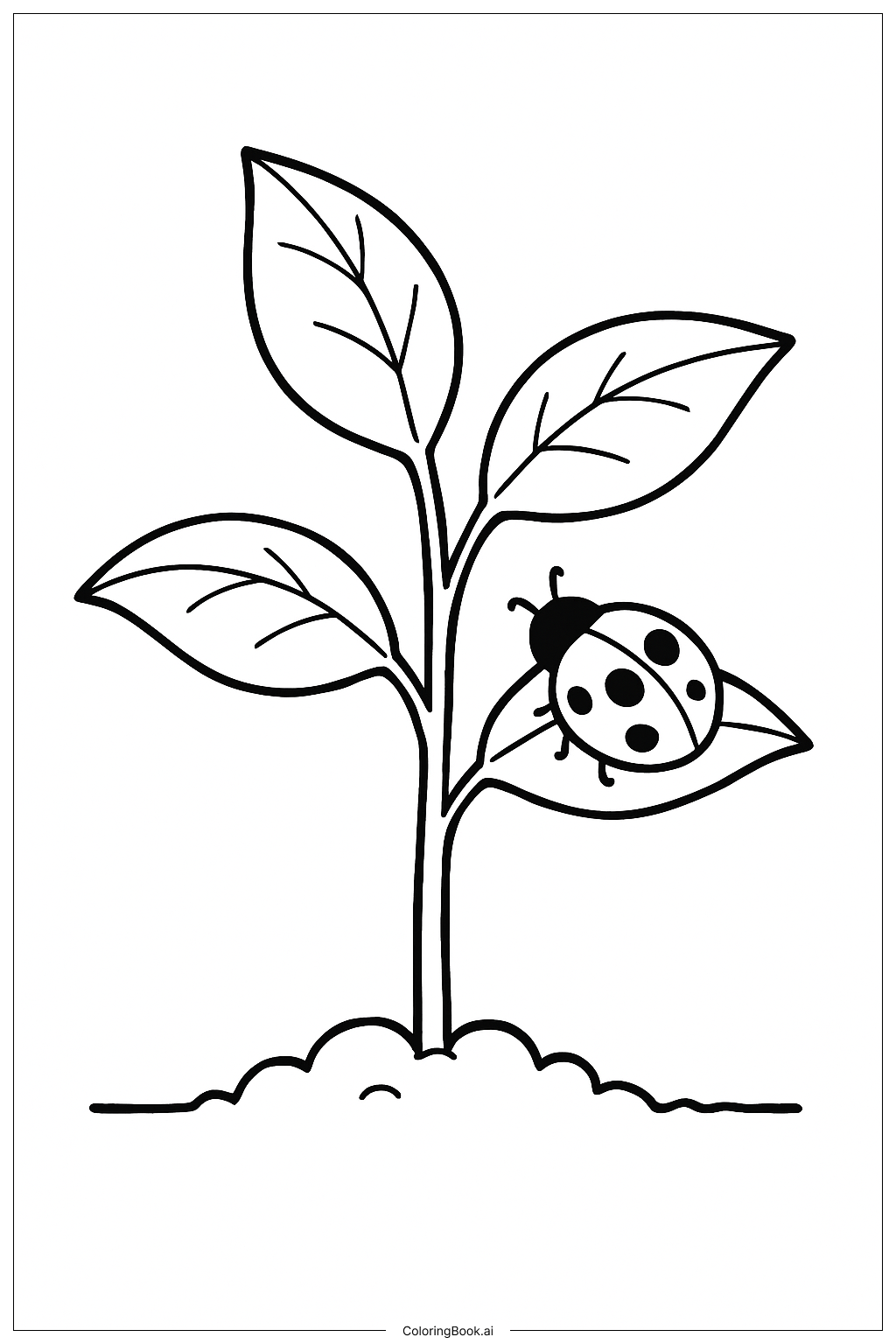
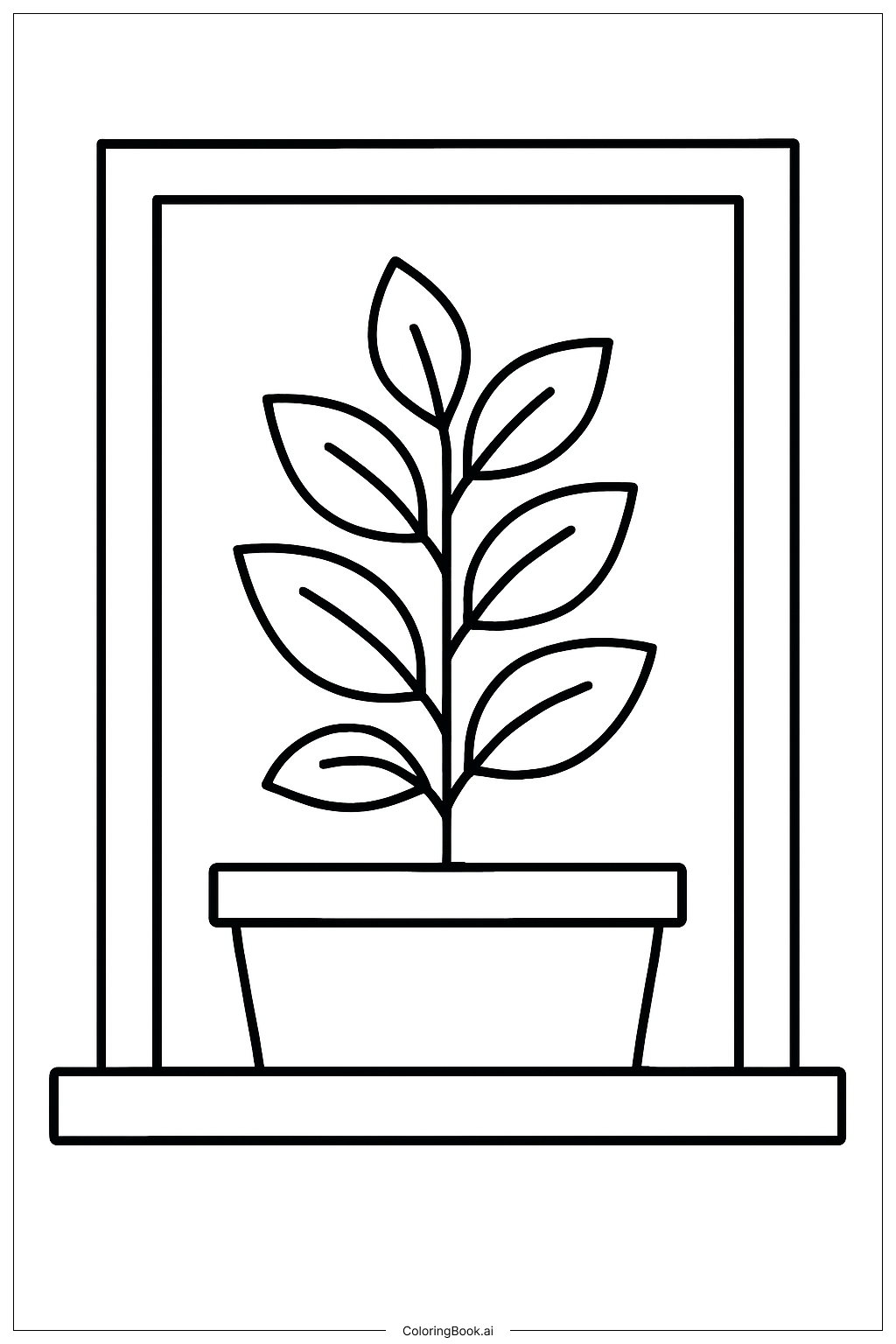
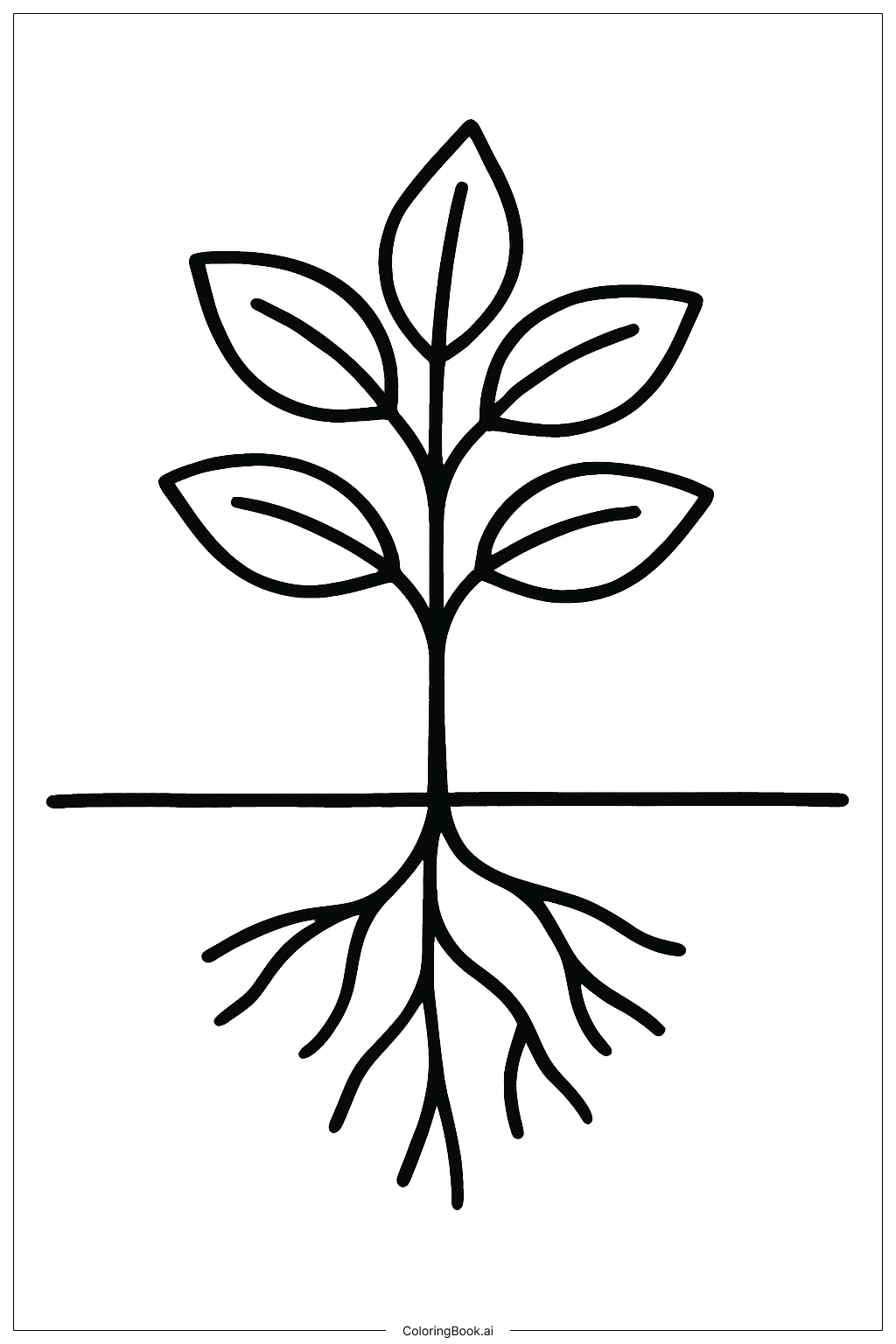
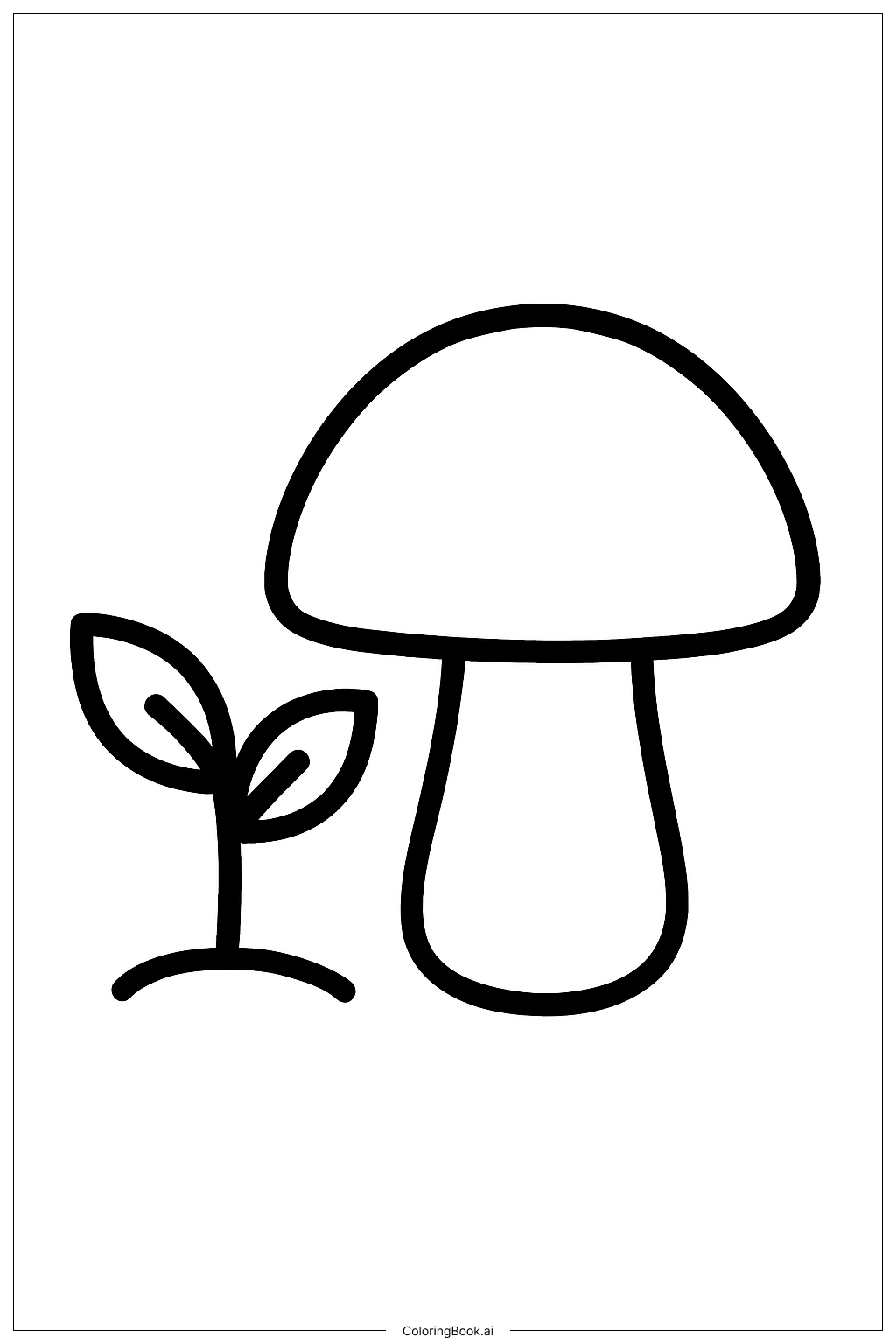
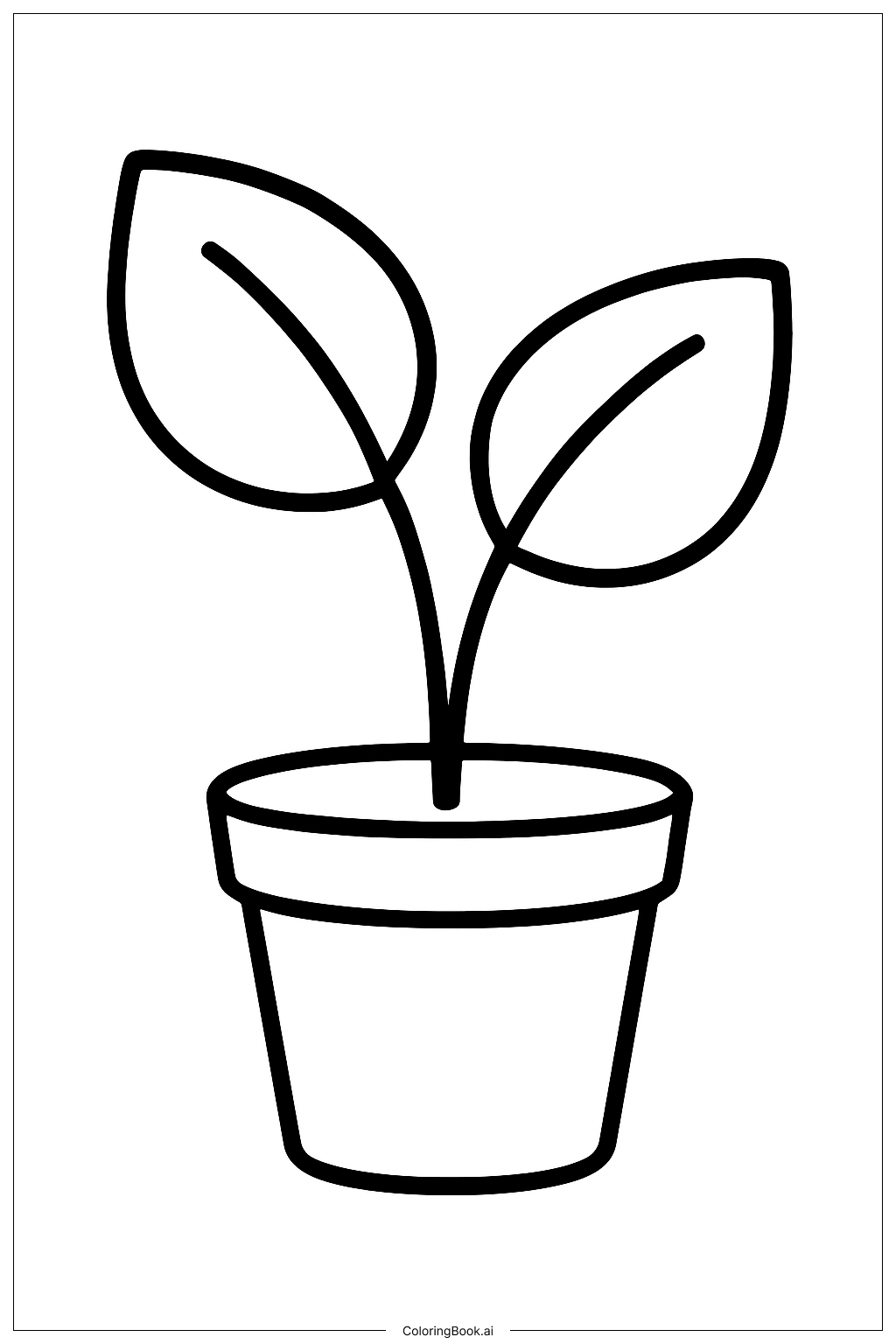
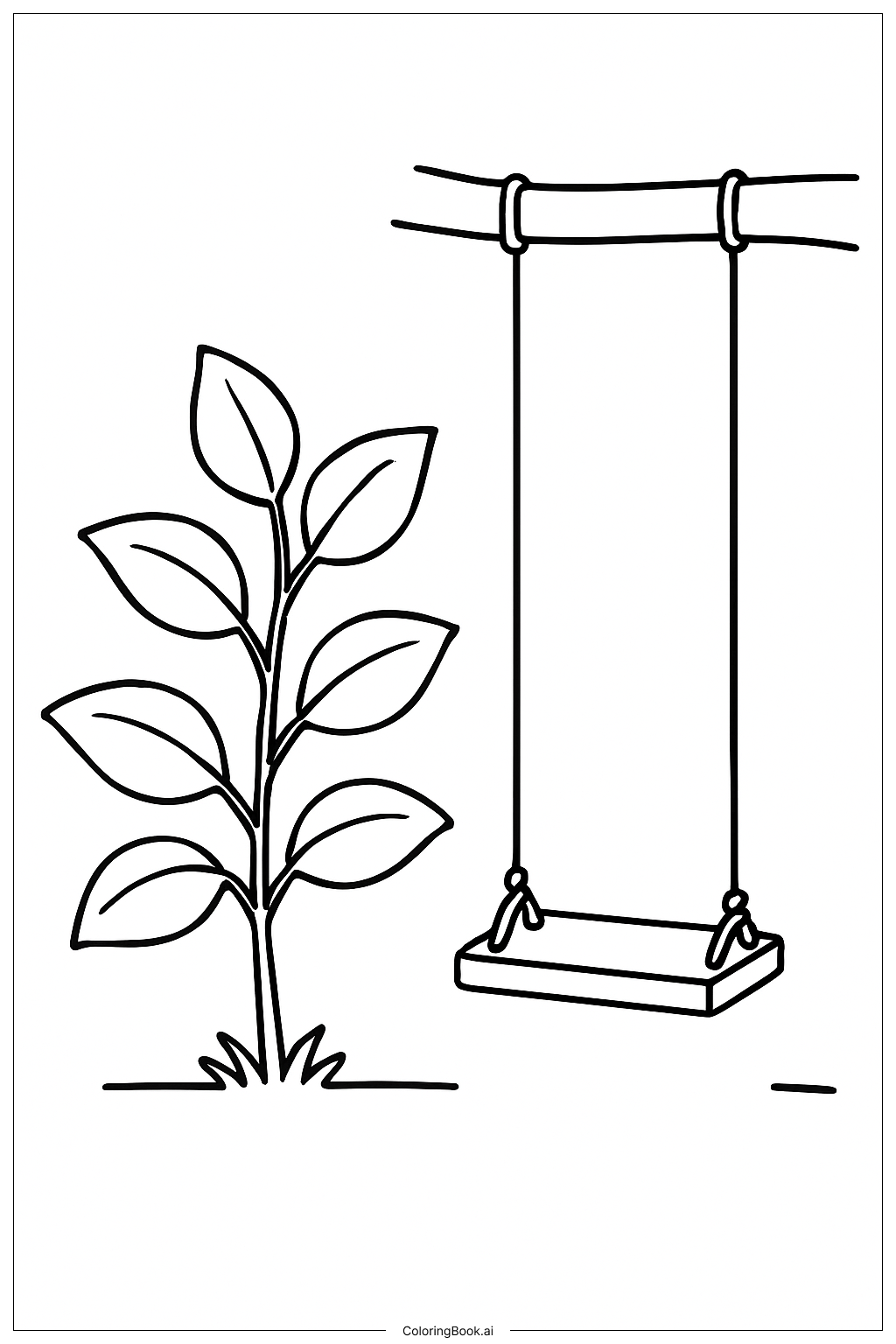
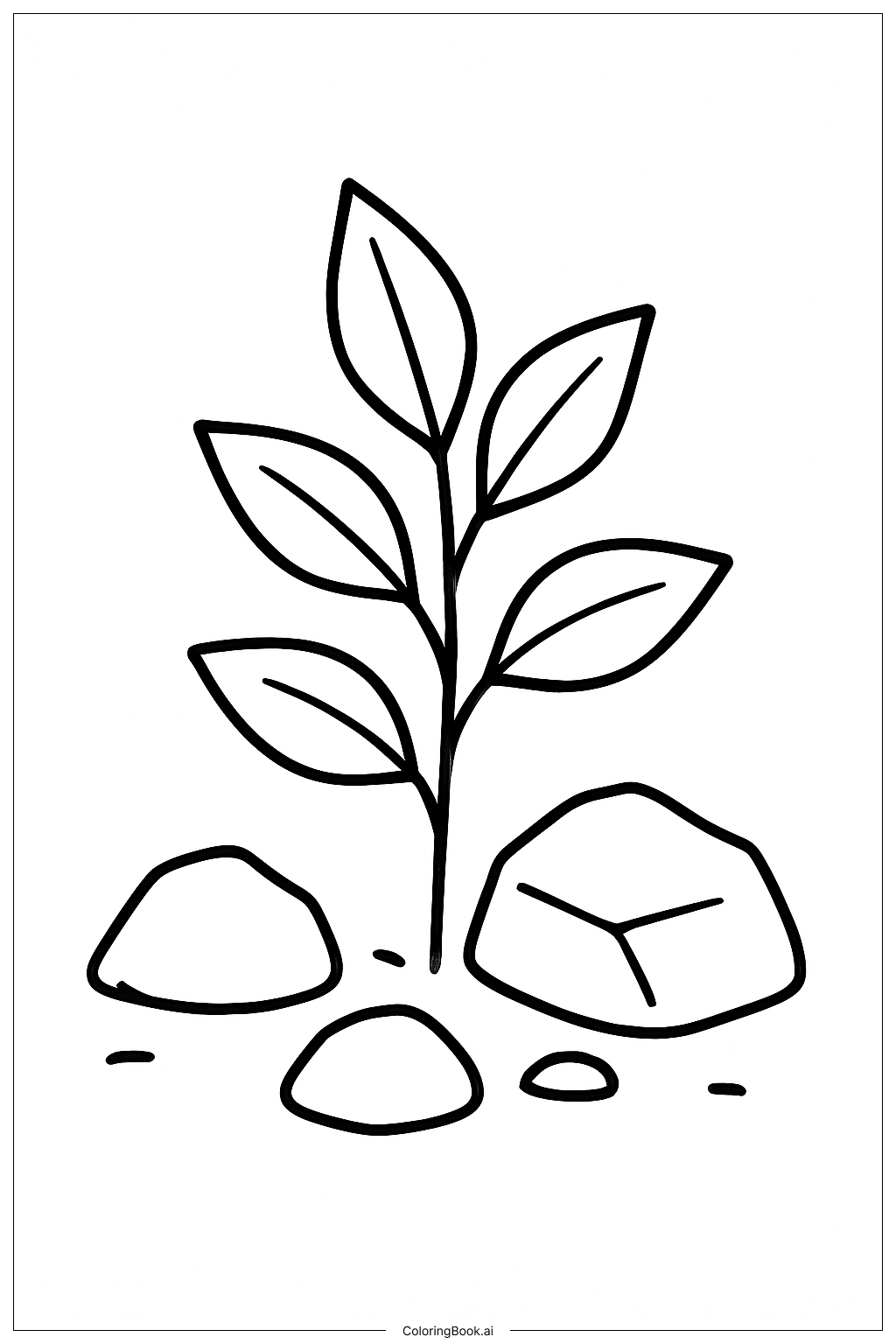
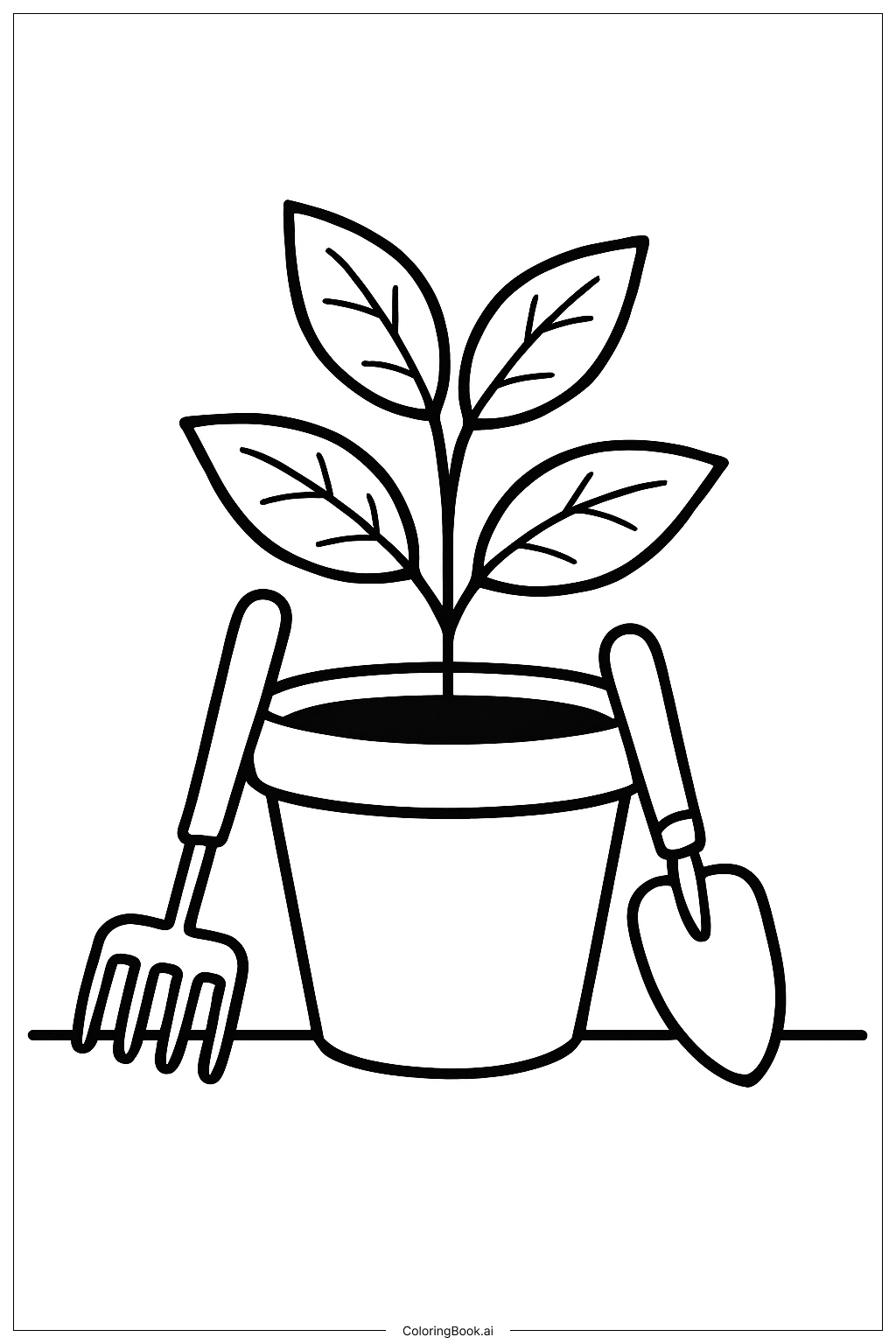
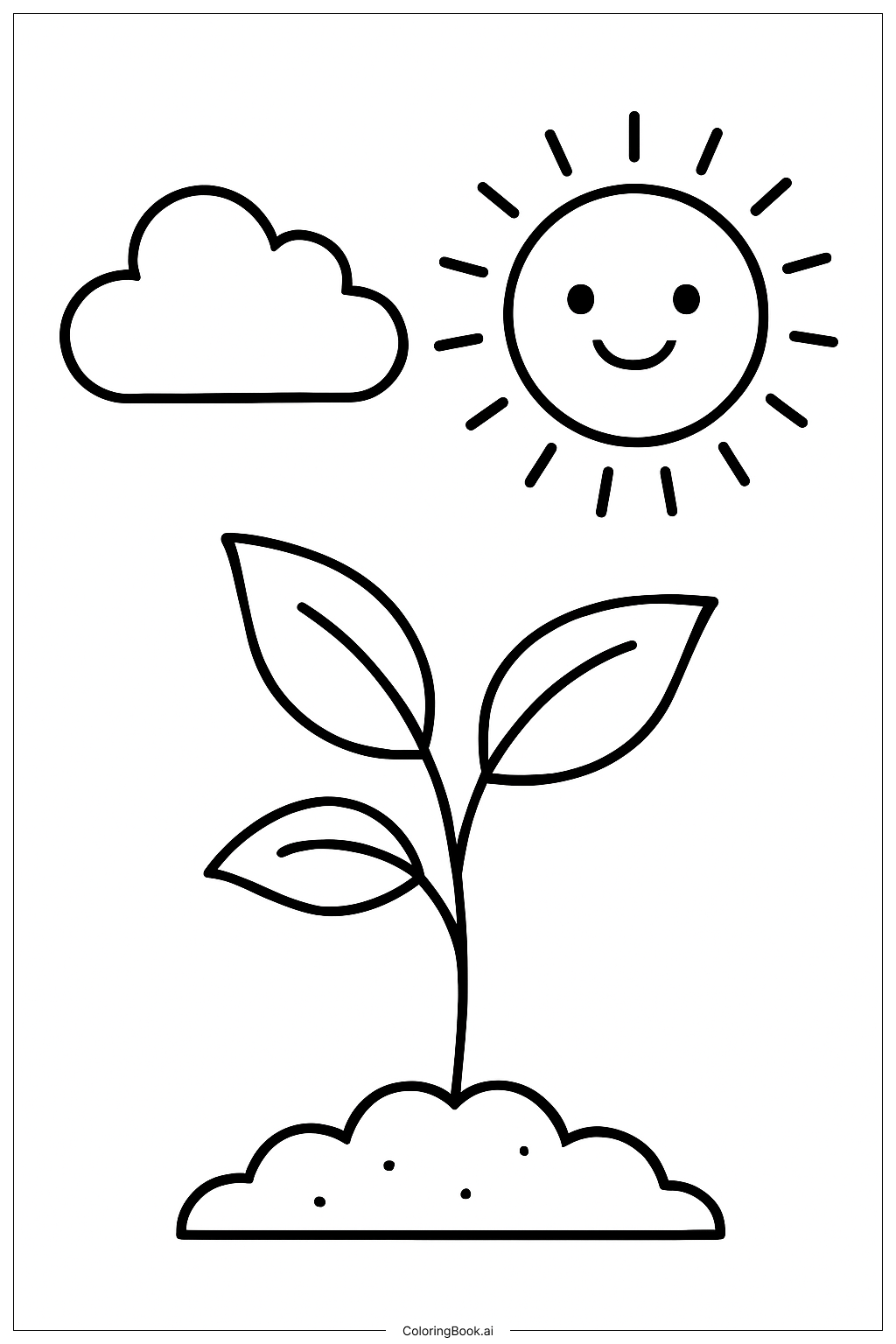
This Plant with Roots page puts a playful spin on the plant world — bright, bold outlines that are just the right size for little hands to fill in. With 20 free printable designs to choose from, both boys and girls will find something to get excited about. Grab the crayons and let the colors grow!
Download your Free Printable PNG or PDF pages and start the fun!
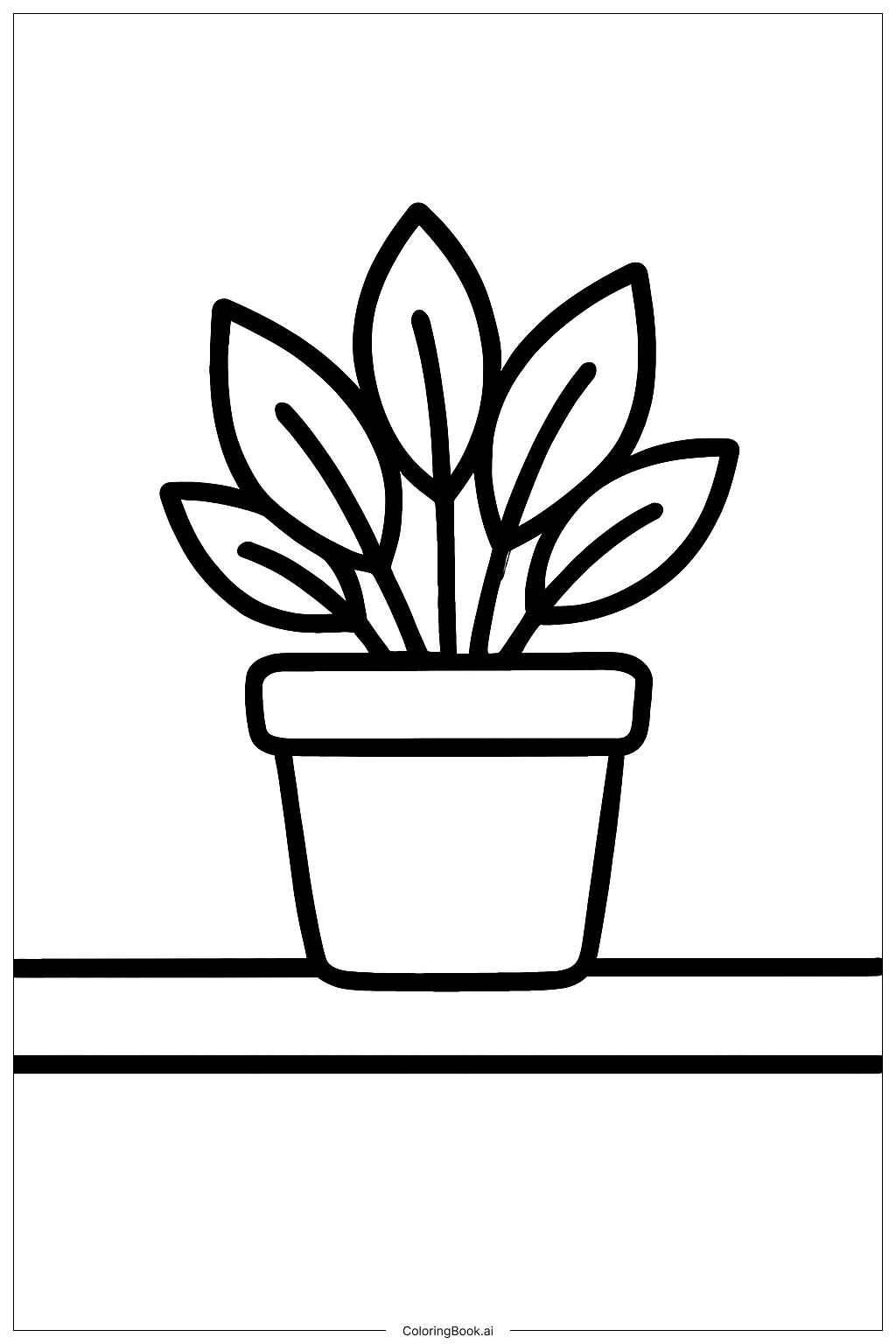
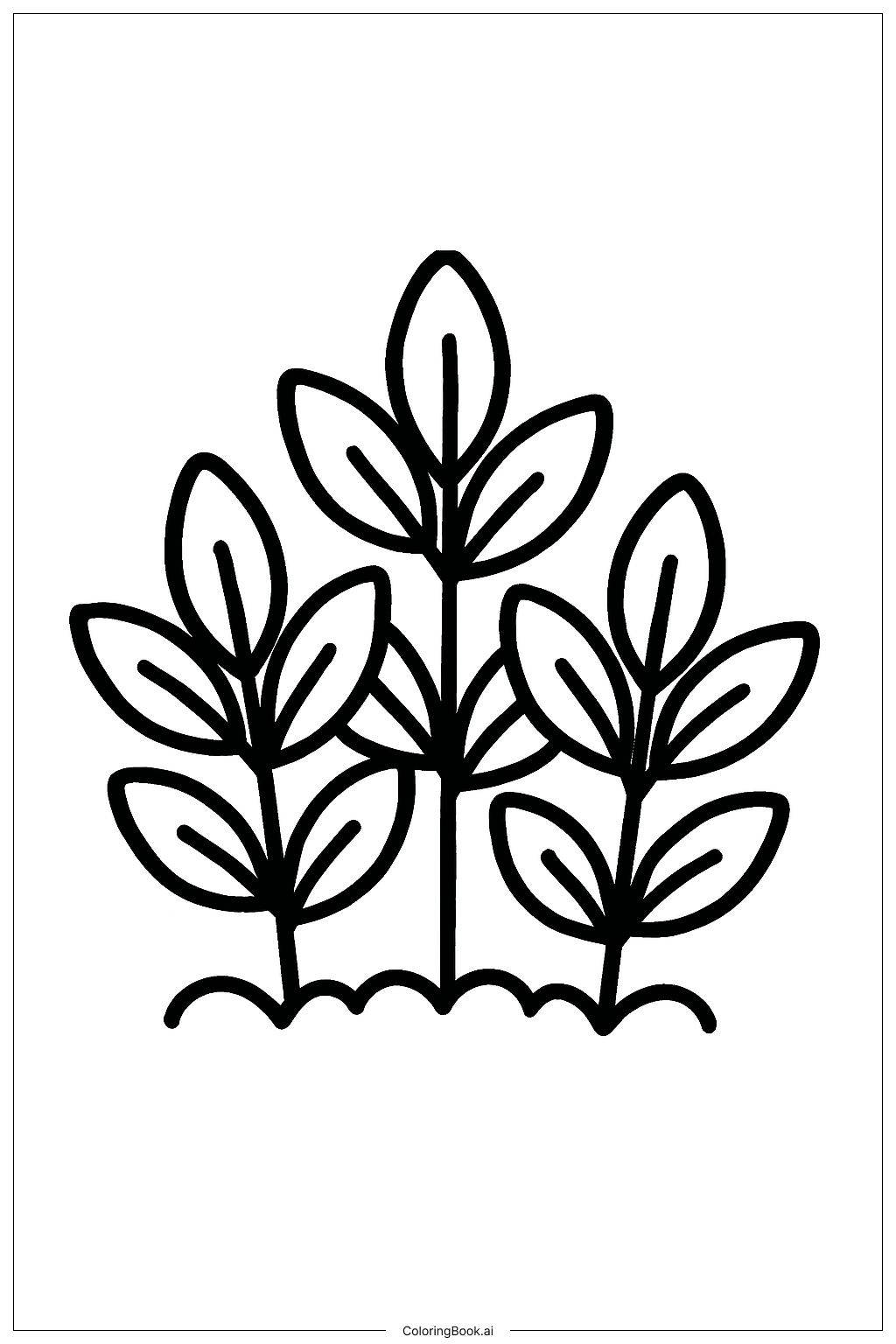
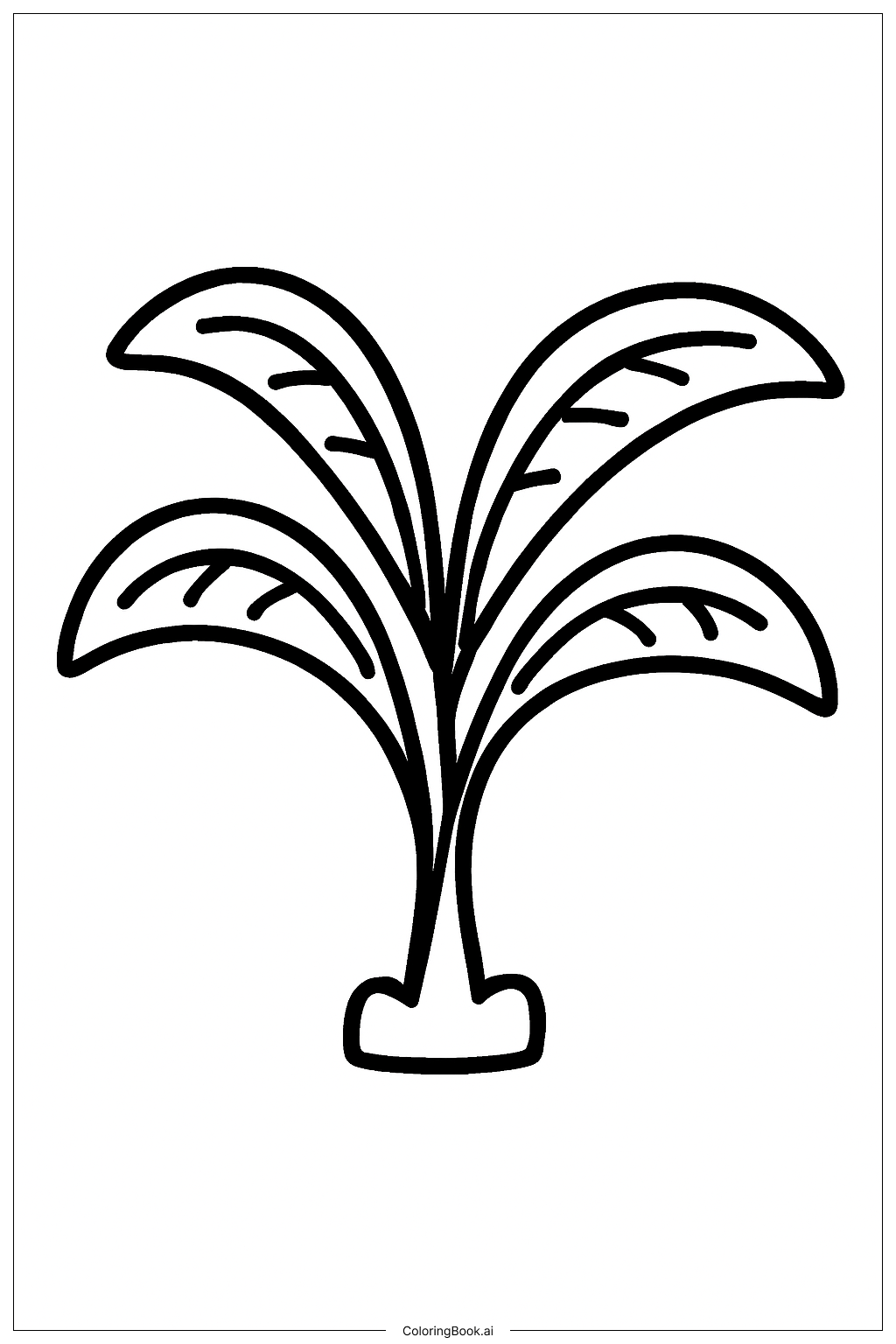
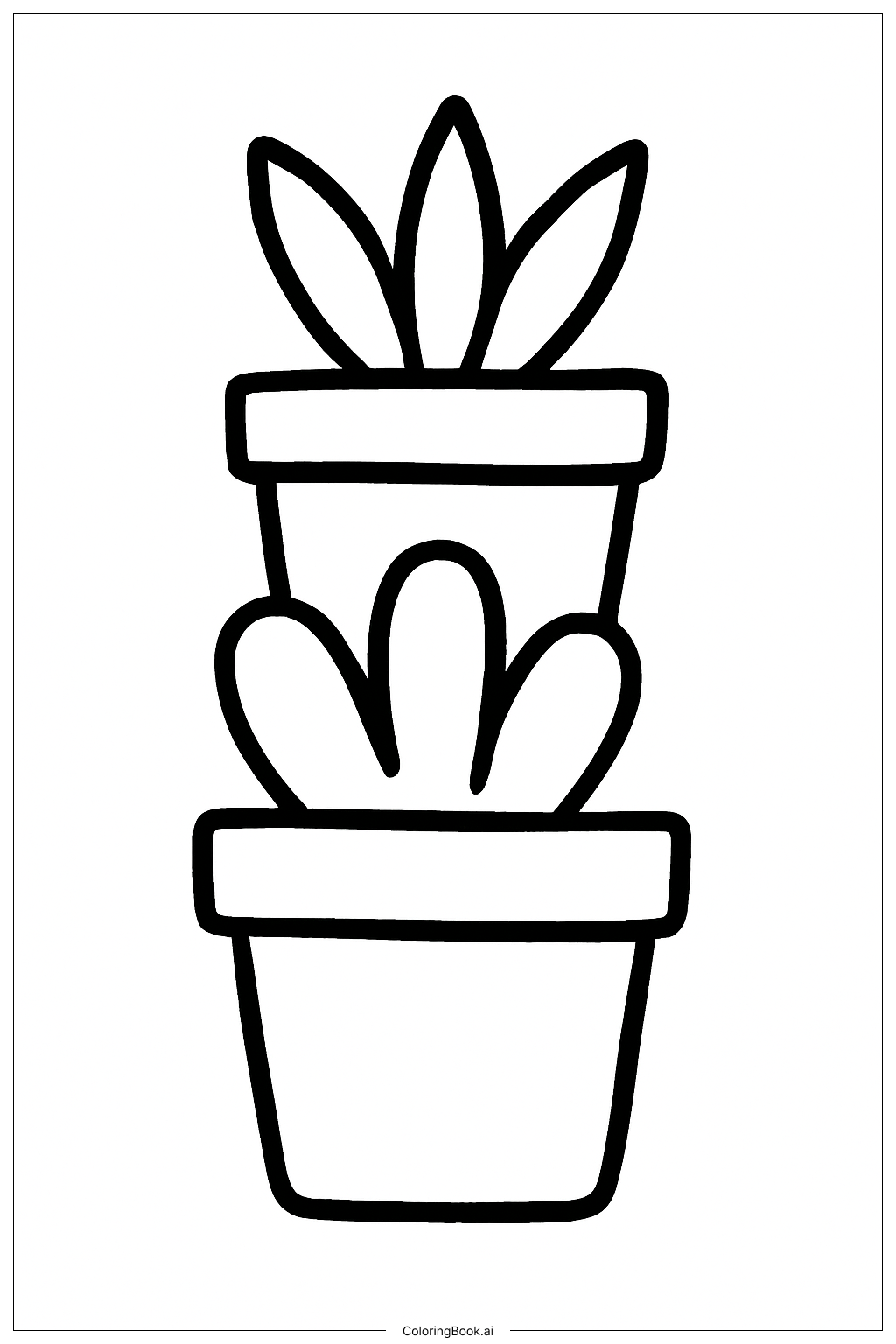
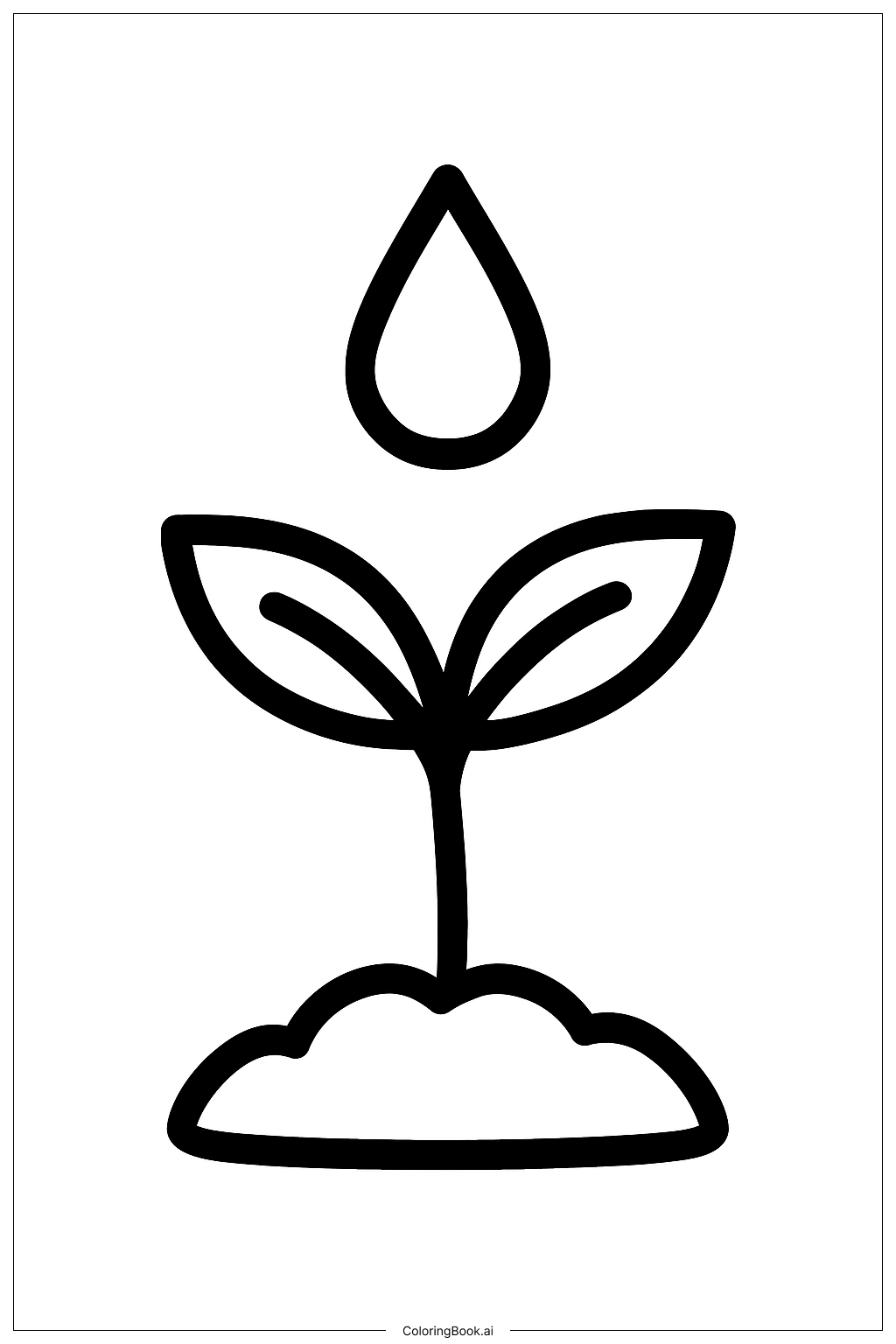
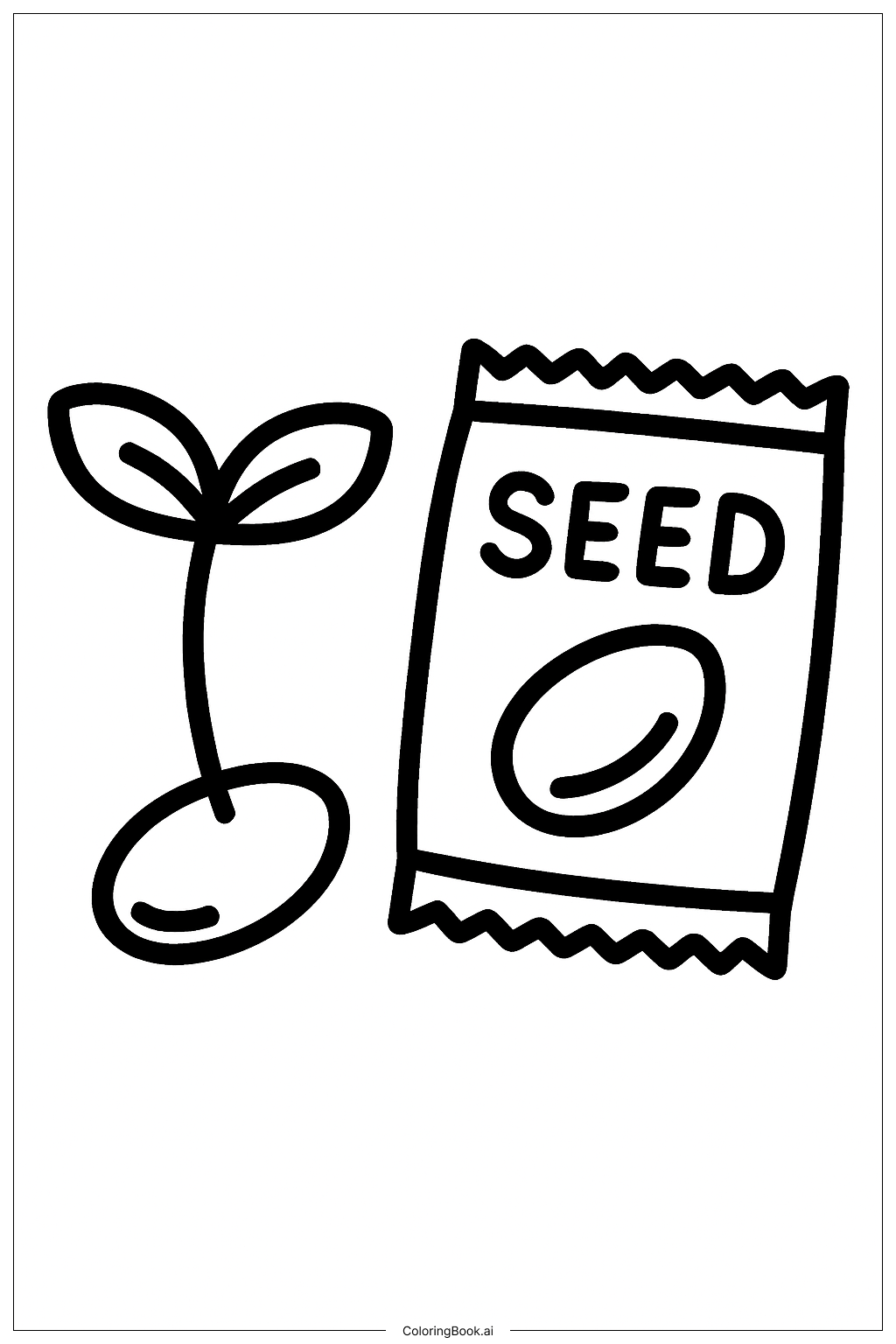
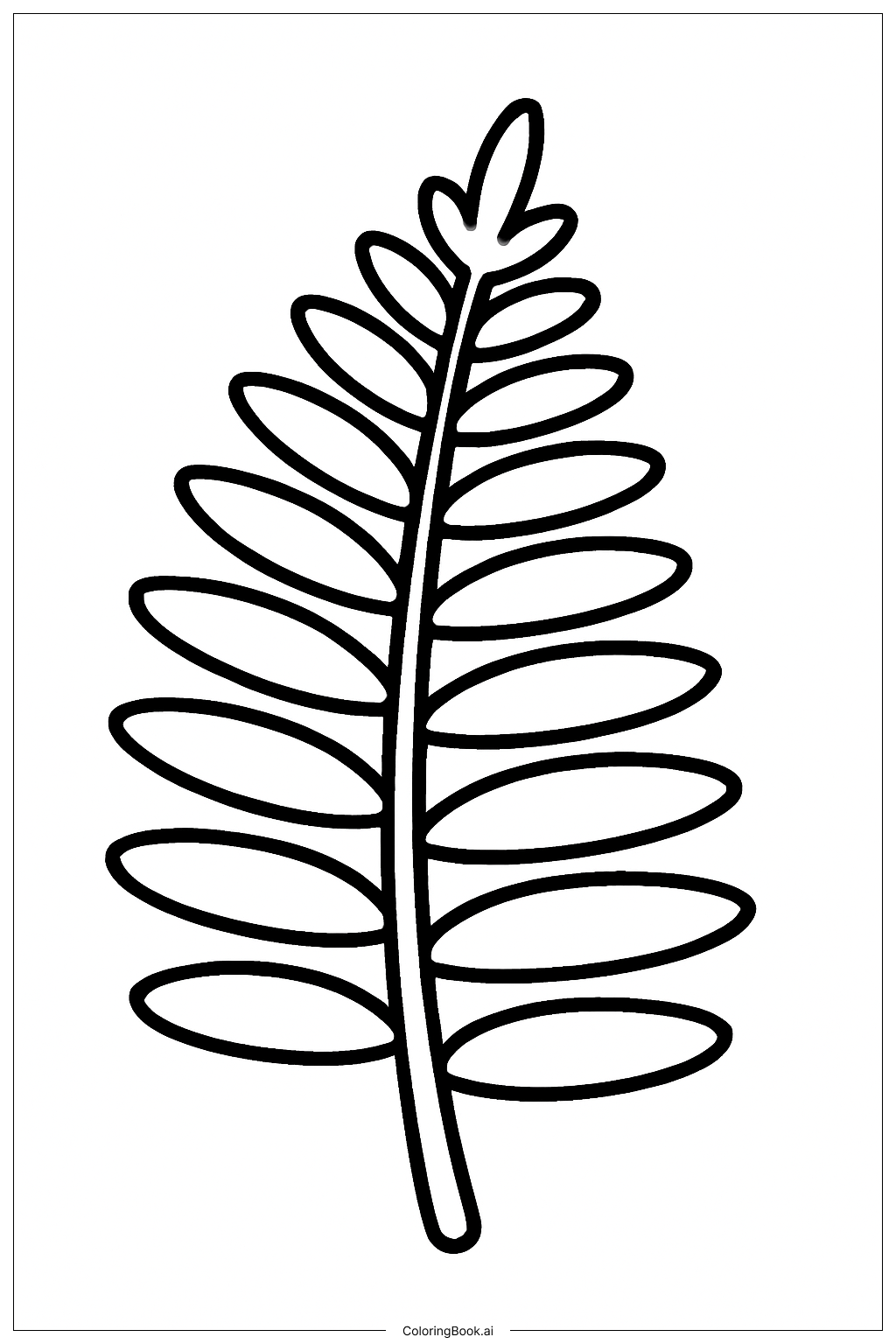
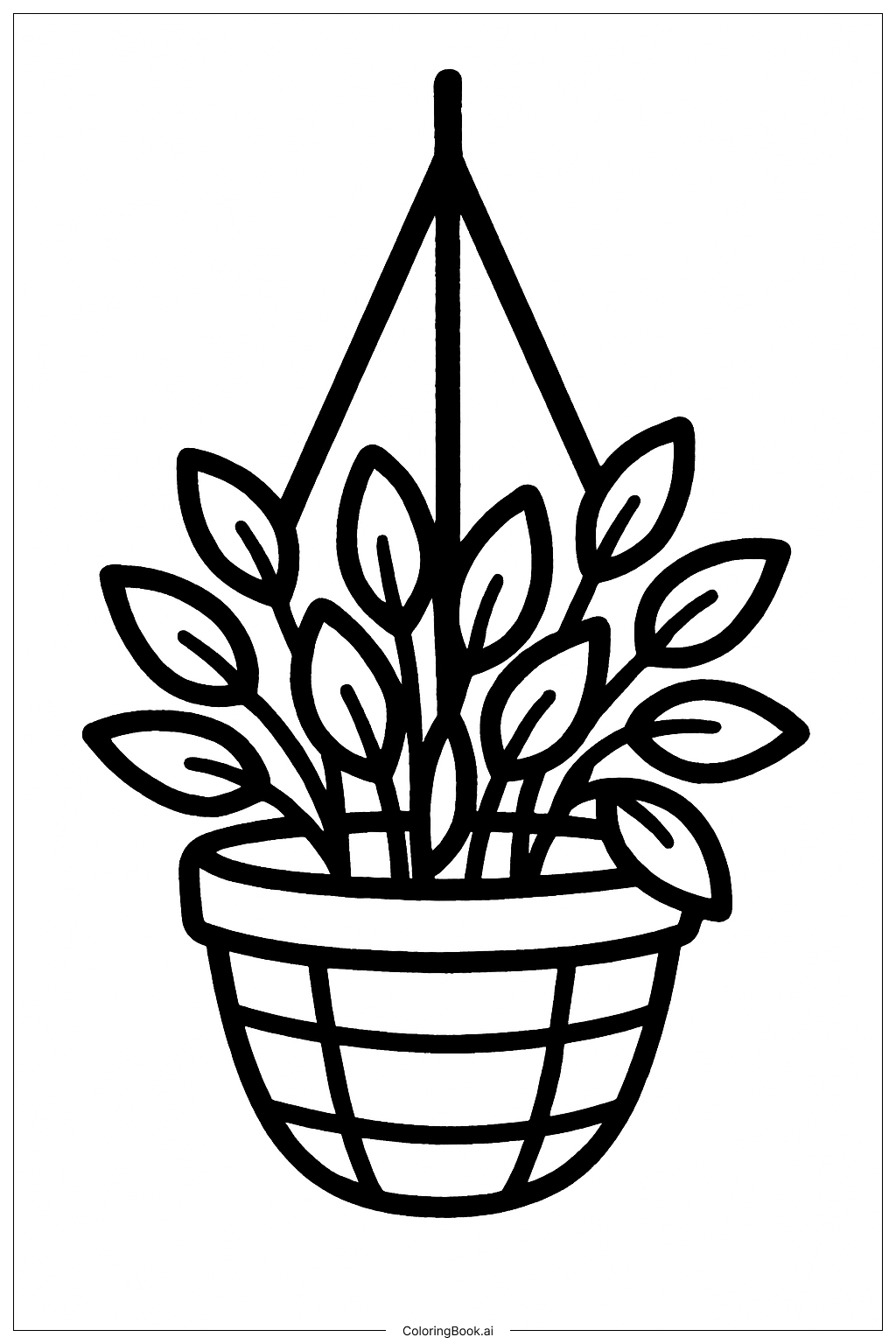
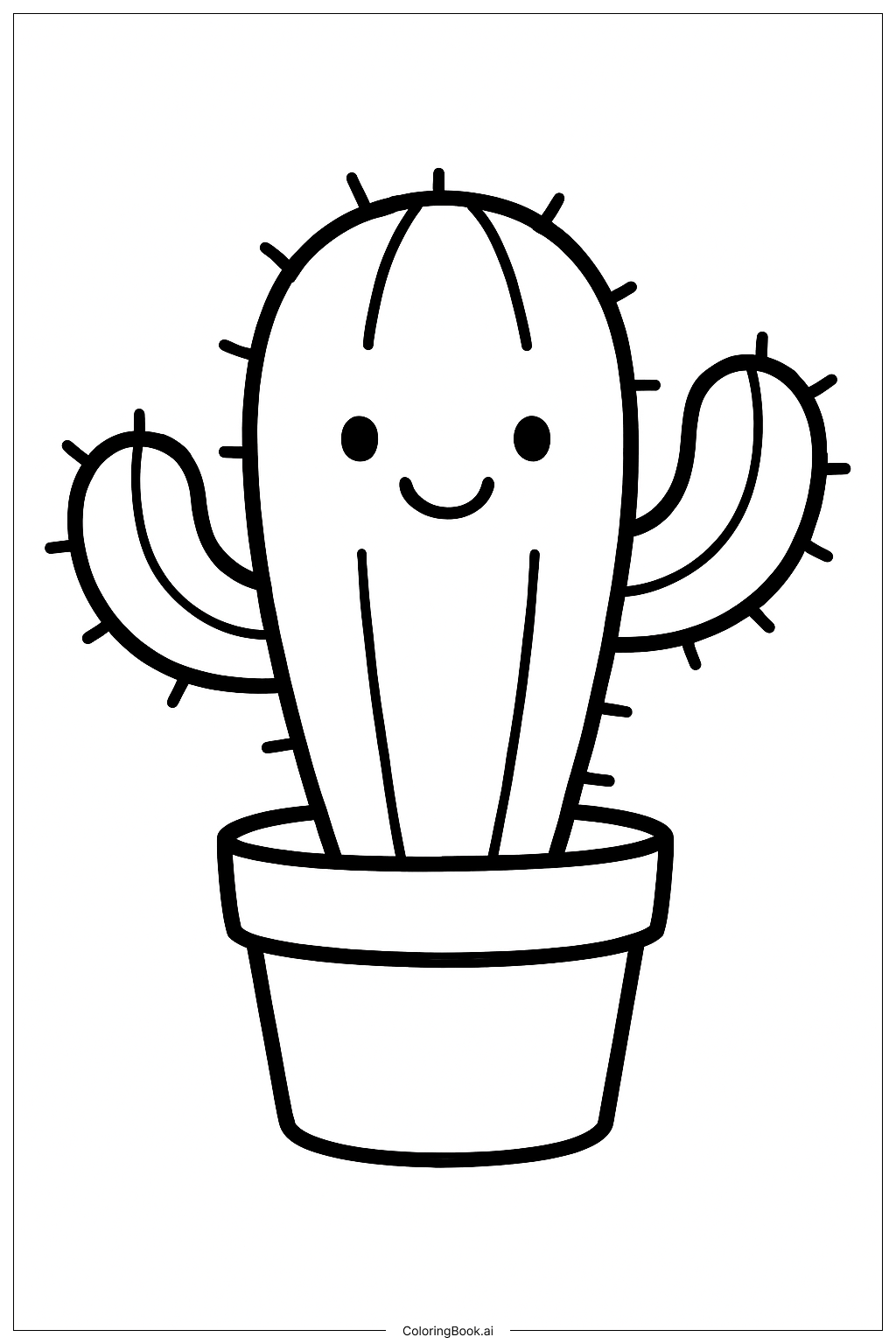
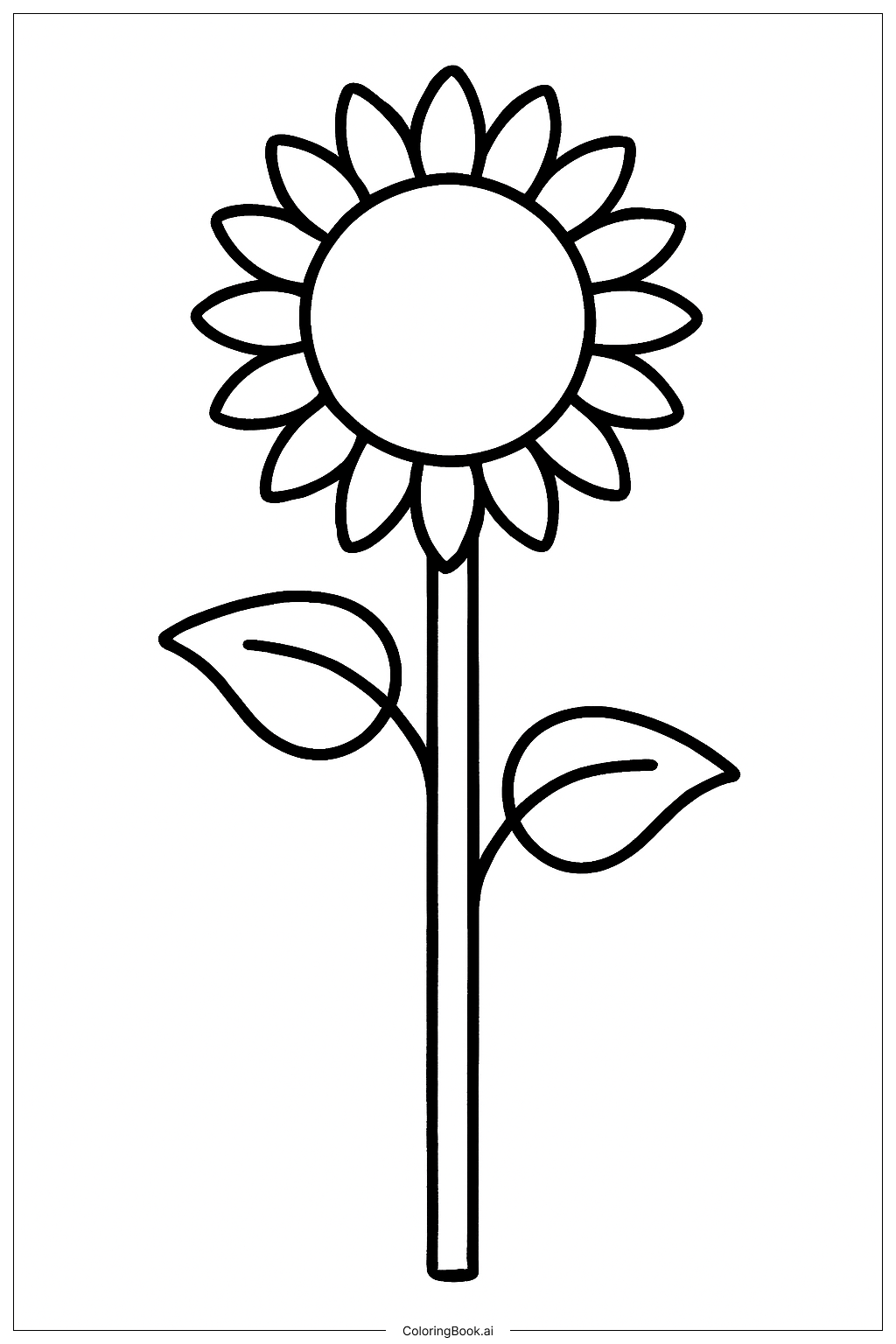
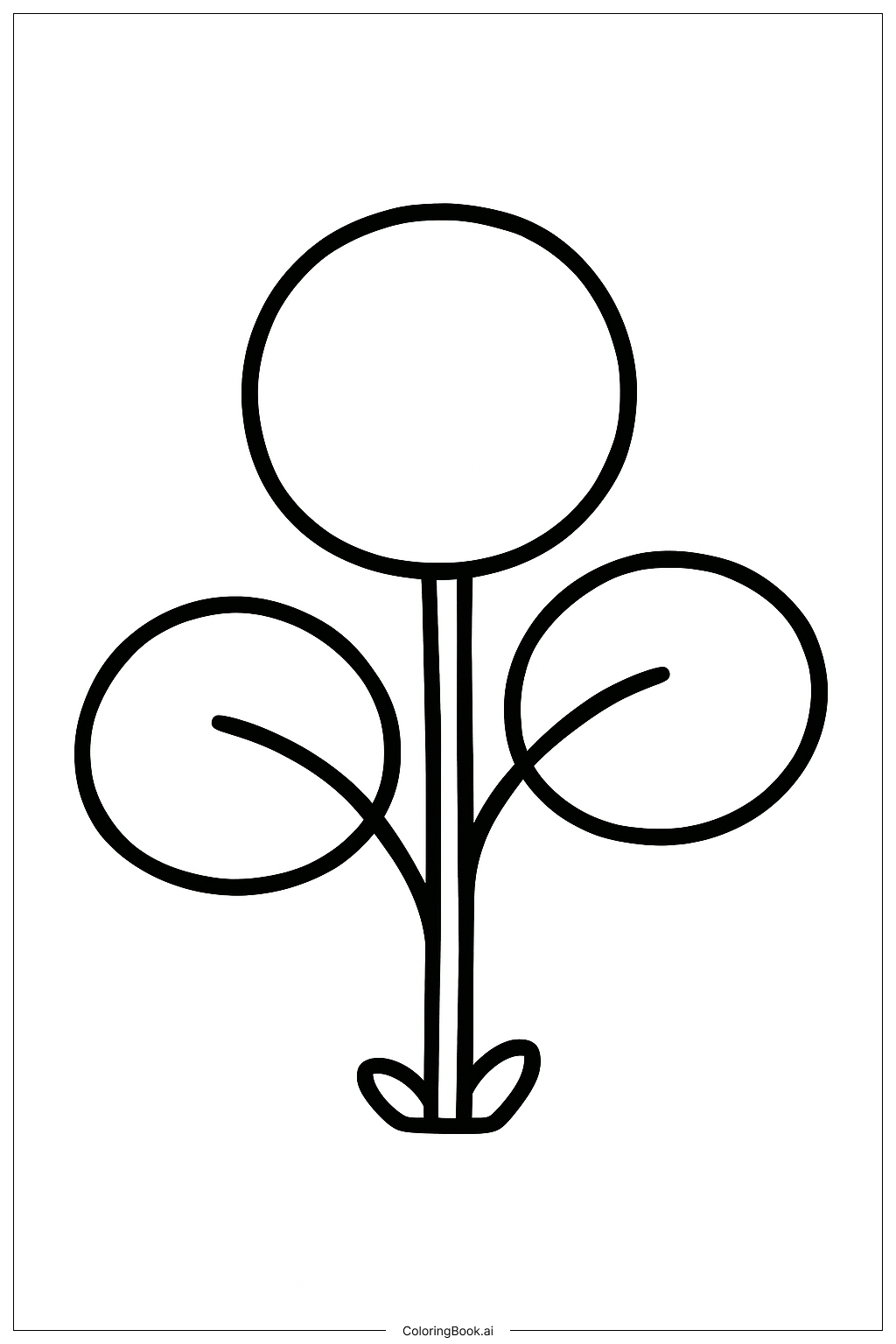
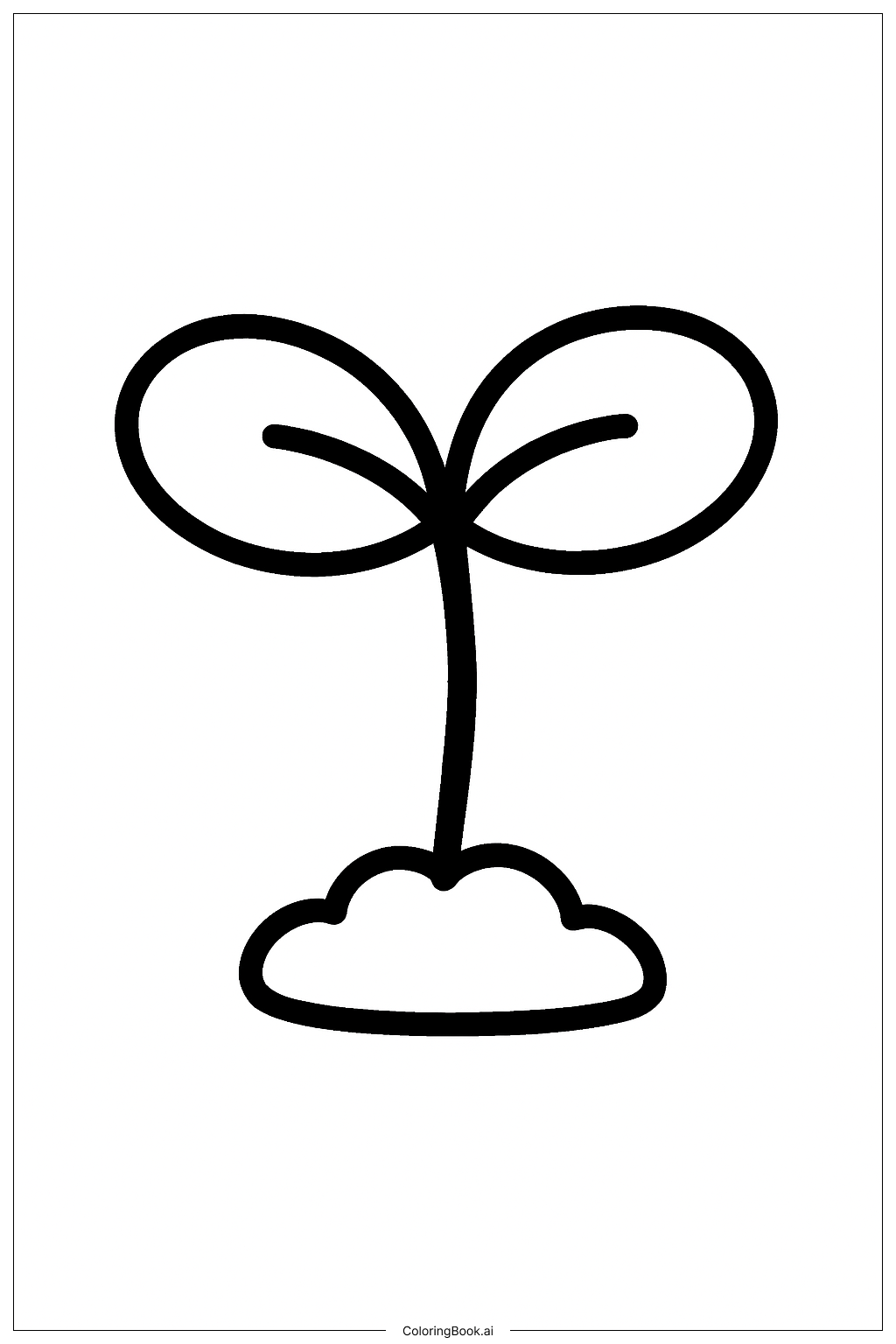
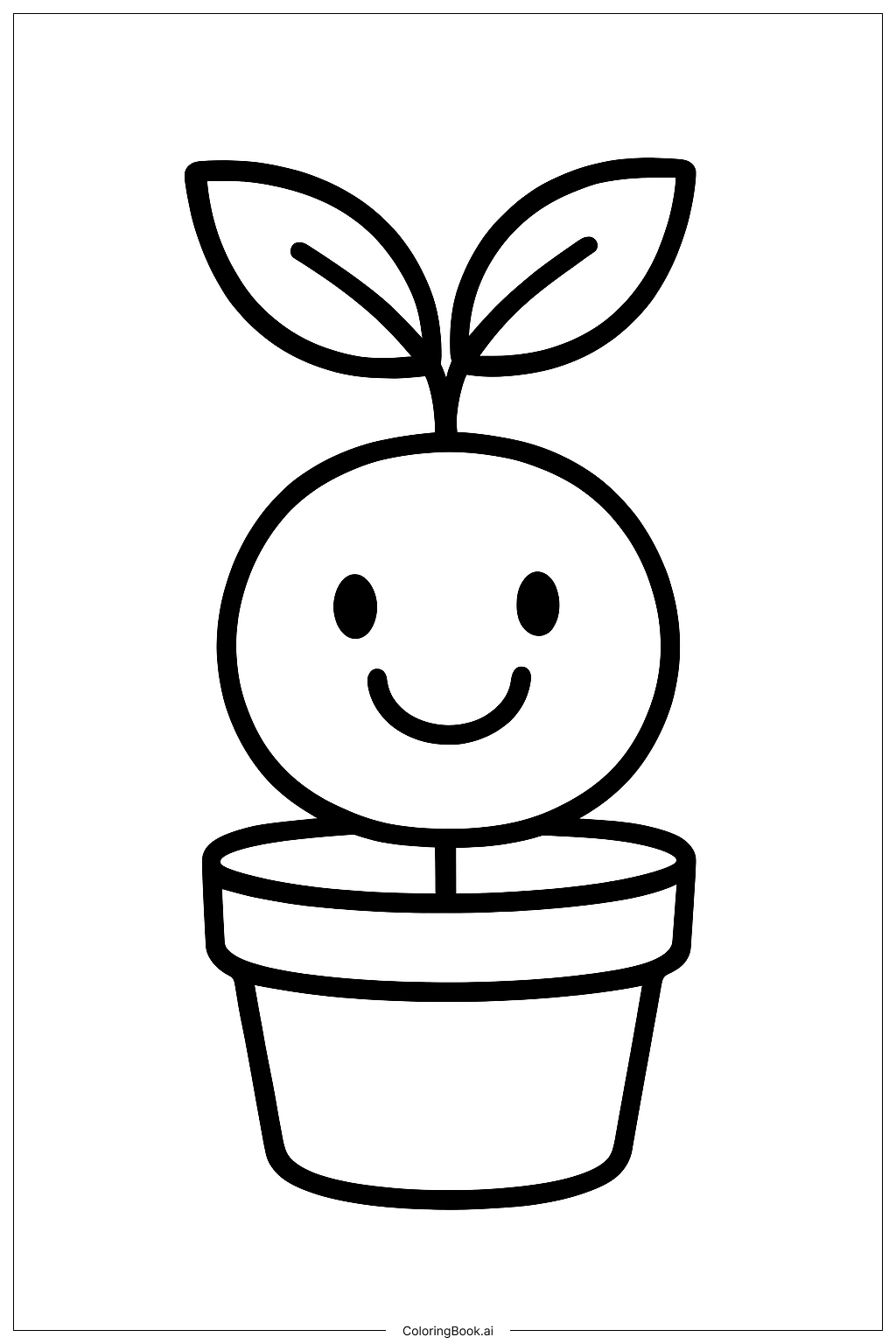
Other coloring pages related to Plant:
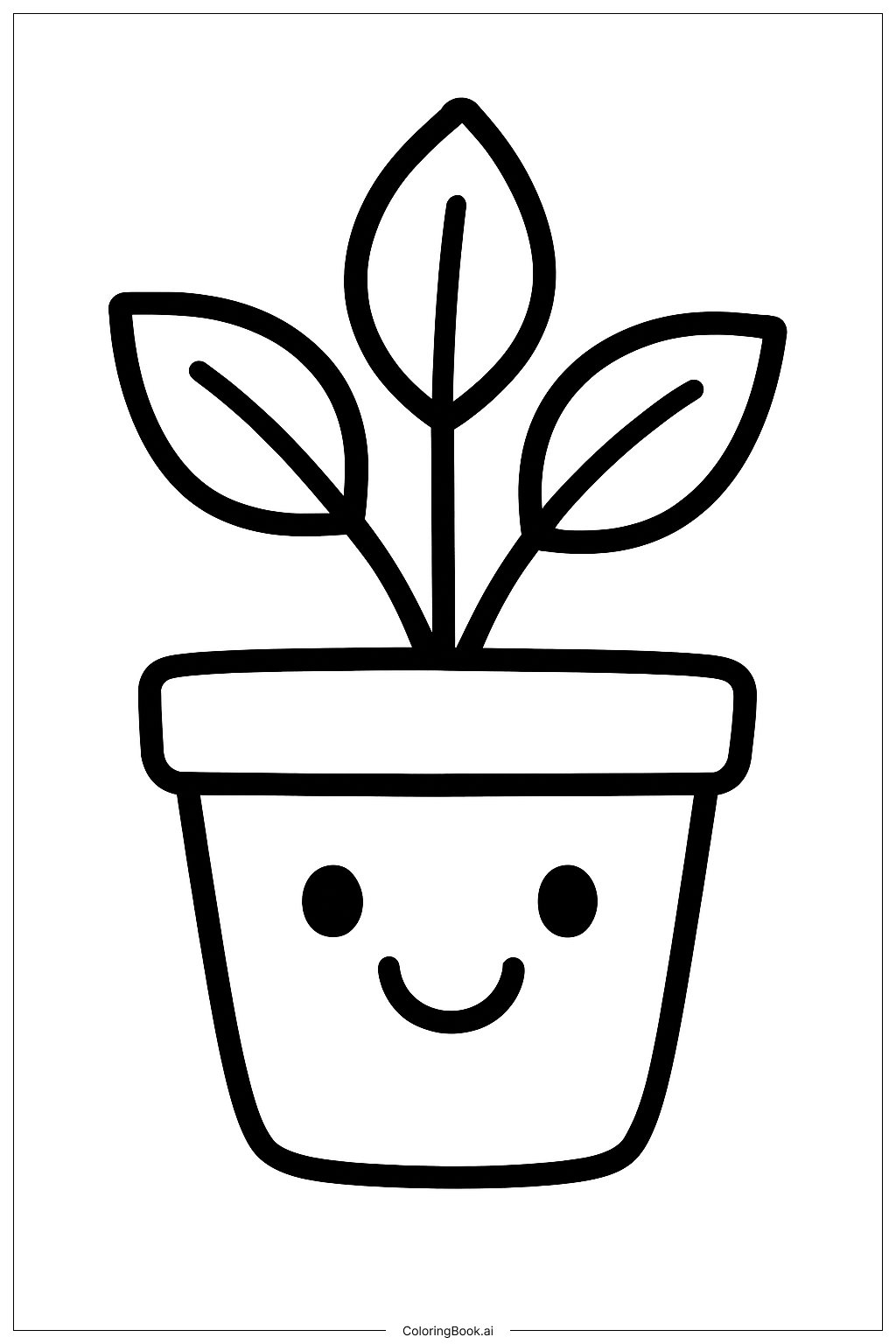
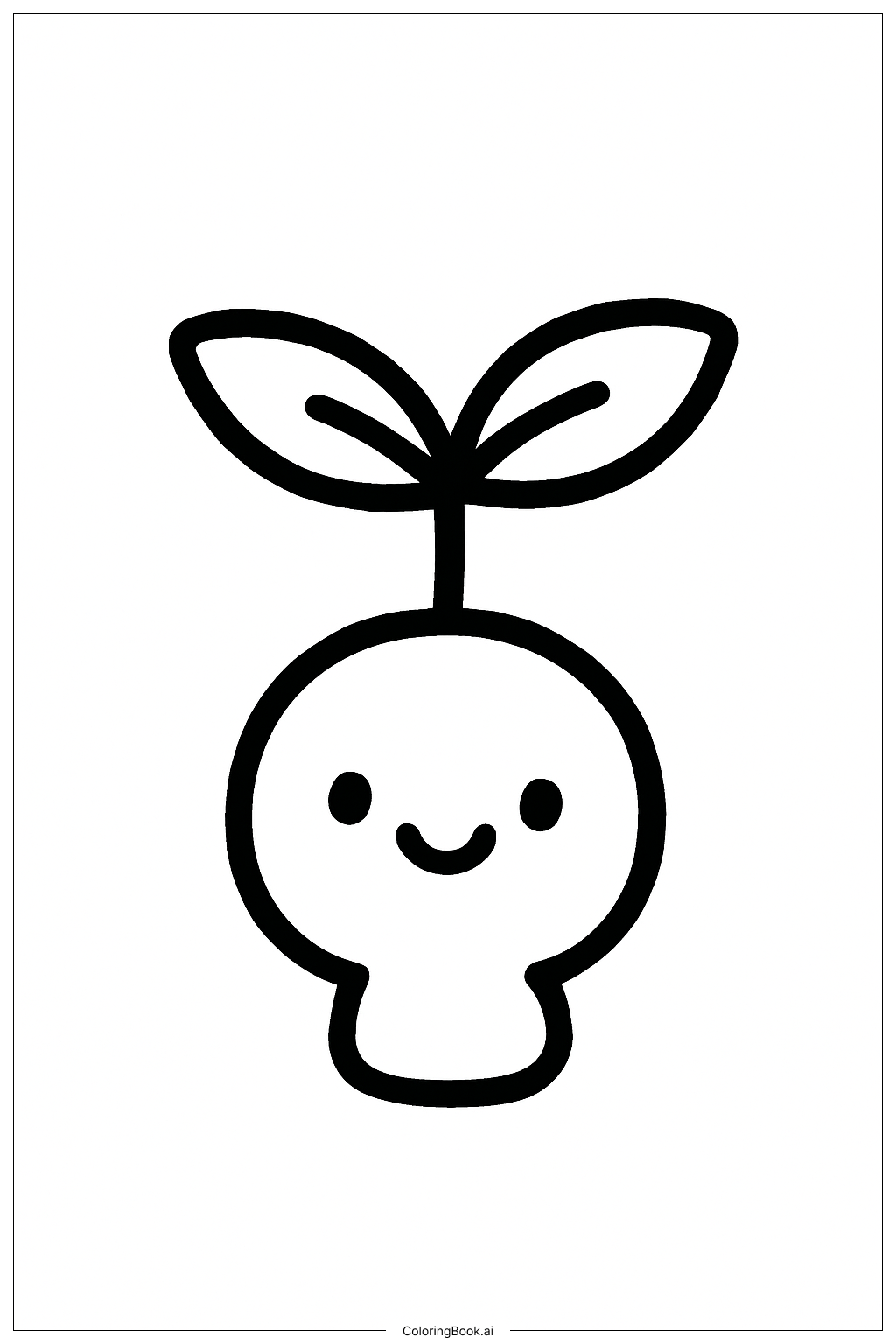
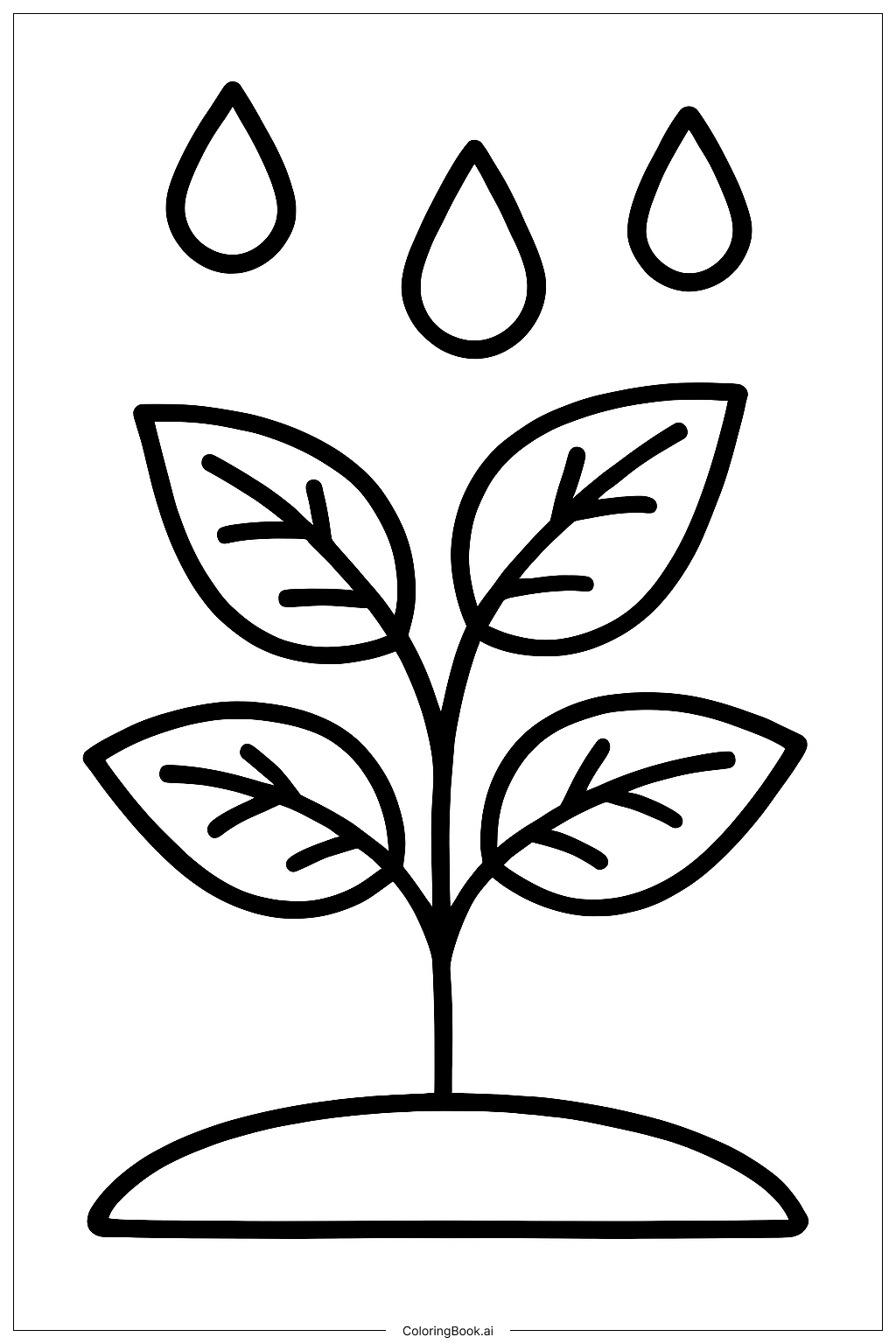
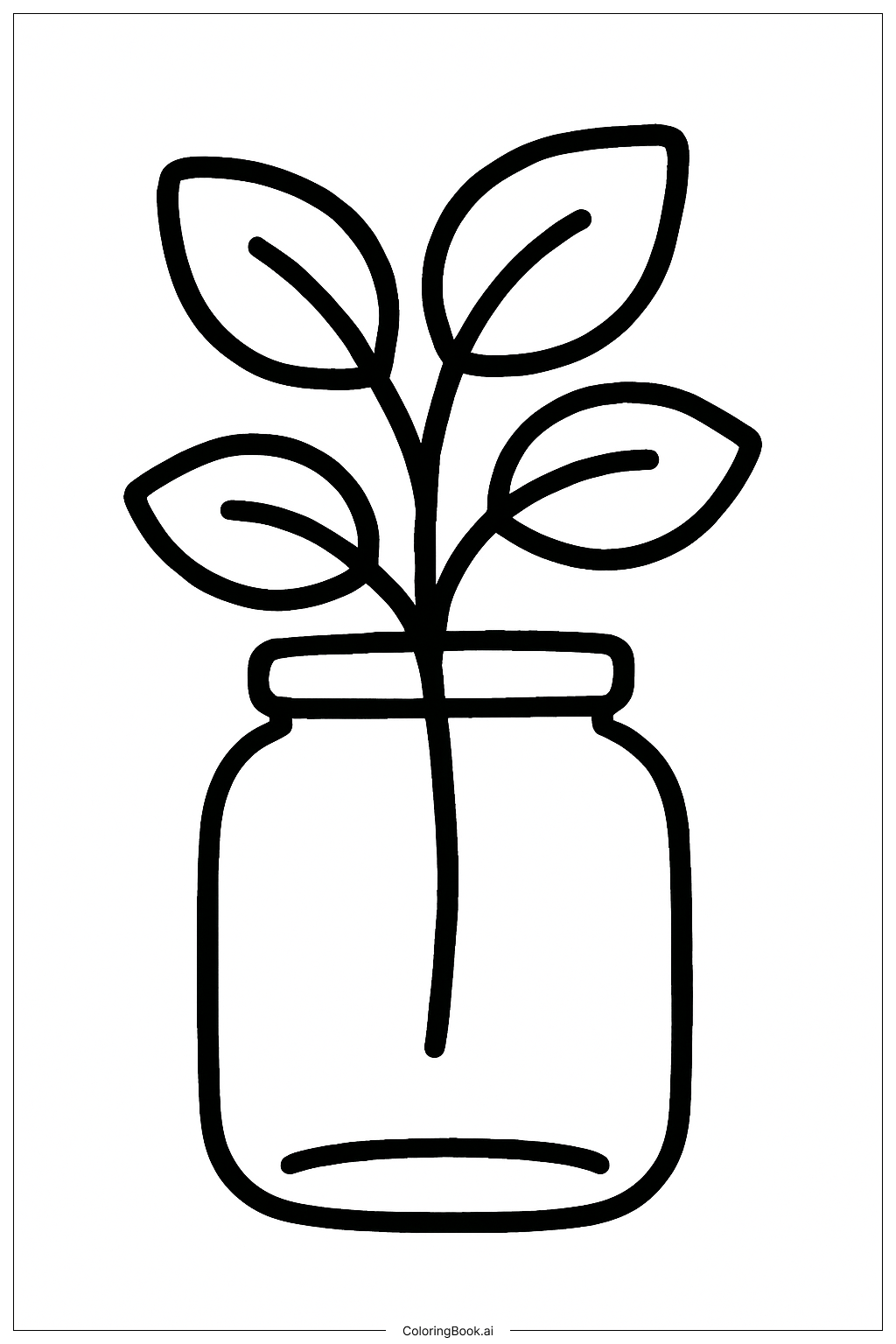
Turn Photo to Coloring Page
No design skills needed — just upload your image and get your custom Coloring Sheet ready in 10–30 seconds. Download instantly in PNG or PDF format, completely Free. Our simple, one-click workflow and batch generation mode save you hours of manual work — so you can focus on what really matters: creativity.

20 Printable Plant Coloring Pages For Teens (Free PNG & PDF Download)
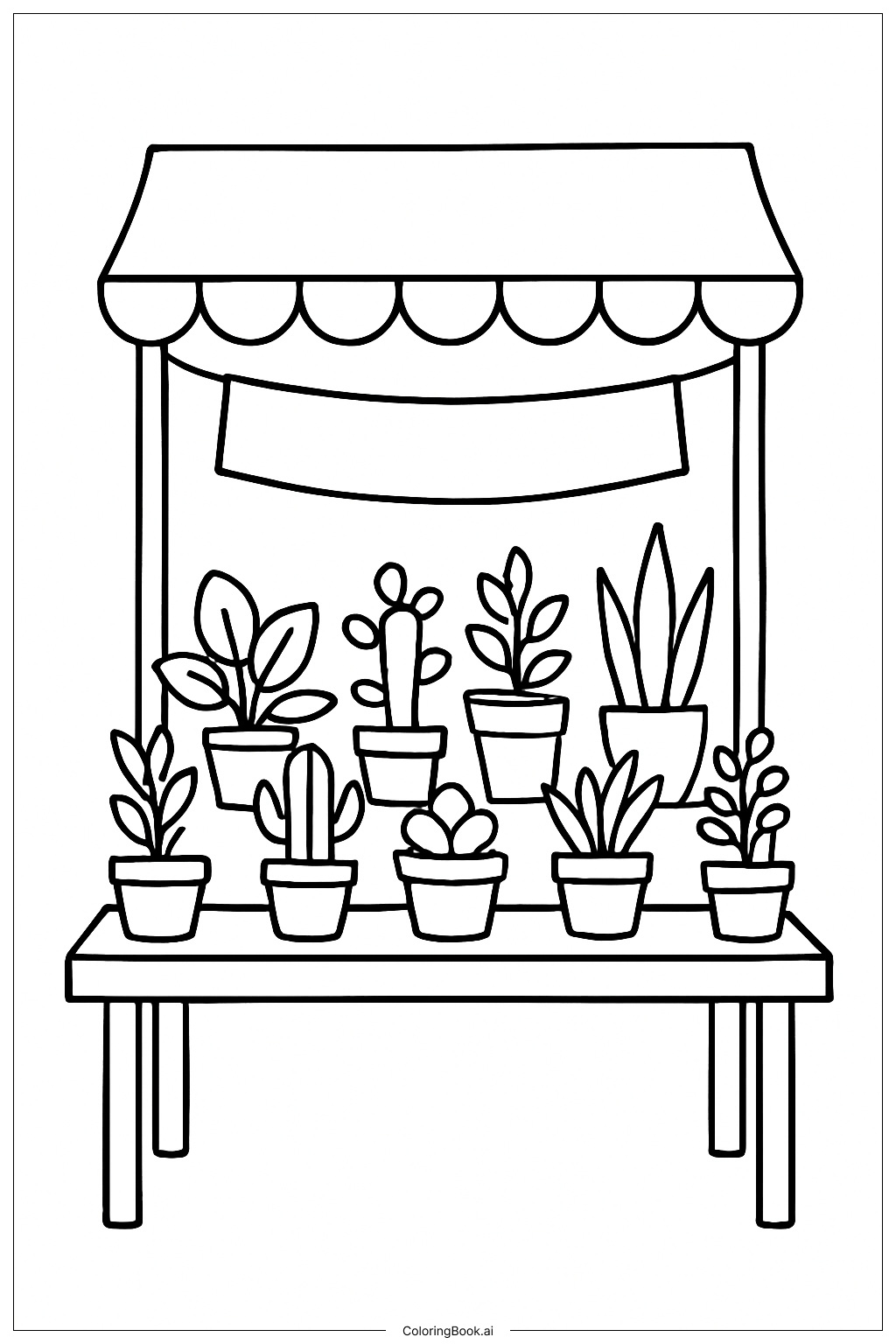
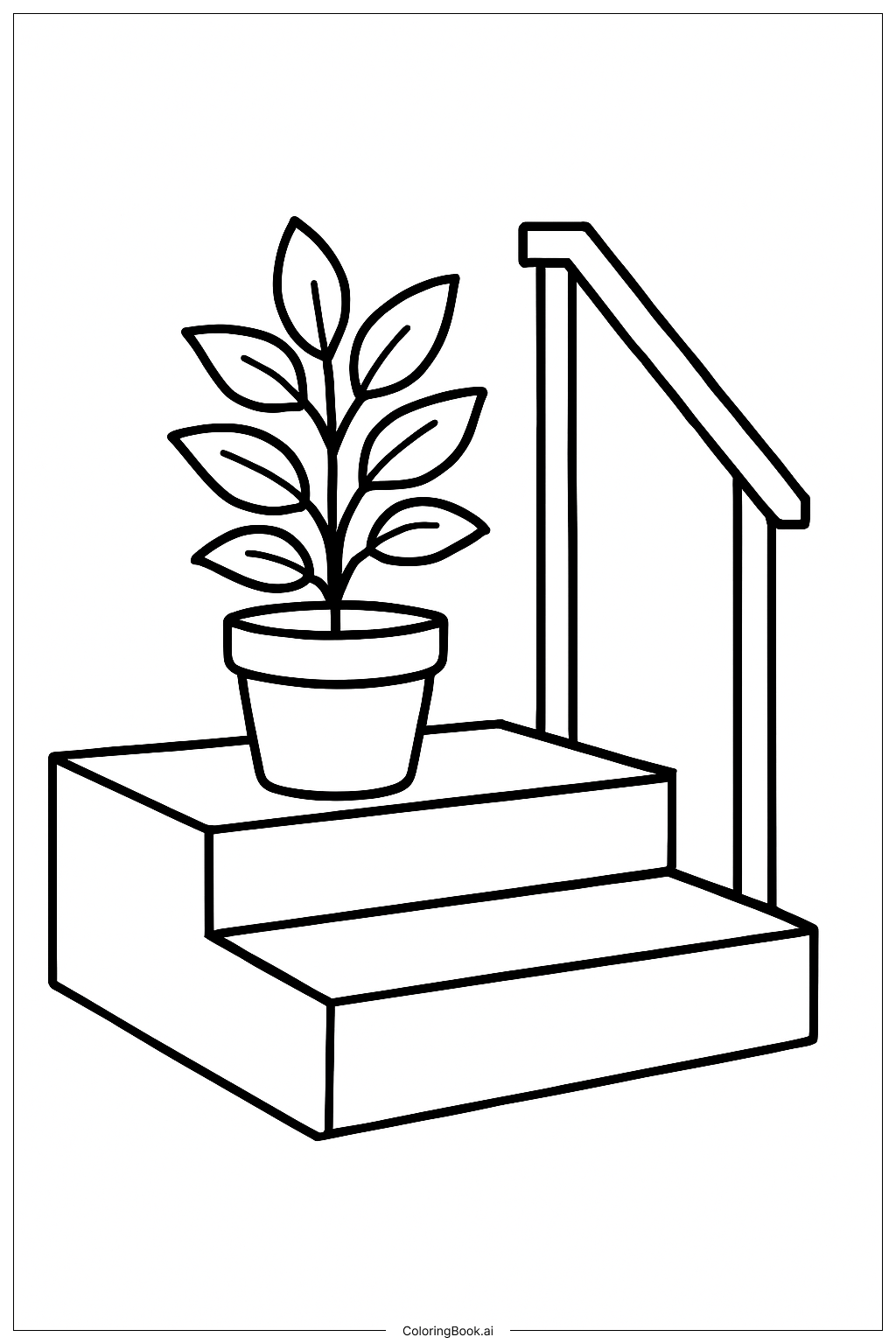
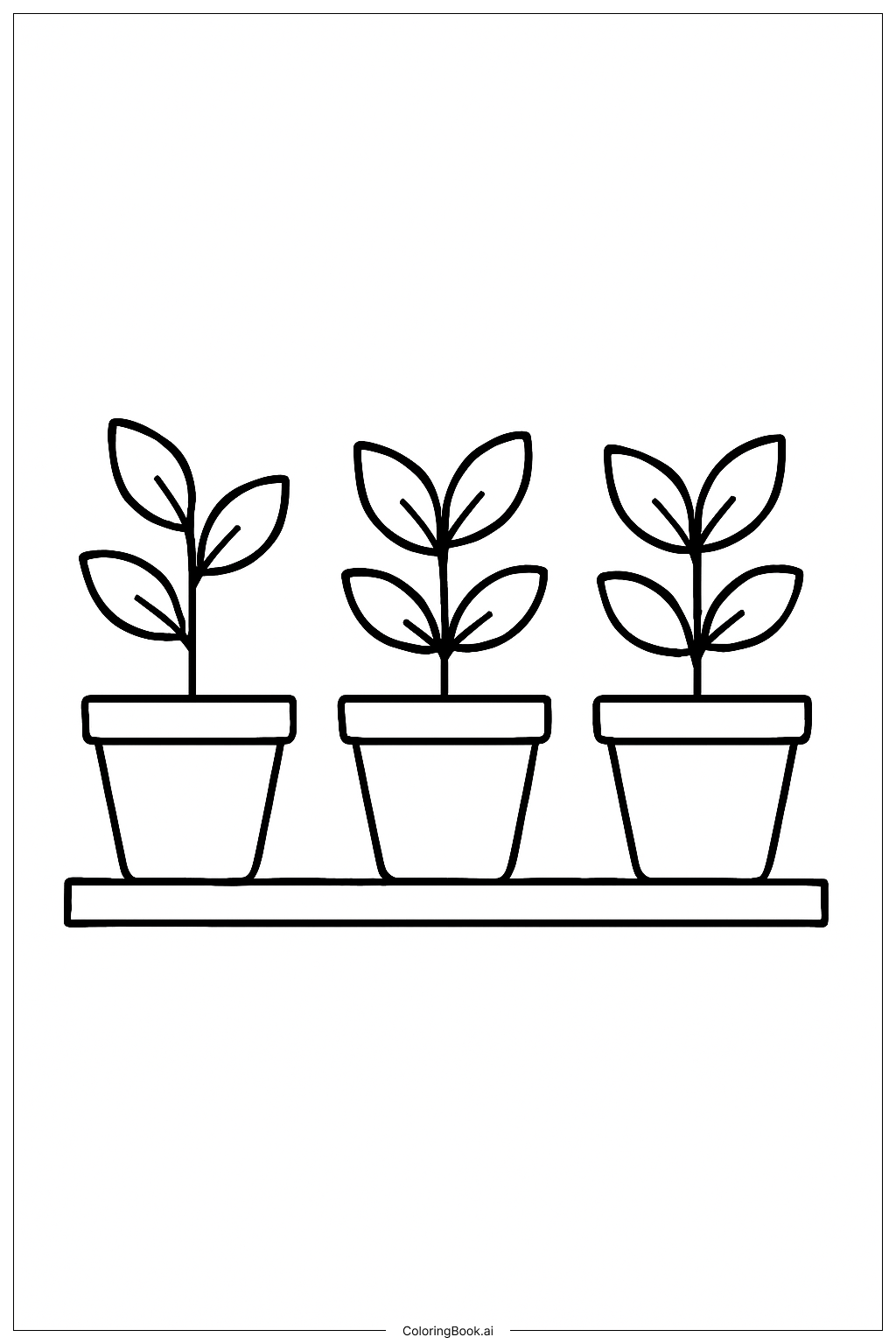
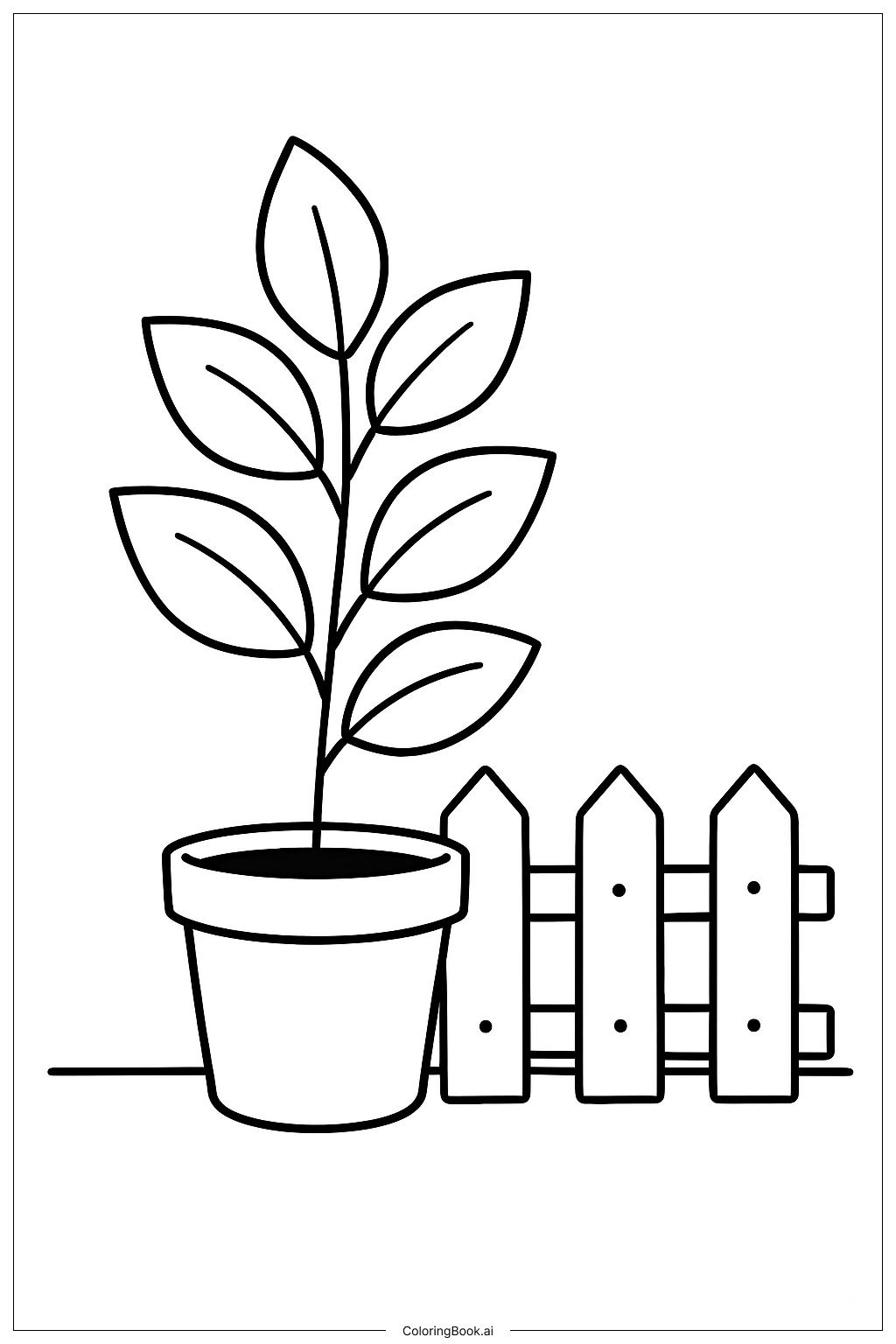
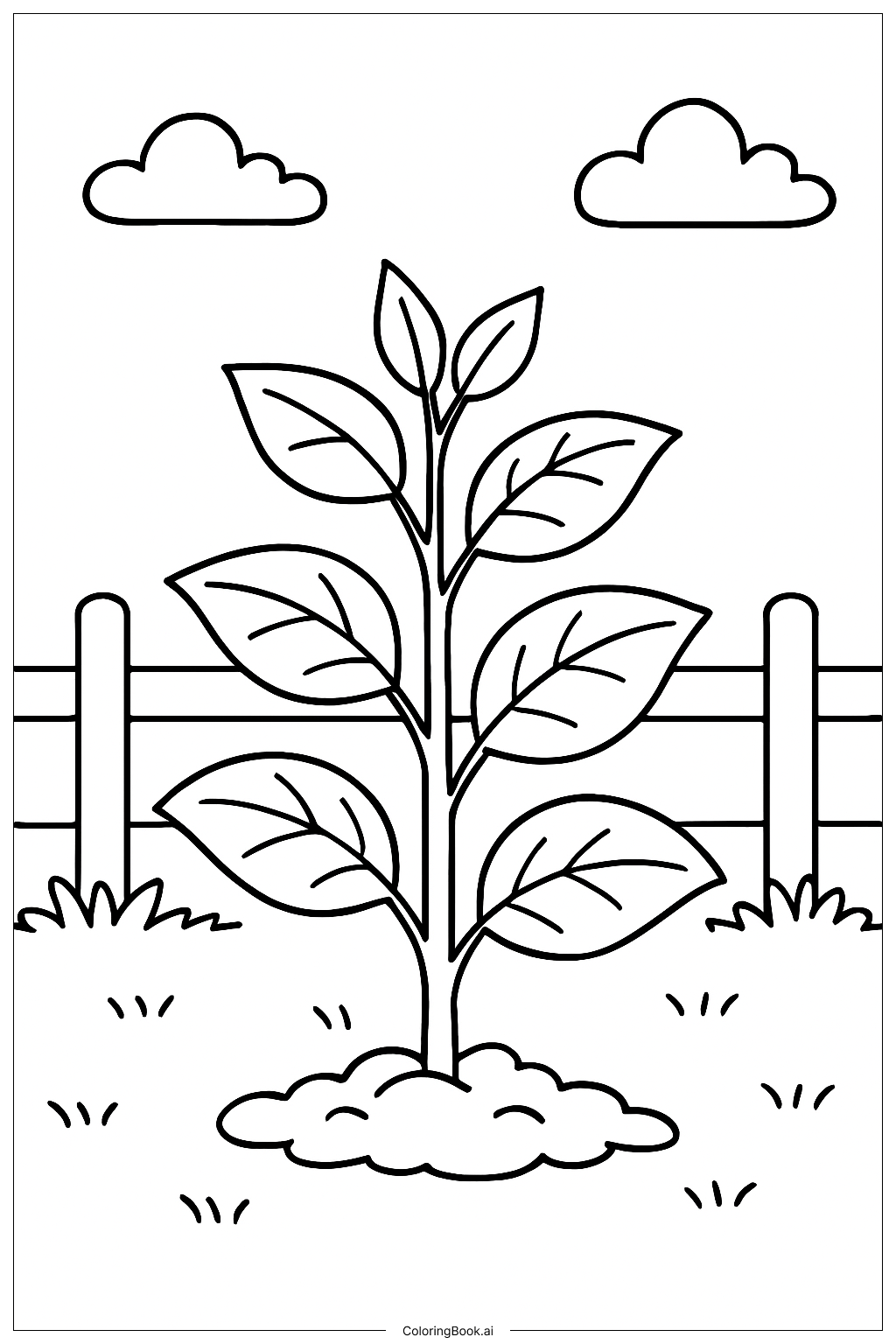
The Plant Market Stand set brings some seriously cool plant-inspired art to the table — detailed enough to be a real creative challenge, but totally approachable. There are 20 printable designs here, free to download, and they work great for both boys and girls who want to level up their coloring skills. Try layering your colored pencils for some genuinely stunning results.
Download your Free Printable PNG or PDF pages and start the fun!
What is Plant?
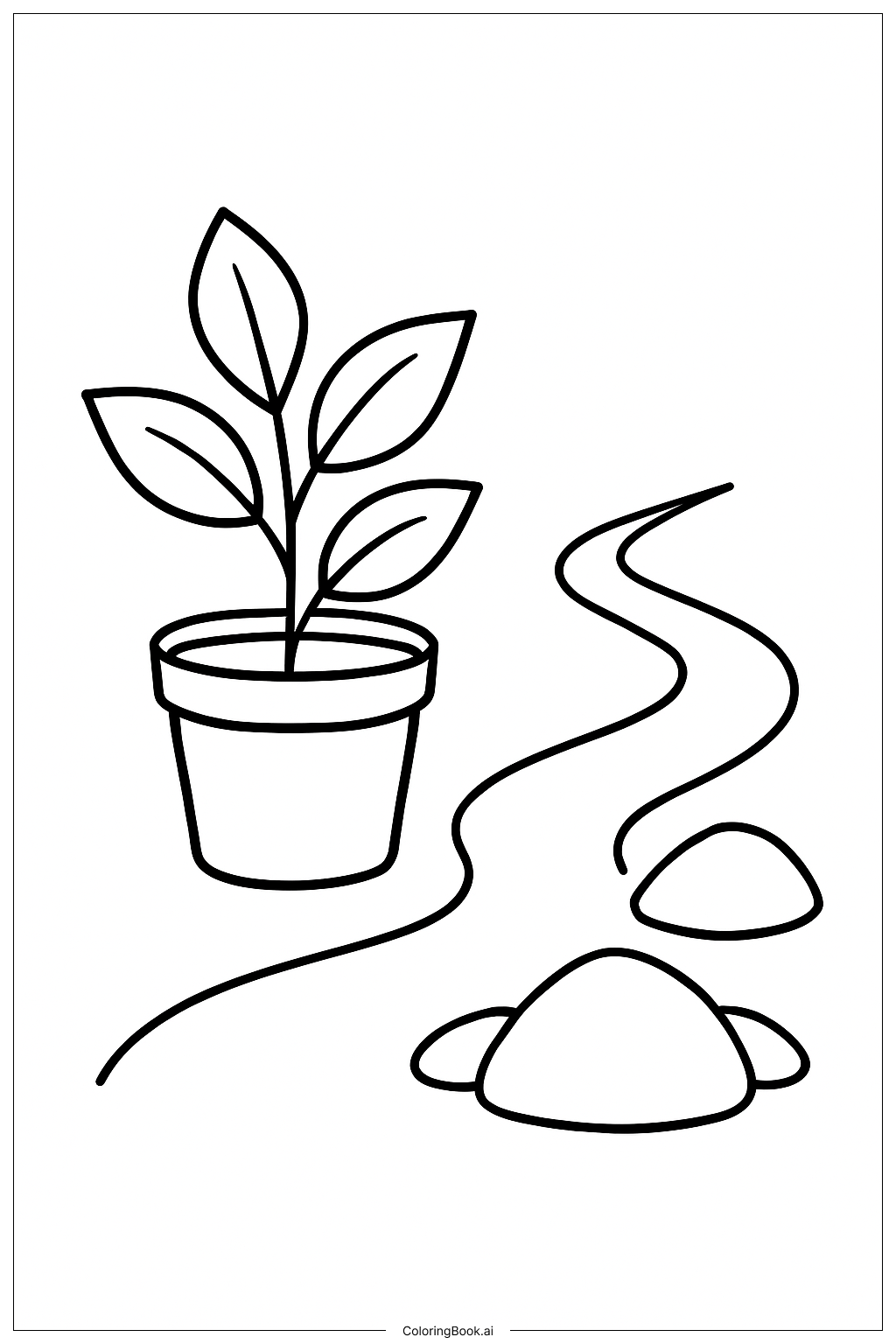
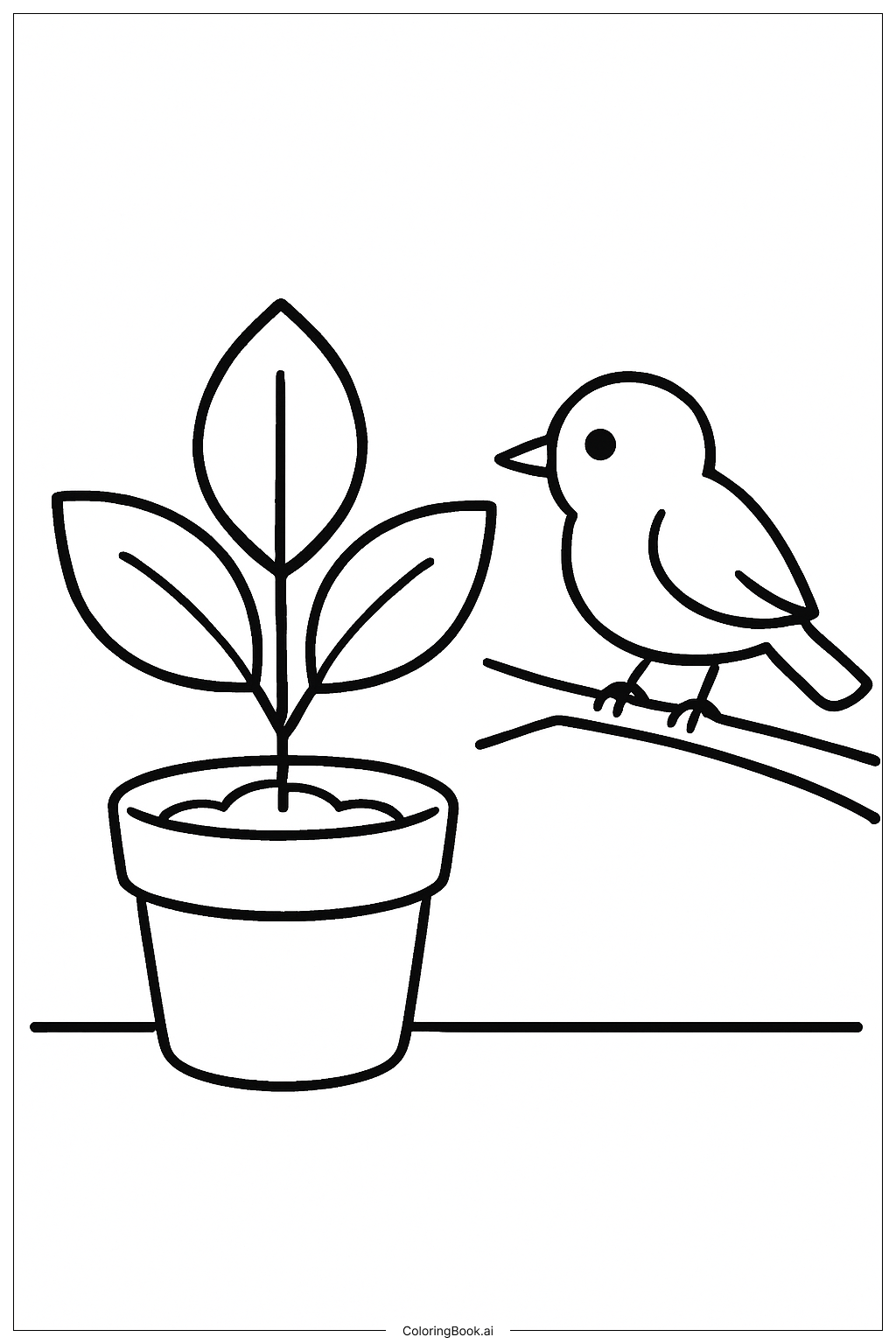
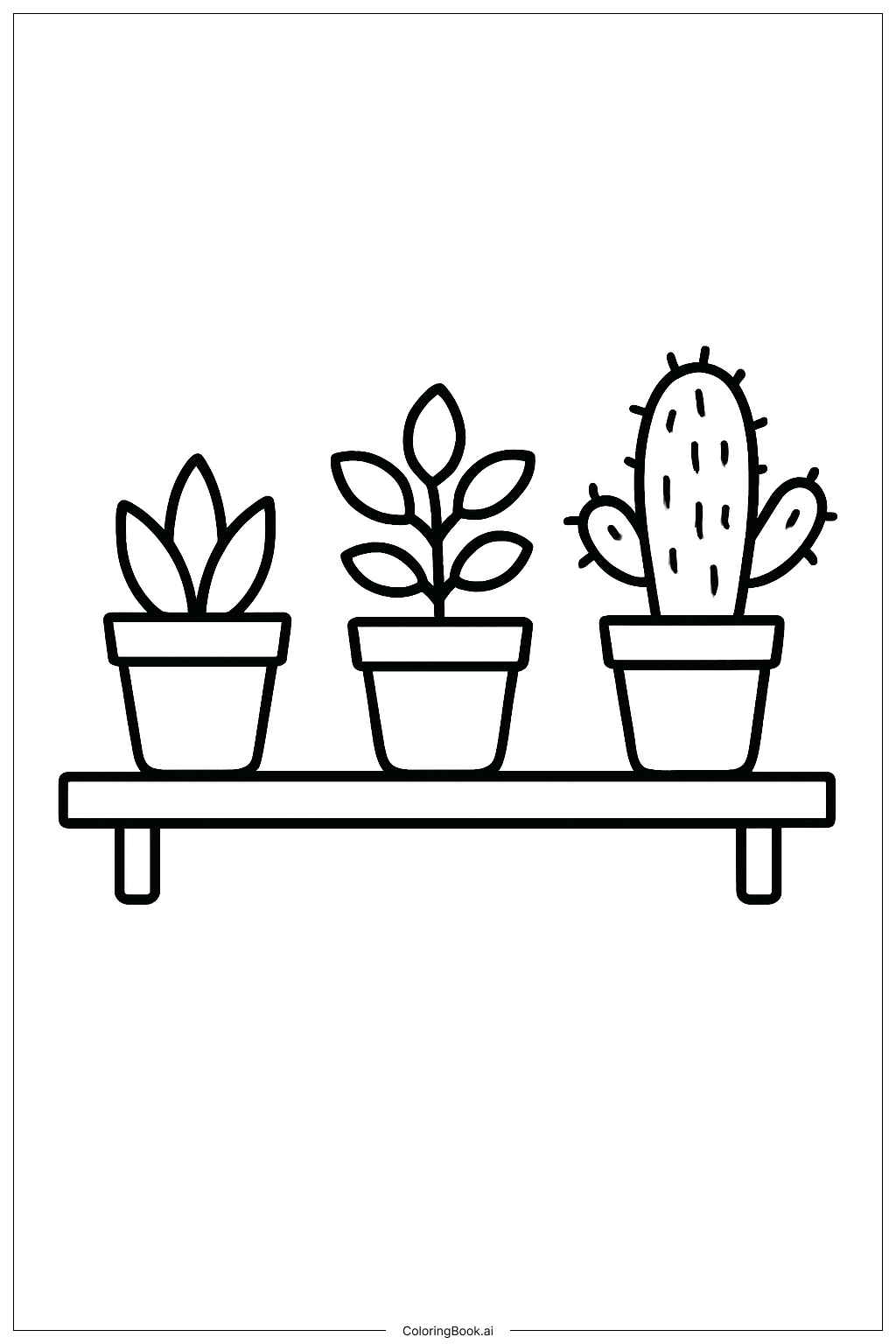
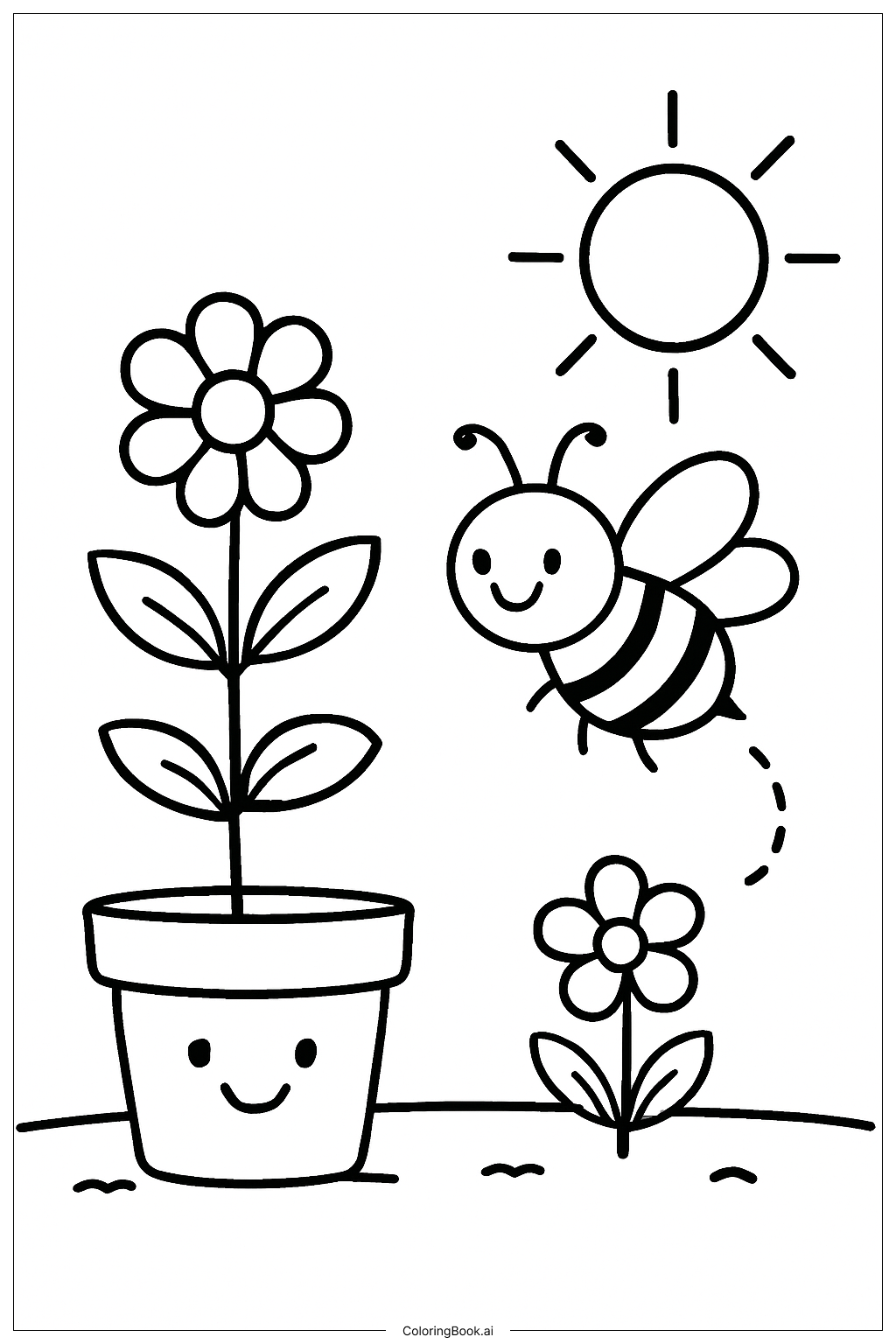
Plants are one of nature's most beloved subjects — and it's no surprise that plant coloring pages have become a favorite for kids, teens, and adults alike. From towering sunflowers and delicate ferns to prickly cacti and lush tropical leaves, the plant world offers endless shapes, textures, and colors to explore on paper.
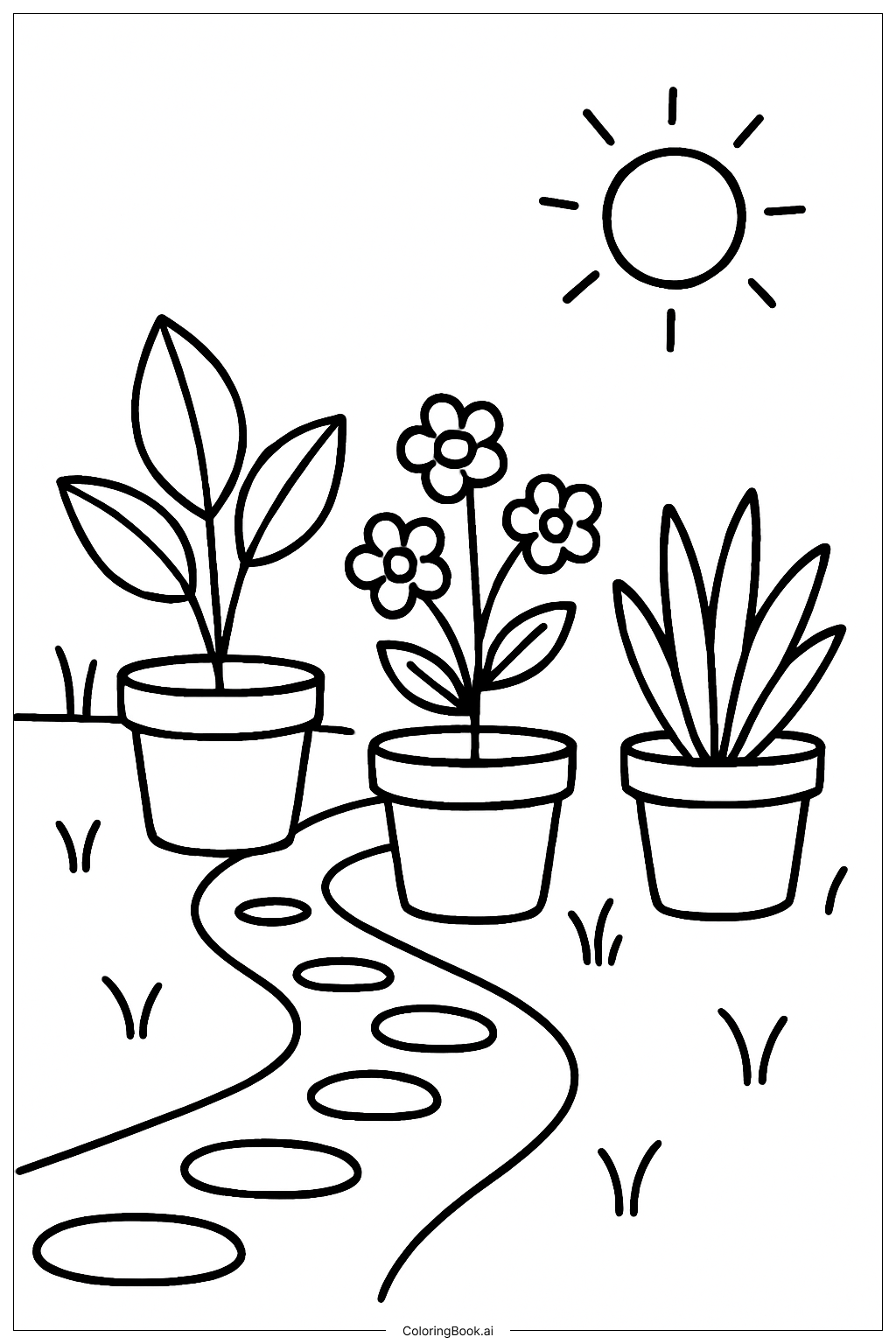
Plant coloring pages span a wide range of styles and complexity. Younger children gravitate toward simple, bold outlines of flowers, potted plants, and friendly cartoon trees. Older kids and teens enjoy more detailed botanical illustrations featuring layered petals, intricate leaf patterns, and garden scenes. Adults often seek out highly detailed plant designs — think mandala-inspired floral arrangements, realistic succulents, or sweeping jungle foliage — that turn coloring into a meditative, creative practice.
The theme covers an enormous variety of content. There are pages featuring everyday garden plants like roses, daisies, and tulips; wild plants like ferns, mosses, and vines; and exotic specimens like orchids, bird-of-paradise flowers, and towering palms. Vegetables and herbs — tomatoes, basil, lavender — make popular subjects too, especially for kids curious about where food comes from. Seasonal plant themes, such as cherry blossoms in spring or autumn leaves in fall, add variety throughout the year.
What makes plant coloring pages especially appealing is how naturally they blend creativity with a sense of calm. The organic forms, gentle curves, and natural symmetry of plants feel deeply satisfying to color. Whether someone is just picking up crayons for the first time or has years of experience with colored pencils and watercolors, there's a plant coloring page that's just right for them. It's a theme that truly grows with you.
How to color the Plant coloring page?
Plant coloring pages are full of natural beauty waiting to come to life. Here are some tips to make the most of every page.
**Common elements you'll find:**
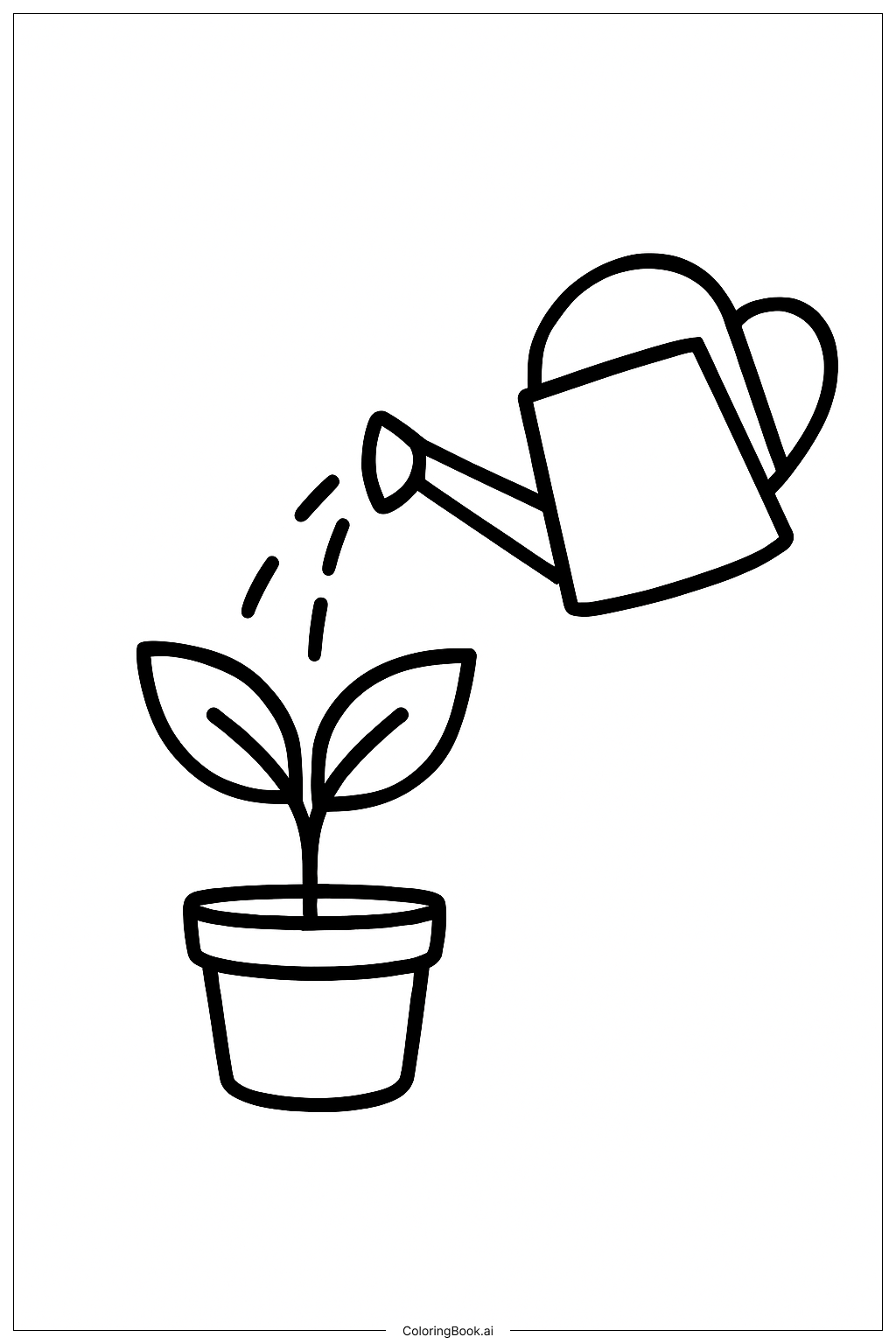
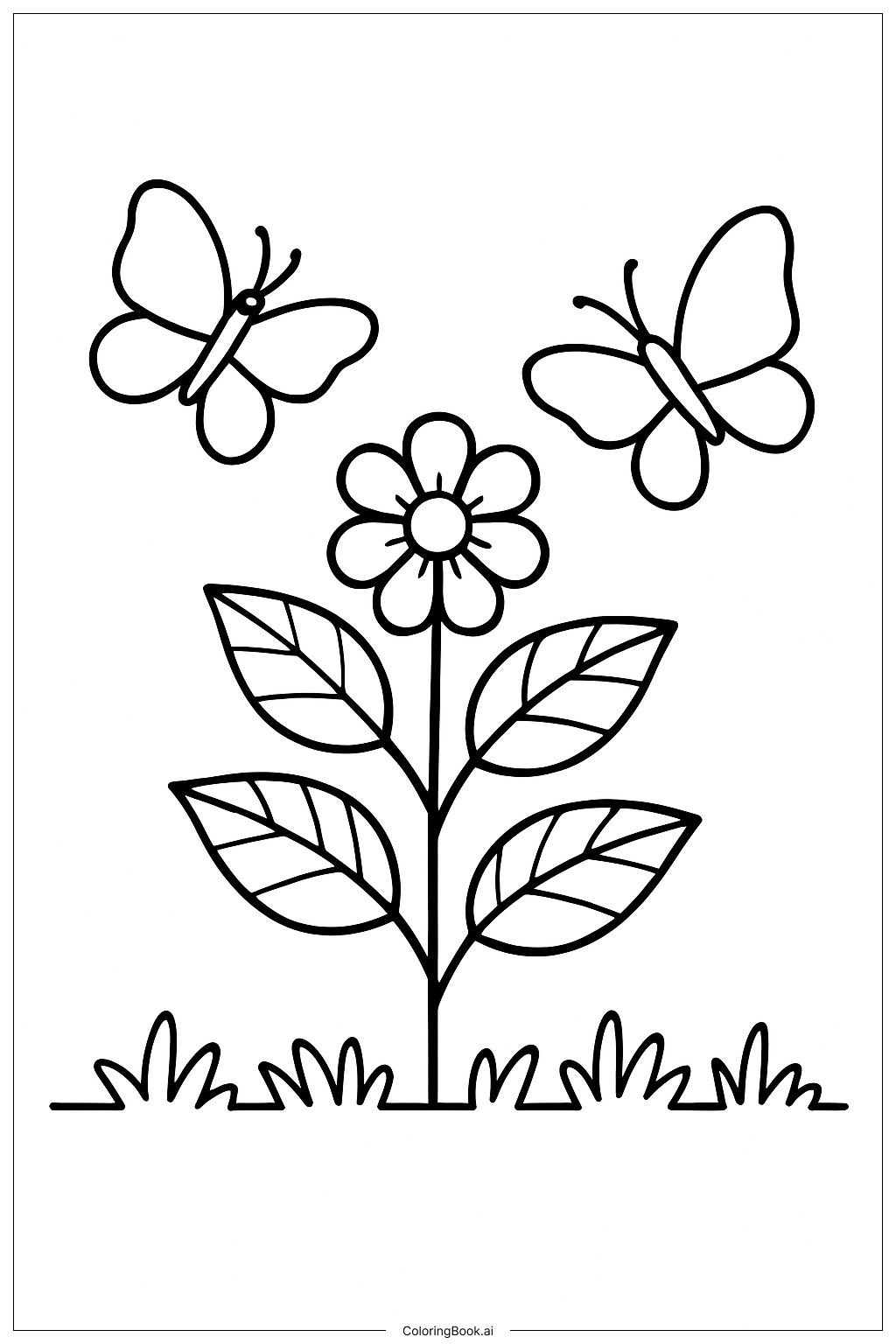
Plant coloring pages often feature flowers, leaves, stems, roots, seeds, and soil. Some pages include full garden scenes, pots, butterflies, bees, or watering cans alongside the plants.
**Color palette ideas:**
Green is the obvious starting point — but don't stop there. Use multiple shades of green (lime, forest, sage, olive) to give leaves depth. Flowers call for bold, joyful colors: sunny yellows, vivid pinks, deep purples, and warm oranges. Soil and pots work beautifully in earthy browns, terracottas, and warm tans. For a softer look, try pastel tones throughout the plant coloring pages.
**For younger children:**
Keep it simple and expressive. Big, thick outlines on plant coloring pages are perfect for little hands using crayons or chunky markers. Encourage kids to pick their favorite colors freely — a blue rose or a purple tree trunk is totally fine! The goal is fun and confidence.
**For tweens and teens:**
Try blending two or three colors within a single leaf or petal. Colored pencils work great for this. Experiment with light and shadow — add a darker shade along the edges of leaves and a lighter tone toward the center. Plant coloring pages with botanical detail reward patience and careful work.
**For adults:**
Consider using watercolor pencils or fine-tipped markers on plant coloring pages for a polished, gallery-worthy result. Try a limited color palette — for example, all warm tones or all cool tones — for a cohesive, artistic feel. Adding white gel pen highlights can give petals and leaves a luminous, almost three-dimensional glow.
**General tip:** Work from background to foreground — color the soil or background leaves first, then move to the focal flower or main plant. This layered approach makes the whole composition feel balanced and intentional.
8 DIY creative ideas for Plant coloring pages
**Framed Botanical Print (Ages 5–15)** — Once a plant coloring page is finished, it makes a gorgeous piece of wall art. Younger children can trim around their design with safety scissors and mount it on a contrasting piece of cardstock. Older kids can use a real picture frame. A collection of framed plant coloring pages arranged in a grid creates a beautiful botanical gallery wall for a bedroom or playroom.
**Paper Flower Bouquet (Ages 4–12)** — Cut out individual flowers and leaves from finished plant coloring pages. Roll or curl the petals gently around a pencil to give them dimension. Attach each flower to a green pipe cleaner or painted wooden skewer as a stem. Bundle several together with a ribbon for a paper bouquet that never wilts. Younger kids can keep it simple with flat shapes; older kids can layer petals for a more realistic 3D effect.
**Greeting Cards & Gift Tags (Ages 5–15)** — Cut small motifs — a single flower, a leaf cluster, a little cactus — from completed plant coloring pages. Glue them onto folded cardstock to make personalized greeting cards, or punch a hole in a smaller piece to create a gift tag. This is a wonderful way to use pages that have been colored beautifully but might otherwise just sit in a folder.
**Decoupage Pots (Ages 7–15)** — Tear or cut finished plant coloring pages into small pieces. Use decoupage glue (Mod Podge works perfectly) to layer these pieces onto a plain terracotta pot or a glass jar. Seal with a final coat once dry. The result is a one-of-a-kind planter — extra special when you then plant a real seedling inside it. This craft combines plant coloring pages with actual plant care in the most satisfying way.
**Bookmarks (Ages 4–10)** — Cut a long rectangle from a finished plant coloring page — roughly 2 inches wide and 7 inches tall. Laminate it at a local print shop, or cover both sides with clear packing tape as a DIY lamination method. Punch a hole at the top and thread through a ribbon or tassel. These bookmarks make thoughtful, handmade gifts, and younger kids especially love seeing their artwork used every day.
**Collage Scene (Ages 4–12)** — Collect several finished plant coloring pages over time. Cut out individual elements — a flower here, a leaf there, a butterfly from one page — and arrange them together on a large sheet of paper or poster board to create an entirely new garden scene. Add hand-drawn details like a fence, a garden path, or a bee. This open-ended craft encourages imagination and storytelling.
**Nature-Themed Mobile (Ages 6–14)** — Cut out leaves, flowers, and other shapes from plant coloring pages. Laminate them or back them with cardstock for sturdiness. Use a hole punch and varying lengths of string to hang each piece from a wooden dowel or a sturdy twig. Balance the weight on both sides and hang the finished mobile near a window. The gentle movement adds a living quality that feels perfect for a plant theme.
**Seed Packet Envelopes (Ages 8–15)** — Fold and glue a finished plant coloring page into a small envelope shape — instructions are easy to find online. Use these handmade envelopes to store and gift real seeds. Label the front with the seed type using a marker or sticker. It's a craft that connects directly to the theme: plant coloring pages becoming the packaging for actual plants. Great for science projects or springtime gifting.
Turn Simple Text to Coloring Page
Forget complex AI prompts or design know-how. Simply enter the name of what you want — "cat," "castle," or "princess" — and our AI instantly creates a beautiful Coloring Sheet for you. No learning curve, no setup, just pure creativity. Perfect for beginners, teachers, and creators who want results in seconds.
Start your 4 Pages free trial. Cancel anytime.