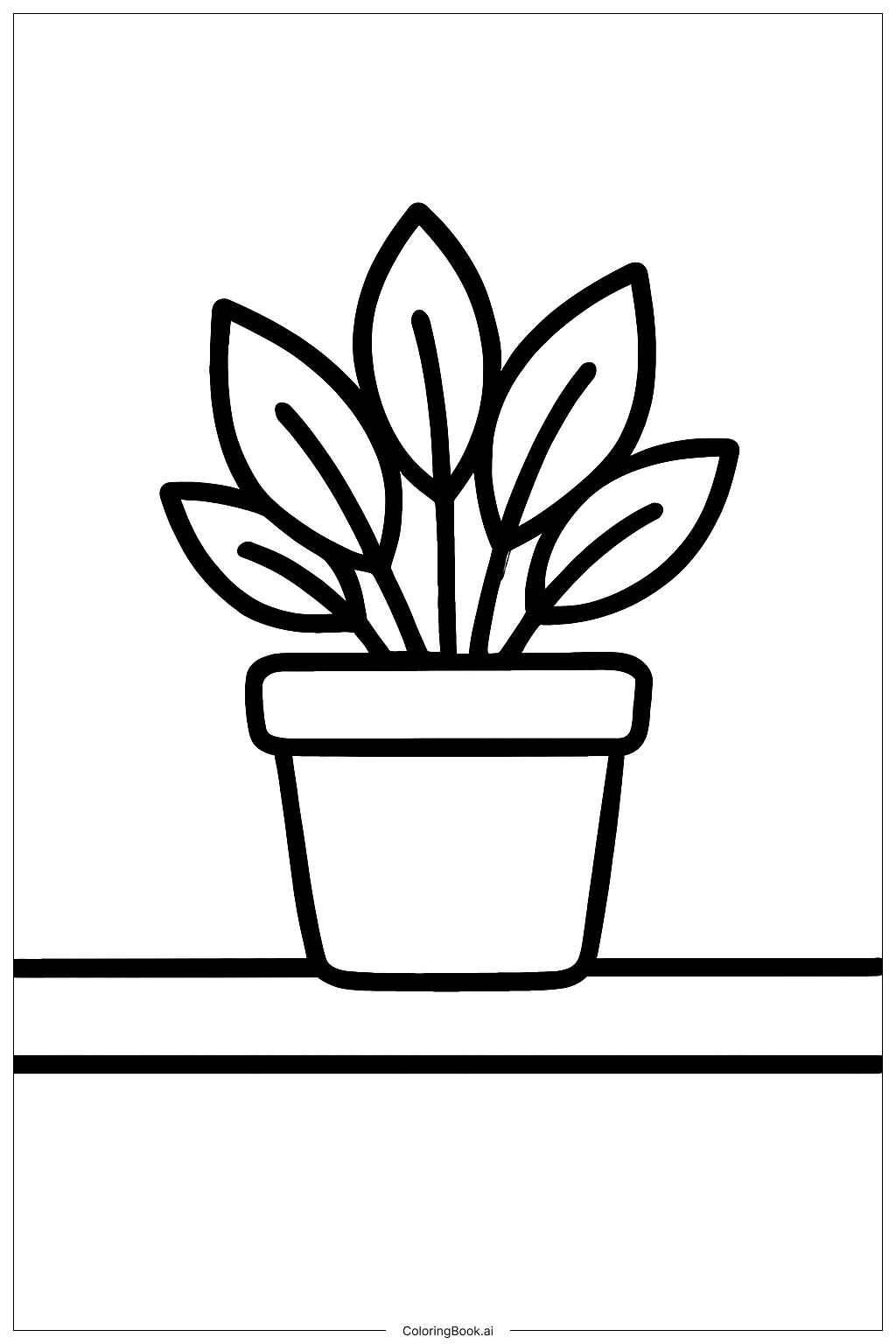
Coloring tips: How to color Plant on Windowsill coloring page well?
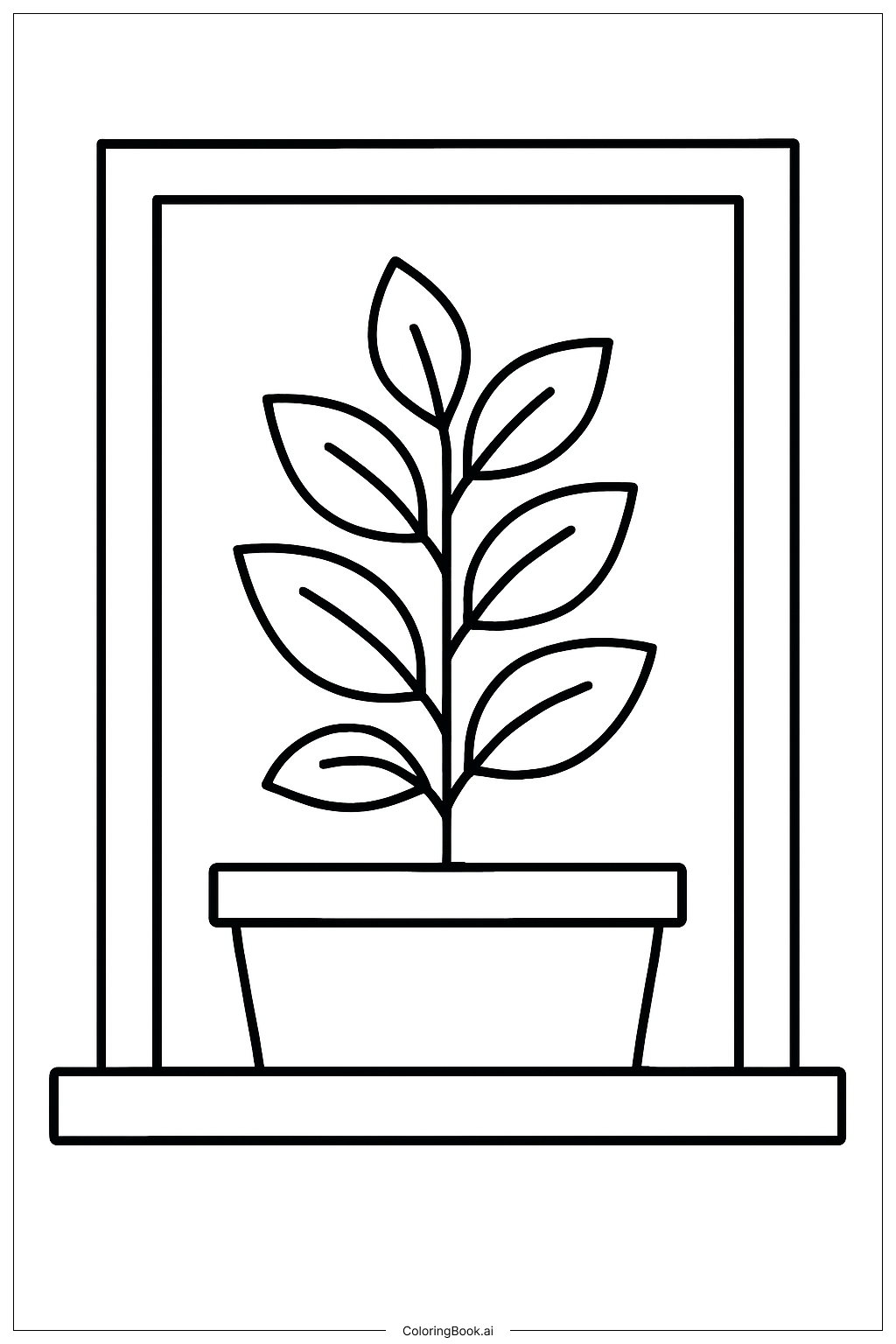
For a bright and cheerful look, use various shades of green for the leaves. You can choose a dark green for the base and lighter greens for shading. The pot can be colored in earthy tones like brown or terracotta. Try adding some bright colors to the background, like a sunny yellow or soft blue to represent the sky. Don't forget to make the windowsill a nice wooden color! Layering different colors can add depth and texture to your artwork. Let your creativity run wild!
Coloring challenges: Which parts are difficult to color and need attention for Plant on Windowsill coloring page?
1. **Leaf Shapes**: The leaves have various shapes, which can be tricky. Some might be pointy while others are round. Kids may find it challenging to color them without going outside the lines. 2. **Shading**: Adding depth with shading might be hard for beginners. They may struggle to understand where to lighten or darken their colors. 3. **Color Choices**: Choosing the right colors to complement each other can be difficult. Kids may want to use their favorite colors, but they might not blend well. 4. **Pot Textures**: The pot can have textures that require different color techniques. Kids will need practice to make it look realistic. 5. **Background Elements**: Since the background is simple, kids might find it hard to decide whether to add more elements or keep it plain. This can lead to confusion about their design choice.
Benefits of coloring books: Advantages of drawing Plant on Windowsill coloring page
Coloring this plant illustration can provide many benefits! First, it encourages creativity. Kids can use any colors they like, making their artwork unique. Next, it helps improve fine motor skills. Coloring with different tools, like colored pencils or markers, strengthens hand muscles. Additionally, it promotes relaxation. Coloring can be a calming activity, helping kids unwind after school. This activity also teaches focus and concentration. Children must pay attention to detail as they color within the lines. Finally, it fosters a love for nature. By coloring a plant, kids learn to appreciate the beauty of the natural world.