Coloring tips: How to color Plant and Garden Path coloring page well?
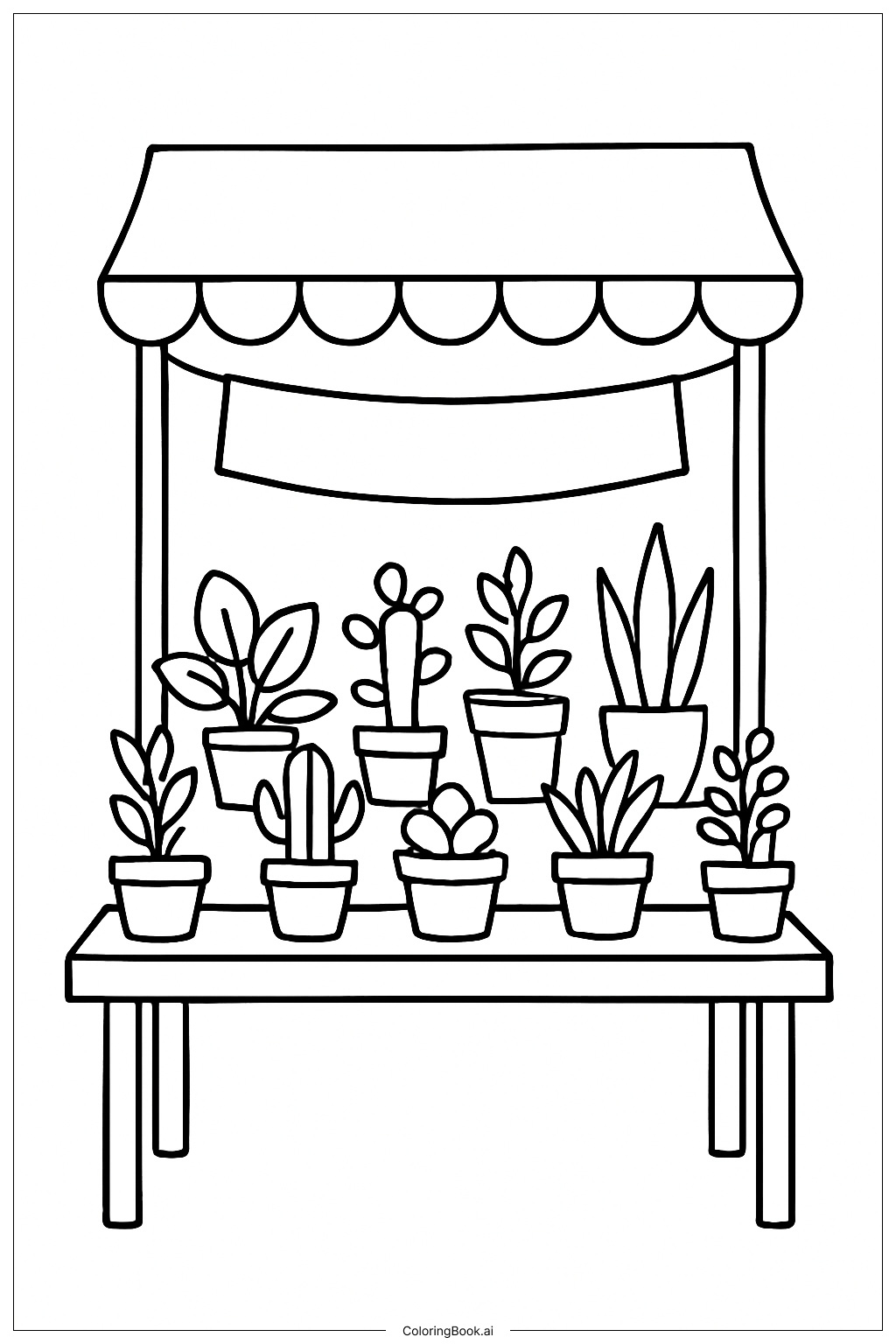
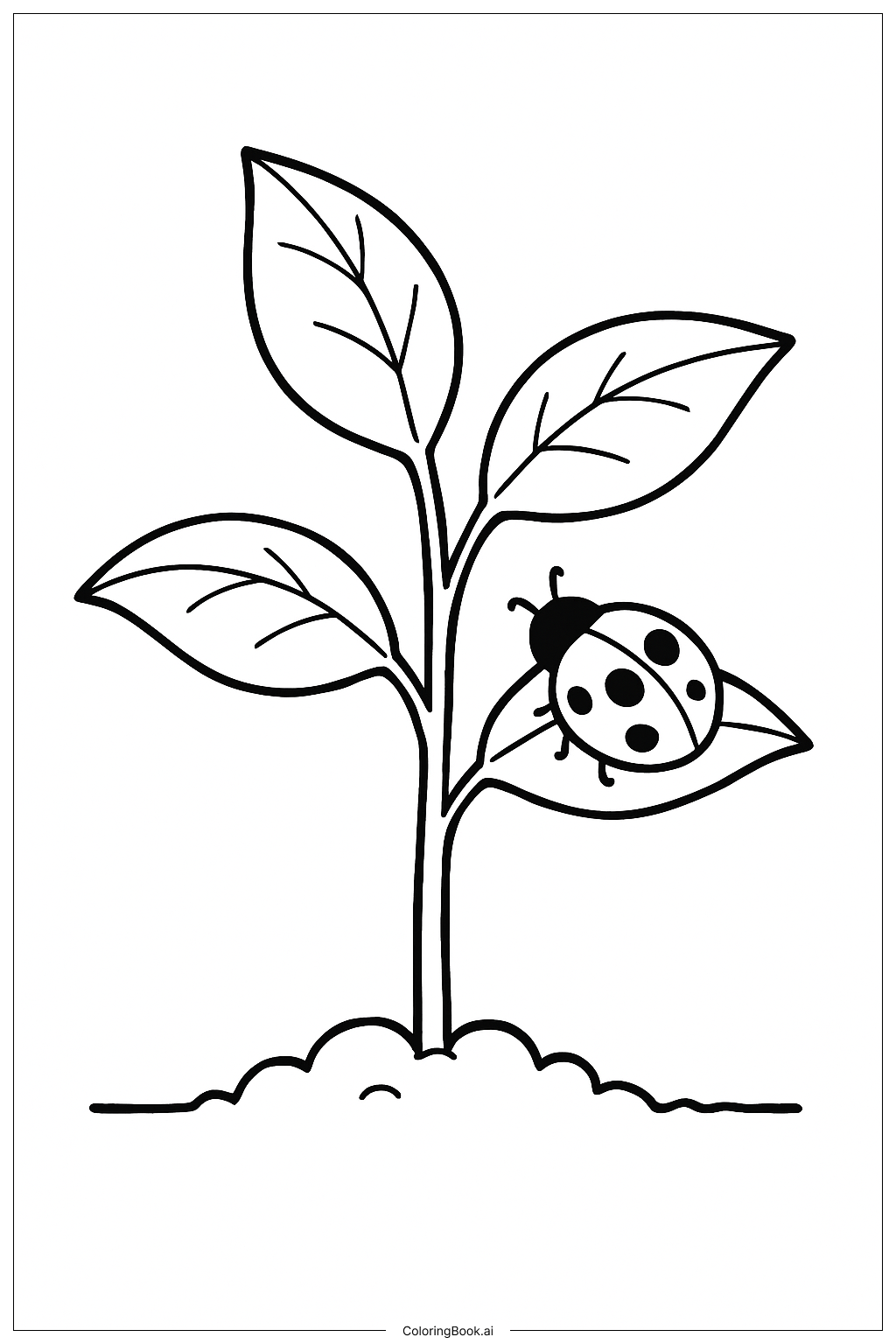
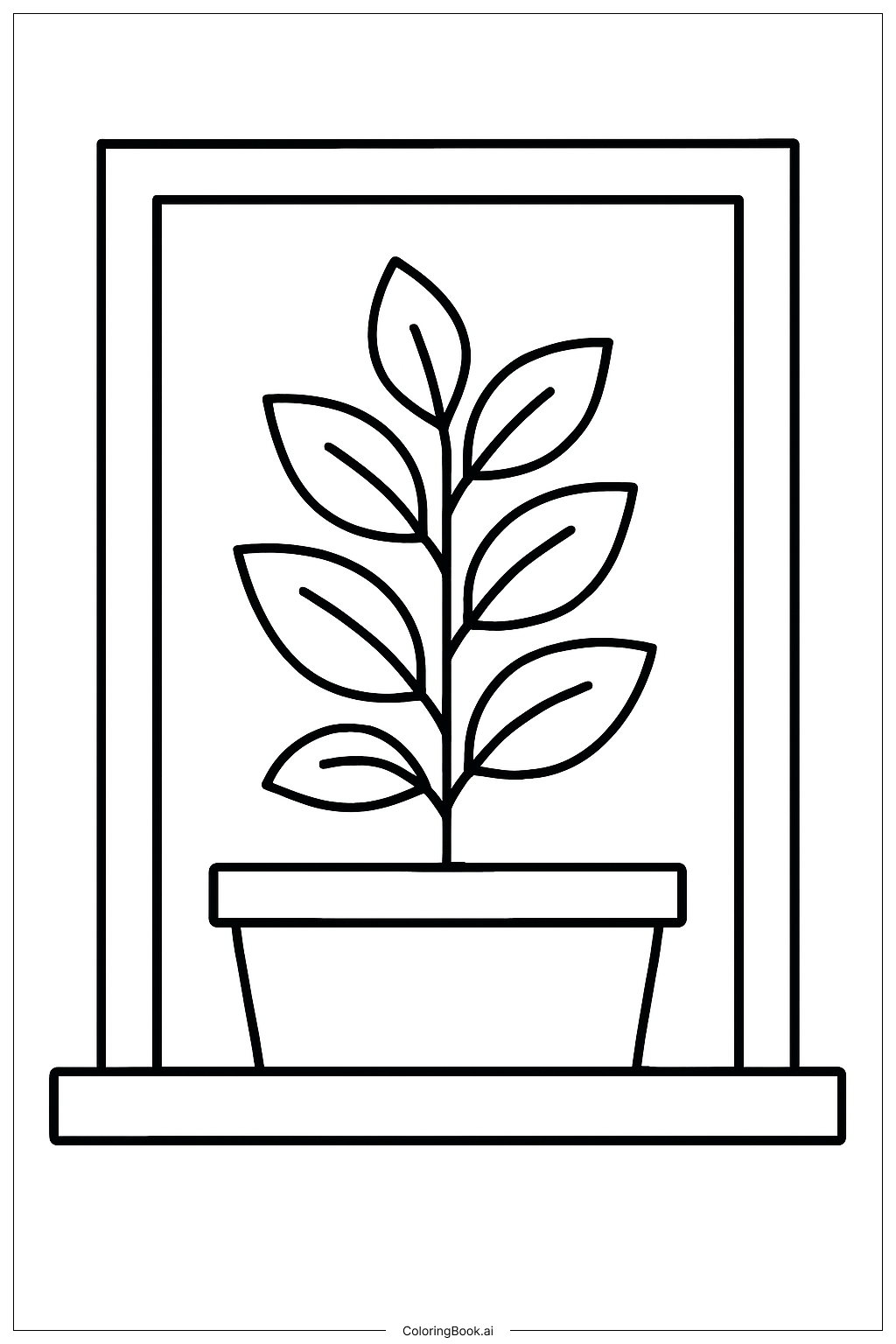
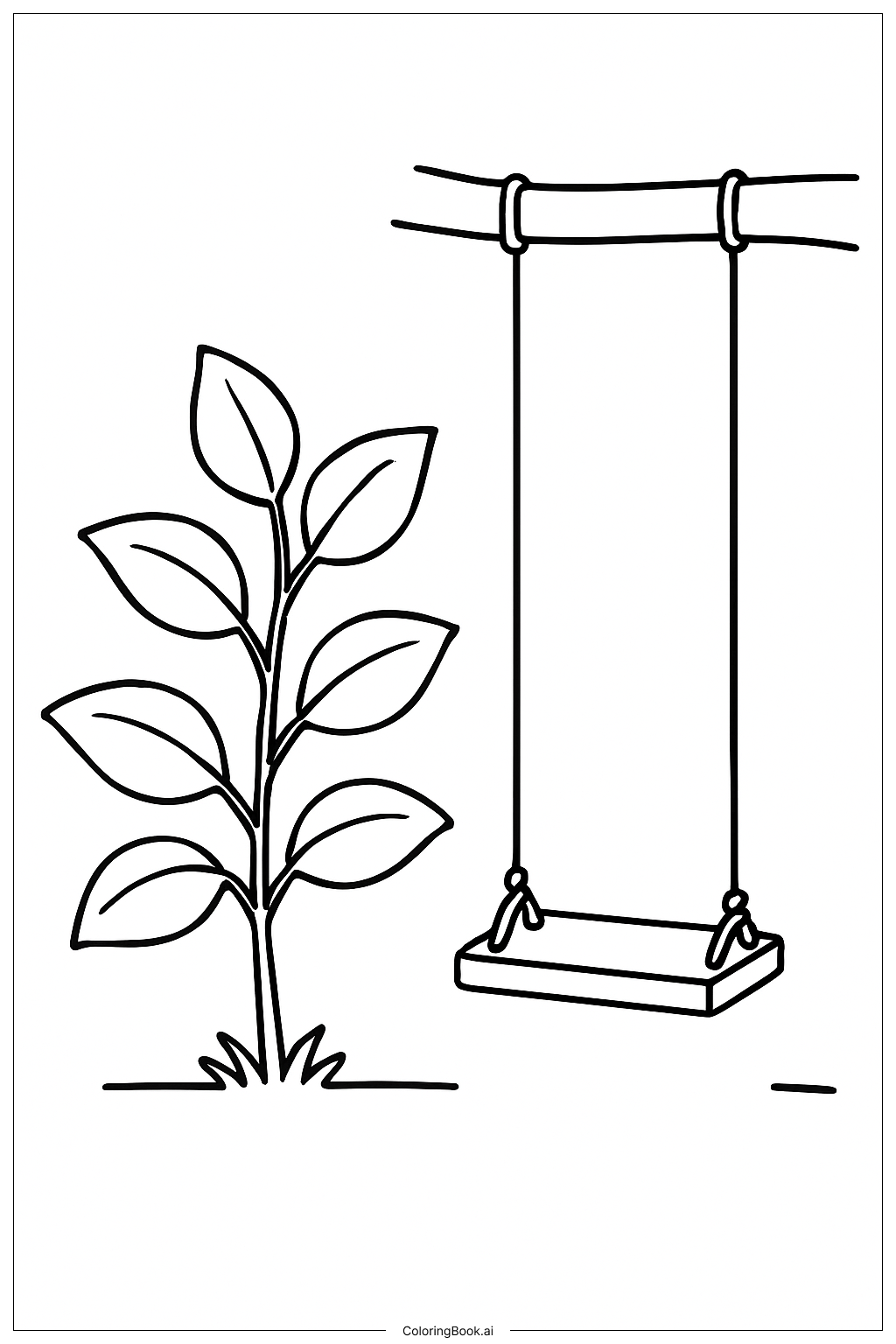
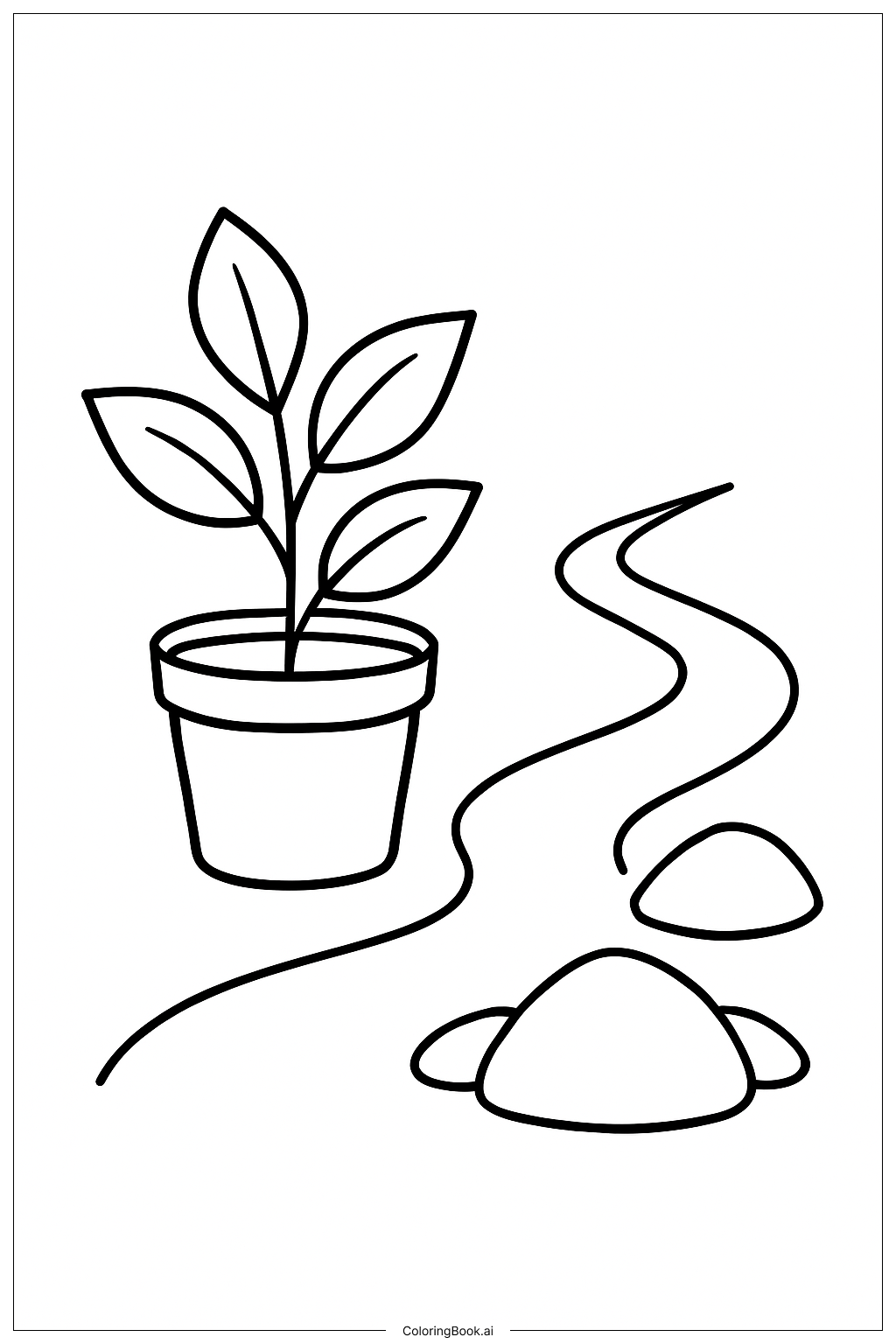
For this garden scene, you can use lots of green shades to bring the plants to life. Try light green and dark green for different leaves and plants to show depth. Use bright colors like red, yellow, pink, or purple for the flowers to make them stand out. The garden path can be colored in soft grays or light browns to look like stepping stones or dirt. Don’t hesitate to add some blue or sky colors in the background if you like. Feel free to get creative and mix colors to make your garden magical and unique.
Coloring challenges: Which parts are difficult to color and need attention for Plant and Garden Path coloring page?
• Detailed Plant Leaves: The image has many leaves with intricate shapes and lines. Coloring inside the fine details without going outside the lines can be a challenge, especially for younger children. • Small Flower Parts: Some flowers have tiny petals and centers that require careful attention. Coloring these small parts evenly calls for patience and well-sharpened pencils or fine-tipped markers. • Texture in Path Stones: The garden path has multiple stones with uneven edges. Showing the stone texture with shading or blending colors to create a natural look may be tricky. • Layered Overlapping Plants: Some plants overlap each other, which means choosing appropriate colors to show which leaves are in front and which are behind can be confusing. Using lighter tones for distant plants and darker tones for those closer can help. • Consistent Color Choices: Balancing many different plants, flowers, and stones means you need to plan colors well to avoid the scene looking too busy or dull.
Benefits of coloring books: Advantages of drawing Plant and Garden Path coloring page
Coloring this garden scene helps improve concentration and fine motor skills because of the many detailed areas to fill. It encourages creativity in choosing colors and blending shades for natural elements like leaves and flowers. Taking time to color the small parts develops patience and attention to detail. Also, coloring plants and nature themes is relaxing and can reduce stress. For children, it builds an appreciation for the outdoors and the beauty of plants. It also provides a fun way to learn about different plant shapes and garden layouts.