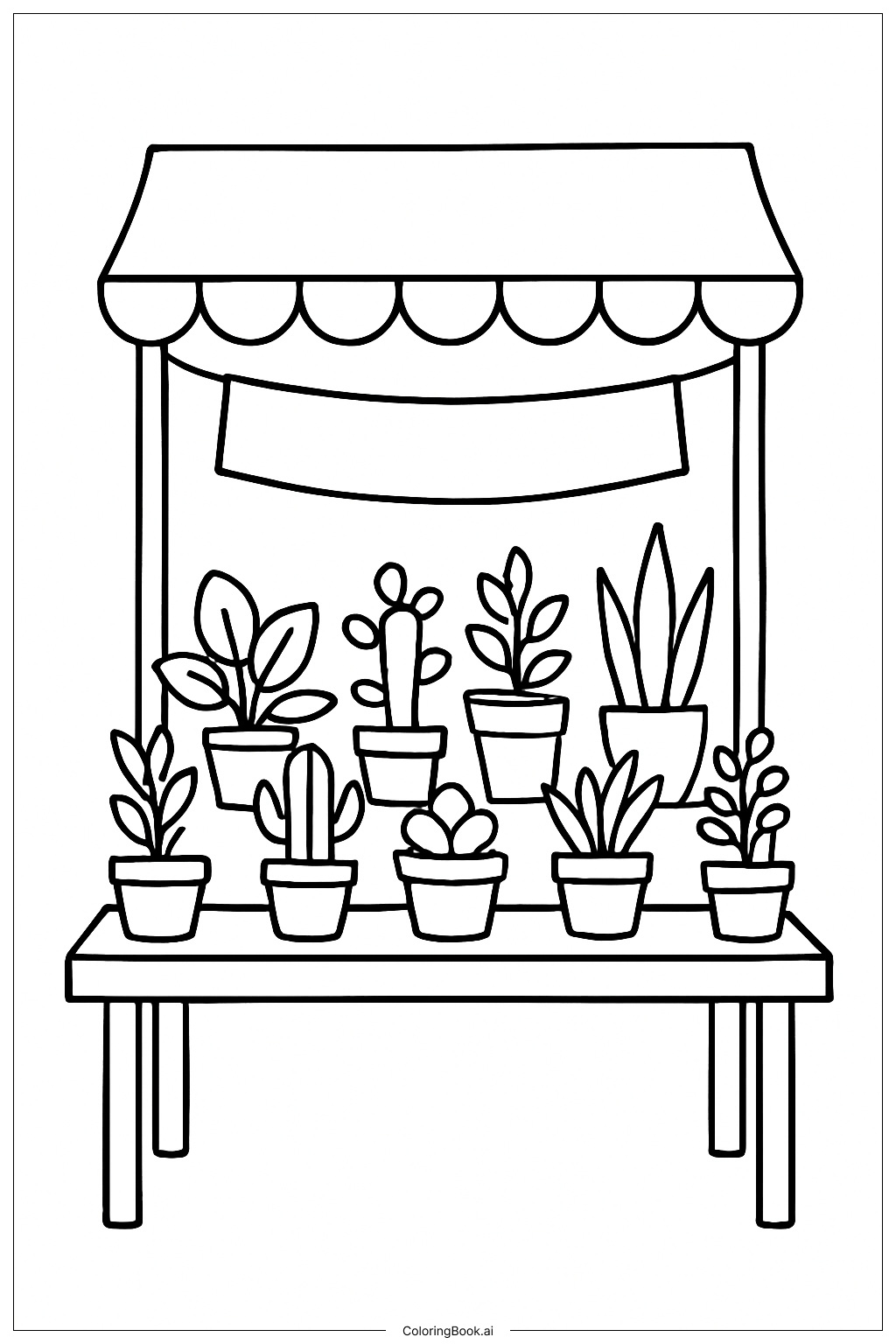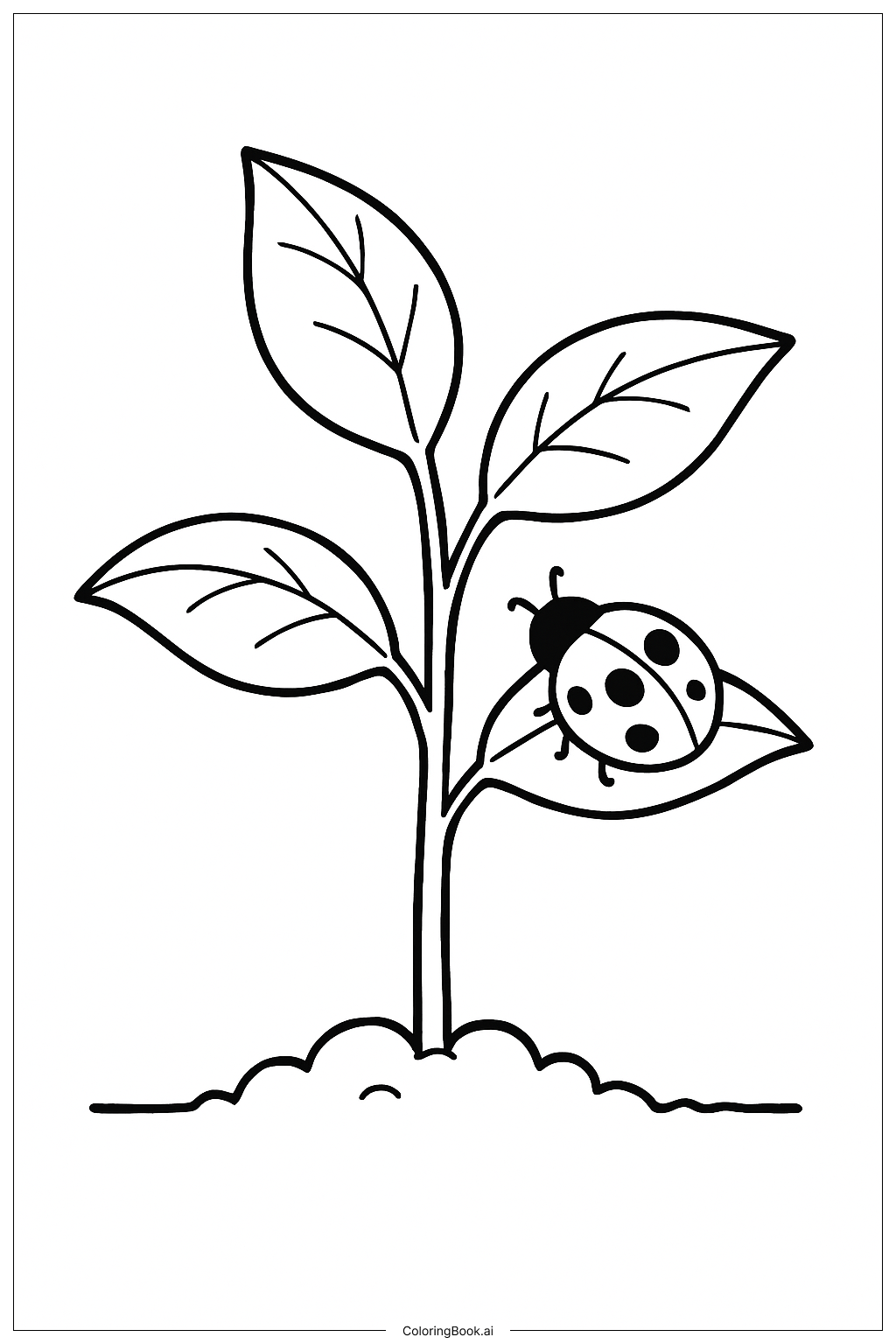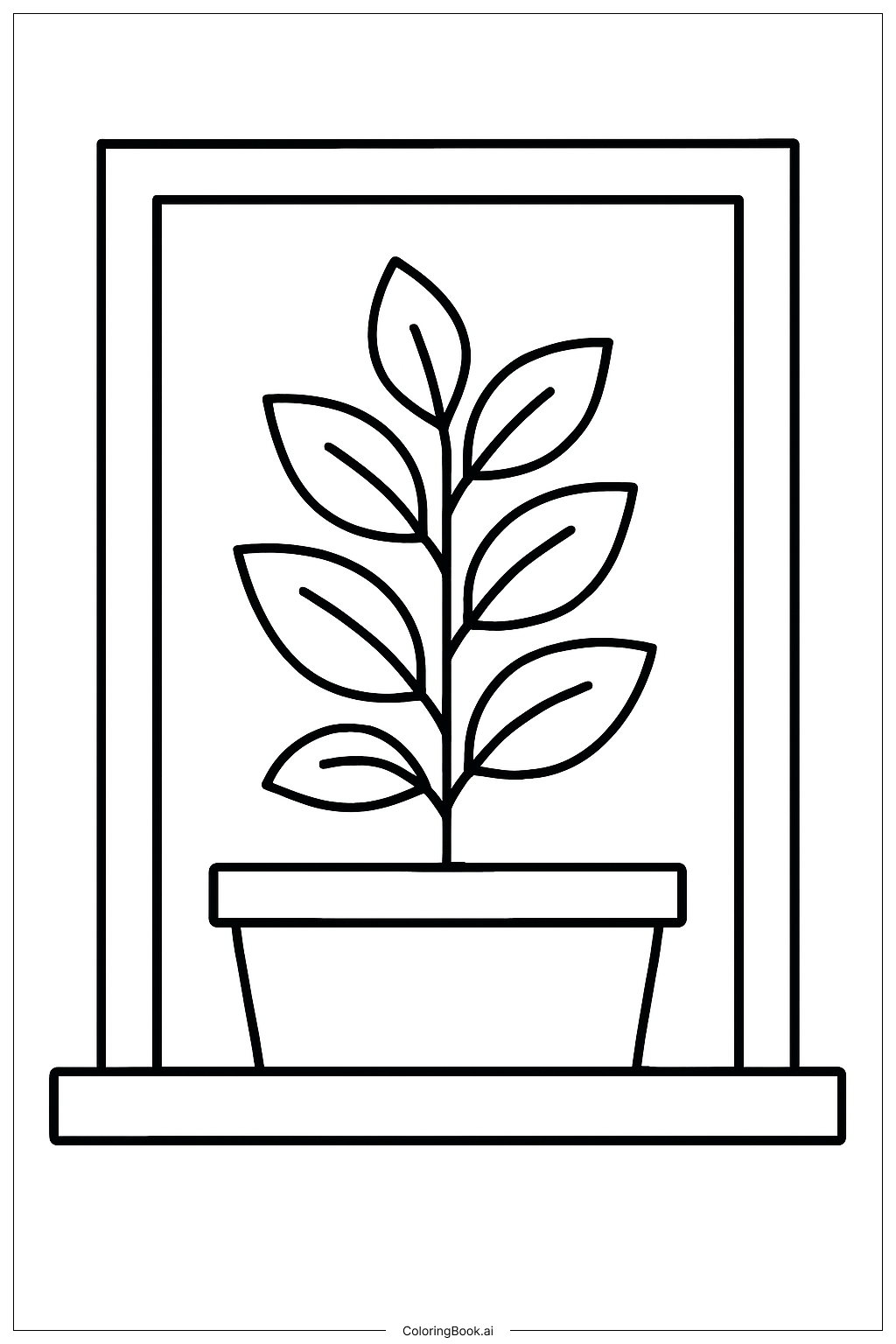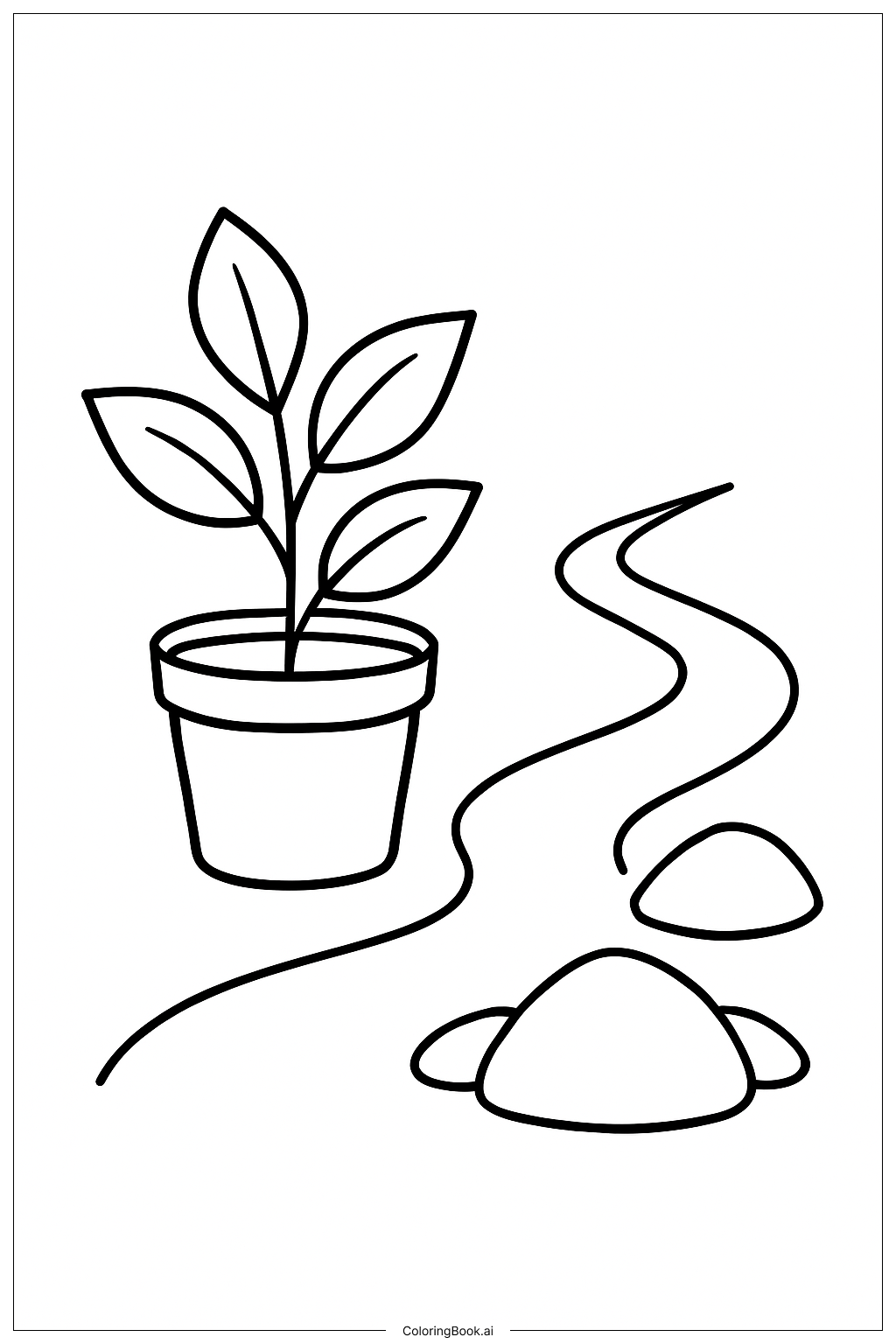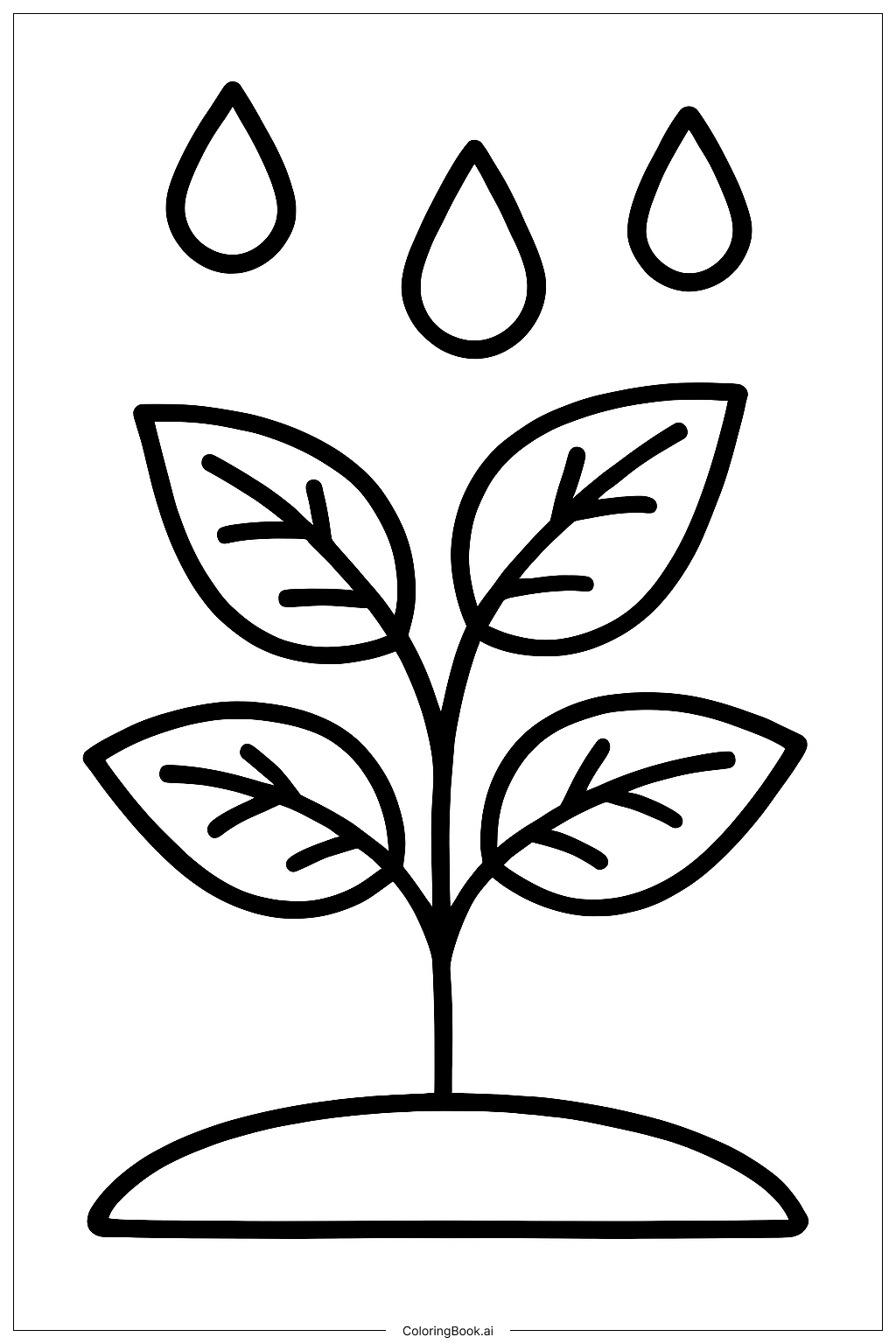
Coloring tips: How to color Plant and Raindrops coloring page well?
For the leaves, consider using various shades of green to show depth. Darker greens can be used for shading, while lighter greens can highlight the leaves. The raindrops can be colored in different blues to symbolize fresh, clean water. You can also add hints of yellow or orange to show sunlight reflecting off the drops. The soil can be a rich brown, adding contrast to the vibrant greens and blues. Encourage kids to experiment with mixing colors and adding their own designs to the leaves or background.
Coloring challenges: Which parts are difficult to color and need attention for Plant and Raindrops coloring page?
1. Choosing the Right Shades: Kids may struggle to pick the right shades of green for the leaves. It’s essential to teach them about light and shadow to create a more realistic look. 2. Blending Colors: Blending different shades, especially for the raindrops, might be tricky. Young artists may need guidance on how to blend colors smoothly. 3. Staying Within the Lines: Some children may find it challenging to color without going outside the lines. Practicing control of their coloring tools can help improve this skill. 4. Adding Details: Encouraging kids to add their own patterns or textures to the leaves can be difficult. They might feel unsure about their creativity. 5. Understanding Depth: Kids may have difficulty grasping how to make elements stand out by using varying shades to create a sense of depth.
Benefits of coloring books: Advantages of drawing Plant and Raindrops coloring page
Coloring this page offers numerous benefits for children. It enhances creativity as kids choose colors and add their designs to the plant and raindrops. This activity also improves fine motor skills. Holding crayons or markers helps strengthen hand muscles, which is essential for writing later. Coloring promotes focus and concentration, allowing kids to immerse themselves in the task. It also serves as a calming activity, reducing stress and anxiety. Lastly, learning about the plant and its growth encourages a connection with nature, fostering an appreciation for the environment.