Coloring tips: How to color Mushroom and Plant coloring page well?
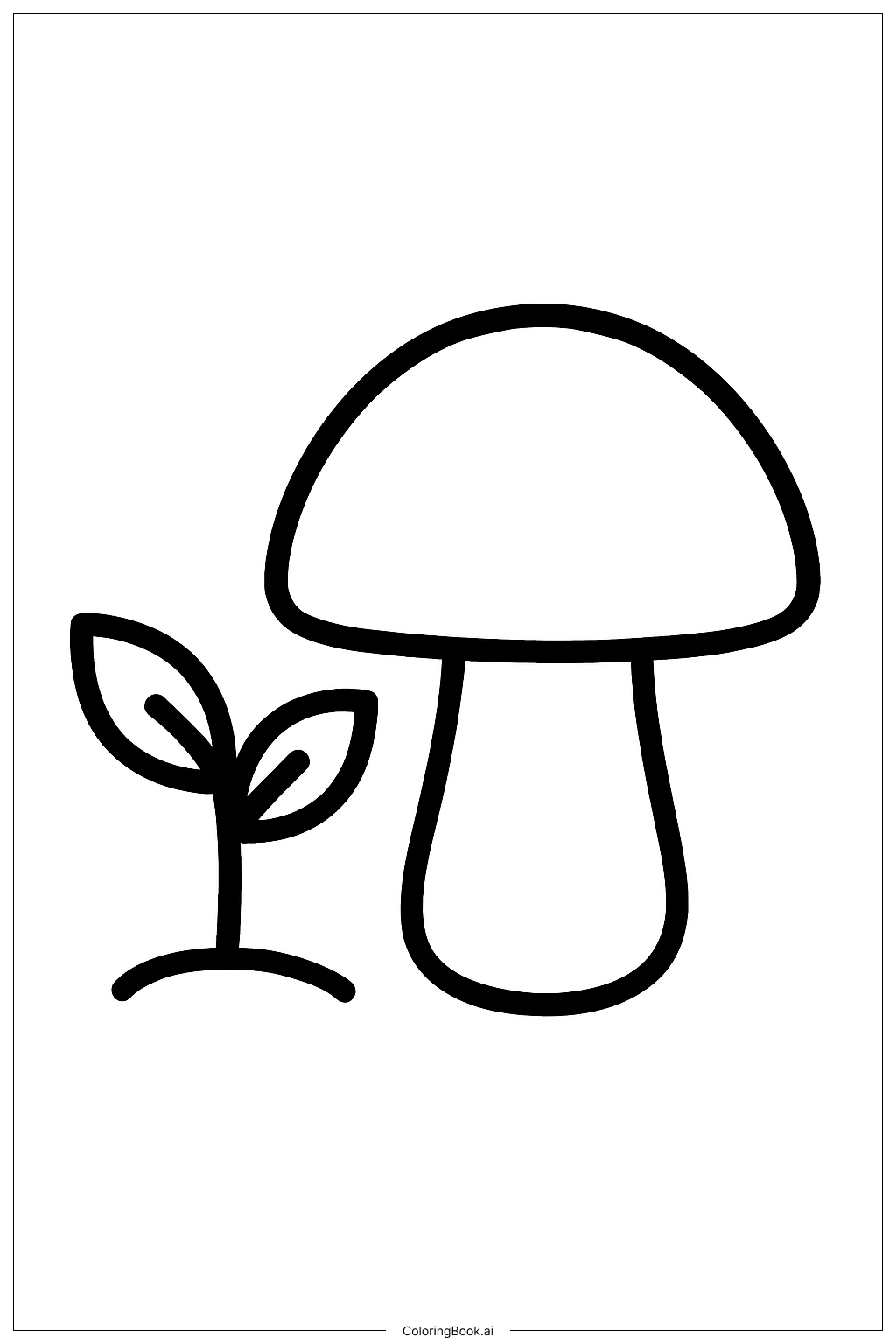
Use warm colors like reds, oranges, and yellows for the mushroom cap to make it bright and eye-catching. The mushroom stem can be painted light beige or soft brown. For the plant leaves, try different shades of green—from dark forest green to light lime green—to show variety and depth. You might even add little dots of color on the leaves to create texture. The background grasses and flowers can be colored with soft greens and bright colors like pink or purple to make the whole scene lively. Feel free to use crayons, colored pencils, or markers to mix vibrant and gentle tones.
Coloring challenges: Which parts are difficult to color and need attention for Mushroom and Plant coloring page?
• Small Details: The spots on the mushroom cap and the tiny flowers around the plant require careful coloring to stay within the lines and keep neatness. These small areas need good control of coloring tools to avoid smudging. • Leaf Veins: The plant leaves have visible veins that may be challenging to color differently from the leaf body. Deciding how to highlight these veins without overpowering the leaf shape needs attention and subtle hand pressure. • Color Blending: To give the mushroom and plant a more realistic look, blending colors smoothly is important. Blending reds to oranges or different greens takes practice to avoid harsh lines. • Background Simplicity: The grass and smaller details in the background may be overlooked but require consistent coloring to ensure the scene looks balanced. Staying patient in filling all parts evenly can be a challenge. • Overlapping Elements: Since the mushroom and plant overlap slightly, coloring without merging edges inaccurately demands focus and steady hands to define each shape clearly.
Benefits of coloring books: Advantages of drawing Mushroom and Plant coloring page
Coloring this Mushroom and Plant page helps children develop fine motor skills by practicing careful hand movements to stay within small lines and complex shapes. It also encourages creativity through choosing different colors and blending shades for a lively natural scene. This activity improves concentration and patience as kids focus on detailed areas and work slowly to bring the scene to life. Additionally, it introduces basic concepts about nature, such as how mushrooms and plants grow, instilling curiosity about the environment. Overall, coloring this image is a fun and educational way to enhance artistic skills and mindfulness.