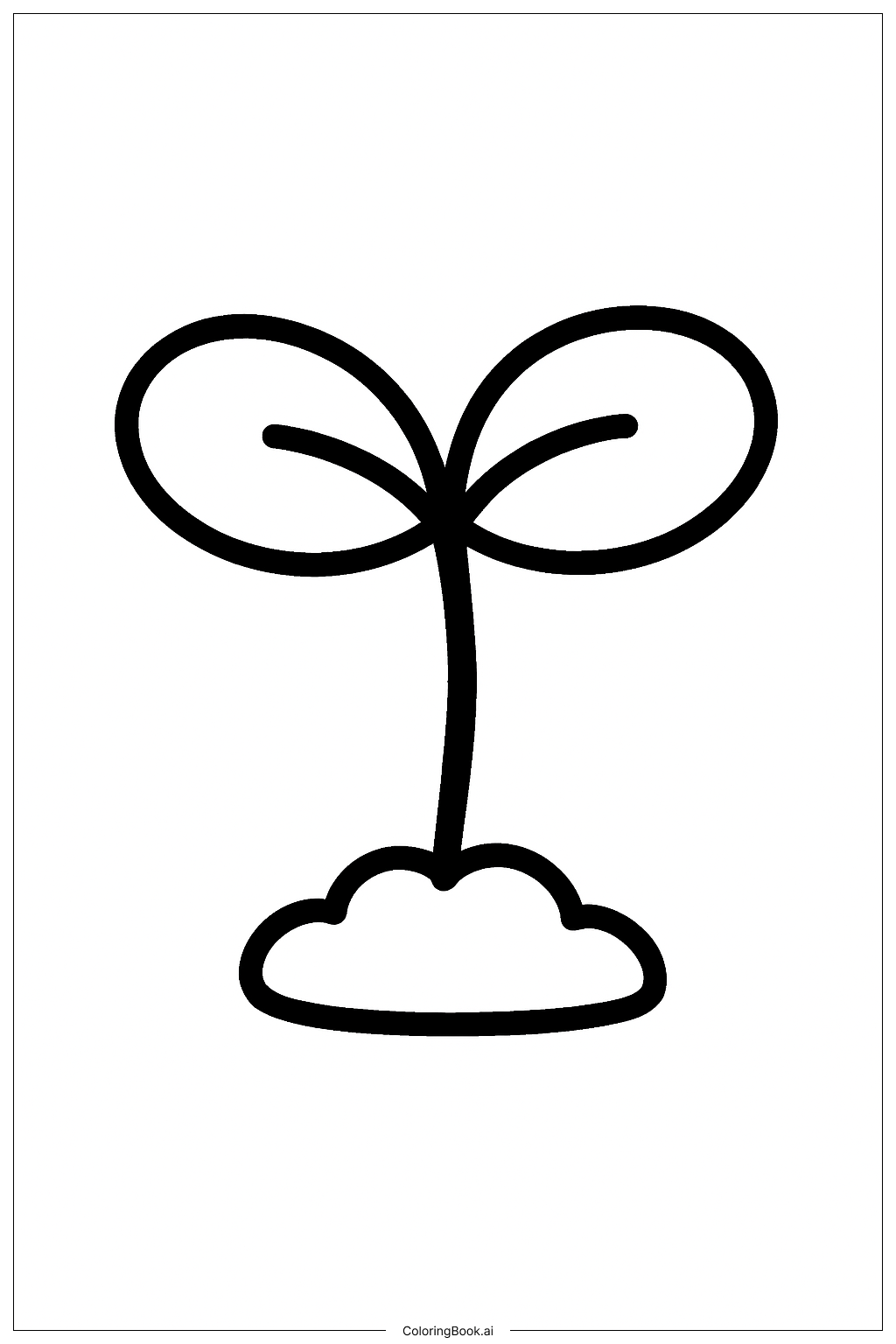
Coloring tips: How to color Tiny Seedling Plant coloring page well?
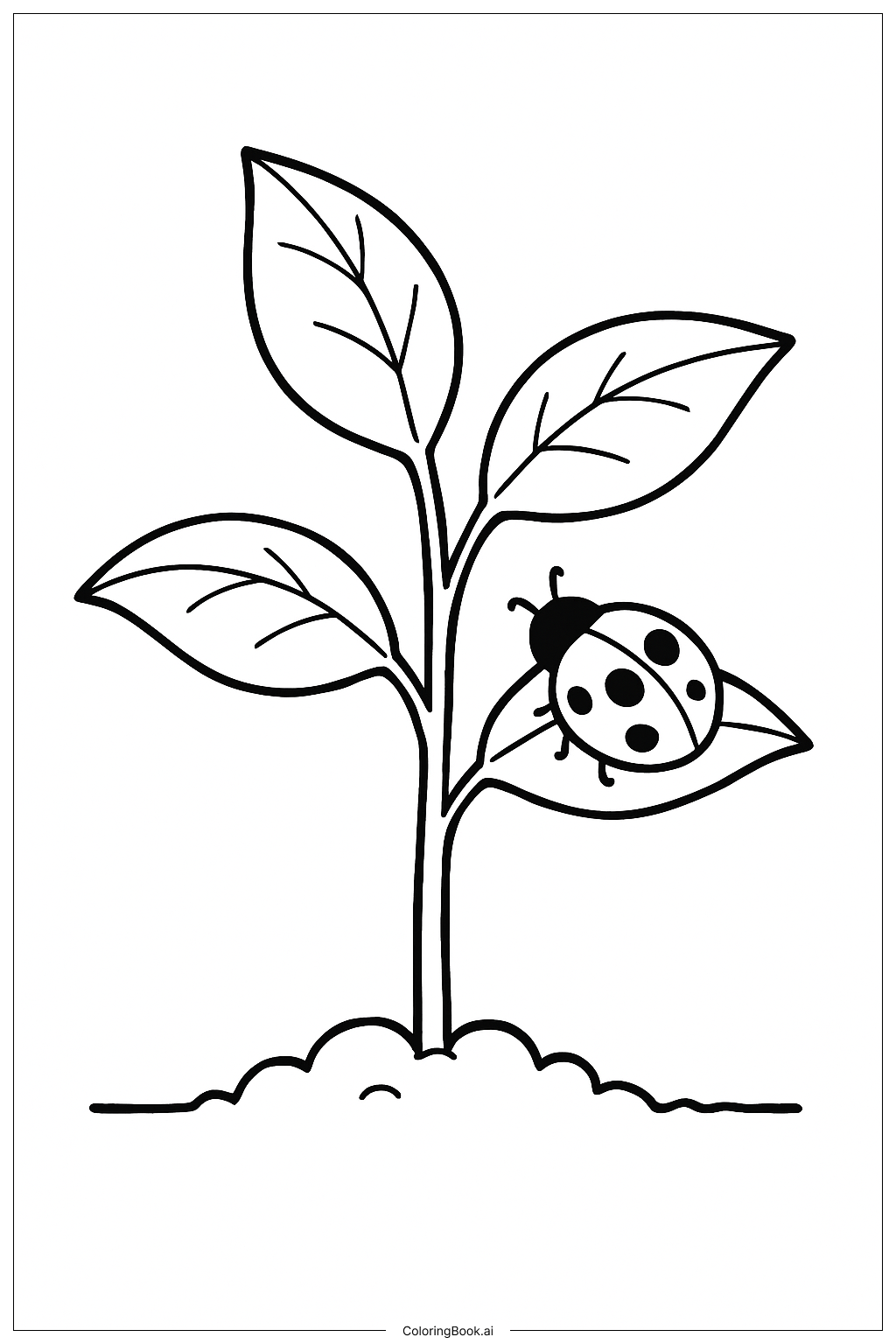
For coloring this tiny seedling, you can use green for the leaves to show freshness. Light green can be used for young leaves, while darker green works for the stem. The soil can be colored brown, with different shades to indicate texture. You could also add a blue sky or a sunny yellow sun in the background. Be creative! You can use crayons, colored pencils, or markers to bring this image to life and make it vibrant and colorful.
Coloring challenges: Which parts are difficult to color and need attention for Tiny Seedling Plant coloring page?
1. **Detailing Leaves**: The leaves have soft curves that can be tricky to color. Getting into the small areas while staying within the lines may be challenging. Practicing control with the coloring tool helps.
2. **Shading Techniques**: Creating depth on the stem and soil may pose difficulties. Adding shadows using darker colors can enhance the image, but requires practice to blend well.
3. **Color Choices**: Deciding which shades of green and brown to use can be hard. Children might feel stuck choosing colors or blending them appropriately. Exploring various hues can be overwhelming sometimes.
4. **Keeping within Lines**: Maintaining focus while coloring can be tough, especially in finer areas. Concentration helps prevent straying outside the image.
5. **Creativity Balance**: Balancing original colors and suggested themes may create confusion. Encouraging kids to stay within parameters while also expressing themselves is a delicate balance.
Benefits of coloring books: Advantages of drawing Tiny Seedling Plant coloring page
Coloring this tiny seedling can be both fun and beneficial. It builds fine motor skills as children practice holding crayons or colored pencils. This activity enhances hand-eye coordination as they learn to stay within lines. Coloring also serves as a creative outlet, allowing kids to express their imagination. They can choose colors freely, fostering their decision-making skills. Additionally, it can be a relaxing activity, helping children find focus and calmness. Engaging with nature themes like plants can spark interest in gardening or biology, promoting a deeper appreciation for the environment.