Coloring tips: How to color Science Butterfly Study coloring page well?
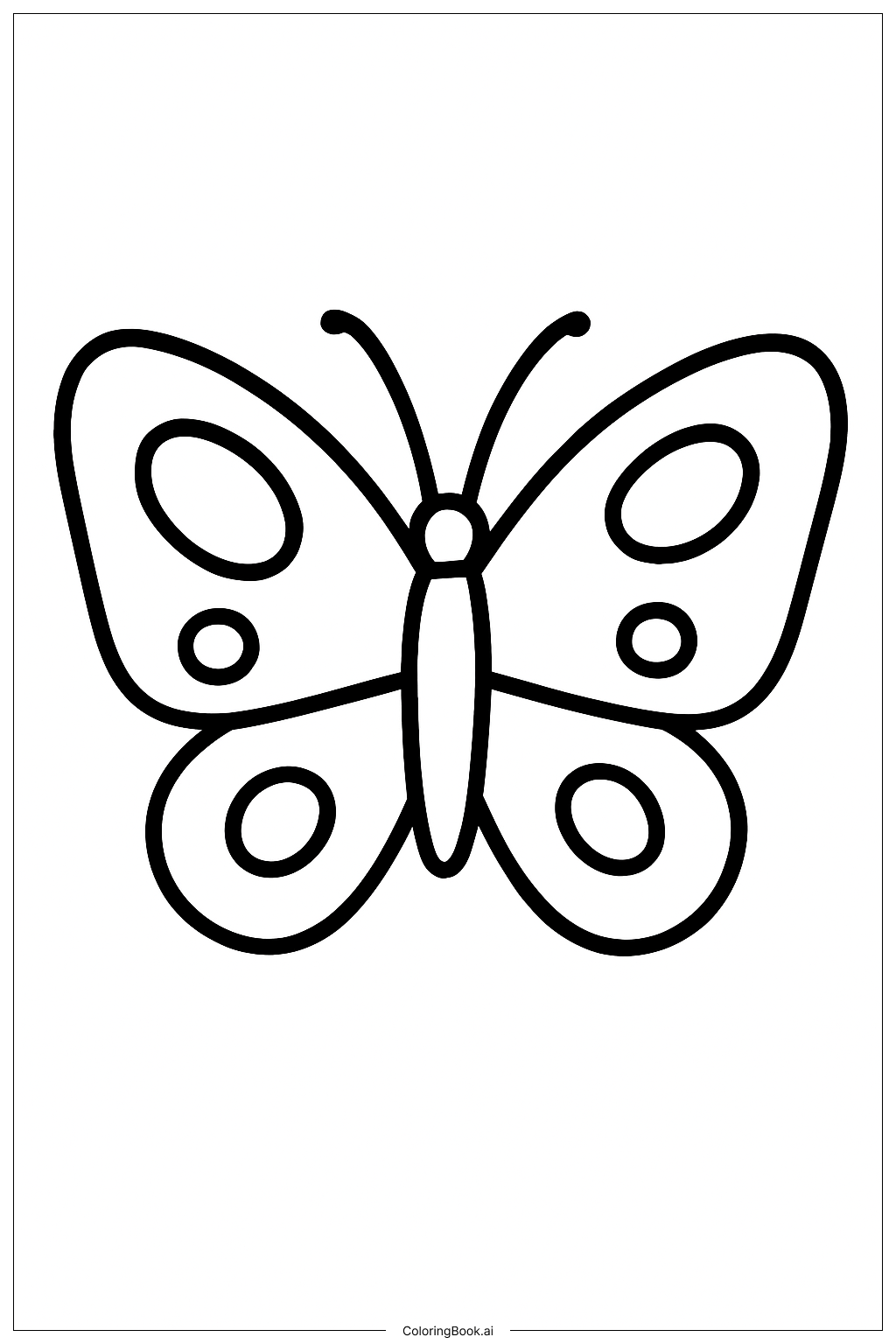
Start with the butterfly's wings using bright, natural colors. Monarch-style orange and black works beautifully, but feel free to invent your own species with bold purples, blues, or greens. Use a light yellow or cream for the wing cells before adding darker patterns on top. Color the body — thorax and abdomen — in dark brown or black with subtle highlights. For the caterpillar, try alternating stripes of green and yellow or orange. The chrysalis looks great in pale green with gold accents. Use a soft background color like sky blue or pale yellow to make the butterfly pop. Color the labels and arrows in a soft gray or pencil tone so they remain readable. Take your time on the wing patterns — they are the star of the page.
Coloring challenges: Which parts are difficult to color and need attention for Science Butterfly Study coloring page?
• Wing Symmetry: The butterfly's wings must look balanced on both sides. Keeping the colors and patterns perfectly mirrored is tricky, especially when the wing cells are small and numerous. Work slowly, comparing left and right sides as you go to maintain consistency.
• Fine Vein and Cell Lines: The wing veins divide the surface into many small sections. Staying inside each tiny cell without bleeding into neighboring areas requires a steady hand and fine-tipped colored pencils or markers. This is one of the most challenging aspects for younger colorists.
• Layering Wing Patterns: Realistic butterfly wings often have gradient shading and overlapping patterns. Achieving depth — for example, darker edges fading to lighter centers — requires blending techniques that take practice. Beginners may want to start with flat colors before attempting gradients.
• Anatomical Labels and Arrows: The diagram-style labels scattered around the image sit very close to detailed line art. Coloring near small text without covering it demands precision. Using a fine-tip tool and coloring away from the label lines helps keep the educational content visible.
• Multi-Element Composition: This page includes several subjects — the main butterfly, a caterpillar, a chrysalis, and leaf specimens. Choosing a cohesive color palette that ties all elements together without making the page look cluttered is a design challenge that encourages creative thinking and planning ahead.
Benefits of coloring books: Advantages of drawing Science Butterfly Study coloring page
Coloring this Science Butterfly Study page offers a wonderful blend of creativity and learning. As children fill in the wing patterns, they naturally absorb facts about butterfly anatomy, life cycles, and natural science. This makes coloring an educational activity, not just a fun one.
The intricate wing cells and fine vein lines help develop fine motor skills and hand-eye coordination. Staying within small, detailed sections builds patience and focus — skills that carry over into reading, writing, and other schoolwork.
Choosing colors for a real butterfly species encourages observation and research. Kids may want to look up real butterflies to match their colors accurately, sparking curiosity about the natural world.
The symmetrical wing structure also introduces basic concepts of geometry and balance. Trying to mirror colors on both wings is a gentle, hands-on lesson in symmetry.
For older children and Adults, the diagram format invites careful, methodical coloring that feels meditative and calming. It is a screen-free way to unwind while still engaging the mind. Overall, this page nurtures scientific curiosity, artistic confidence, and focused attention all at once.