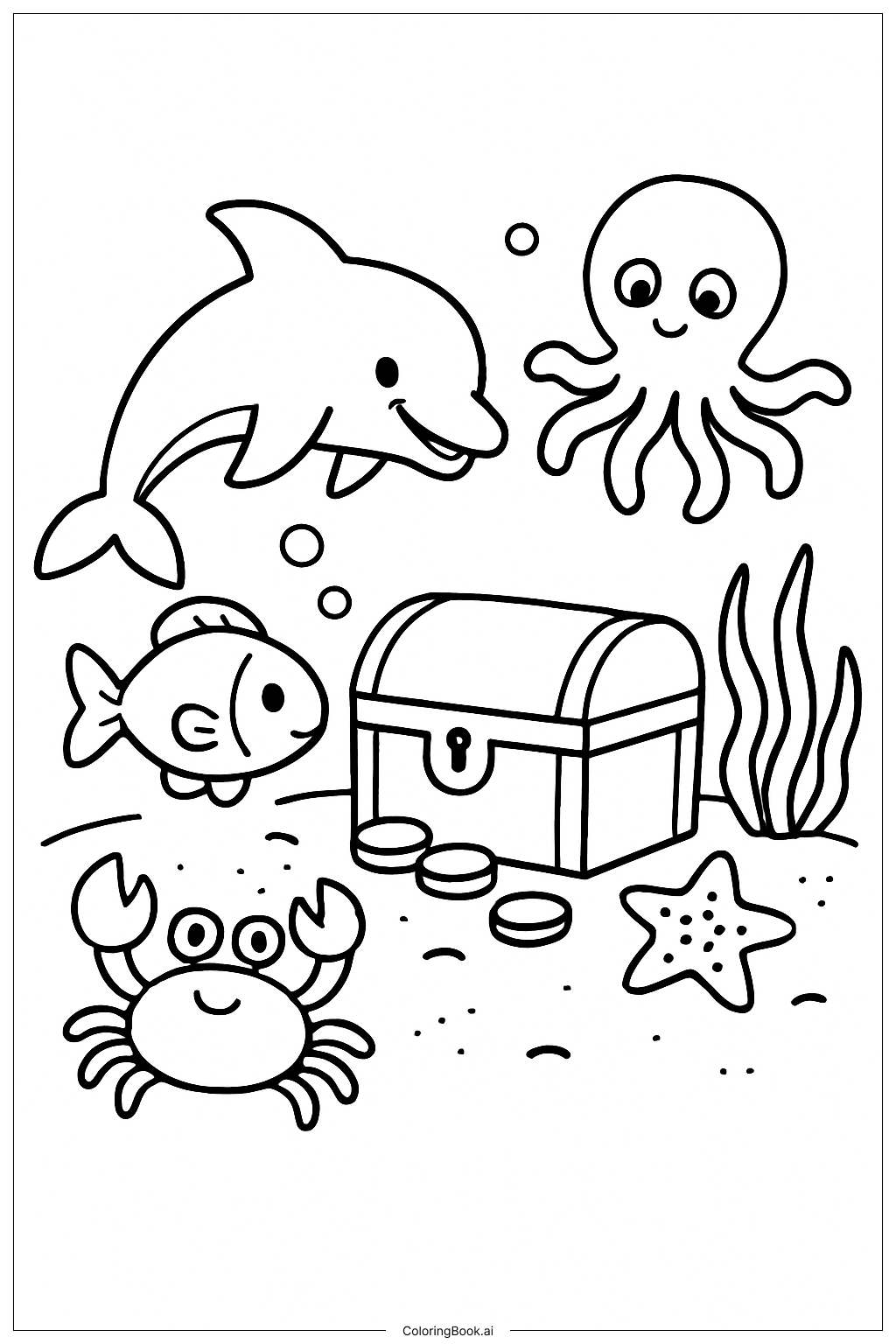
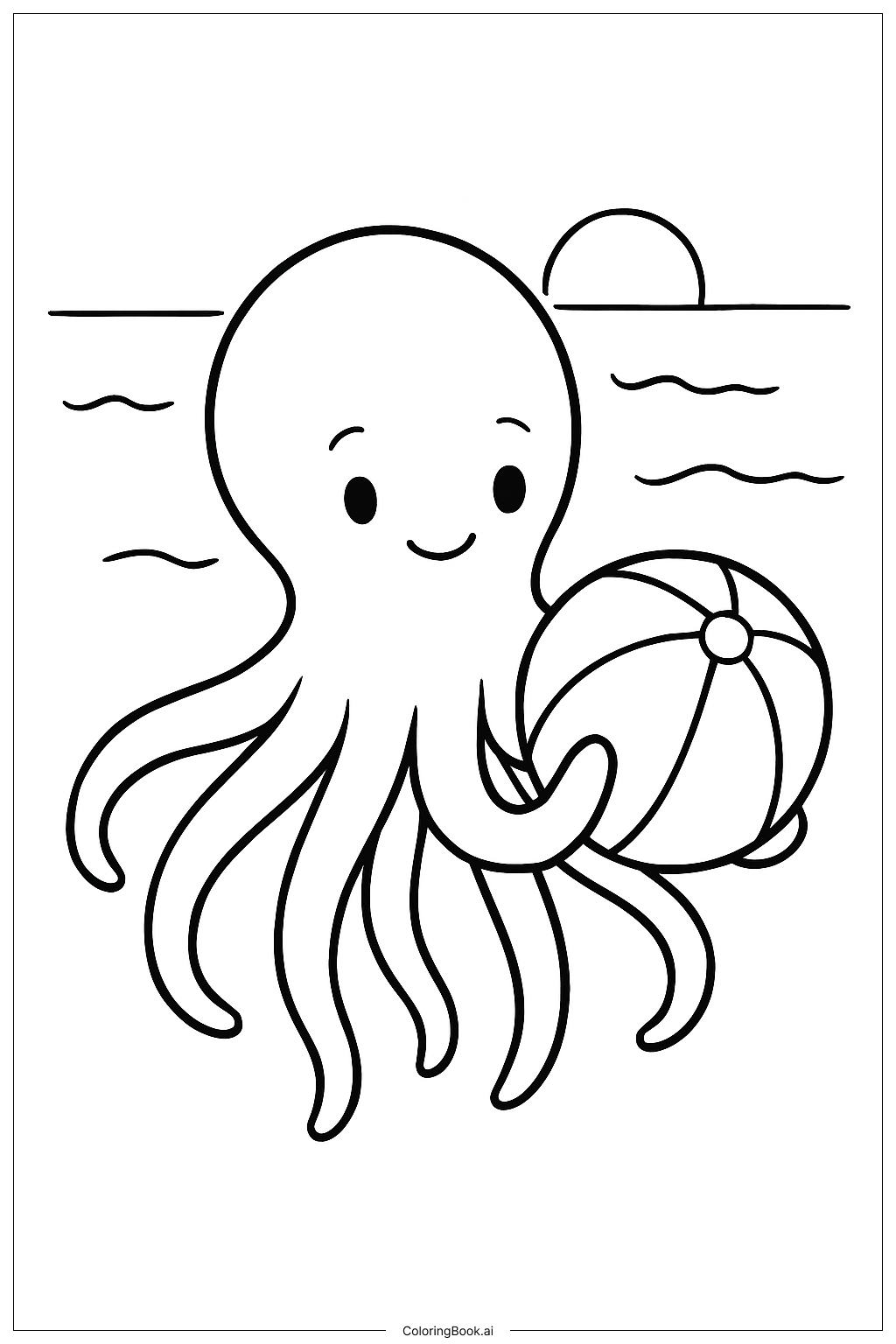
Coloring tips: How to color Ocean Animals Small Whale coloring page well?
For this image, you can use shades of blue and gray for the small whale to make it look realistic. Try using light blue or turquoise for the water around the whale, and add some white or light gray for the bubbles to make them stand out. You can also use different shades of green or seaweed colors for the ocean plants in the background. Feel free to be creative by adding bright colors or patterns to the whale if you want a more fun, imaginative look. Remember to color softly in some areas to show the smooth skin of the whale and add depth around the waves.
Coloring challenges: Which parts are difficult to color and need attention for Ocean Animals Small Whale coloring page?
• Fine Details: The small bubbles and curves around the whale require careful coloring to stay within the lines without smudging. This can be challenging for younger children.
• Smooth Shading: The whale’s body has smooth curves that look best with gentle shading. Creating a gradual color change can be tricky when using crayons or markers.
• Background Complexity: The flowing lines representing water and plants have overlapping shapes that may confuse about which area to color first.
• Maintaining Clean Edges: The whale’s outline is clear but needs steady hand control to keep colors neat, especially in narrow tail and fin sections.
• Color Choices: Picking appropriate colors to balance natural looks with a fun style requires thoughtful attention to avoid clashing or dull colors.
Benefits of coloring books: Advantages of drawing Ocean Animals Small Whale coloring page
Coloring this small whale image helps children develop hand-eye coordination by practicing staying inside the lines. It encourages focus and patience as they work on smooth shading and fine details. The ocean theme expands creativity and curiosity about marine life, helping kids learn while having fun. Using different colors for the whale, bubbles, and plants also supports color recognition and artistic expression. Overall, this activity boosts both motor skills and imagination, making it a great learning experience for children aged 4 to 16.