Coloring tips: How to color Ocean Animals Undersea Treasure coloring page well?
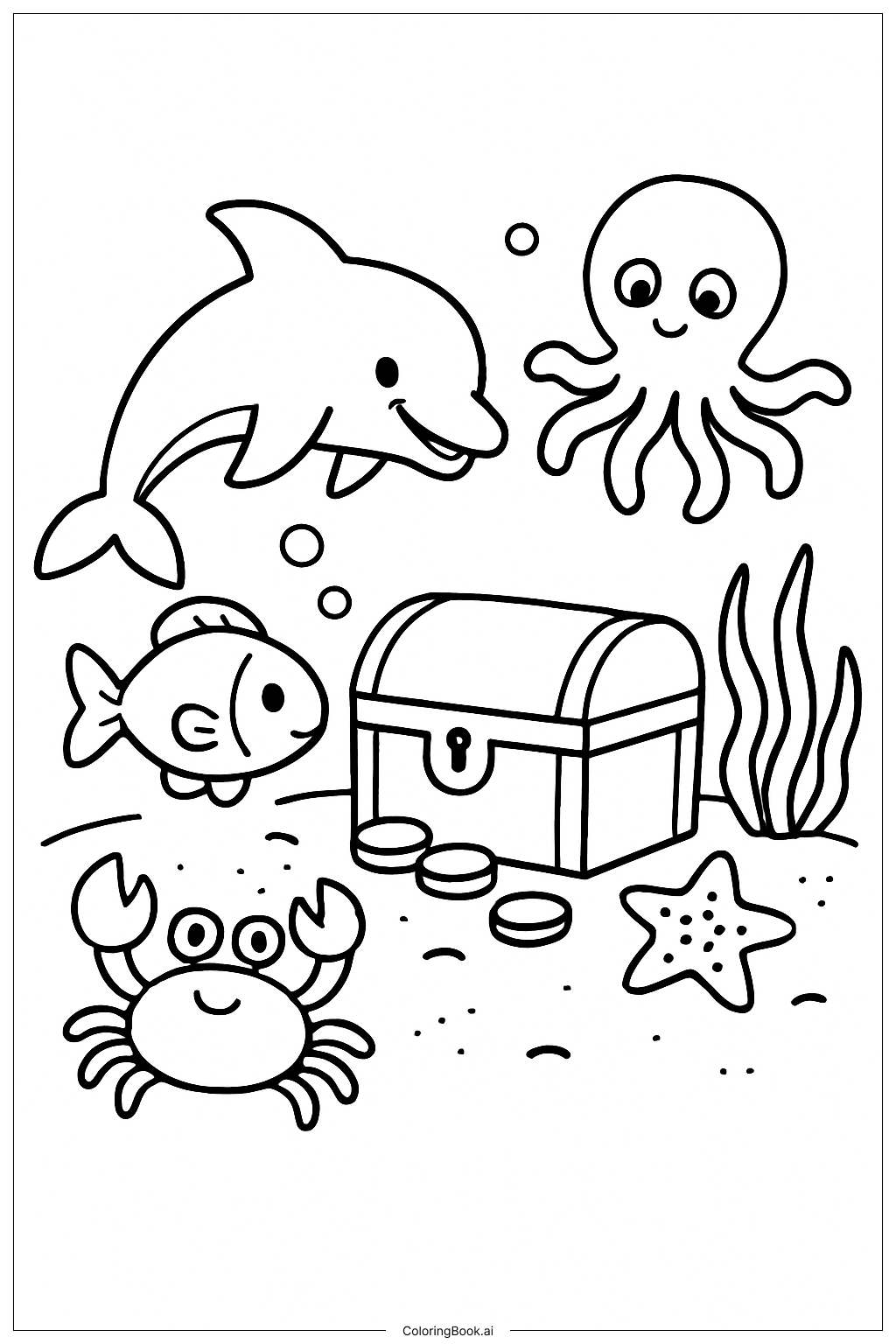
Start with the background. Use deep blue and navy shades for the water. Add lighter blue or aqua tones near the surface to show depth. Color the treasure chest gold and brown, and fill the coins and gems with bright yellow, red, green, and purple. Give the octopus a warm orange or magenta tone, and shade the tentacles slightly darker at the tips. Use vibrant colors for the fish — try red, yellow, orange, and blue stripes. Color the coral in pink, orange, and red. Make the seaweed green with darker shading along the edges. Use sandy beige and tan for the ocean floor. Add silver or white highlights to the bubbles to make them look like they are floating. Have fun mixing colors to make your underwater world feel alive and full of wonder.
Coloring challenges: Which parts are difficult to color and need attention for Ocean Animals Undersea Treasure coloring page?
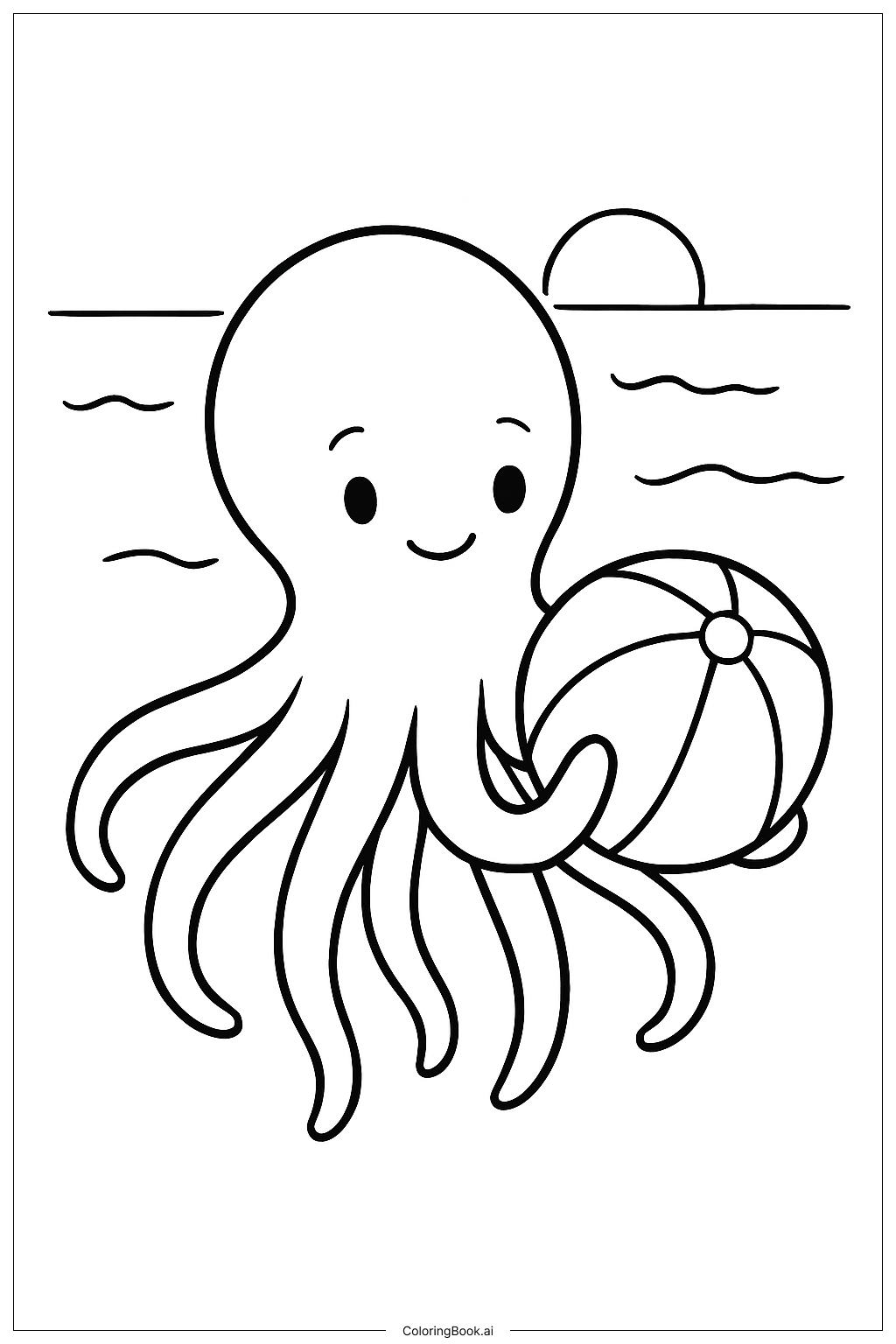
• Octopus Tentacles: The octopus has long, curling tentacles that wrap across much of the page. Staying inside the curved lines requires a steady hand and a fine-tipped coloring tool. Blending light and shadow along each tentacle adds realism but takes patience and careful color layering.
• Treasure Chest Details: The chest is covered with small planks, metal bands, hinges, and overflowing treasure items. Each element — coins, gems, pearls — needs a different color or finish. Keeping these tiny sections neat without colors bleeding into each other is a real challenge, especially for younger colorists.
• Coral and Seaweed Layers: The coral and seaweed overlap in many places, creating complex layered areas. It can be tricky to decide which element is in front and which is behind, and to use shading to show that depth clearly. Choosing slightly different tones for each overlapping plant helps separate them visually.
• Small Ocean Details: Tiny starfish, pebbles, bubbles, and small fish are scattered throughout the scene. These small shapes require precision. Using a thin marker or a sharpened colored pencil works best. Rushing through these details can cause smudging or uneven coverage.
• Background Water Gradient: Creating a smooth gradient from deep dark blue at the bottom to a lighter aqua near the top takes practice. Blending two or more shades of blue without harsh lines is one of the trickiest parts of the whole image. Watercolor pencils or layered colored pencils work especially well for this effect.
Benefits of coloring books: Advantages of drawing Ocean Animals Undersea Treasure coloring page
Coloring this Ocean Animals Undersea Treasure page offers a wide range of benefits for children and adults alike. For kids aged 4 to 16, it builds fine motor skills as they carefully fill in the small details of coral, fish, and treasure. Staying within the lines sharpens hand-eye coordination and focus.
The underwater theme sparks natural curiosity about ocean life. Children learn to associate colors with real sea creatures, which gently supports early science learning. Choosing colors for gems, fish, and coral encourages creative thinking and boosts confidence in making artistic decisions.
For older children and teens, the complexity of the scene — layered plants, detailed treasure, and gradient water — offers a satisfying challenge that develops patience and attention to detail. Completing a detailed page builds a real sense of accomplishment.
For adults, coloring this page is a wonderful way to relax and reduce daily stress. The repetitive, focused nature of coloring activates a calm, meditative state that helps quiet a busy mind. It is also a great activity to share with children, making it a fun and meaningful bonding experience. Overall, this page combines creativity, learning, and relaxation in one colorful adventure.