Coloring tips: How to color Ocean Animals Sea Otter Float coloring page well?
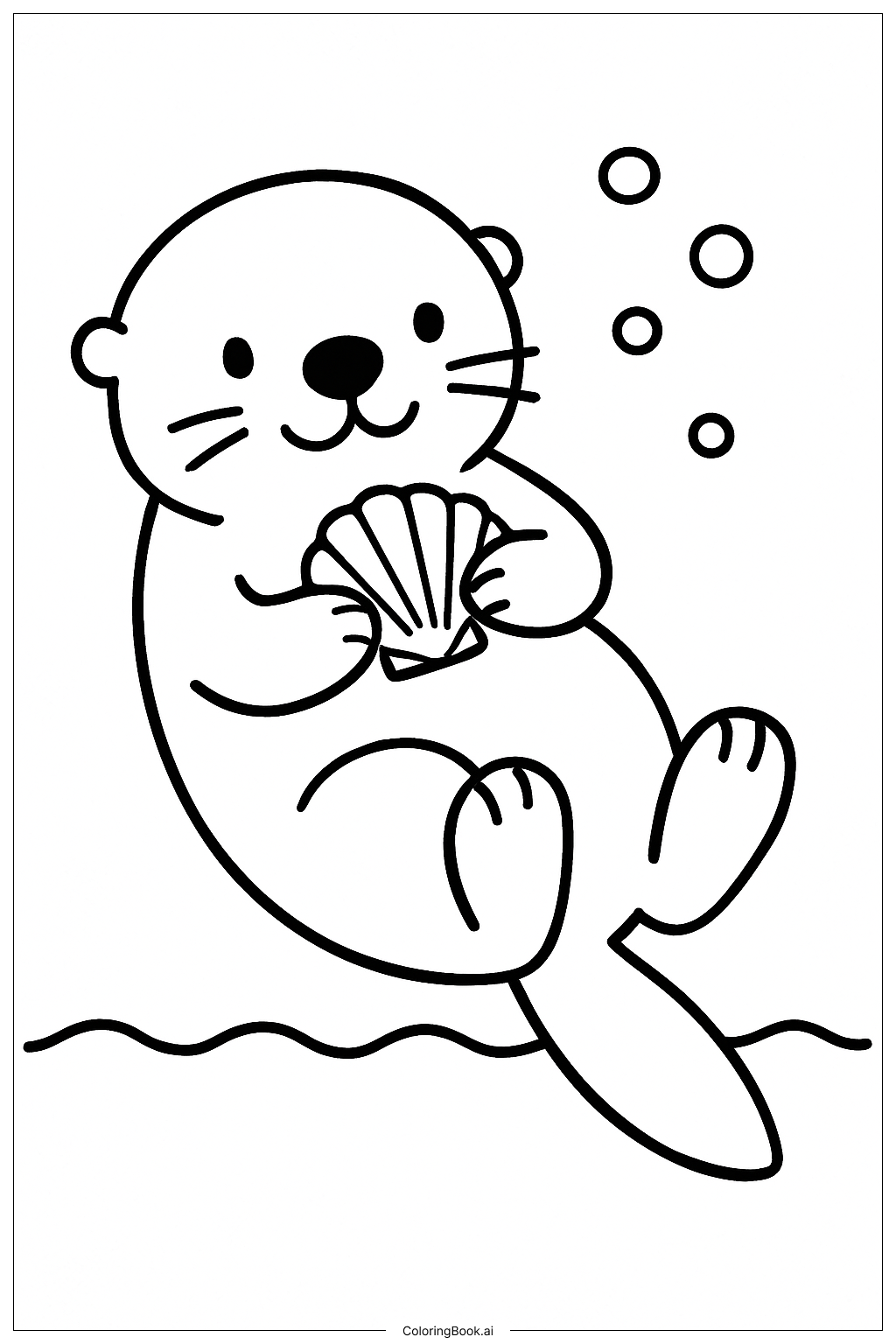
For coloring the sea otter, use light brown or gray shades for its fur. Add darker shades for the paws and face to create depth. The shell can be colored in vibrant shades of orange or pink. For the background, consider a light blue for the water, and use darker blues for the waves. The bubbles can be colored in soft whites or light blues. Encourage children to be creative with colors. They can even use glitter or metallic colors for the shell to make it pop!
Coloring challenges: Which parts are difficult to color and need attention for Ocean Animals Sea Otter Float coloring page?
Coloring the sea otter may present a few challenges. First, the fur has different sections, so kids need to blend colors well to create a soft texture. Second, ensuring that the colors on the otter's paws and face are distinct yet harmonious might be tricky. Kids should be careful around the shell's edges; staying within the lines can be a challenge. Lastly, coloring the bubbles requires patience as they are small and round, needing precision to avoid coloring outside. However, these challenges make coloring more fun and rewarding!
Benefits of coloring books: Advantages of drawing Ocean Animals Sea Otter Float coloring page
Coloring this sea otter can provide many benefits. It inspires creativity as children choose colors and patterns. It also enhances fine motor skills, helping them develop better hand coordination. This activity can improve concentration, as kids focus on staying within the lines. Additionally, coloring can be a relaxing activity, reducing stress for young minds. It's also a great way to learn about ocean animals, fostering a love for marine life and raising awareness about its importance. Overall, it's a fun and educational experience!