Coloring tips: How to color Ocean Animals Pelican Friend coloring page well?
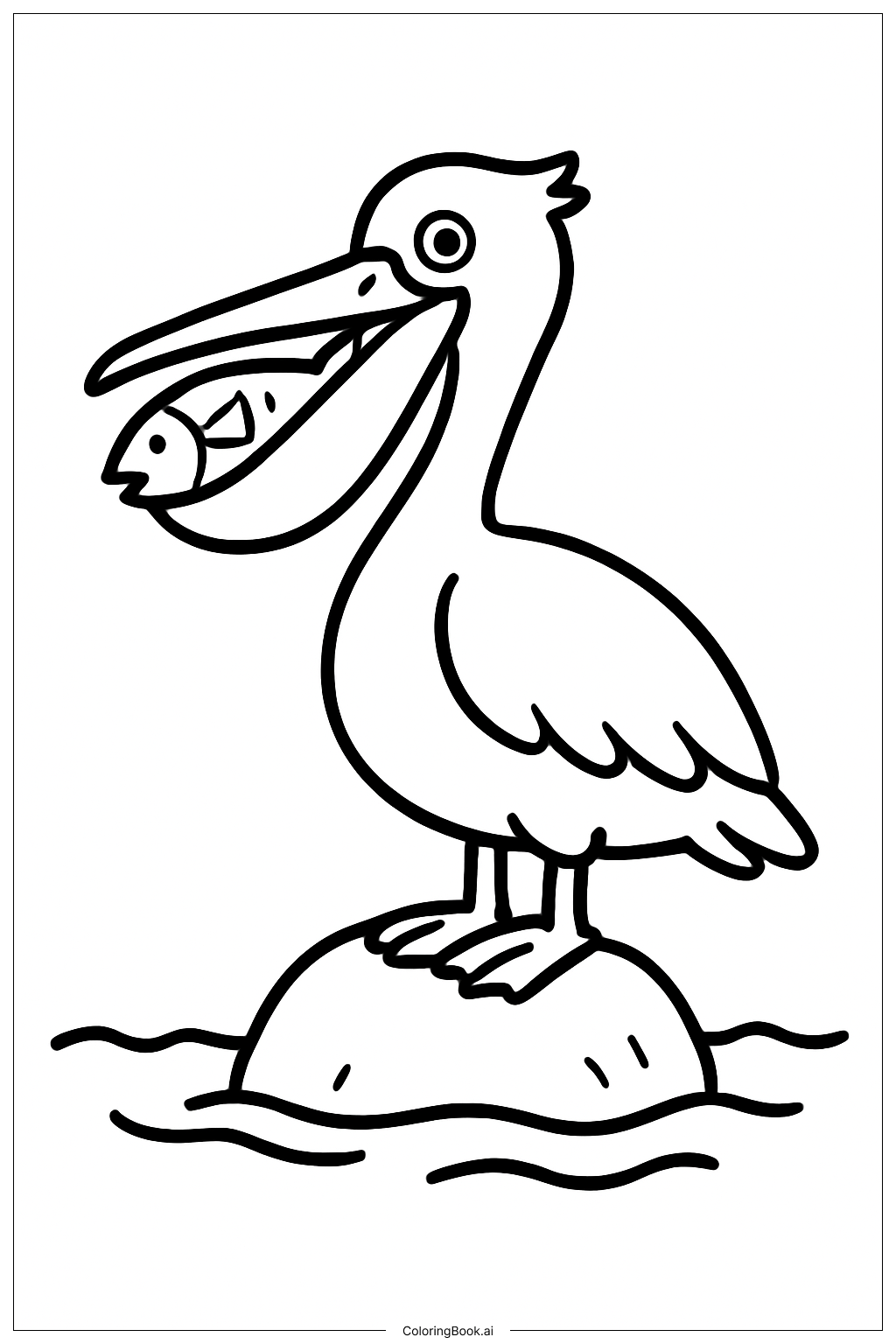
Use soft shades of blue and turquoise to fill in the ocean waves and sky. The pelican’s feathers can be colored mostly white with touches of light gray and soft yellow for its beak and feet. Bright reds or oranges work well for the crab, while the fish can be decorated with patterns in yellows, greens, or blues to make it lively. Use warm shades like orange or pink for the starfish and browns or tans for the seashells. Adding a light sandy color for the beach will create a natural feel. Encourage blending colors slightly to show light reflections on the water and soft shadows under the pelican's wings.
Coloring challenges: Which parts are difficult to color and need attention for Ocean Animals Pelican Friend coloring page?
• Detailed Feathers: The pelican’s wings and body have many overlapping feathers that require careful coloring to avoid smudging and to show texture.
• Small Ocean Animals: The crab, fish, and starfish are small and contain details like eyes, claws, and scales that might be challenging for younger children to color neatly.
• Water and Shoreline Transition: Blending the colors smoothly between ocean waves and the sandy beach needs patience and practice to look natural.
• Beak and Feet Coloring: The pelican’s beak and feet have subtle color variations that require layering different shades to achieve realism.
• Maintaining Clean Lines: Due to the variety of animals and background elements close together, it’s important to color slowly to keep within the lines and preserve image clarity.
Benefits of coloring books: Advantages of drawing Ocean Animals Pelican Friend coloring page
Coloring this page helps children develop fine motor skills as they carefully stay within the detailed outlines of the pelican and ocean animals. It encourages creativity by allowing kids to choose vibrant and natural colors for ocean life and the seaside environment. The image also nurtures appreciation for wildlife and marine ecosystems, sparking curiosity about ocean animals. Coloring the different textures like feathers, water, and sand builds observational skills. Finally, focusing on such a friendly and lively scene promotes relaxation and enhances concentration, making it a fun and educational activity for kids aged 4 to 16.