Coloring tips: How to color Easy Butterfly Colors-2 coloring page well?
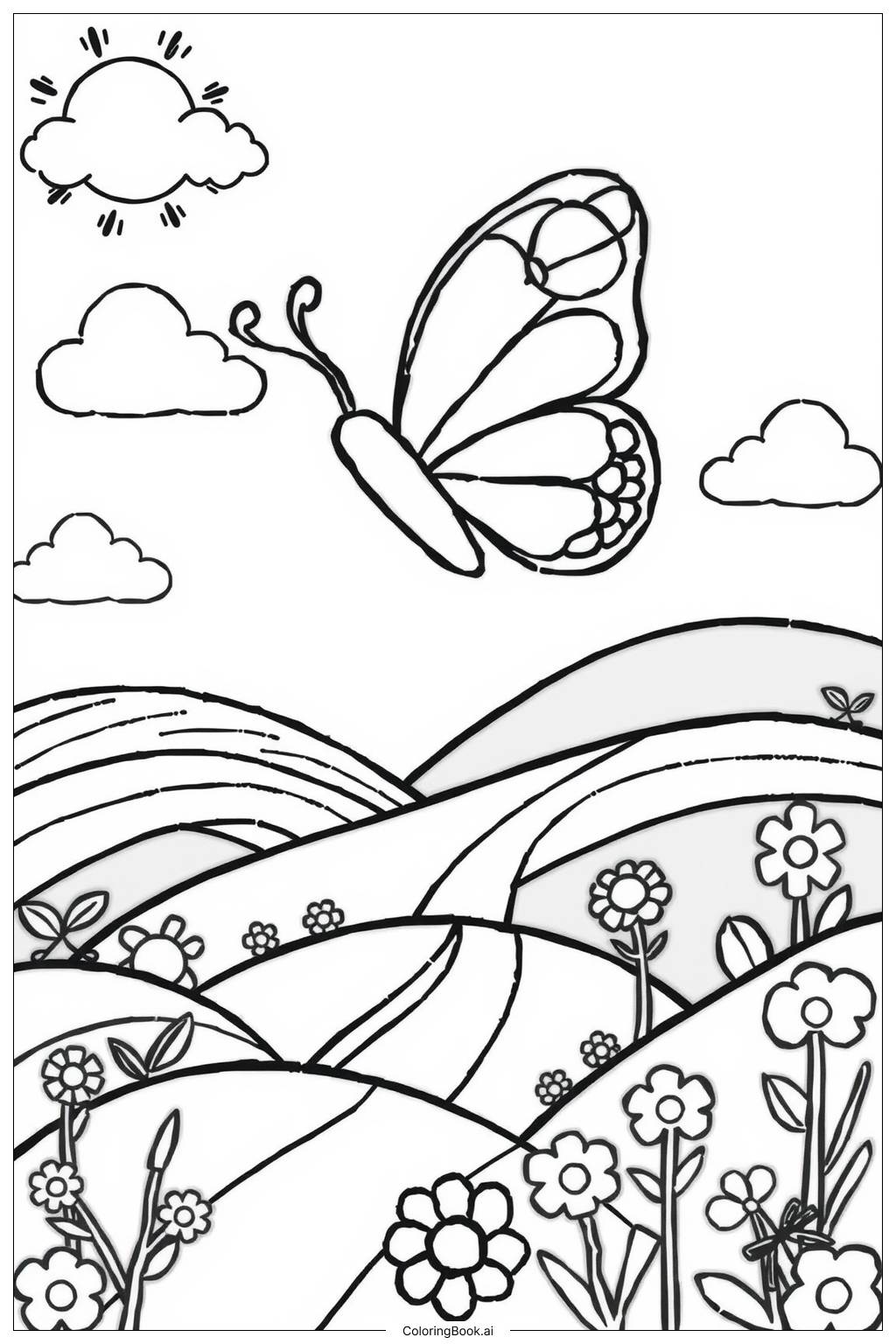
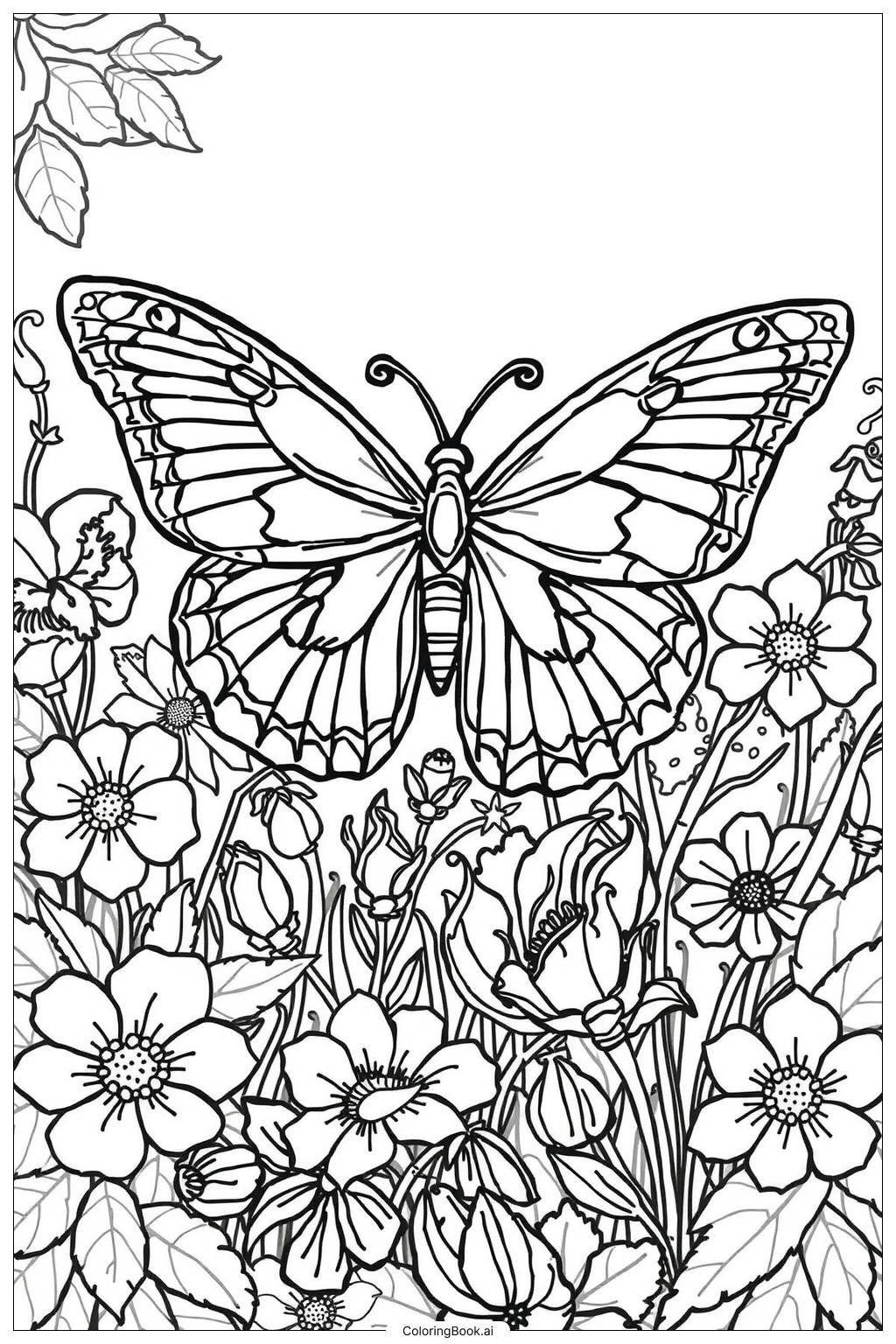
Start with the wings first since they take up the most space. Pick bright, happy colors like yellow, orange, pink, or light blue. You can make each wing section a different color to create a fun, rainbow look. Try using a darker shade along the edges of the wings and a lighter shade in the middle to give them a soft glow. For the body, brown, black, or dark purple works great. The small dots and circular details near the wing edges look cute colored in contrasting colors, like white or gold. Do not worry about being perfectly neat — butterflies in nature come in all kinds of wild color combinations, so let your imagination go free. Crayons, colored pencils, or markers all work well for this page. Younger kids can use broad strokes to fill the large wing areas quickly. Older kids can layer colors to create gradients or add extra patterns inside the open spaces for a more detailed finish.
Coloring challenges: Which parts are difficult to color and need attention for Easy Butterfly Colors-2 coloring page?
• Large Wing Sections: The upper and lower wings are spacious and open, which sounds easy but can be tricky to fill evenly. If you use colored pencils, you may need several passes to build up a smooth, solid color without streaks or pale patches. Take your time and use light, overlapping strokes.
• Smooth Curves and Edges: The butterfly's wing outlines follow long, flowing curves. Staying neatly inside these curved lines takes a steady hand, especially at the pointed tips and rounded outer edges. Younger colorists may find it helpful to trace along the edge lightly before filling in.
• Small Decorative Details: There are small dots, loops, and teardrop shapes scattered across the wings. These tiny elements are close together in some areas, making it hard to switch colors without accidentally bleeding into a neighboring section. Using a fine-tip marker or a sharp colored pencil helps here.
• Color Coordination Across Sections: The butterfly has multiple distinct wing zones. Choosing colors that look good together across all sections can be a fun challenge. If you pick too many similar shades, the sections may blend together and lose definition. Picking a light color next to a dark color helps each area stand out clearly.
• Body and Antenna Details: The central body is narrow and elongated, and the antennae are thin lines. Coloring these small areas without going outside the lines requires careful control. A fine-point tool or a well-sharpened pencil is the best choice for these parts.
Benefits of coloring books: Advantages of drawing Easy Butterfly Colors-2 coloring page
Coloring this butterfly page offers a wonderful range of benefits for kids of all ages. First, it builds fine motor skills. Carefully filling in the wing sections and small decorative details trains the small muscles in the hands and fingers, which helps with handwriting and other everyday tasks. Second, it encourages focus and patience. Staying inside the curved lines and choosing colors thoughtfully teaches children to slow down and concentrate, which is a skill that supports learning in school. Third, it sparks creativity. Since there is no single correct way to color a butterfly, kids are free to experiment with any combination of colors they like. This freedom builds confidence and nurtures self-expression. Fourth, it introduces basic color theory in a playful way. Trying different color combinations across the wing sections helps children naturally discover what colors work well together. Fifth, it is calming and relaxing. The repetitive, gentle motion of coloring has a soothing effect that can help reduce stress and anxiety, making it a great quiet-time activity. Overall, this simple yet engaging butterfly page turns coloring into a creative, educational, and deeply satisfying experience for young colorists.