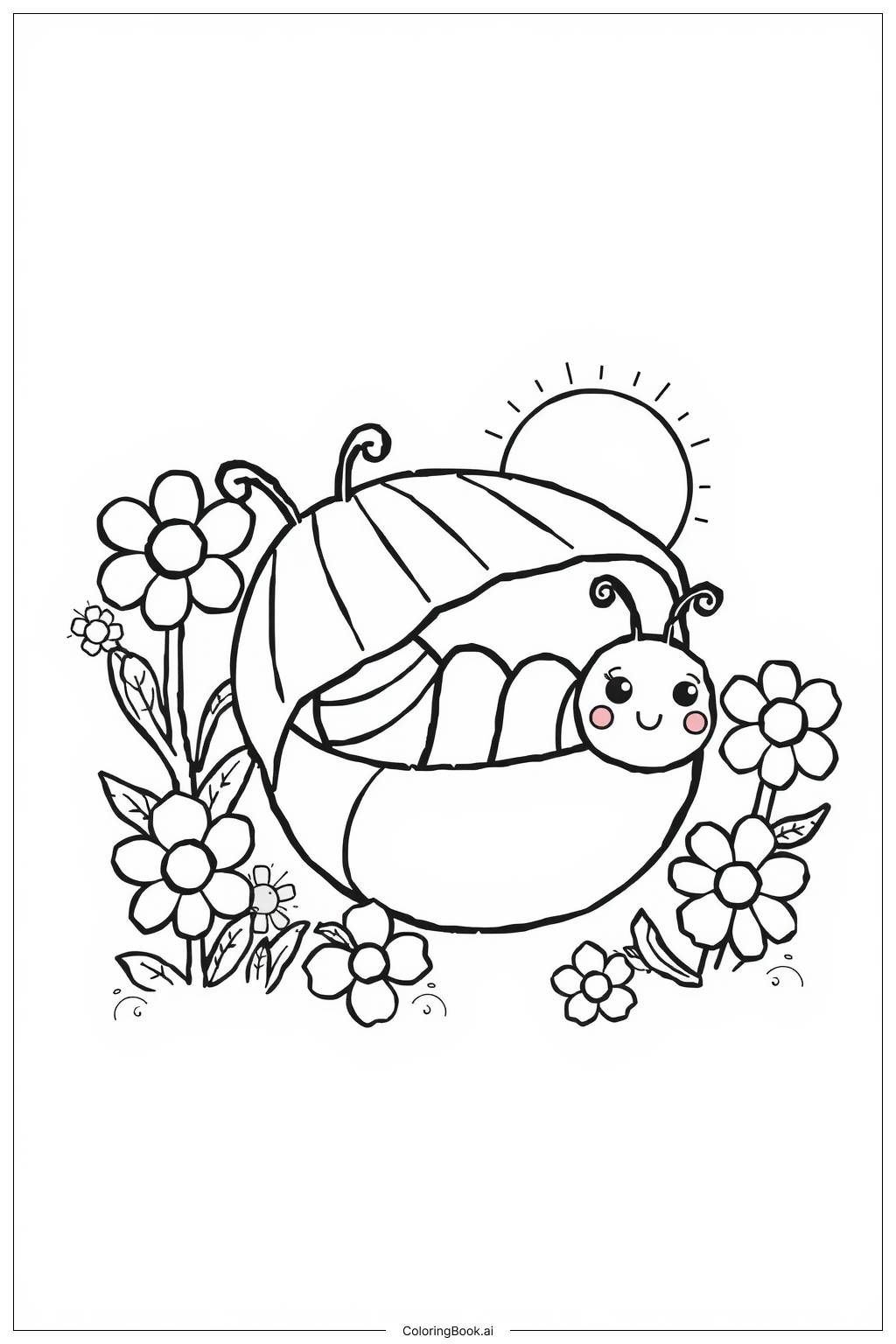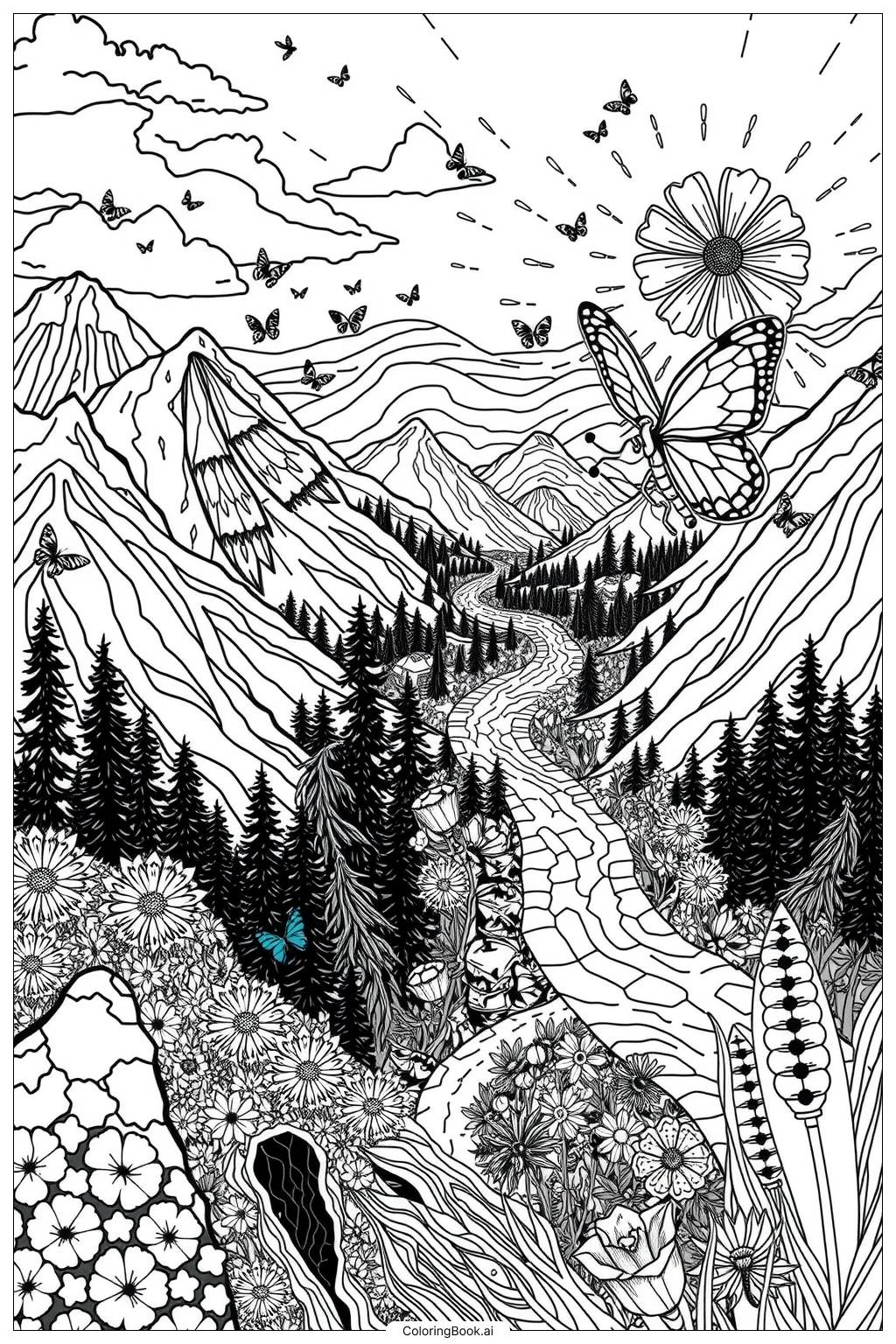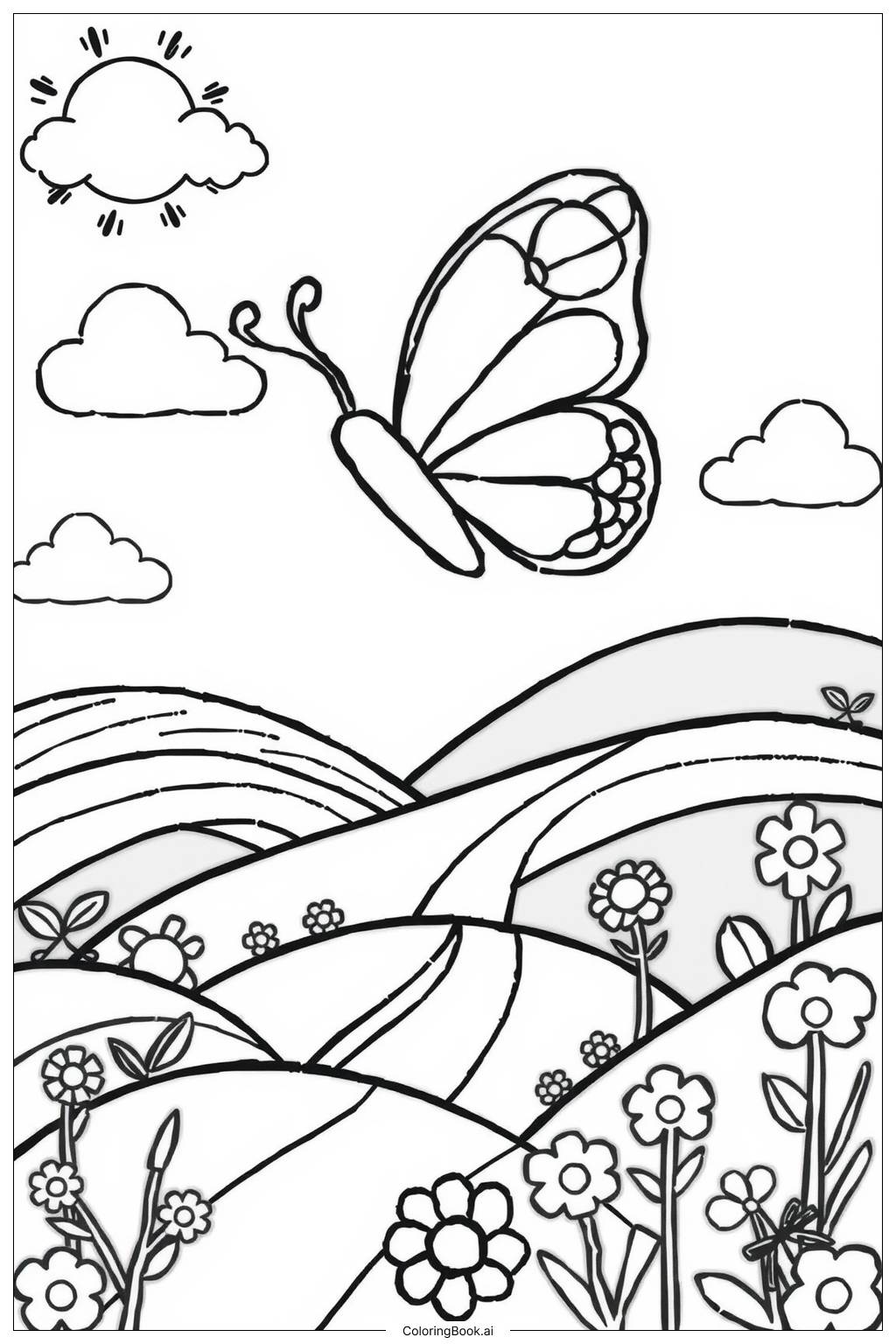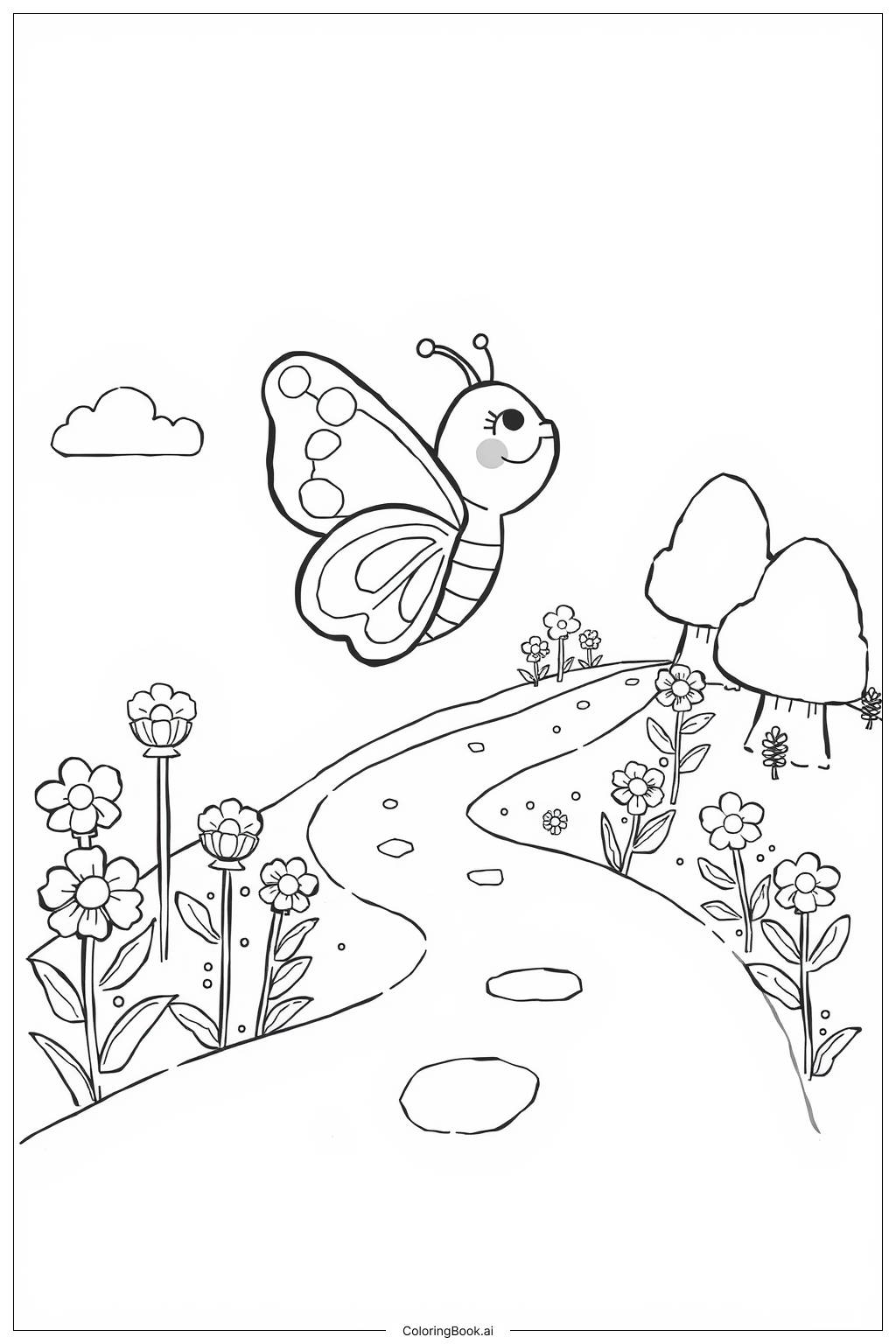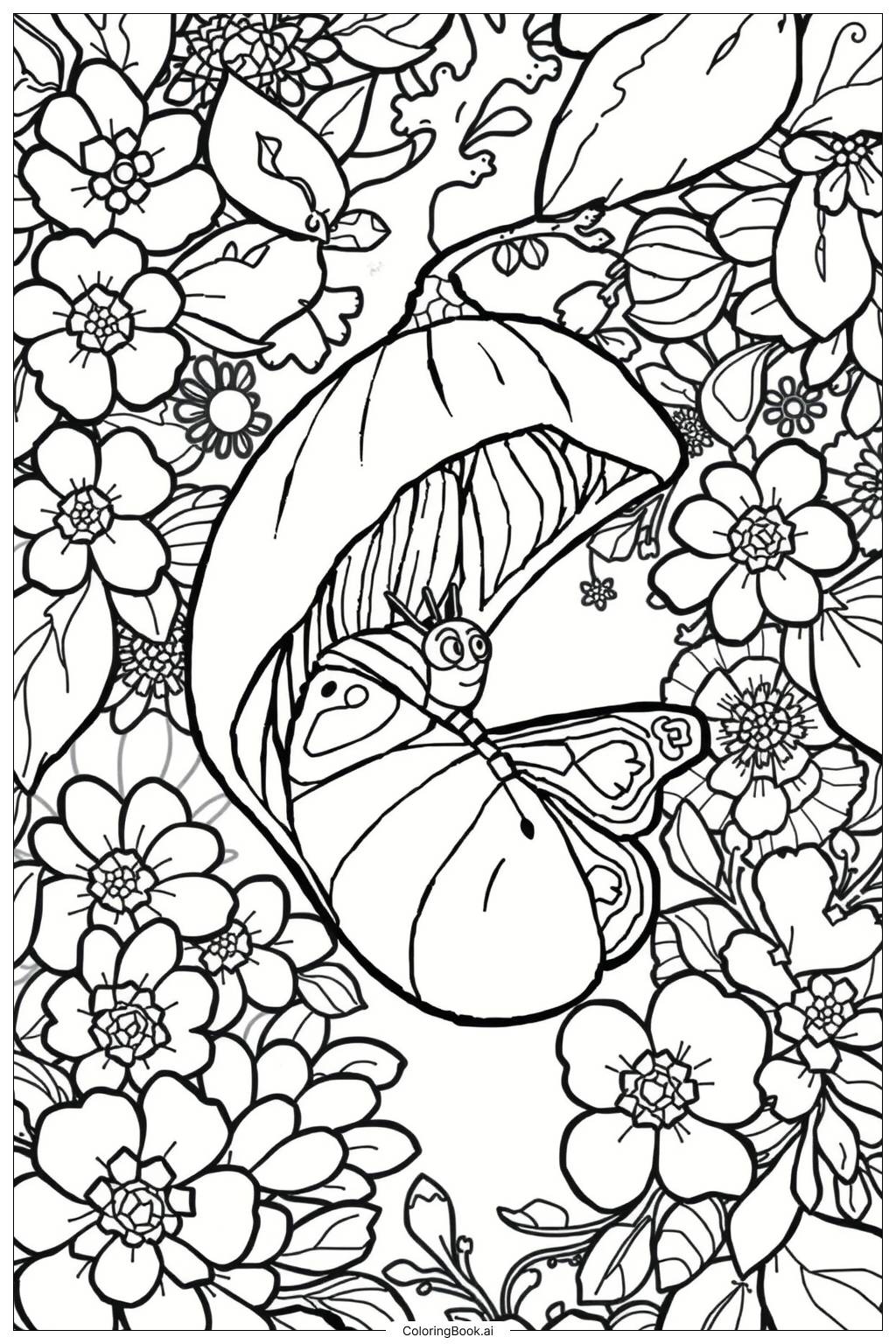
Coloring tips: How to color Cocoon Transformation coloring page well?
Start with the butterfly's wings using bright, warm colors like orange, yellow, and red to make them pop. Add dark outlines or spots in black or deep brown to highlight the wing patterns. For the cocoon, use tan, golden brown, or light green shades to show its silky, woven texture. Color the leaves in various shades of green — mix light green and dark green to add depth. The branch can be done in brown or gray. Try blending colors on the wings to create a gradient effect, going from light in the center to darker at the edges. Use soft colors for the butterfly's body, like brown or orange. Take your time with the small details on the wings — they make the whole picture come alive. Have fun mixing colors to make your butterfly truly unique!
Coloring challenges: Which parts are difficult to color and need attention for Cocoon Transformation coloring page?
• Wing Pattern Complexity: The butterfly's wings are covered in detailed swirls, veins, and geometric shapes. These small sections sit close together, making it easy to accidentally color outside the lines. Using fine-tipped markers or colored pencils will help you stay precise and keep each section neat and clean.
• Cocoon Texture Details: The cocoon is made up of many tiny, overlapping silk threads shown as fine lines. Capturing this layered texture requires careful shading with light and medium tones of brown, tan, or gold. Rushing through this area can make it look flat, so take your time blending the colors gently.
• Color Transitions on the Wings: Butterfly wings often display natural gradients, shifting from one color to another smoothly. Recreating this blending effect, especially in the smaller sections, takes patience and practice. Layering colors lightly and building up tone slowly works better than pressing hard with one color.
• Leaf and Foliage Variety: The surrounding leaves and branches add natural beauty to the scene, but coloring multiple leaf shapes without making them all look the same can be tricky. Try using at least two or three shades of green and vary the direction of your strokes to give each leaf its own look and feel.
• Balancing the Overall Composition: With so many detailed elements, keeping the whole image balanced in color tone is a challenge. If the wings are very bright and bold, the background foliage should be softer and more muted so the butterfly remains the clear focal point of the scene.
Benefits of coloring books: Advantages of drawing Cocoon Transformation coloring page
Coloring this cocoon transformation scene offers many wonderful benefits for children and adults alike. Watching a butterfly emerge from its cocoon is one of nature's most magical moments, and recreating that scene through color makes it even more special and personal.
For younger children, this image builds fine motor skills as they carefully color within the detailed wing patterns and tiny cocoon threads. It also introduces them to the concept of metamorphosis in a fun and engaging way, sparking curiosity about nature and science.
For older kids and teens, the complex wing designs and shading opportunities encourage creative thinking and color theory exploration. Experimenting with gradients and blending develops artistic confidence and patience.
For adults, this page offers a calming and meditative coloring experience. Focusing on the small details helps quiet the mind, reduce stress, and improve concentration. It is a great way to unwind after a busy day.
The transformation theme also carries a meaningful message — that change can be beautiful. Coloring this page can inspire conversations about growth, change, and the wonders of the natural world. It is a rewarding activity that combines creativity, learning, and relaxation all in one beautiful page.