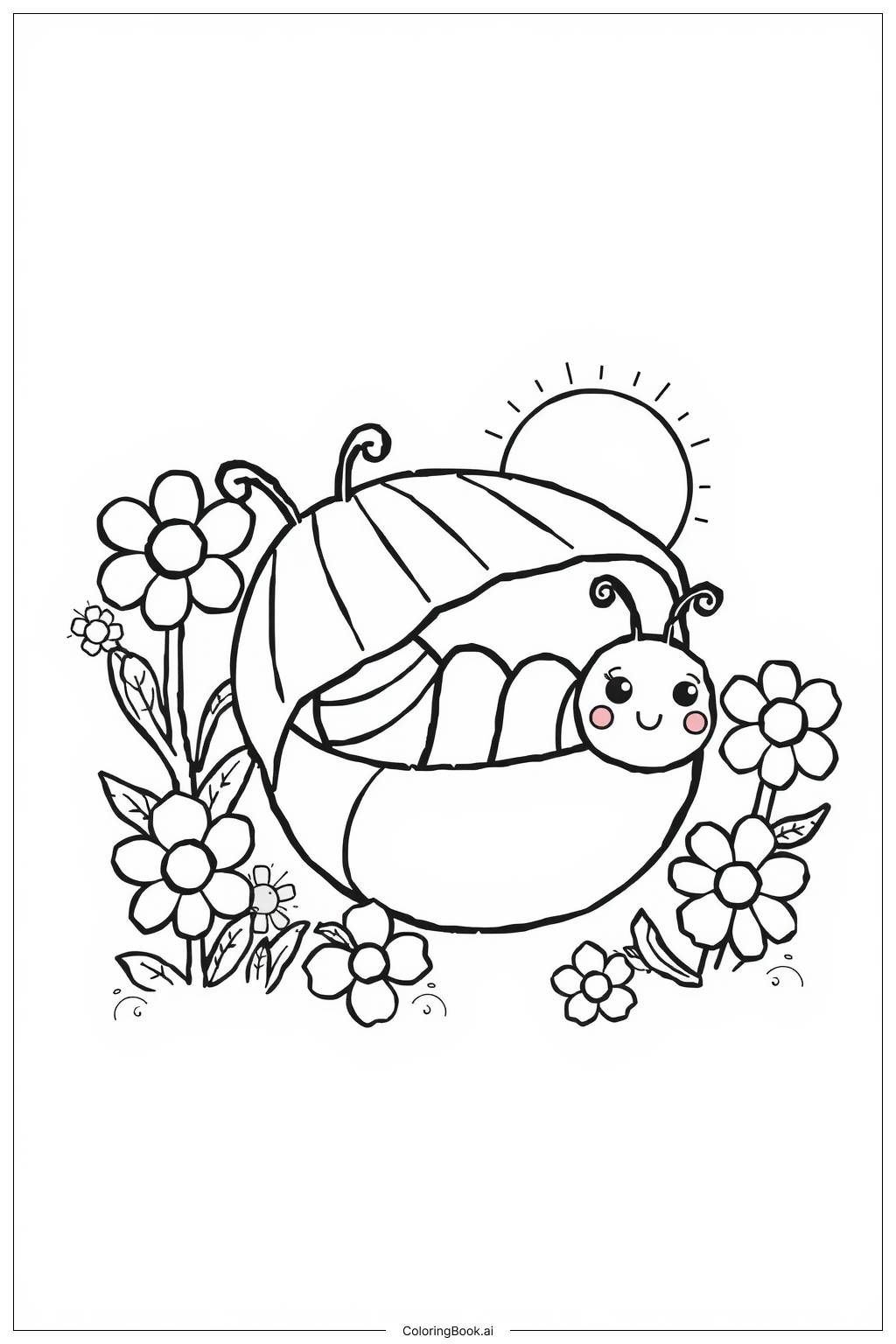
Coloring tips: How to color Cocoon Transformation coloring page well?
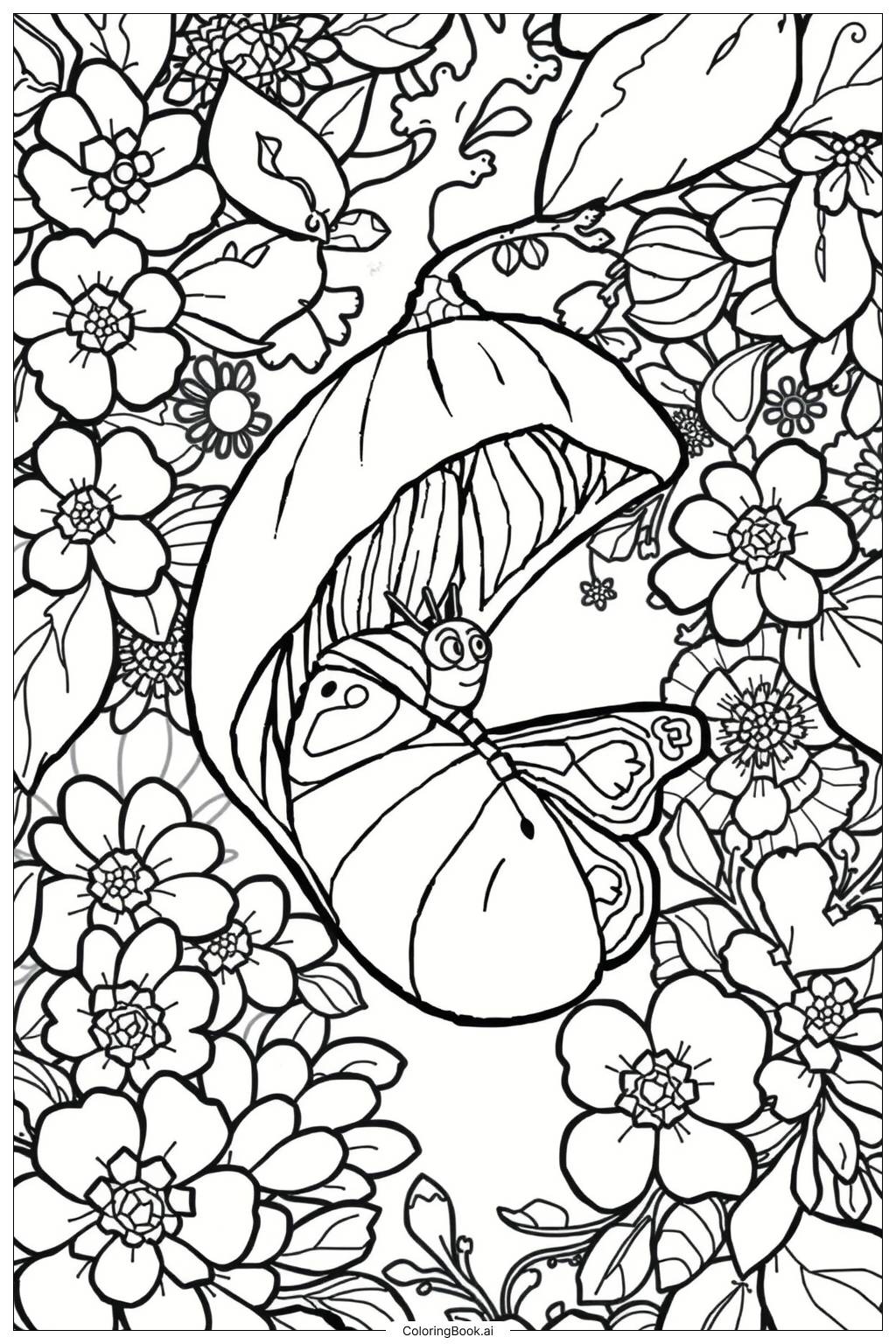
Start with the cocoon itself. Use warm golden yellows and soft greens to give it a natural, organic feel. Add light brown or amber shading along the ridges to create depth and texture. For the branch, try medium and dark brown tones with a few lighter streaks to show the wood grain. Color the leaves in different shades of green — mixing yellow-green for sunlit areas and deeper green for shadowed spots. The vines can be a softer, lighter green. For the butterfly outlines nearby, use bright, cheerful colors like orange, yellow, or blue to contrast with the earthy tones of the cocoon. Leave a soft glow around the cocoon using pale yellow or white to suggest the energy of transformation happening inside. Take your time layering colors to make the image feel alive and full of wonder.
Coloring challenges: Which parts are difficult to color and need attention for Cocoon Transformation coloring page?
• Cocoon Surface Texture: The cocoon has many small ridges, curved lines, and layered sections. Coloring each section while keeping smooth transitions between shades can be tricky. Using the side of your colored pencil or gently blending with your finger helps create a natural, rounded look without harsh lines.
• Shading for Depth: The cocoon and the branch need shading to look three-dimensional. Knowing where to place darker and lighter tones takes practice. Try imagining a light source coming from one direction and keeping your darkest shades on the opposite side.
• Small Detail Areas: The tiny ridges on the cocoon and the thin vine details are very small and close together. Staying inside the lines in these areas requires a sharp pencil or a fine-tip marker. Working slowly and carefully in these sections will make the final result look clean and polished.
• Leaf Color Variation: There are several leaves of different sizes around the scene. Making each leaf look slightly different — using varied greens and adding gentle shading along the veins — adds realism. The challenge is balancing variety without making the leaves look too different from each other.
• Background Balance: If you choose to color a background, keeping it light enough so the cocoon and branch remain the focal point is important. Soft sky blues, pale yellows, or very light greens work well without distracting from the main subject of the transformation.
Benefits of coloring books: Advantages of drawing Cocoon Transformation coloring page
Coloring this cocoon transformation image offers many wonderful benefits for children and young artists. First, it teaches kids about nature and the life cycle of a butterfly in a fun and hands-on way. Learning while being creative helps the lesson stick. Second, working on the detailed ridges and small features of the cocoon builds fine motor skills and improves hand control, which is great for writing and other precise tasks. Third, choosing colors and deciding how to shade different areas encourages creative thinking and problem-solving. Kids learn to make decisions and trust their own artistic instincts. Fourth, the calming, repetitive motion of coloring helps reduce stress and promotes focus. Spending quiet time with this page can feel peaceful and relaxing. Fifth, completing a detailed coloring page like this one builds patience and a sense of accomplishment. When children finish and see their colorful artwork, it boosts their confidence and pride in their work. Overall, this image is a beautiful blend of nature, science, and creativity that makes coloring both educational and enjoyable for young artists of all skill levels.