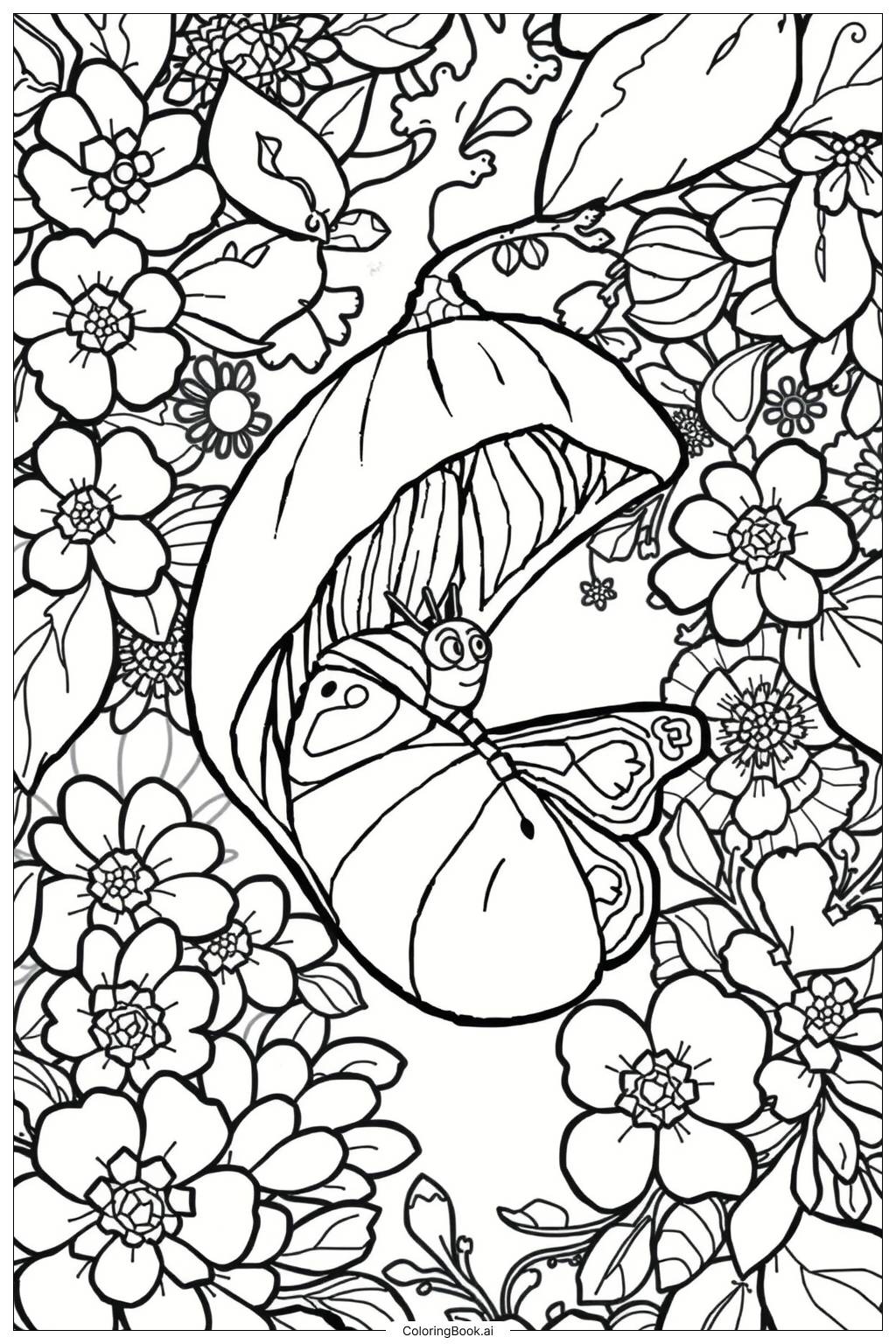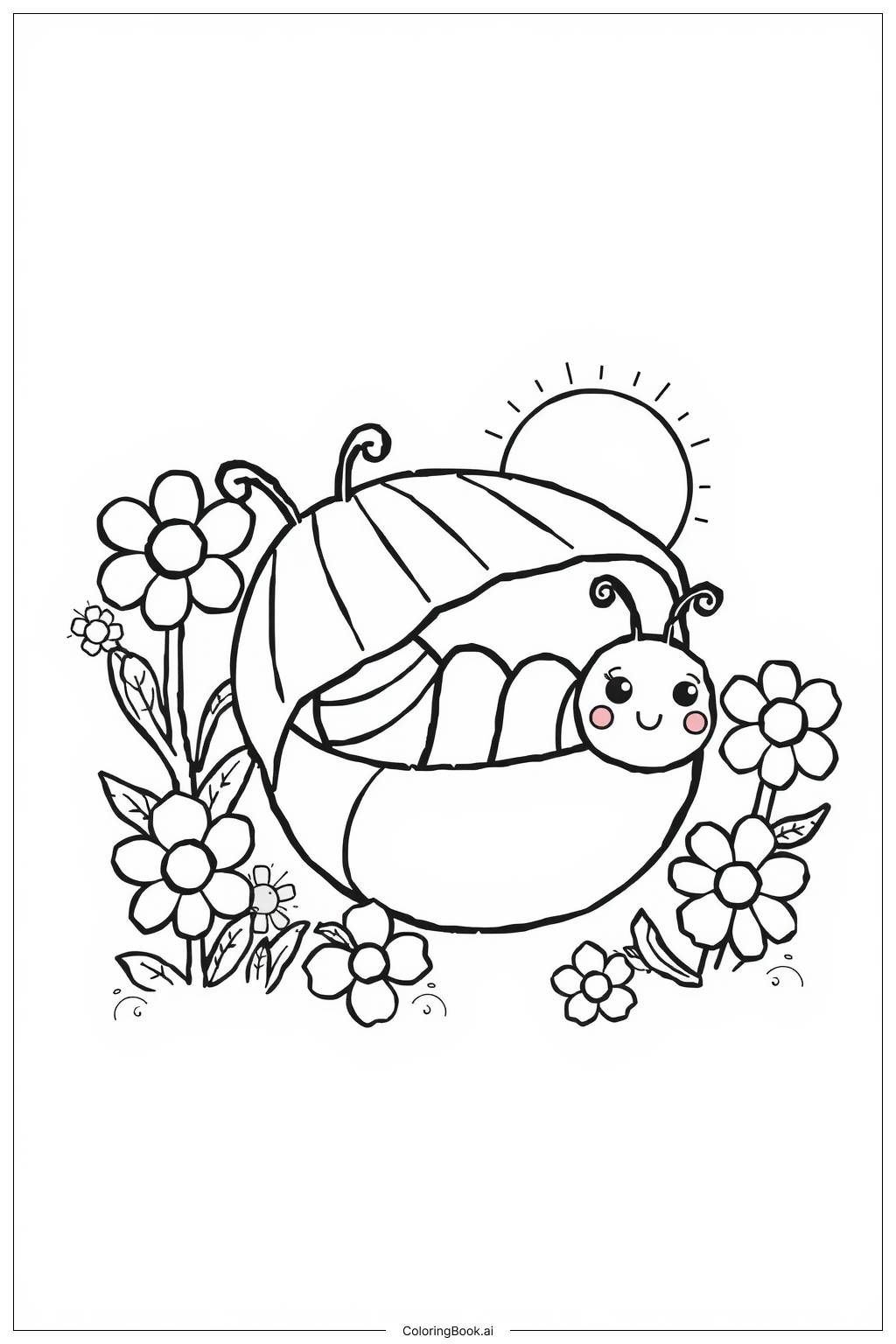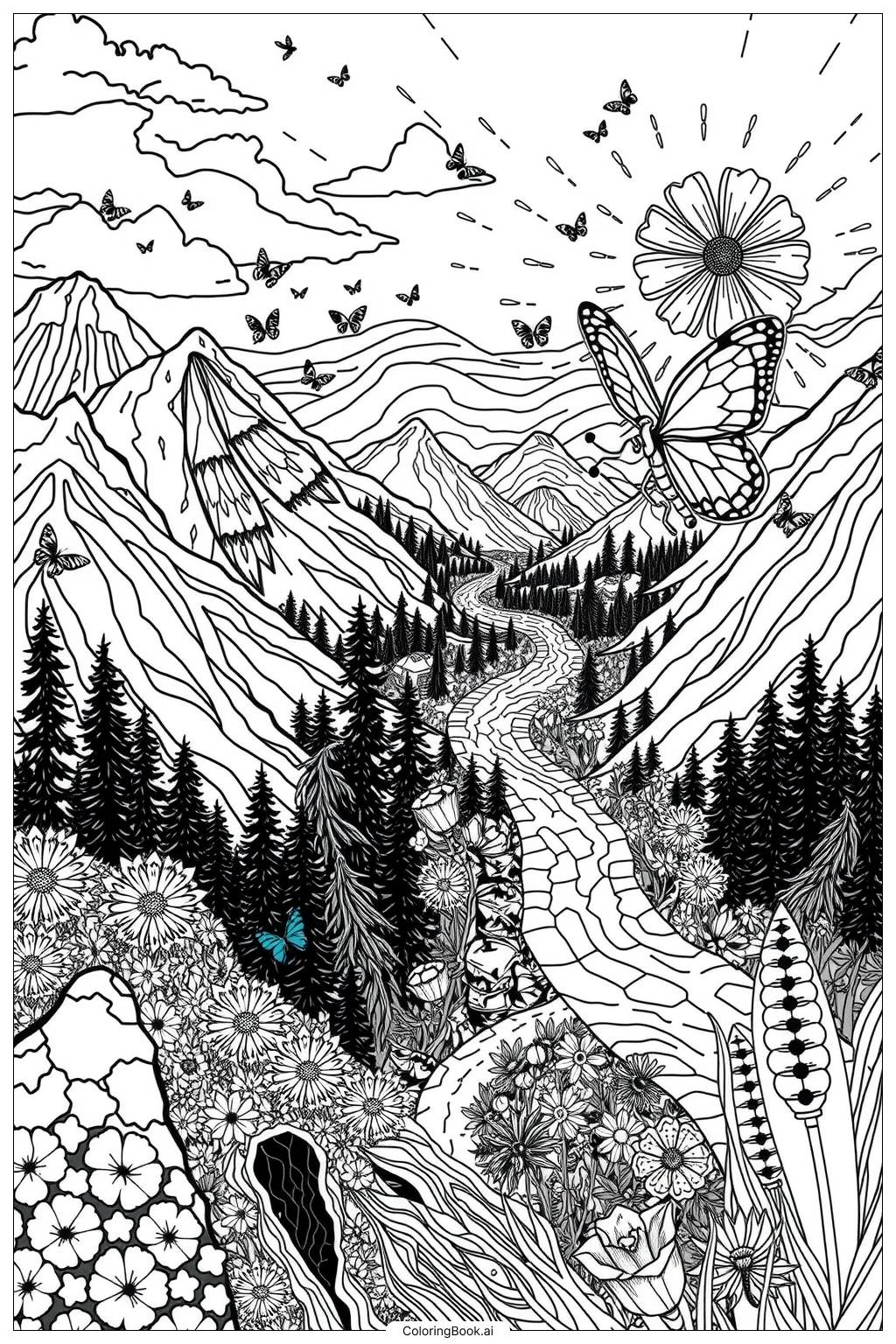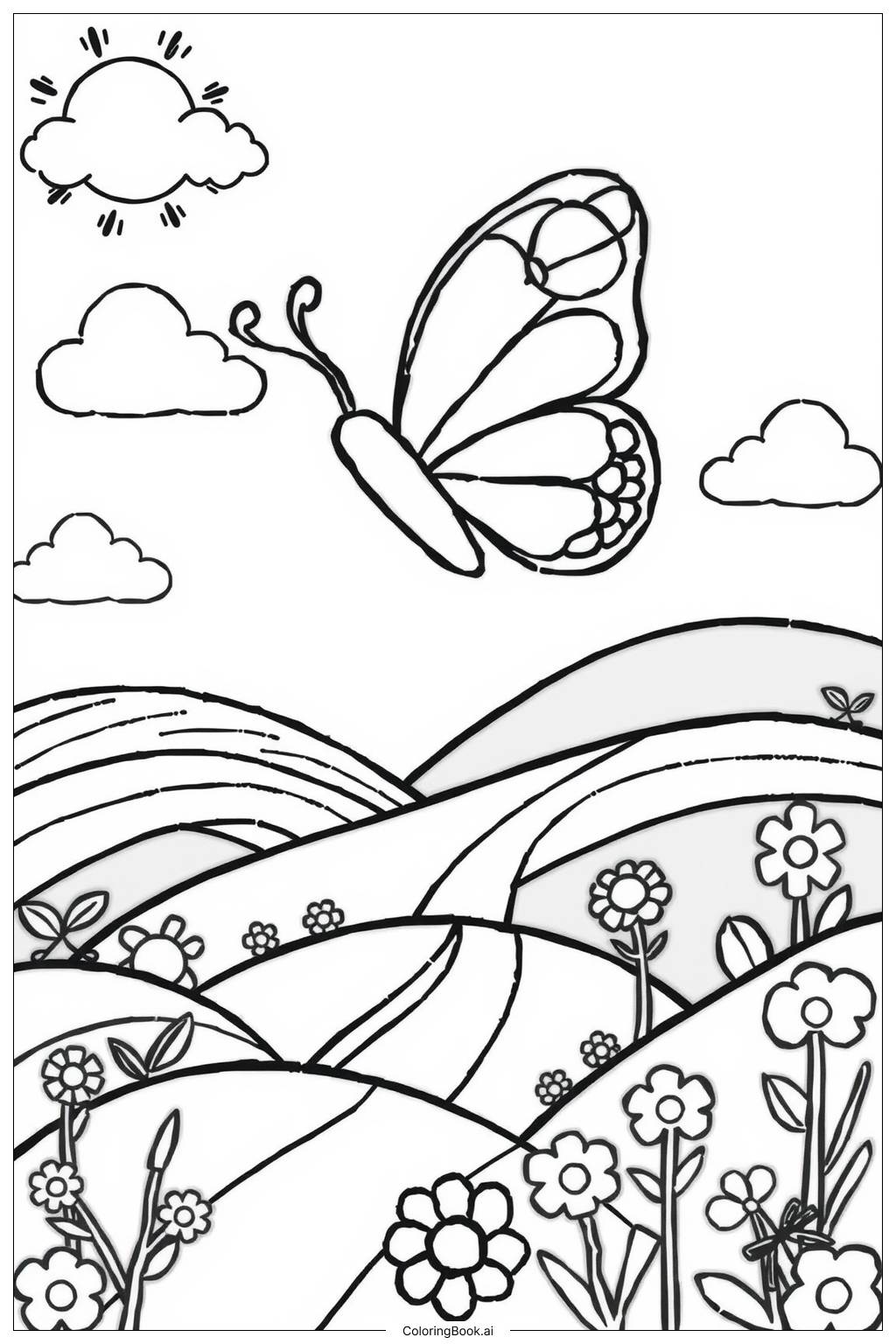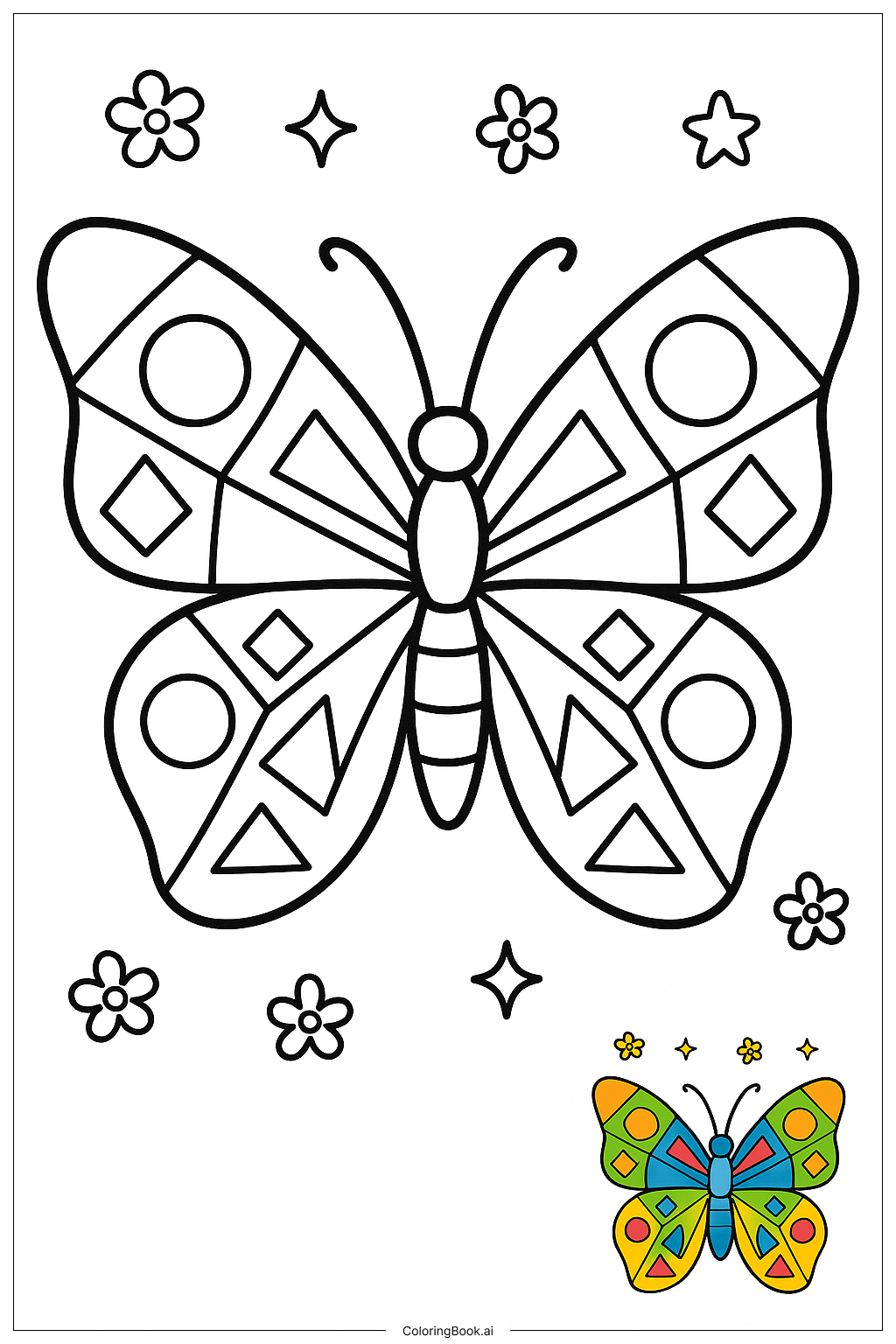
Coloring tips: How to color Butterfly With Kaleidoscope Patterns coloring page well?
Start by choosing a color scheme before you begin. You can go with rainbow colors for a bright, energetic look, or pick two or three colors for a bold, modern style.
Color the butterfly's body first using a dark shade like brown, black, or deep purple. This helps anchor the image.
For the wings, work from the center outward. Fill the innermost mandala shapes with warm tones like yellow, orange, or red. Then move outward using cooler tones like blue, green, or violet. This creates a natural gradient effect.
Keep the symmetry in mind. Try to mirror your color choices on both wings so the design looks balanced and harmonious.
Use lighter colors inside large open shapes and darker shades near the edges and borders. This adds depth and dimension.
Colored pencils work well for blending in small sections. Markers give bold, vibrant results in larger areas. Watercolors can create a soft, dreamy look.
Don't forget the background. A soft wash of color there can make the butterfly pop without stealing attention from the detailed wings.
Coloring challenges: Which parts are difficult to color and need attention for Butterfly With Kaleidoscope Patterns coloring page?
• Symmetry Matching: The kaleidoscope design relies heavily on perfect symmetry between the left and right wings. Keeping your color choices consistent and mirrored on both sides can be tricky, especially when working section by section. A small inconsistency can disrupt the visual harmony of the entire image. Planning your palette in advance and marking matching sections before coloring can help you stay on track.
• Tiny Intricate Details: Many areas of the wing contain very small repeating shapes, fine lines, and miniature decorative elements. Coloring inside these tight spaces requires a sharp pencil or a fine-tip marker. It is easy to accidentally color outside the lines or blend two sections together unintentionally. Patience and a steady hand are essential for handling these delicate parts of the design.
• Managing Color Transitions: Creating smooth and visually pleasing color gradients across the wing panels is challenging. Moving from warm to cool tones or dark to light shades without harsh jumps takes practice. Blending colored pencils or layering colors gradually can help, but it requires time and care to achieve a polished result.
• Background Integration: The background features its own subtle patterns that need to be colored in a way that complements rather than competes with the butterfly. Choosing colors that are softer or less saturated than those used on the wings is important. Misjudging the contrast can make the overall image feel cluttered or visually overwhelming.
• Avoiding Muddy Colors: With so many sections packed closely together, there is a risk of colors bleeding into one another, especially with markers or watercolors. Allowing each section to dry fully before coloring an adjacent area helps prevent unwanted color mixing and keeps the design crisp and clean.
Benefits of coloring books: Advantages of drawing Butterfly With Kaleidoscope Patterns coloring page
Coloring this butterfly kaleidoscope image offers a wide range of rewarding benefits for both kids and adults.
For younger children, it builds fine motor skills and hand-eye coordination as they carefully fill in small shapes and intricate patterns. It also teaches them about color relationships, symmetry, and balance in a fun and hands-on way.
For older kids and teens, this image encourages creative decision-making and self-expression. Choosing a personal color palette and bringing a complex design to life builds confidence and a sense of accomplishment.
For adults, working through the detailed sections provides a meditative, calming experience. It helps quiet a busy mind, reduce stress, and bring focus into the present moment. Many people find this kind of mindful activity similar to the benefits of meditation.
The kaleidoscope structure also sparks curiosity about geometric patterns, mathematical symmetry, and natural design found in real butterflies. This makes it a wonderful tool for combining art with learning.
Completing a detailed piece like this also fosters patience and perseverance. It reminds colorists of all ages that beautiful results come from taking things one small step at a time. The finished artwork becomes something to be genuinely proud of and worth sharing or displaying.