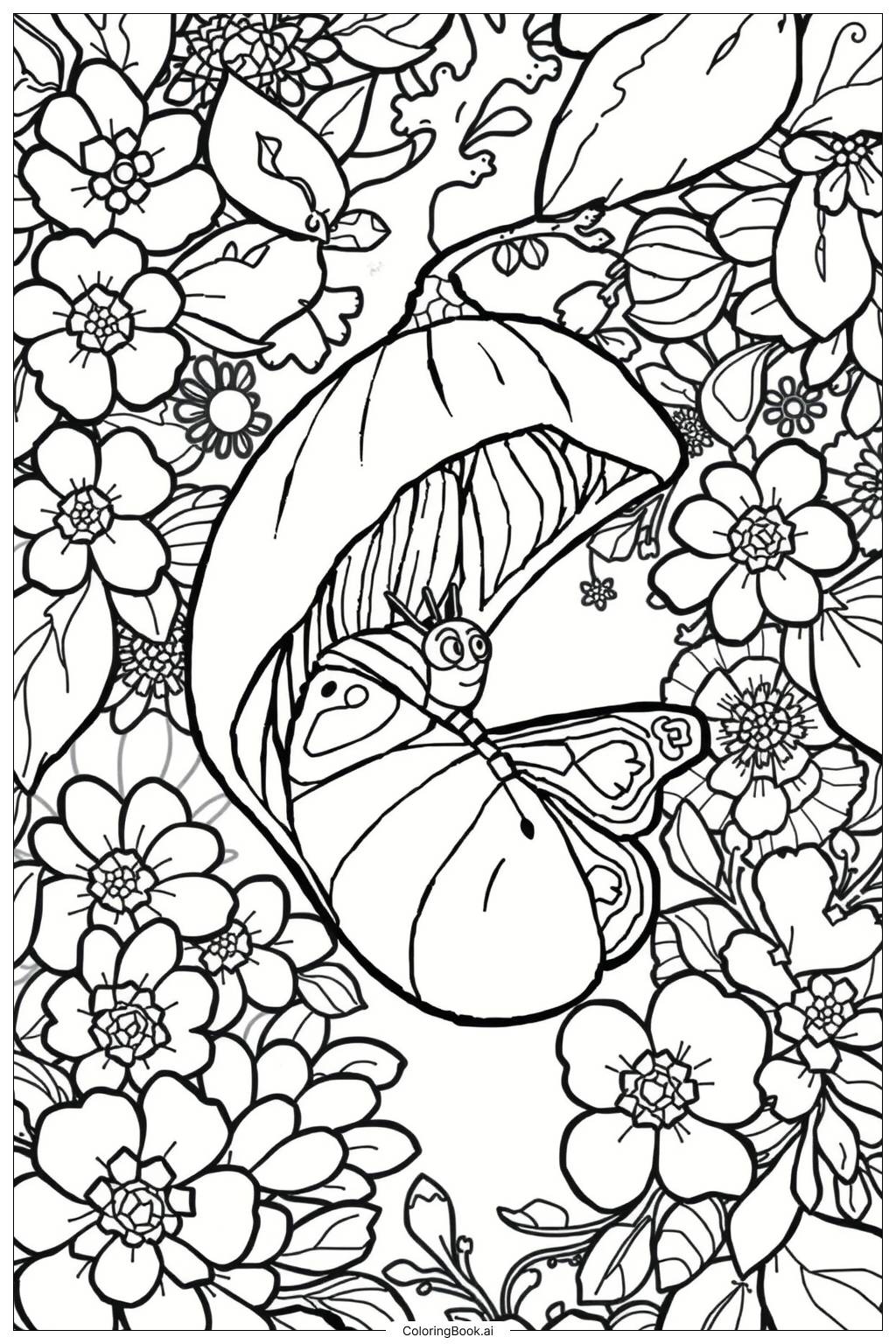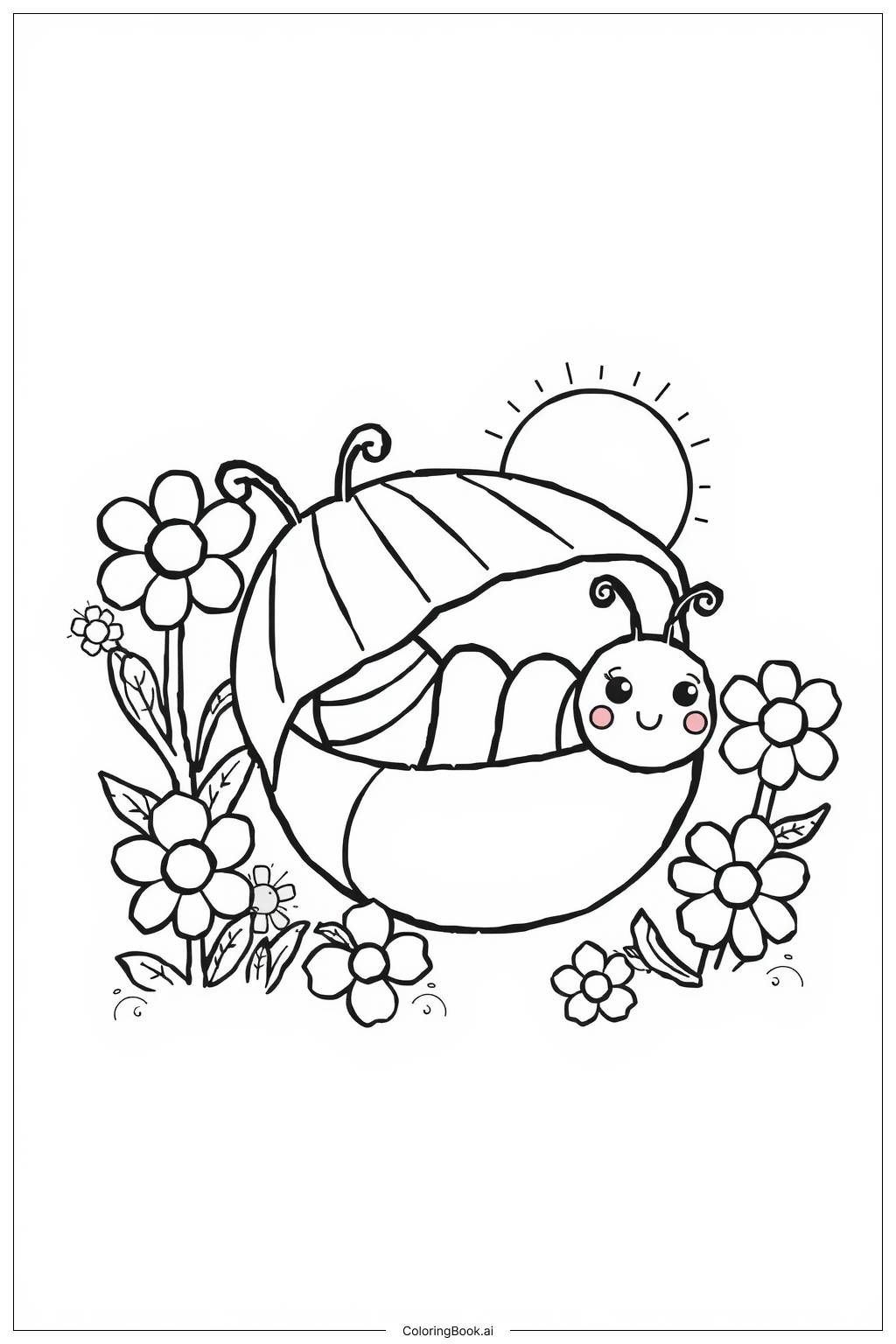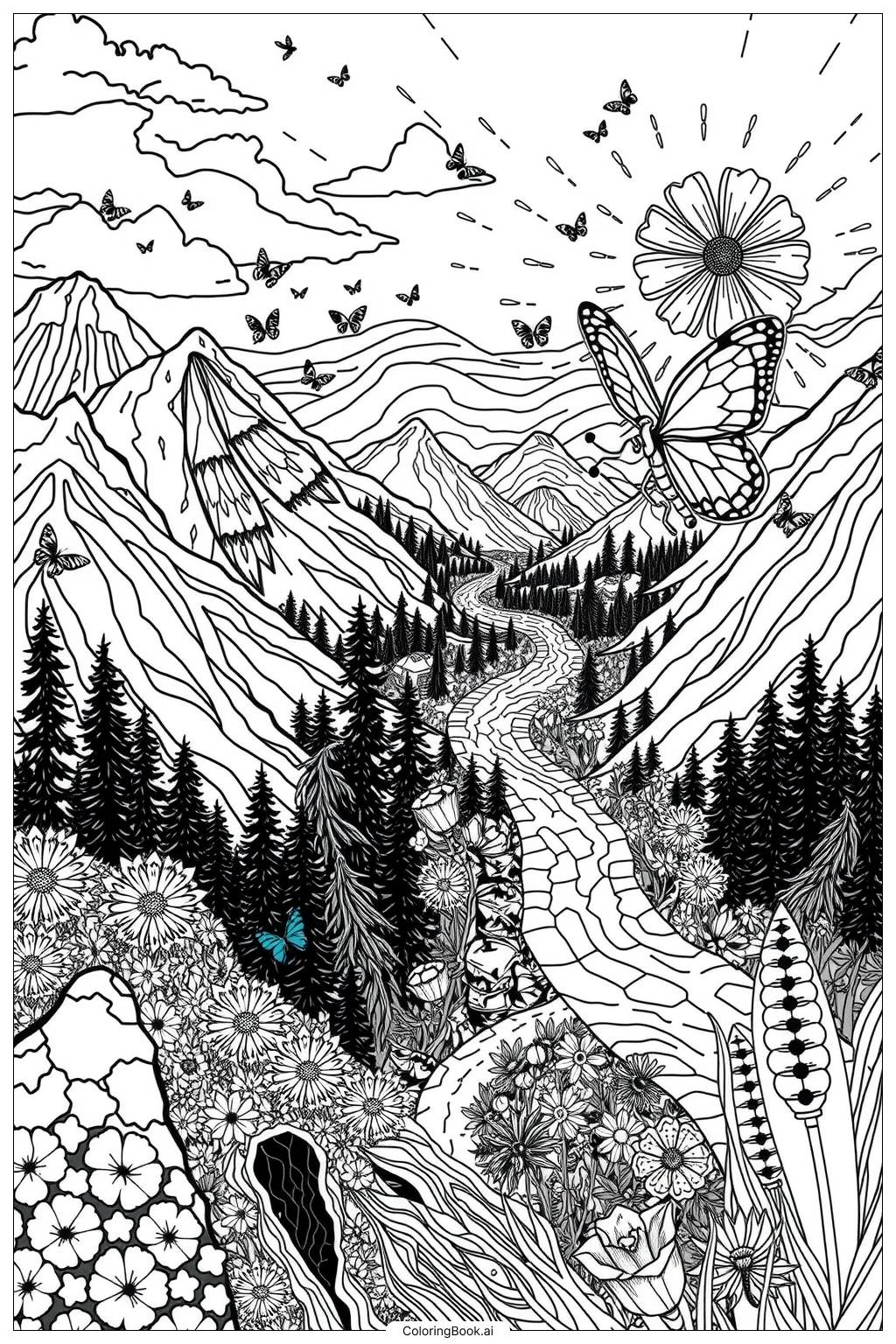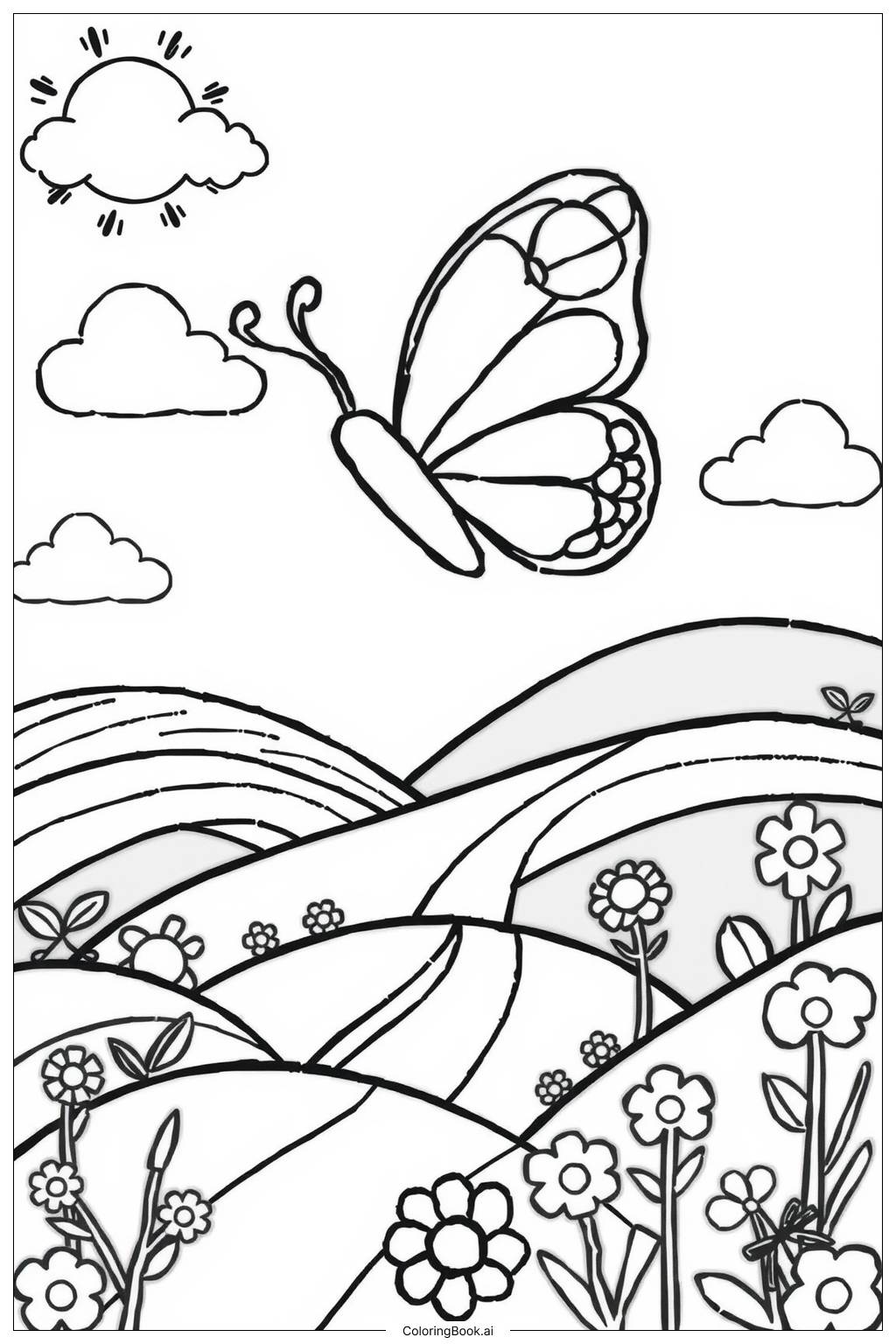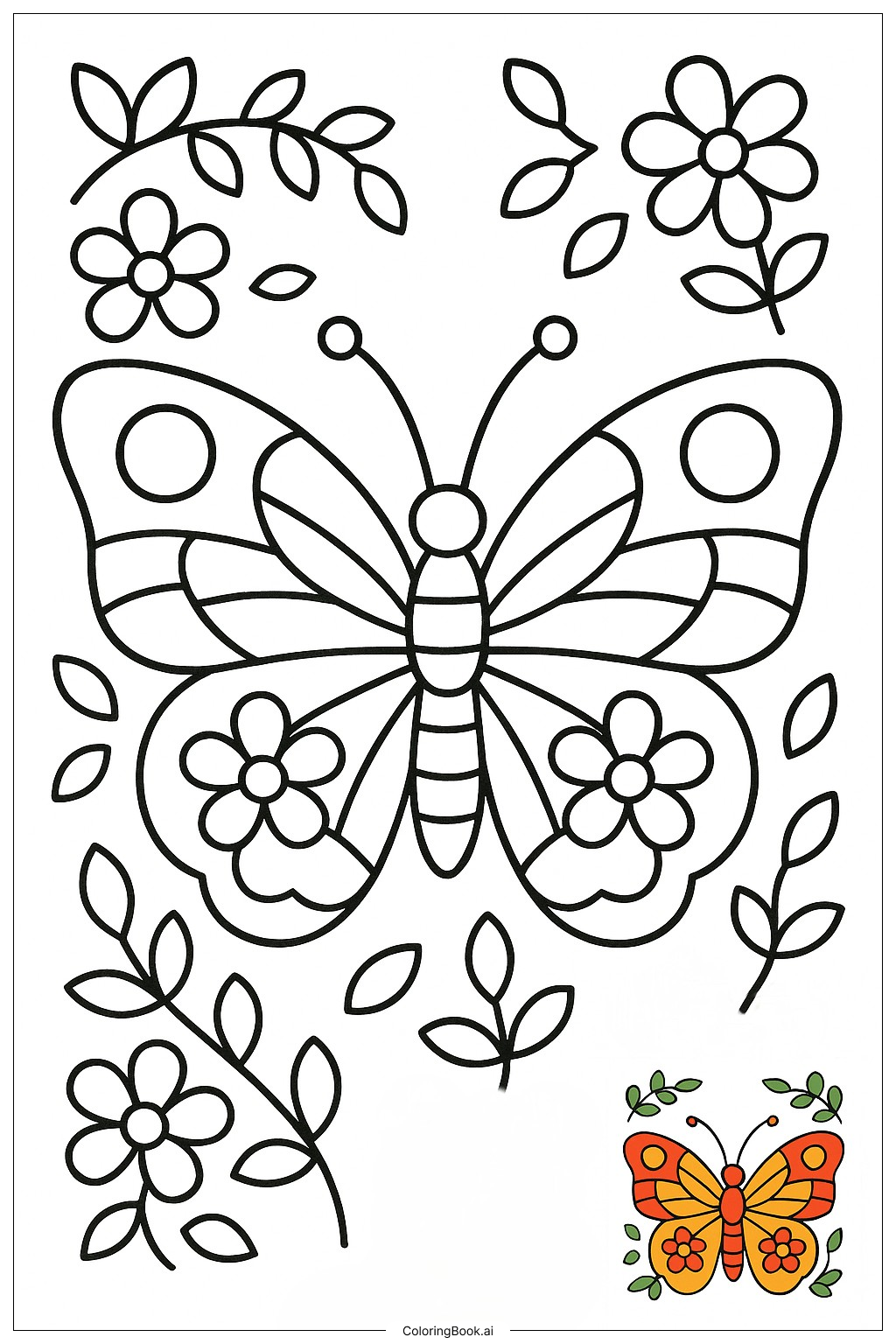
Coloring tips: How to color Butterfly Wings With Botanical Details coloring page well?
Start with the butterfly's wings, as they are the focal point of the image. Choose two or three main colors for the wings, such as warm orange and golden yellow, or soft lavender and sky blue. Use these colors in large sections first, then add darker shades along the edges to create depth. For the botanical details inside the wings — flowers, leaves, and vines — try using greens and soft pinks or purples. Vary the shades slightly so each element stands out. Color the butterfly's body in a dark brown or deep navy to contrast with the wings. For the surrounding plants and flowers, use a mix of greens, yellows, and soft reds. Younger colorists can use bold, bright colors freely. Older colorists can try blending or shading for a more realistic look. There are no wrong color choices here — have fun and make it your own.
Coloring challenges: Which parts are difficult to color and need attention for Butterfly Wings With Botanical Details coloring page?
• Intricate Wing Patterns: The wings are filled with small, closely spaced botanical shapes like petals, leaves, and curving vines. Staying inside these tiny lines requires patience and a fine-tipped colored pencil or marker. Rushing this section may cause colors to bleed into neighboring areas, so take your time with each small shape.
• Maintaining Color Symmetry: Because the butterfly's wings are mirror images of each other, keeping the colors balanced on both sides can be tricky. If one wing uses orange for the large petals, the other side should match. Losing track of which colors go where is easy, so it helps to color both wings at the same time, section by section.
• Depth and Shading in Botanical Elements: The flowers and leaves layered across the wings overlap each other. Creating a sense of depth means using lighter and darker versions of the same color. For younger colorists, this concept can be challenging to apply consistently across so many small details.
• Coloring the Background Botanicals: The surrounding flowers and fronds outside the wings also contain fine lines and layered shapes. Choosing colors that complement the wings without making the whole image look too busy is a real challenge, especially for beginners who are still learning color balance.
• Fine Line Body Details: The butterfly's body and antennae are drawn with very thin lines. Coloring such narrow areas without going outside the lines demands a sharp pencil tip and steady hands, which can be difficult for younger or less experienced colorists.
Benefits of coloring books: Advantages of drawing Butterfly Wings With Botanical Details coloring page
Coloring this butterfly and botanical design offers many wonderful benefits for kids and older colorists alike. Working through the detailed wing patterns builds fine motor skills and improves hand control, which helps with writing and other everyday tasks. Focusing on staying inside the small lines trains concentration and patience — skills that are useful in school and daily life. Choosing colors for the flowers, leaves, and wings encourages creative thinking. There is no single right answer, so colorists learn to trust their own choices and develop personal style. This kind of open-ended creativity builds confidence. The repetitive, calming nature of coloring intricate botanical details is also great for reducing stress and anxiety. Many people find that focusing on a detailed image helps quiet busy thoughts and brings a sense of peace. For younger children, learning about butterfly anatomy and plant shapes through art is an engaging way to connect with nature. Parents and kids can color together and talk about the flowers and butterfly life cycles shown in the image, turning coloring time into a fun learning experience.