Coloring tips: How to color Western Trail Signpost coloring page well?
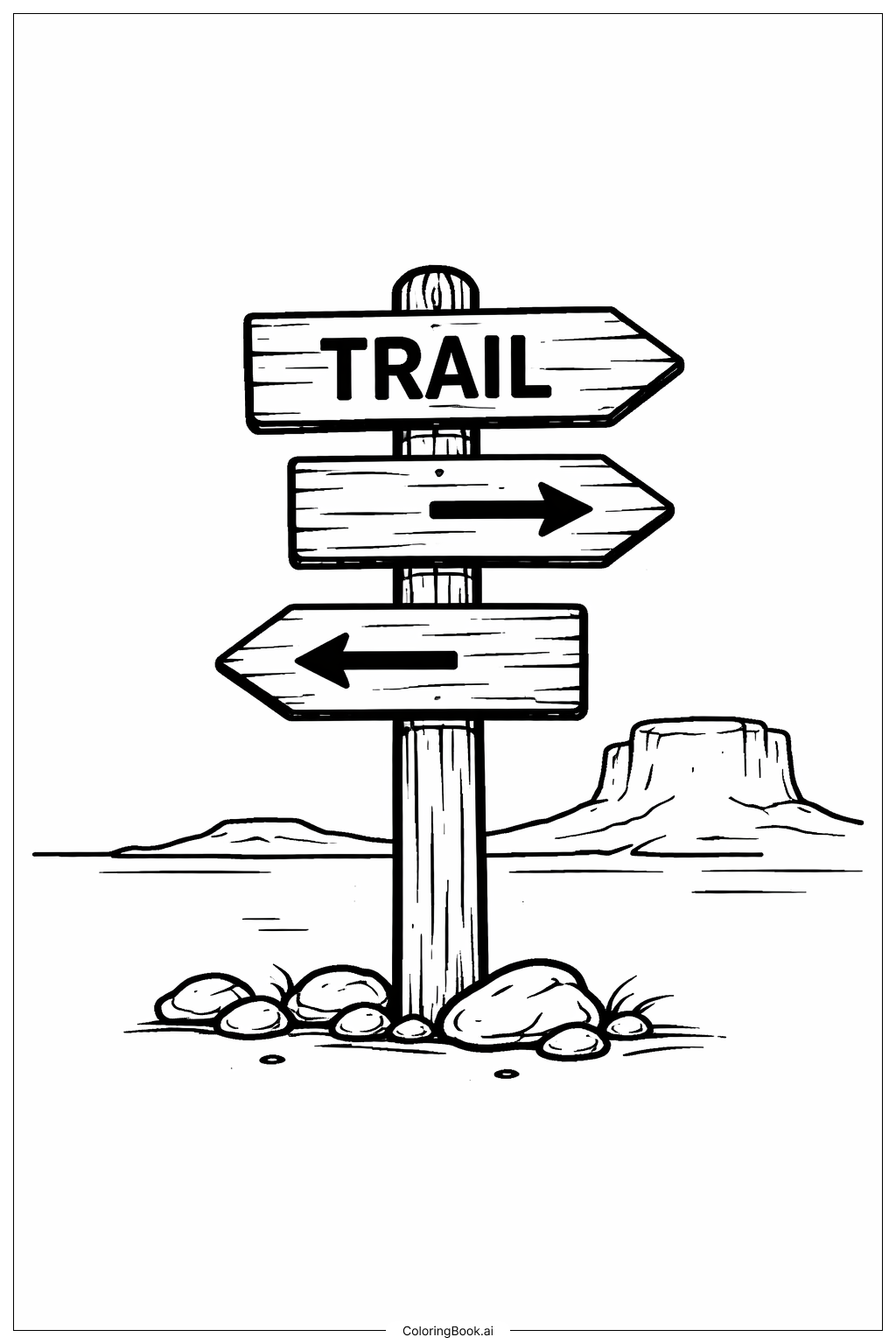
Start with the wooden signpost by using warm brown and tan shades. Add darker brown along the edges and grain lines to give the wood a rough, weathered look. Use sandy yellows and light oranges for the dusty trail beneath the post. Color the sky with soft blues or warm sunset oranges and pinks for a dramatic Western feel. Any cacti can be colored in shades of green, from deep forest green to bright lime. Desert brush and shrubs look great in olive green or muted yellow-green. Use bold, dark lettering for the town names on the signs to make them pop. For the distant hills or mountains, try earthy purples, muted reds, or dusty browns. Kids can go creative and make the scene feel like high noon or a glowing sunset. The key is using warm, earthy tones to capture that rugged Old West atmosphere.
Coloring challenges: Which parts are difficult to color and need attention for Western Trail Signpost coloring page?
• Wooden Texture Details: The signpost and arrow signs have wood grain lines and rough edges that can be tricky to color. You need to layer light and dark browns carefully to make the wood look real and aged without making it look too flat or too messy. Blending two or three shades of brown works best here.
• Small Lettering on Signs: Each arrow sign has town names or direction labels written on it. Coloring around tiny letters without going over the lines requires a very fine-tipped tool. Colored pencils with sharp tips are ideal for this area. Markers may bleed into the letters if not used carefully.
• Multiple Overlapping Signs: Several arrow signs point in different directions and may overlap each other. Deciding which color to use for each sign so they look distinct but still harmonious takes planning. Using alternating warm and cool tones can help separate them visually.
• Background Depth and Distance: The background includes sky, distant hills, and ground elements like trails and desert plants. Creating a sense of depth means using lighter, cooler colors for far-away objects and stronger, warmer colors for things up close. This technique, called atmospheric perspective, can be challenging for younger colorists.
• Desert Vegetation: Cacti and desert shrubs have many small spines and jagged edges. Staying inside those thin lines while still showing dimension with light and shadow takes patience and a steady hand. Using a lighter green for highlights and a darker green for shadows adds great depth to these plants.
Benefits of coloring books: Advantages of drawing Western Trail Signpost coloring page
Coloring this Western Trail Signpost page offers a wonderful mix of fun and learning for kids and adults alike. The scene encourages creativity as colorists get to imagine and design their own version of the Wild West. Choosing colors for wood, sky, desert plants, and distant hills helps develop a strong sense of color harmony and how colors work together in nature.
Working on the small details, like the lettering on the signs and the fine lines of wood grain, builds fine motor skills and improves hand-eye coordination. This kind of focused, careful coloring helps children develop patience and attention to detail that carries over into school and everyday tasks.
The Western theme also sparks imagination and storytelling. Kids may start thinking about who put up the signpost, where each trail leads, and what adventures await around the next bend. This kind of creative thinking boosts language skills and encourages curiosity about history and geography.
For older kids and adults, the layering techniques needed for realistic wood and sky tones make this a satisfying artistic challenge. Completing the page gives a real sense of accomplishment. Overall, this coloring page is a relaxing, screen-free activity that calms the mind while keeping it actively engaged.