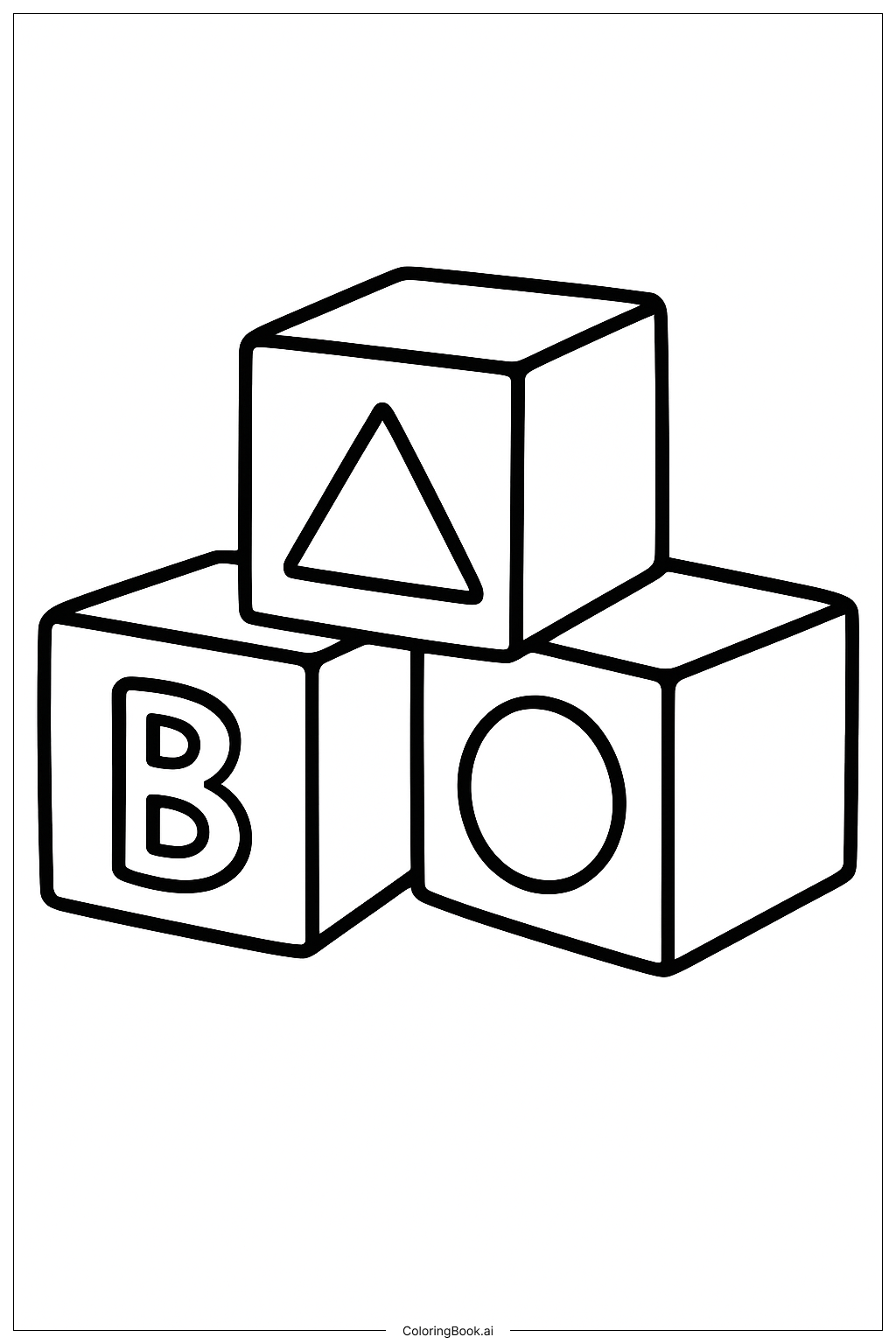
Coloring tips: How to color Science Puzzle Blocks coloring page well?
Try using bright and varied colors to make each science block stand out. For example, color the atoms with shades of blue and red to highlight their energy. Use green and purple for the test tubes to give a magical lab vibe. The planets can be colored with warm oranges, yellows, and earth tones to resemble the solar system. Feel free to experiment with bold outlines in darker colors to make the shapes pop. Coloring the gears in metallic silver or gray tones will make them look mechanical and realistic. Remember to mix and match vibrant hues to keep the image lively and fun. You can also create patterns or gradients on the blocks to make them more dynamic.
Coloring challenges: Which parts are difficult to color and need attention for Science Puzzle Blocks coloring page?
• Small Details: Some blocks have tiny symbols like atoms and molecules that require careful coloring to stay inside the lines and keep shapes clear. Patience is needed here. • Overlapping Shapes: The blocks stack unevenly, so parts of some blocks are partially hidden or behind others, making it tricky to decide where one block ends and another begins. • Repetitive Patterns: The puzzle includes repeating scientific icons that could make coloring feel repetitive. Finding creative color combinations is essential to keep interest alive. • Mixed Themes: Since different scientific fields are represented, balancing colors so the sections don’t clash too much is a challenge. You must think about thematic color groupings. • Fine Lines: Some outlines and details are thin, and coloring neatly around them can be difficult, especially for younger children just learning to control a crayon or pencil.
Benefits of coloring books: Advantages of drawing Science Puzzle Blocks coloring page
Coloring this Science Puzzle Blocks image helps children develop fine motor skills by practicing precise hand movements needed to color small patterns and detailed shapes. It stimulates creativity as children decide which colors best represent different science symbols and experiment with unique combinations. This activity also fosters interest in Science by making learning visual and playful, encouraging kids to ask questions about atoms, planets, and other scientific objects they see. Additionally, completing the puzzle design through coloring promotes focus and patience, skills that benefit learning in all areas. Overall, this image combines education and fun to engage children in both art and science.