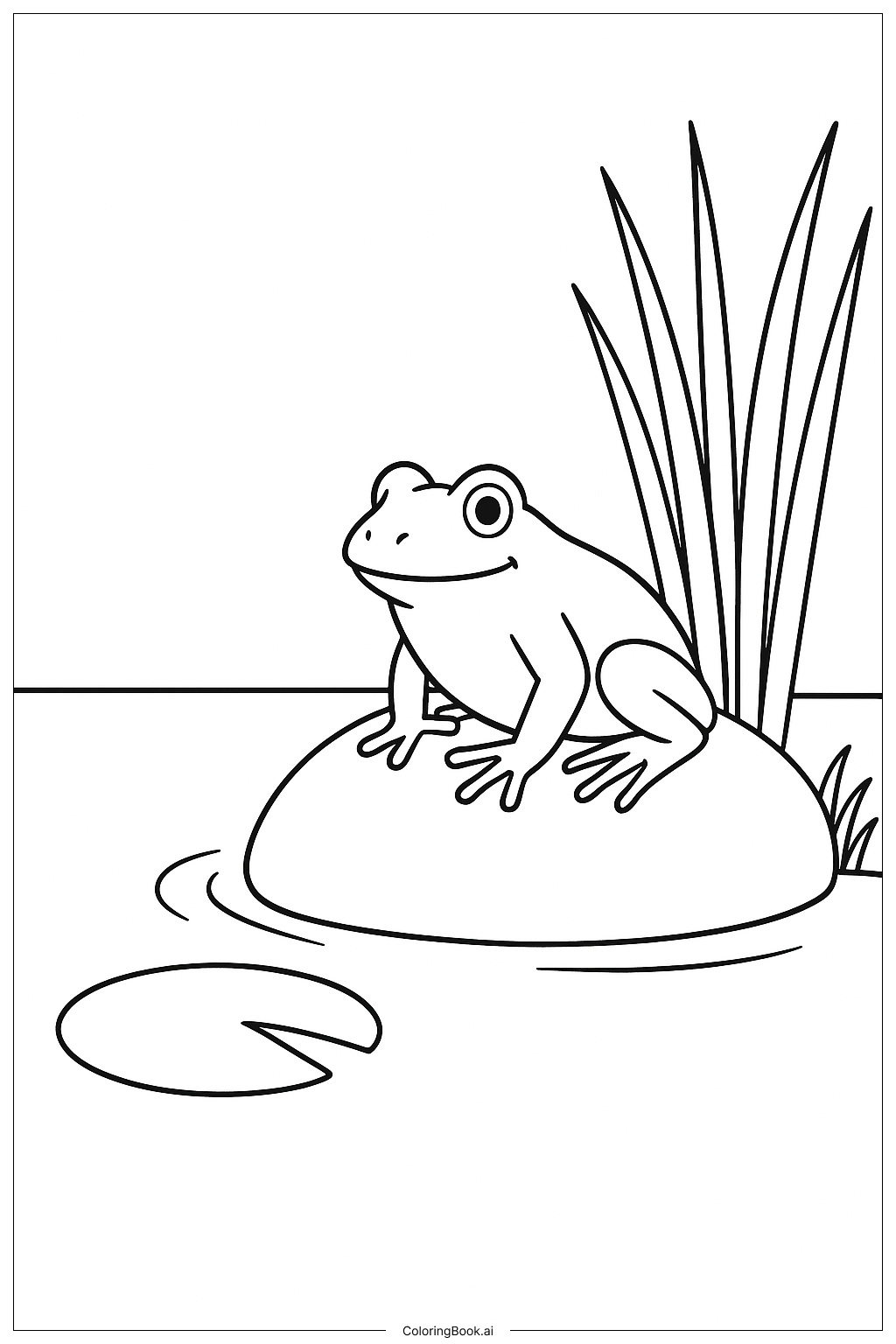
Coloring tips: How to color Science Pond Life coloring page well?
For this image, try using bright greens and browns for the plants and reeds to reflect natural pond life. Use various shades of blue and teal for the water to give it depth and movement. Color the frog in different shades of green or even yellow to make it stand out. Fish can be colored in bright hues like orange or gold, as many pond fish have colorful scales. For the dragonflies and insects, experiment with blues, purples, or metallic tones to show their delicate wings. Leave some white or lighter spaces on the water surface to suggest reflections and light. This variety of colors will bring this Science Pond Life scene vividly to life.
Coloring challenges: Which parts are difficult to color and need attention for Science Pond Life coloring page?
• Small Details: Many tiny insects, bubbles, and fish scales require careful coloring to avoid going outside the lines, which can challenge fine motor skills.
• Layered Elements: Overlapping plants, water, and animals make it necessary to color in layers. Planning which parts go first helps keep colors clean and vivid.
• Water Texture: Showing the ripples and bubbles on the water’s surface using different shades of blue and white highlights requires subtle shading technique.
• Consistent Color Choices: Balancing natural colors like greens and browns while adding bright accent colors for animals needs thoughtful color selection to keep the whole image harmonious.
• Shading Translucent Wings: Dragonfly wings are delicate and transparent, so coloring these realistically involves soft, light strokes and gentle blending of colors.
Benefits of coloring books: Advantages of drawing Science Pond Life coloring page
Coloring this Science Pond Life image helps improve attention to detail as kids focus on many small plants and creatures. It encourages understanding of natural environments and how different species live together. Using different colors to show water, animals, and plants fosters creativity and color recognition. The delicate lines challenge fine motor skills and hand-eye coordination, especially when coloring tiny features like bubbles and wings. Overall, it is a relaxing activity that connects young learners to science and nature while developing artistic skills.