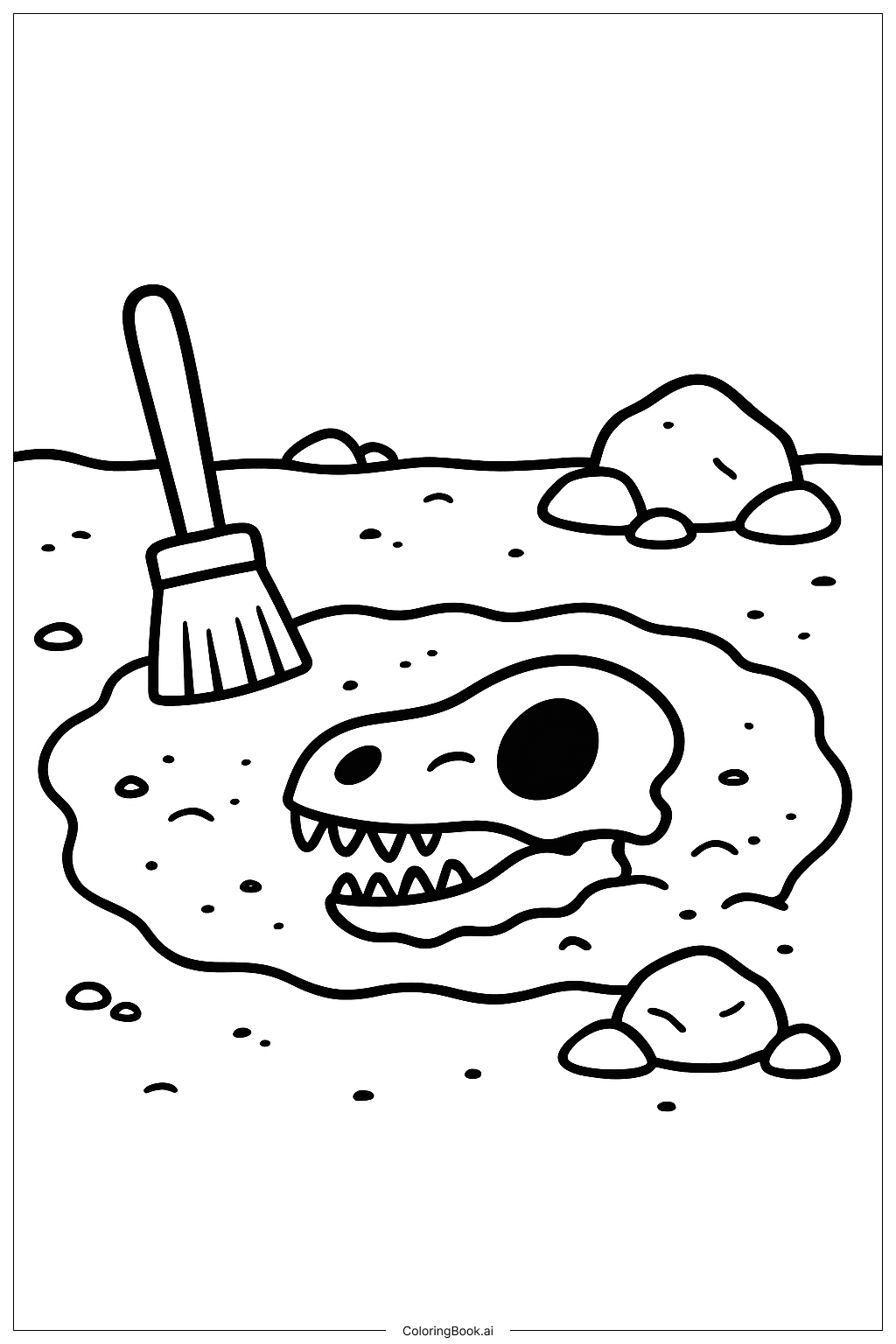
Coloring tips: How to color Science Fossil Dig Site coloring page well?
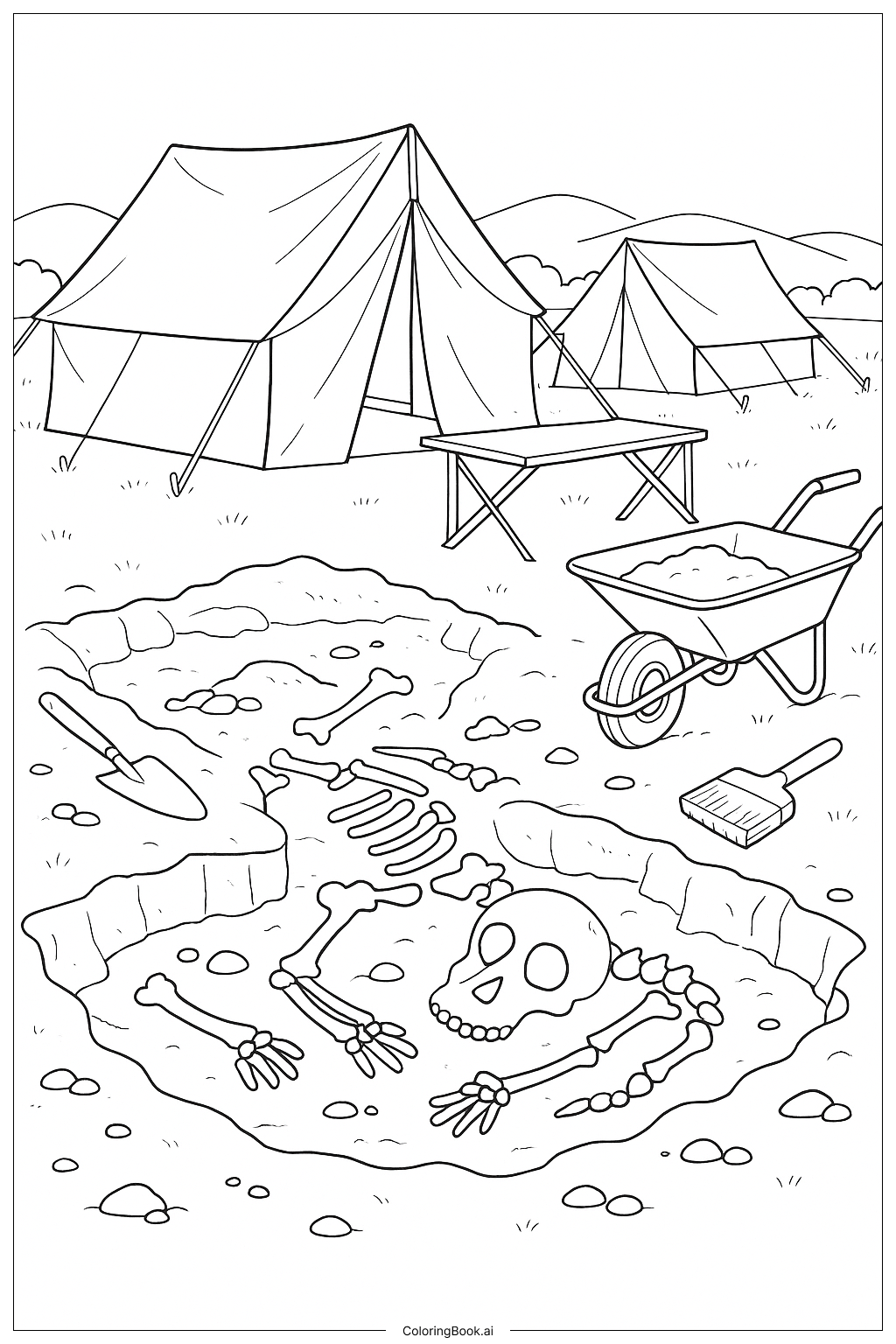
For this Science Fossil Dig Site, try using earthy tones like browns, tans, and oranges for the ground and dirt to give it a natural look. Use gray and beige shades for rocks and fossils to make them look old and worn. Bright colors like red, blue, or green can be used for the clothing and hats of the scientists to make them stand out. You might also add soft blue for the sky and some green for any plants in the background. Using different shades of the same color for the bones and dirt will add depth and make the page more interesting. Try mixing light and dark tones to show shadows under rocks and tools. Experiment with colorful tools to make the scene lively and fun to color.
Coloring challenges: Which parts are difficult to color and need attention for Science Fossil Dig Site coloring page?
• Small Details: The fine lines of the bones and the tools require careful coloring to stay inside the tiny spaces without overlapping.
• Texture Variation: Capturing the difference between rough rocks, smooth bones, and soft dirt can be challenging using only colors.
• Overlapping Objects: Some fossils overlap with soil and tools, which makes it tricky to decide where one shape ends and another begins when coloring.
• Subtle Shadows: Showing shadows under objects and around the fossil layers needs thoughtful blending of colors for a realistic effect.
• Color Choices: Choosing natural yet vibrant colors for the scientists’ clothing without clashing with earthy tones can be difficult, requiring a balanced palette.
Benefits of coloring books: Advantages of drawing Science Fossil Dig Site coloring page
Coloring this Science Fossil Dig Site helps develop attention to detail and patience, as it encourages careful work with small, complex areas. It enhances fine motor skills through controlled coloring of tools, bones, and rocky textures. This page also teaches children about fossils and archaeology, sparking curiosity about science and history. Using different colors to show depth and texture improves creativity and understanding of how color can change the perception of shapes. Finally, it can inspire an interest in exploring nature and the past, making learning fun while practicing concentration and color recognition.