Coloring tips: How to color Science Fair Display coloring page well?
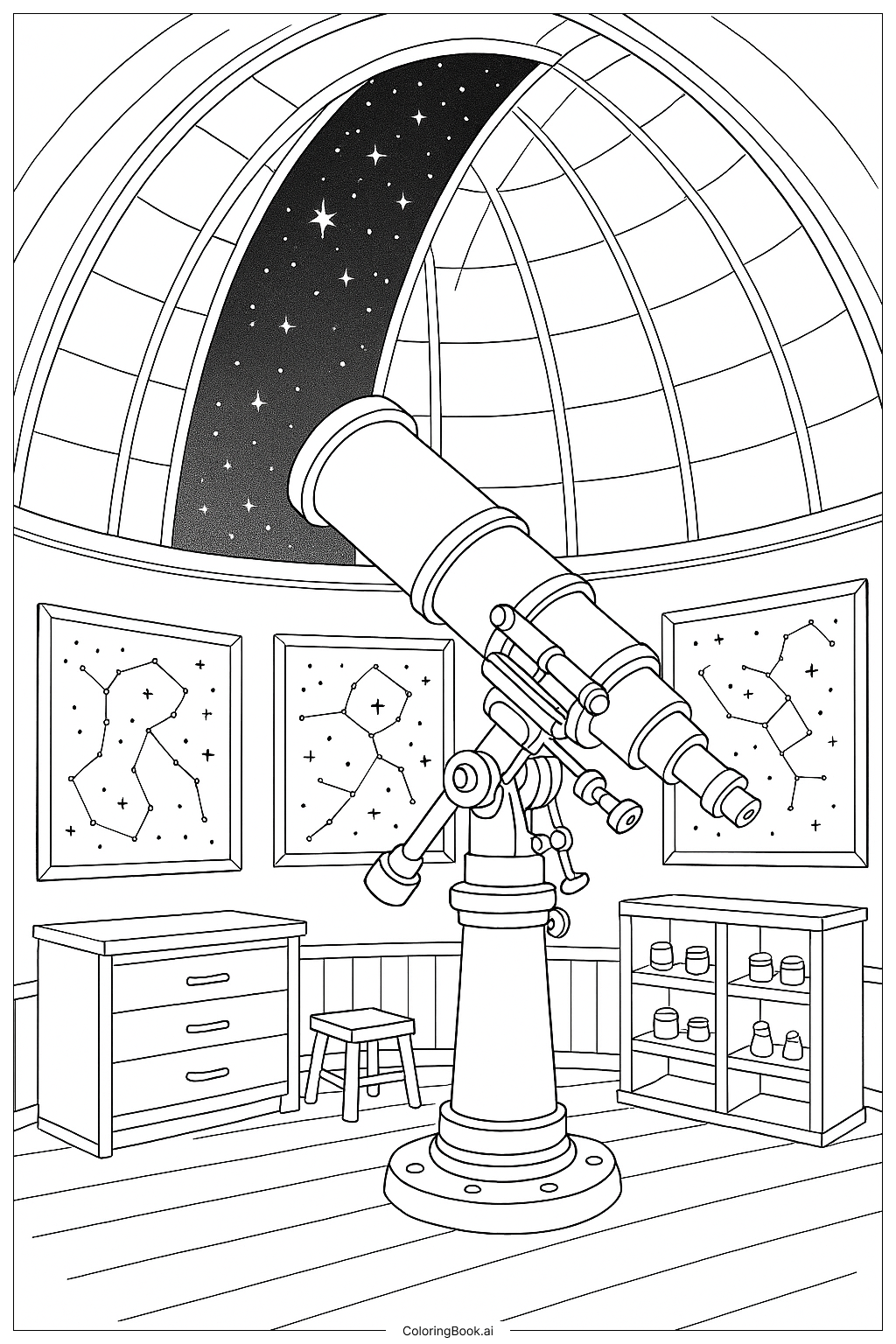
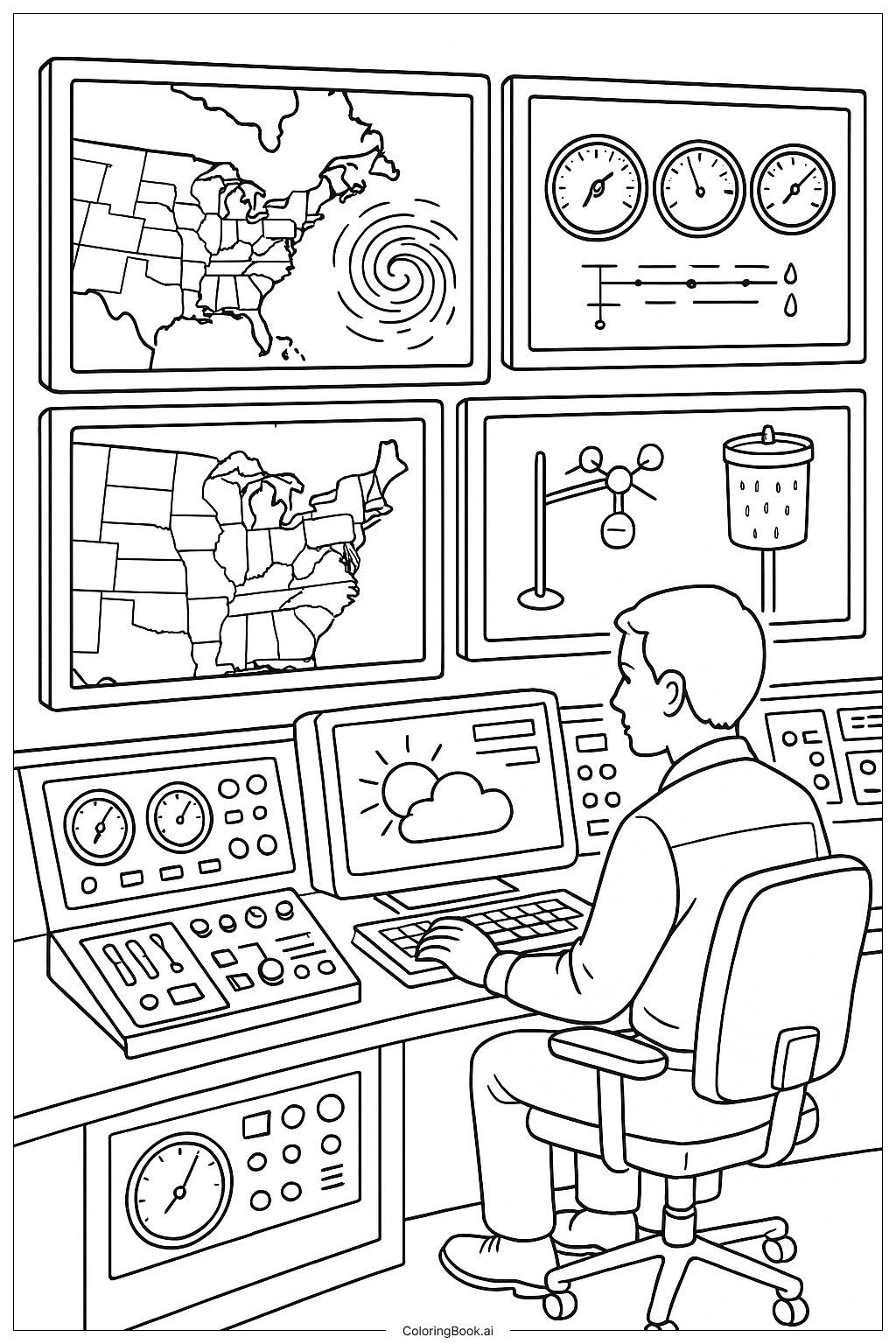
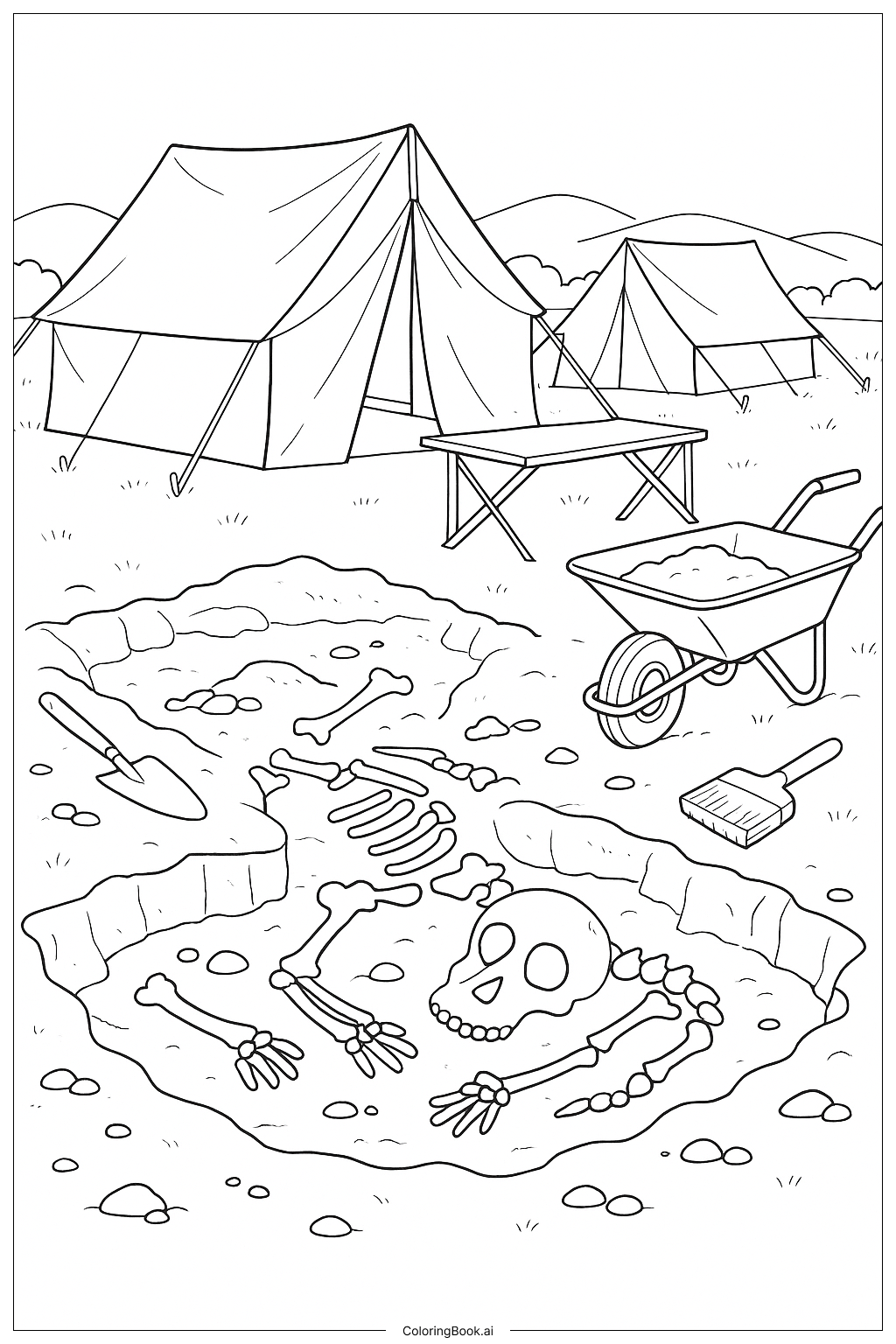
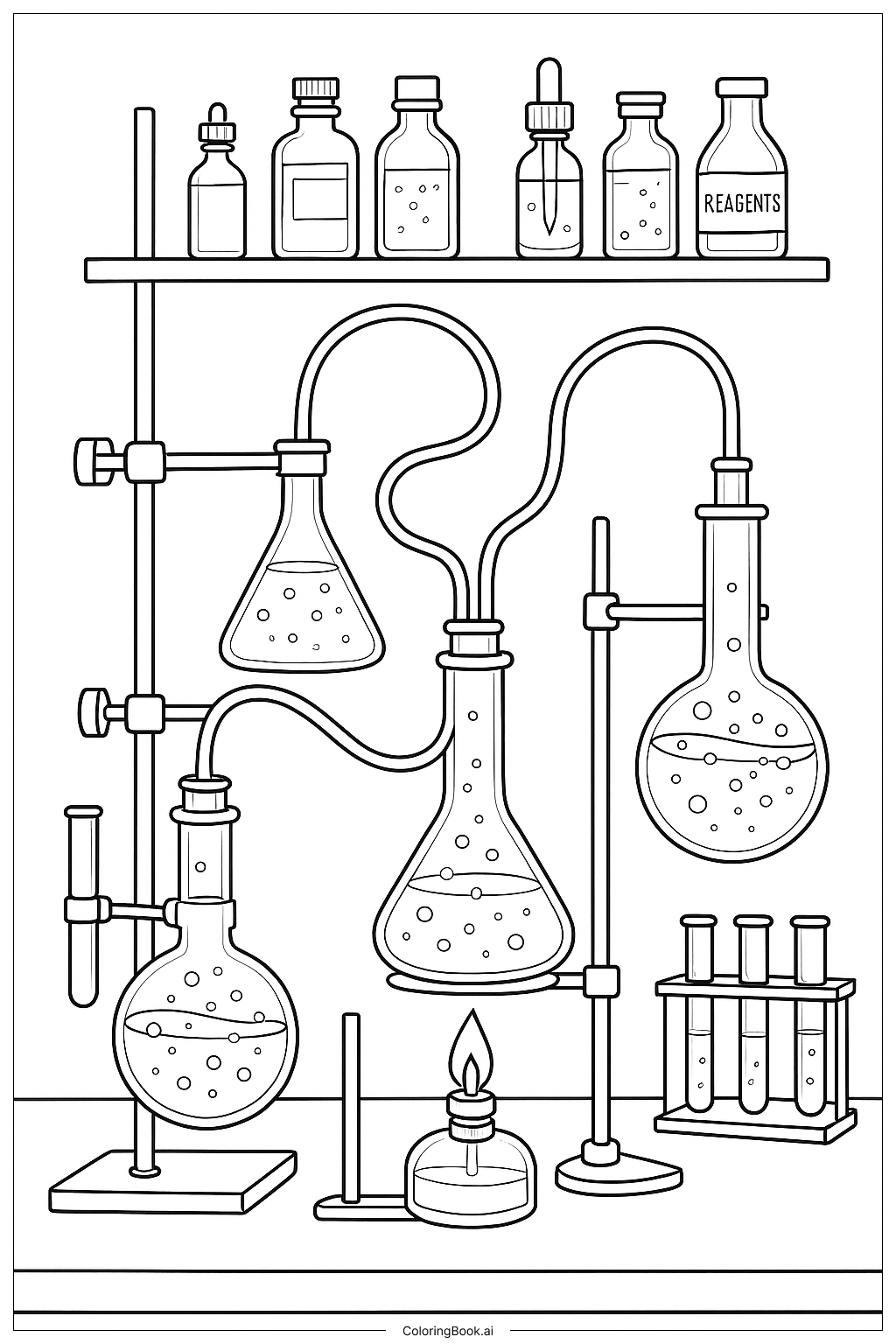
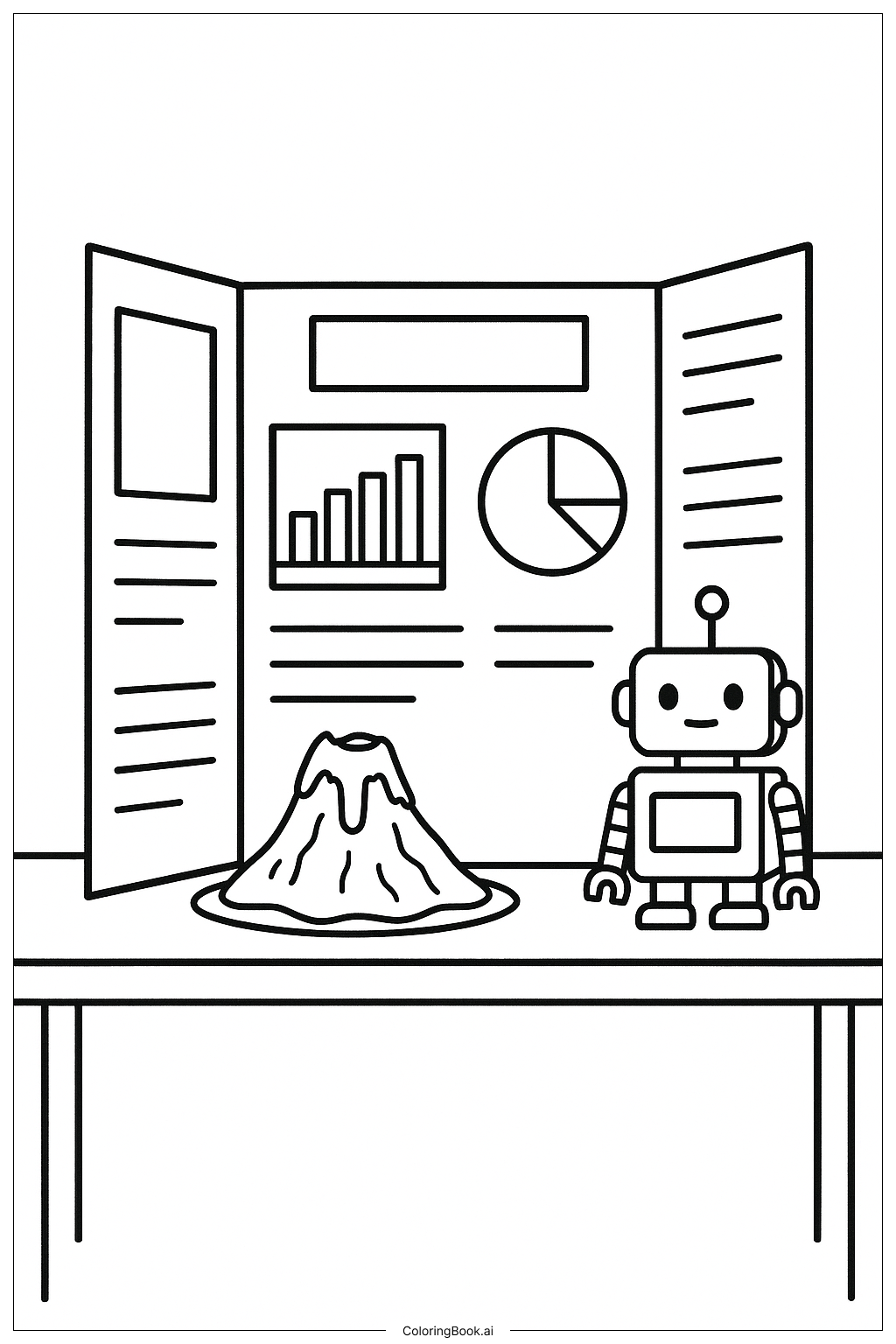
Use bright colors to make each science item stand out. For the test tubes, try different colors for the liquids like red, blue, green, and yellow to show various experiments. The model volcano can be colored with shades of brown and gray at the base, and bright red and orange for the lava to give it a fiery look. The planets on the solar system poster can each have distinct shades to highlight their differences—like blue for Earth, red for Mars, and yellow for the Sun. The child's lab coat should be white with goggles in silver or blue. Use cheerful colors for the banners and labels to create an inviting and exciting Science Fair vibe.
Coloring challenges: Which parts are difficult to color and need attention for Science Fair Display coloring page?
• Small Details: The test tubes and model volcano have tiny parts that require careful coloring to keep the colors inside cleanly. • Layering Colors: The solar system poster has overlapping planets, so layering colors well to separate each planet can be tricky. • Shading: Adding dimension to the child's lab coat and goggles requires gentle shading techniques to avoid making the white coat look dull. • Text Elements: Coloring the text on banners and labels neatly is challenging because it requires steady hand control. • Mixed Objects: The science books and microscope contain fine details and patterns that need patience to color accurately without mixing colors. These challenges help practice precision and control while coloring.
Benefits of coloring books: Advantages of drawing Science Fair Display coloring page
Coloring this Science Fair Display image encourages children to learn about science concepts as they add color to familiar objects like test tubes and planets. It helps improve fine motor skills and hand-eye coordination through precise coloring of small details. The variety of subjects in the image supports imaginative thinking and curiosity about experiments and space. By choosing colors for liquids or planets, children engage in decision-making and creativity. Overall, it offers a fun way to combine art with learning about Science, making education feel exciting and accessible for kids.