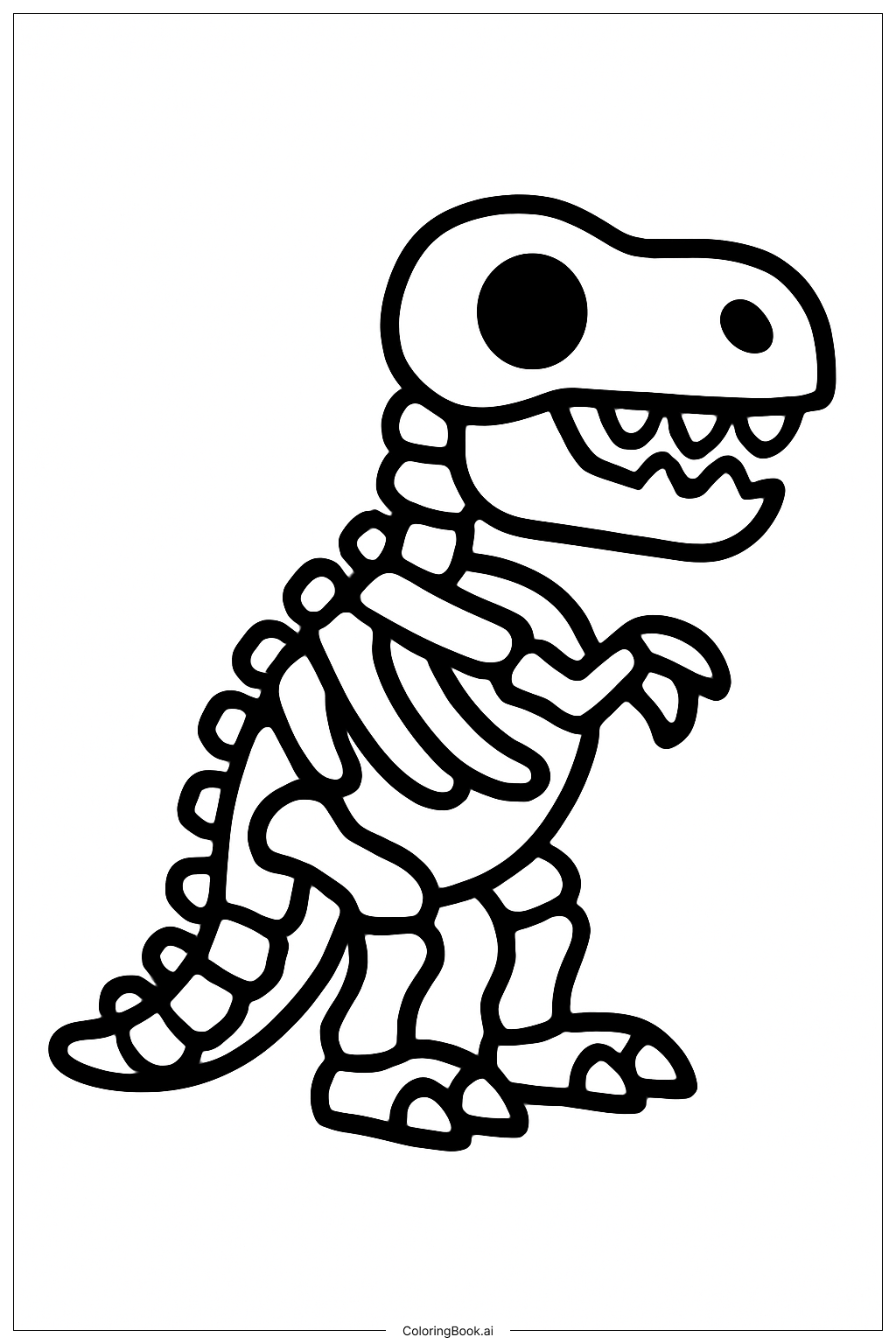
Coloring tips: How to color Science Dinosaur Fossil coloring page well?
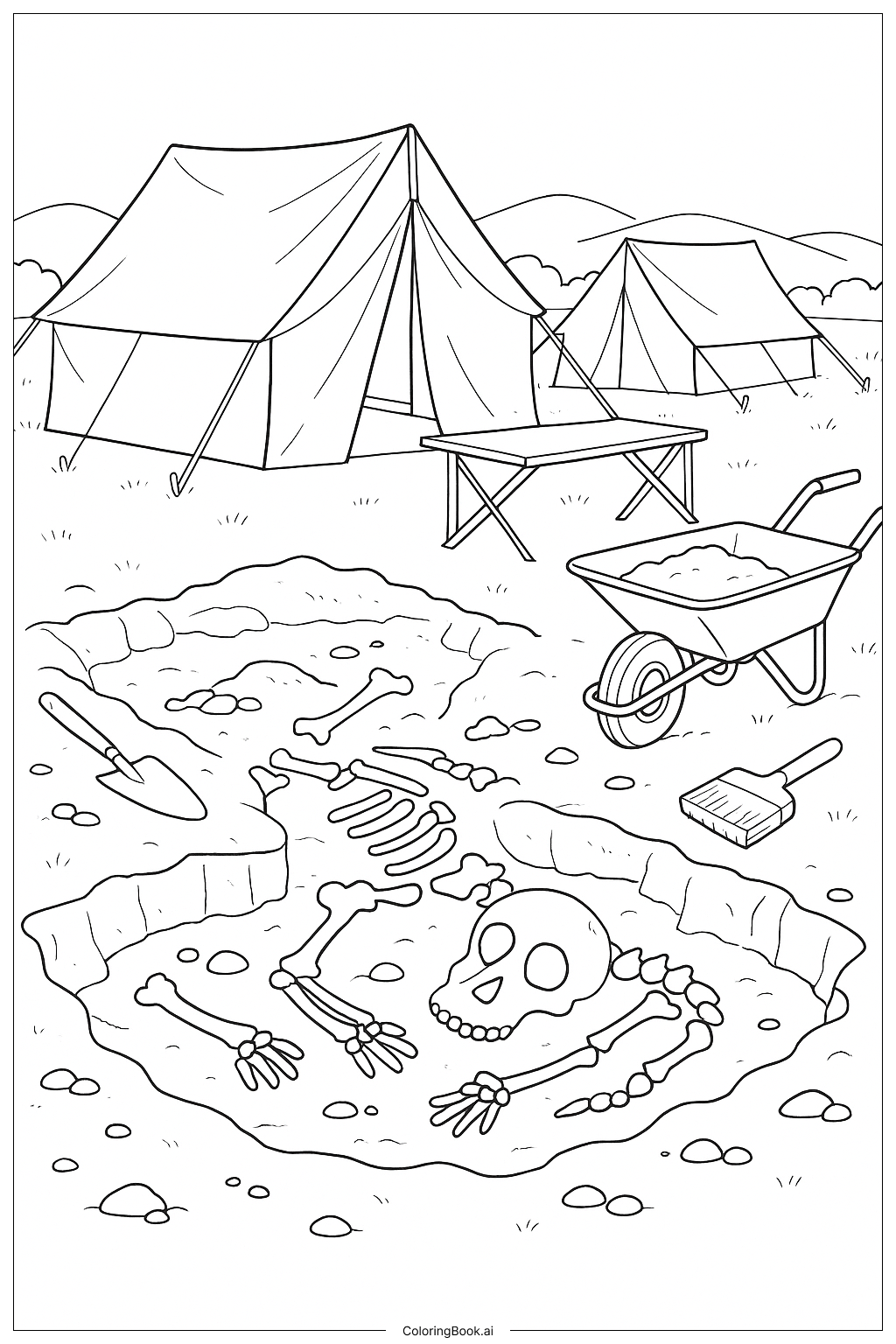
For this fossil image, try using a range of earth tones like browns, tans, and grays to color the bones and rocks. These colors will give the bones a natural aged look. You can add subtle shading with darker browns to show depth in the spine and ribs. For the earth around the fossil, use reddish or yellowish browns to mimic soil and sand. To make the tools stand out, use brighter colors such as silver or blue for brushes and picks. If you want, add a green background for grass or plants to show the outside excavation site. Keep your colors soft and natural to make this Science Dinosaur Fossil look realistic and interesting.
Coloring challenges: Which parts are difficult to color and need attention for Science Dinosaur Fossil coloring page?
• Fossil details: The skeleton has many small bones, like tooth shapes and rib curves, which require careful coloring to stay inside the lines.
• Texture variation: Coloring the rough rocks, smooth bones, and soft dirt differently can be tricky but is important to create a natural look.
• Shading challenges: To show depth in the spine and ribs, shading with darker colors is needed, which can be difficult for beginners.
• Tool highlights: Small excavation tools need precise coloring to avoid mixing colors with nearby fossil parts.
• Background layering: Adding soil, rocks, and grass around the fossil takes patience to color without overlapping confusing details.
Benefits of coloring books: Advantages of drawing Science Dinosaur Fossil coloring page
Coloring this Science Dinosaur Fossil page helps develop focus and concentration by challenging children to color small detailed areas carefully. It also encourages creativity in choosing natural colors to bring the fossil and excavation scene to life. Working on shading and texture teaches early artistic skills and attention to detail. This activity can spark curiosity about science, history, and paleontology, inspiring kids to learn more about dinosaurs and fossils. Coloring such images supports fine motor skills and patience, making it a fun way to build important abilities while celebrating the wonders of prehistoric life.