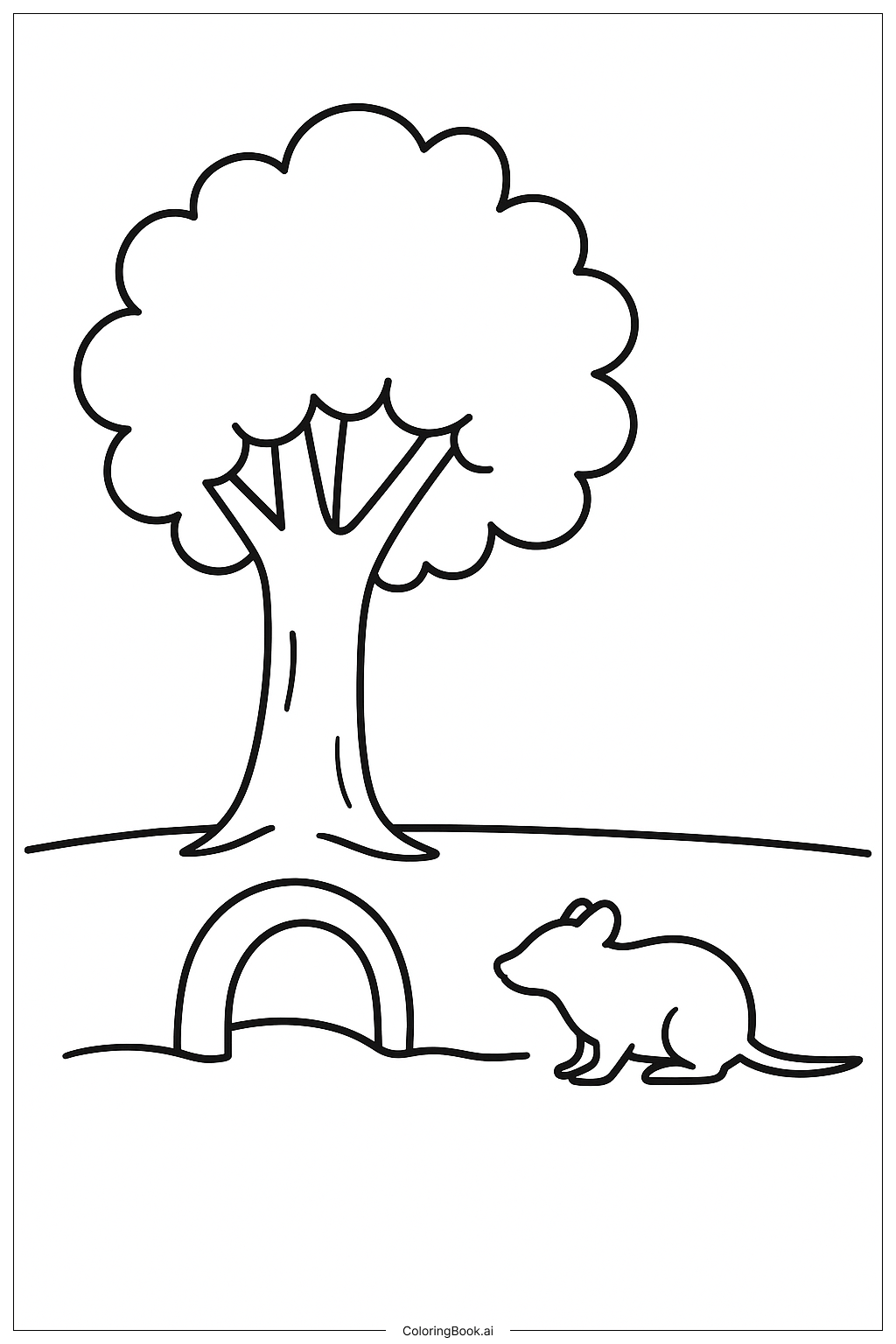
Coloring tips: How to color Science Animal Habitat coloring page well?
Use different shades of green for the trees, bushes, and grass to create a rich forest environment. Browns and tans work well for the deer and fox fur, while the rabbit can be colored soft gray or white. Birds offer a chance to use bright colors like red, blue, or yellow for their feathers. Water can be a mix of blues and greens, with lighter tones for reflections. Don’t forget to add colorful flowers and use lighter colors for the sky and clouds to make the background come alive. Encourage children to experiment with blending colors to create depth and texture for the habitat.
Coloring challenges: Which parts are difficult to color and need attention for Science Animal Habitat coloring page?
• Fine details on animals: The small features on the fox, rabbit, and birds, such as eyes, ears, and fur patterns, require careful coloring to keep them clear and realistic.
• Overlapping elements: Trees and bushes overlap with animals, so coloring within the lines without mixing areas can be challenging, especially for younger children.
• Water reflections: Creating a realistic pond with reflections means using subtle shading and layering colors, which is more advanced.
• Varied textures: Different textures like the rough tree bark, soft grass, and smooth feathers need different coloring techniques to look authentic.
• Small background details: The distant mountains and clouds require lighter and more delicate coloring to avoid overpowering the main animal habitat scene.
Benefits of coloring books: Advantages of drawing Science Animal Habitat coloring page
Coloring this Science Animal Habitat page helps children learn about animals and their homes while developing fine motor skills by working on small details. It encourages observation of nature’s colors and textures, promoting creativity through choosing shades and blending. Engaging with this scene fosters concentration and patience as kids focus on different parts of the habitat. Moreover, it provides an opportunity to discuss science topics like ecosystems and animal behavior, making learning fun and interactive. Overall, it combines art and education to inspire curiosity about the natural world.