Coloring tips: How to color Ocean Animals Tiny Manta coloring page well?
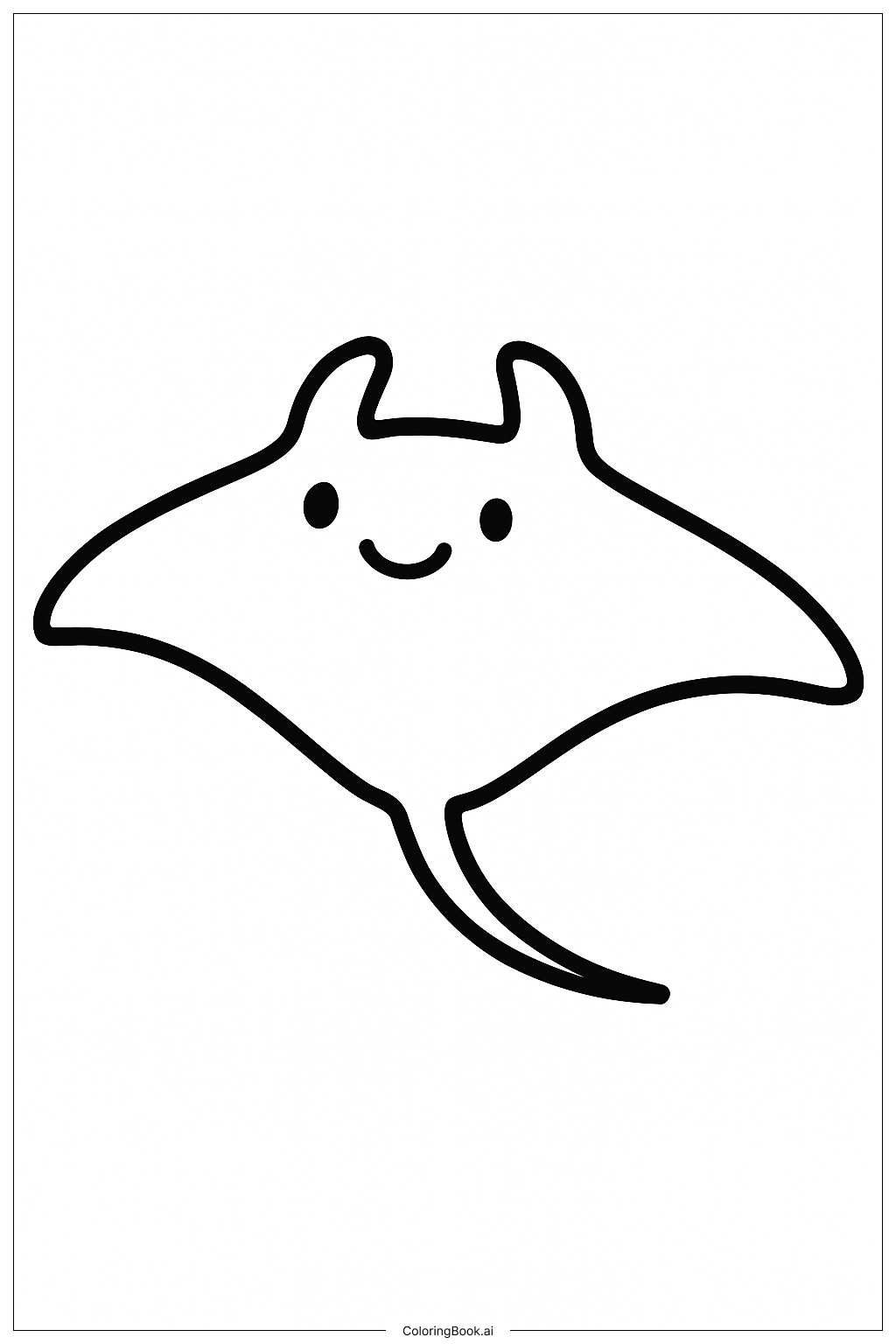
When coloring this manta ray, consider using shades of blue, green, and purple to represent the ocean. Bright colors like yellow or orange can make the manta ray stand out. Use different colors for the wings and the body to add more visual interest. Children can create patterns, such as dots or stripes, on the manta's wings. Encourage kids to use their imagination and experiment with colors they like, making each manta ray unique!
Coloring challenges: Which parts are difficult to color and need attention for Ocean Animals Tiny Manta coloring page?
1. **Wings Shape:** The manta ray’s wings have curves that might be tricky to color neatly. Kids should take their time to stay within the lines and create smooth transitions between colors.
2. **Tail Detail:** The lengthy tail has a delicate shape. This can be difficult to color evenly and requires a steady hand.
3. **Facial Features:** The smiling face of the manta ray includes small details. Coloring these tiny areas accurately, like the eyes, may require careful work.
4. **Color Blending:** Kids might want to blend colors for a gradient effect on the wings. This technique can be challenging but rewarding for those who want to try it!
Benefits of coloring books: Advantages of drawing Ocean Animals Tiny Manta coloring page
Coloring this manta ray provides multiple benefits for children. It enhances fine motor skills as they practice holding crayons and coloring within the lines. It also sparks creativity, allowing kids to choose their colors and designs. This freedom in art fosters decision-making skills. Furthermore, coloring can be a calming activity, helping children relax and focus. Engaging with marine life art can also spark curiosity about ocean creatures and environmental conservation. Overall, coloring this manta ray is an enjoyable and educational experience!