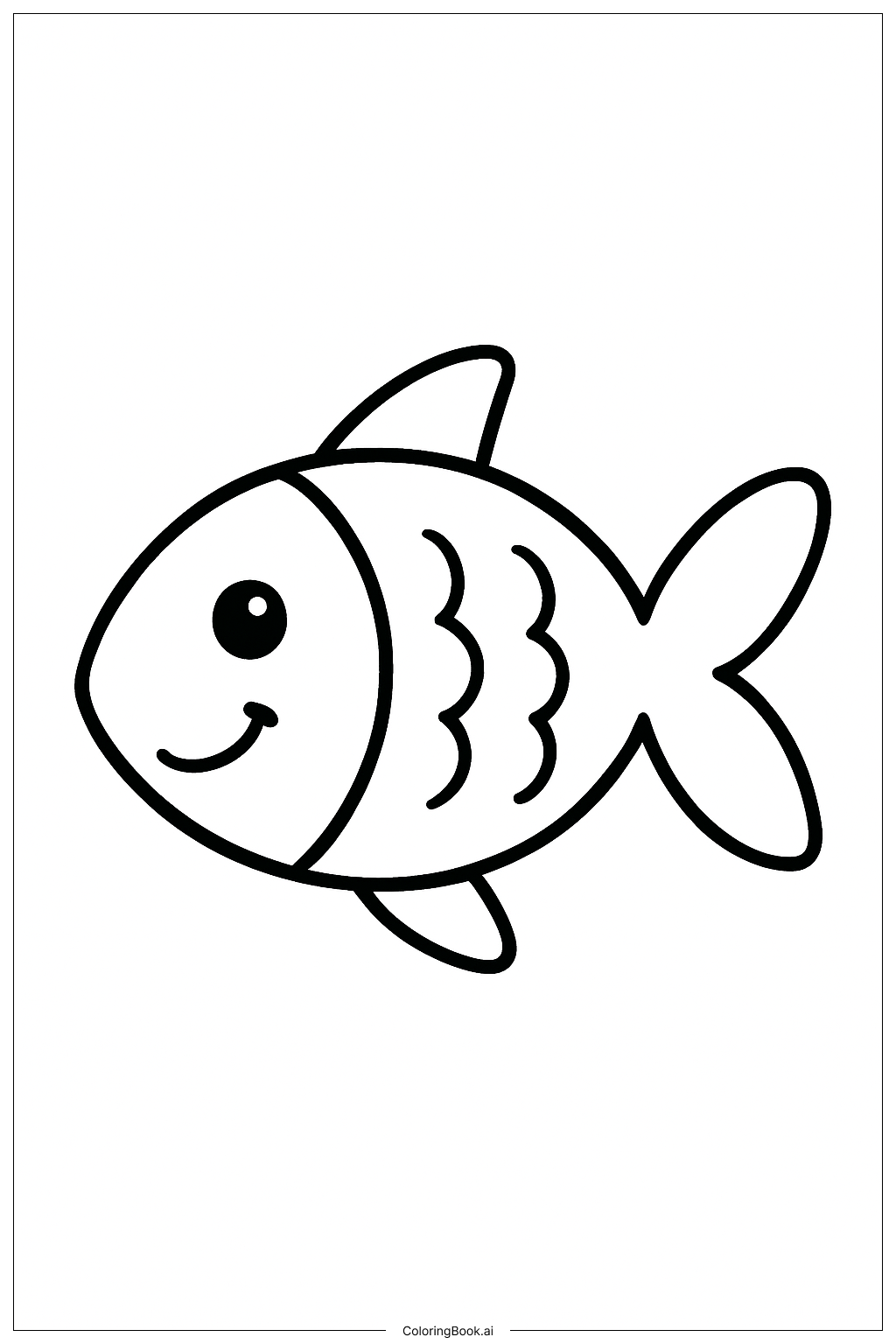
Coloring tips: How to color Ocean Animals Smiling Fish coloring page well?
Try using bright and vivid colors to make the smiling fish stand out. You can color the fish in different shades like orange, yellow, blue, and purple to show their variety. For the seaweed, use multiple greens to create depth. The seashells can be colored with soft pinks, beige, or light browns. Don’t forget to color the bubbles light blue or leave them white for a shiny effect. You may want to give the background a soft blue gradient to represent the ocean water. Mixing light and dark shades will help show the underwater atmosphere. Have fun experimenting with your favorite colors to create a cheerful ocean scene!
Coloring challenges: Which parts are difficult to color and need attention for Ocean Animals Smiling Fish coloring page?
• Small Details: The fish have small eyes and smiles that require careful coloring to avoid smudging or going outside the lines. This helps keep their friendly expression clear.
• Overlapping Shapes: Some fish and seaweed overlap, so staying inside the correct areas can be tricky. It requires steady hand control.
• Bubble Transparency: Coloring the bubbles to look transparent or shiny can be challenging because it needs light coloring or leaving white spaces.
• Texture Variety: The seashells and coral in the background have delicate textures that require gentle strokes to highlight their natural patterns.
• Color Balance: Using too many bright colors close together might make the picture look crowded, so balancing vibrant and lighter tones is important for harmony.
Benefits of coloring books: Advantages of drawing Ocean Animals Smiling Fish coloring page
Coloring this image helps improve fine motor skills, especially for younger children, as they carefully color small details like the fish faces and bubbles. It encourages creativity by letting kids choose different colors for the ocean animals and environment. The fun expressions on the fish can boost a child’s mood and engagement, making the activity enjoyable and relaxing. Additionally, coloring underwater scenes enhances knowledge about ocean life and nurtures an appreciation for nature. The varied shapes and textures also help develop visual perception and concentration, making coloring both educational and calming.