Coloring tips: How to color Ocean Animals Simple Pelican coloring page well?
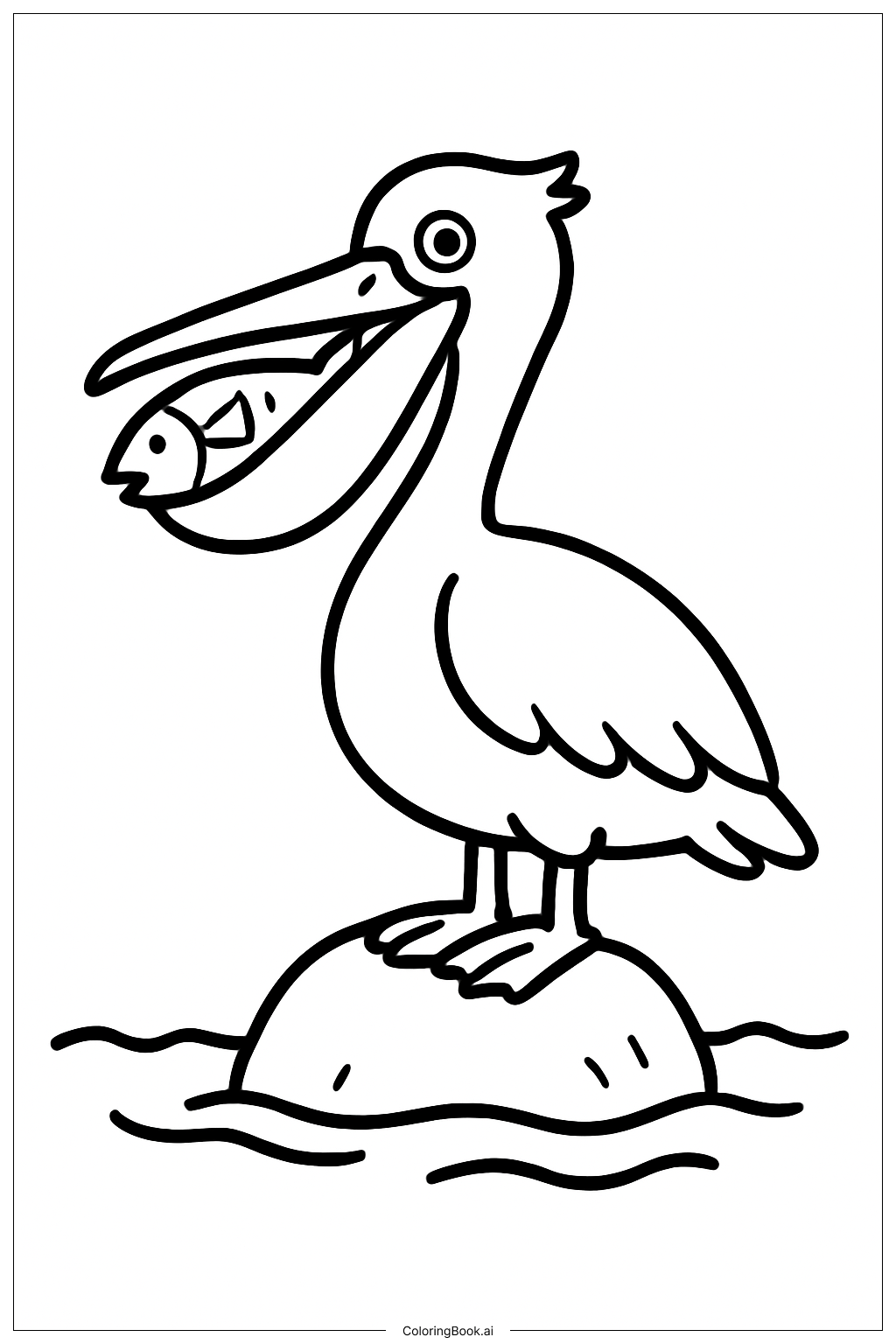
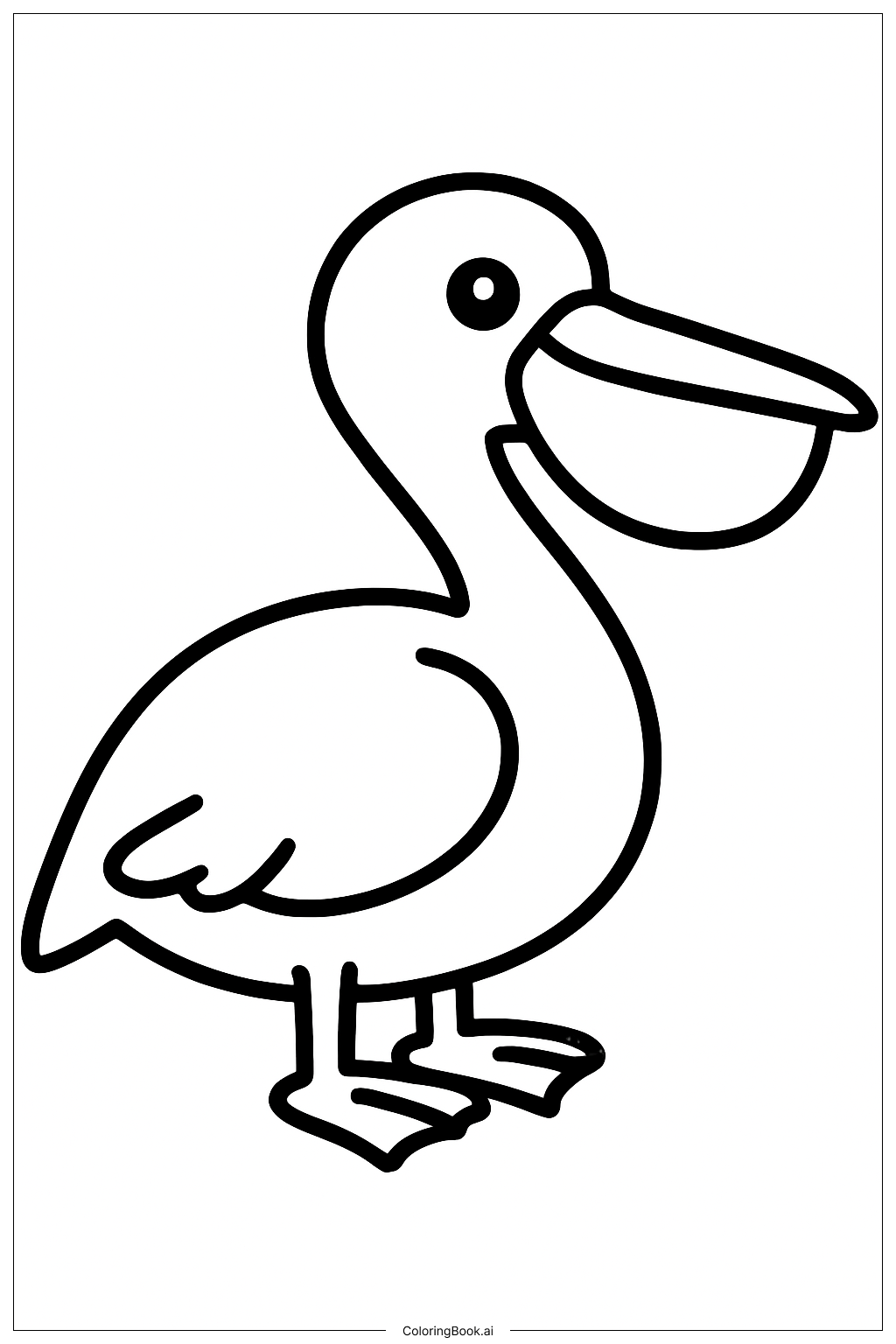
When coloring the pelican, consider using soft pastels for the body, like light gray or white, to reflect its natural colors. The bill can be bright yellow or orange, which is common in many pelican species. The feet can be a shade of light orange or brown. For the background, you might use shades of blue to represent water and green to symbolize palm trees or grass. Don’t hesitate to add colorful fish or other ocean creatures around it to make the scene more lively and engaging.
Coloring challenges: Which parts are difficult to color and need attention for Ocean Animals Simple Pelican coloring page?
1. Detailed Features: The pelican's face has small features like its eye and nostrils, making it challenging to color neatly without going outside the lines. Young children may struggle with these details. 2. Color Blending: Creating a gradient on the pelican’s body may be difficult. Blending colors smoothly requires practice and patience. 3. Background Elements: Adding a colorful ocean backdrop can be overwhelming for some kids. Deciding what to color and how to combine colors can present a challenge. 4. Staying Within Lines: The outlines of the pelican and the surrounding details might be tricky for younger kids. This can lead to frustration if they color outside the lines. 5. Choosing Color Schemes: Some children may find it difficult to choose appropriate colors, especially if they want to be creative and unique. Encouraging them can help mitigate this.
Benefits of coloring books: Advantages of drawing Ocean Animals Simple Pelican coloring page
Coloring this pelican offers numerous benefits for children. First, it enhances creativity as kids choose colors and imagine different environments for the pelican. Second, it improves fine motor skills as they practice holding coloring tools and staying within lines. This activity can also boost concentration as children focus on completing the image. Additionally, coloring can be a relaxing activity, helping children to unwind and express their feelings. Finally, sharing their artwork fosters communication and social skills, as they can discuss their choices with friends or family.