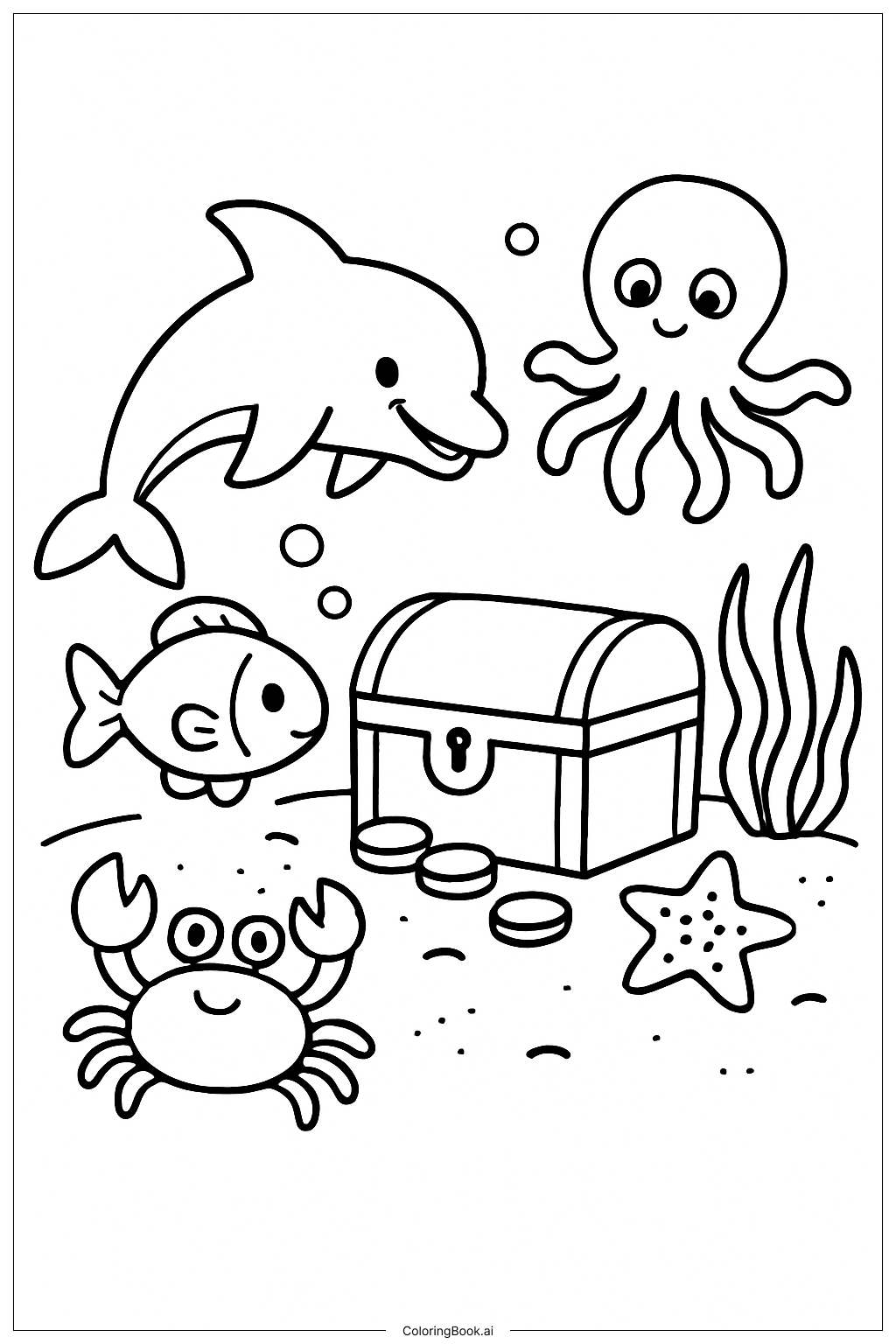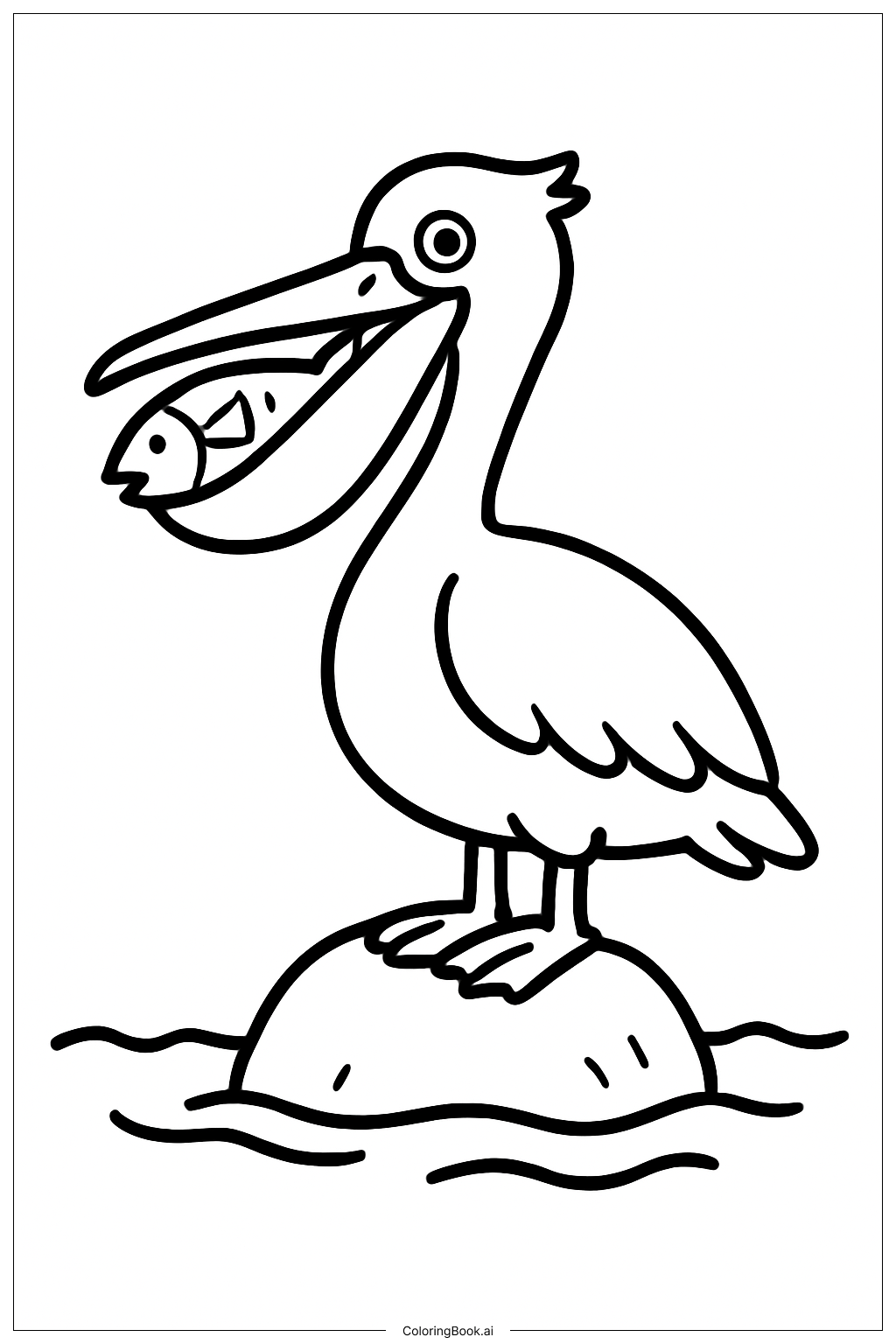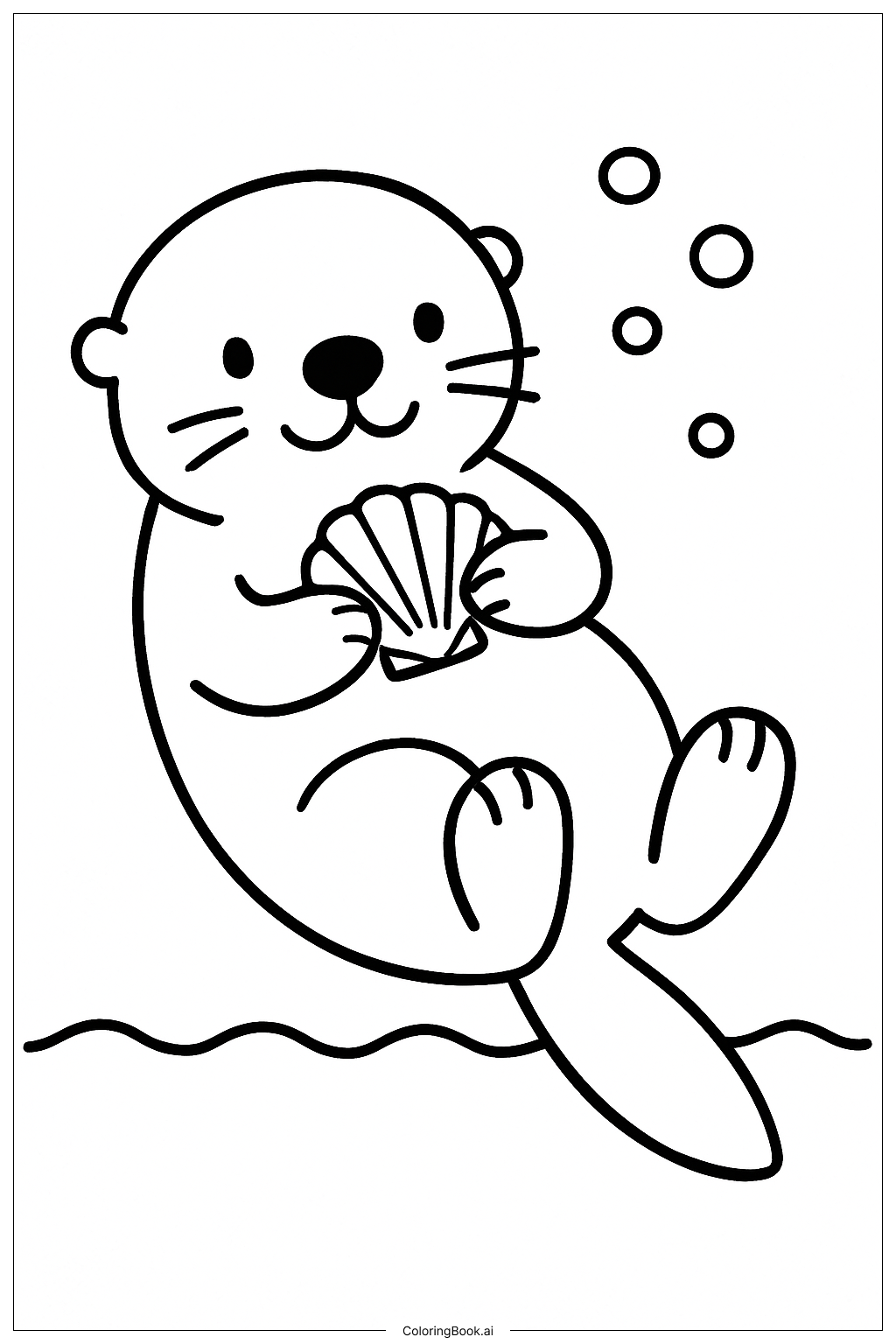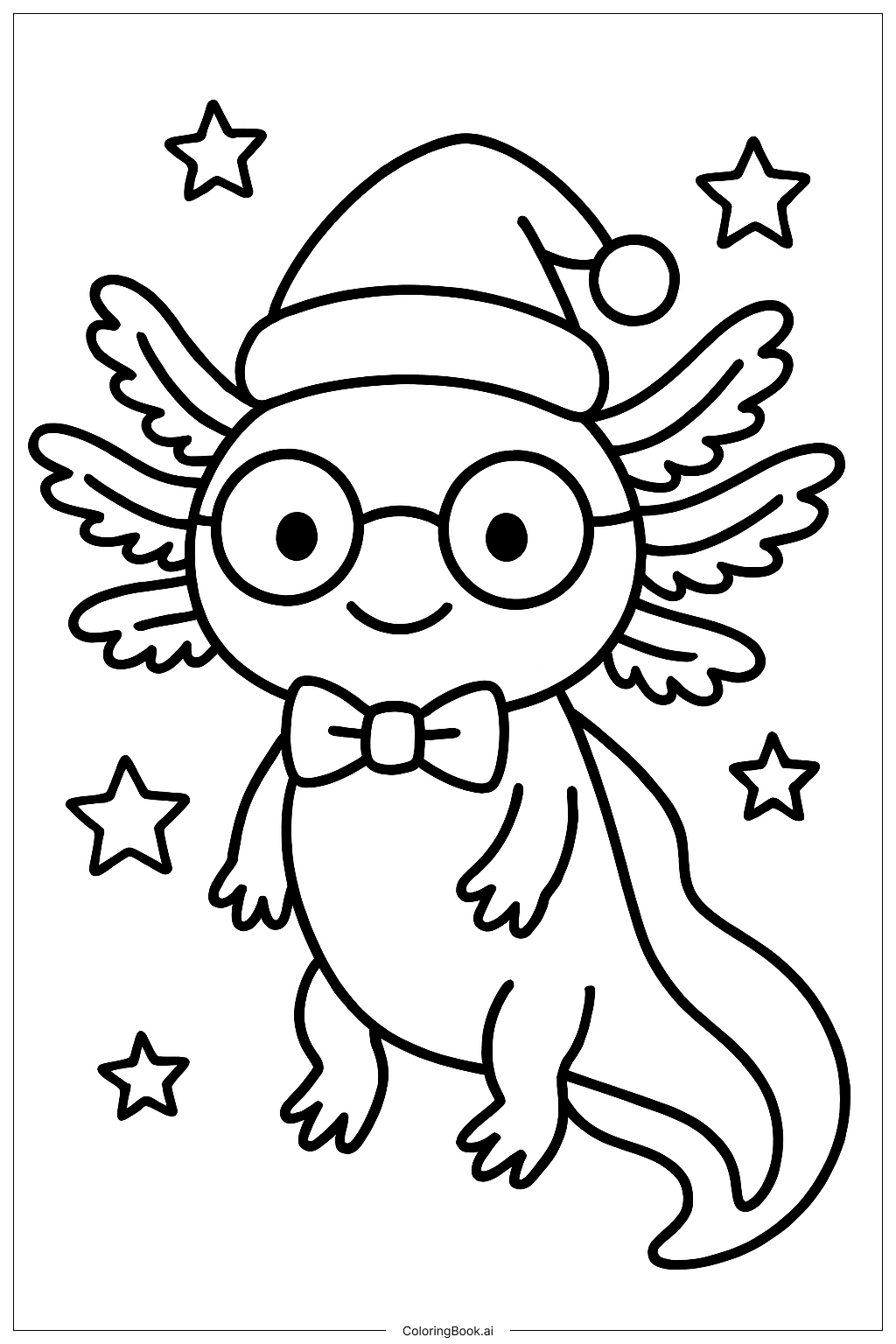
Coloring tips: How to color Ocean Animals Little Clownfish coloring page well?
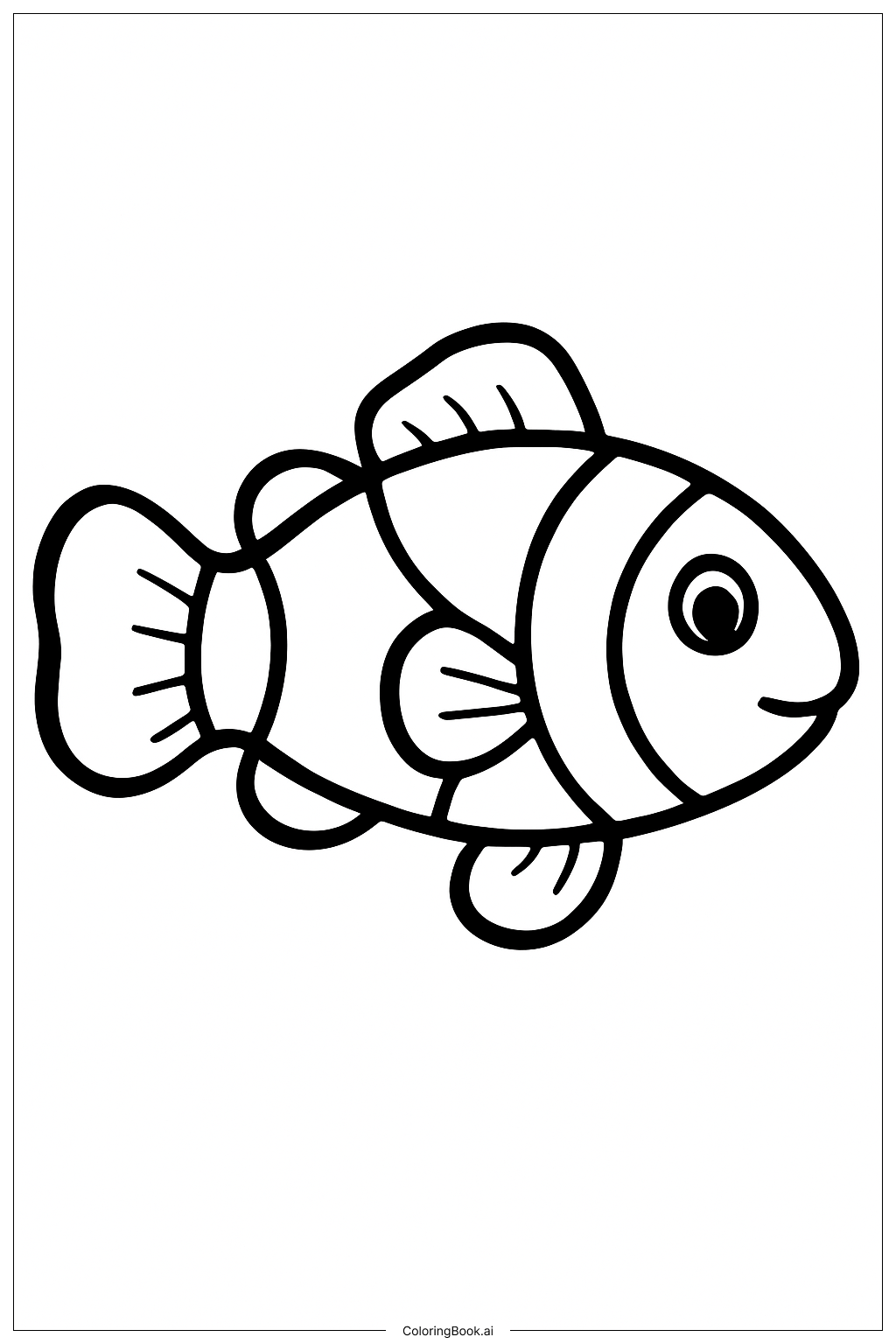
For coloring the clownfish, you can use bright orange for the body, and white for the stripes. For the fins, a lighter shade of orange or yellow can create a nice contrast. Black can be used for the outlines of the fins and the eyes. Don't forget to add a fun blue background to represent the ocean water! Mixing different shades of orange can also give depth to your clownfish, making it look more realistic. Feel free to use glitter or metallic colors to make your clownfish shine like it’s swimming under the sea!
Coloring challenges: Which parts are difficult to color and need attention for Ocean Animals Little Clownfish coloring page?
1. The clownfish has curved lines and distinct shapes, which may be challenging for younger children. They have to be careful while coloring to stay within the lines. 2. Blending colors can be tricky. If children want to create depth, they need to learn how to mix shades properly. For instance, blending different oranges requires practice. 3. The stripes on the clownfish are narrow and may be hard to color evenly. Kids might find it difficult to color these areas neatly. 4. Adding details like shading or highlights can be complex. Children may not know how to do this to enhance their artwork. It might require guidance or examples. 5. Some children may struggle with color choices. Deciding which colors work well together involves understanding color theory, which can be a challenge for younger artists.
Benefits of coloring books: Advantages of drawing Ocean Animals Little Clownfish coloring page
Coloring this clownfish brings many benefits. First, it enhances creativity. Kids can experiment with colors and patterns, letting their imaginations flow. Second, it improves fine motor skills. Holding crayons or markers helps strengthen hand muscles, which is crucial for writing later on. Third, coloring is a relaxing activity. It can help reduce stress and anxiety, allowing kids to focus and find calmness in their busy lives. Fourth, this activity encourages problem-solving. Deciding how to color the clownfish or what background to create requires critical thinking. Lastly, coloring develops patience. Children learn to take their time to achieve a satisfying result, which is an essential life skill.