Coloring tips: How to color Ocean Animals Curious Crab coloring page well?
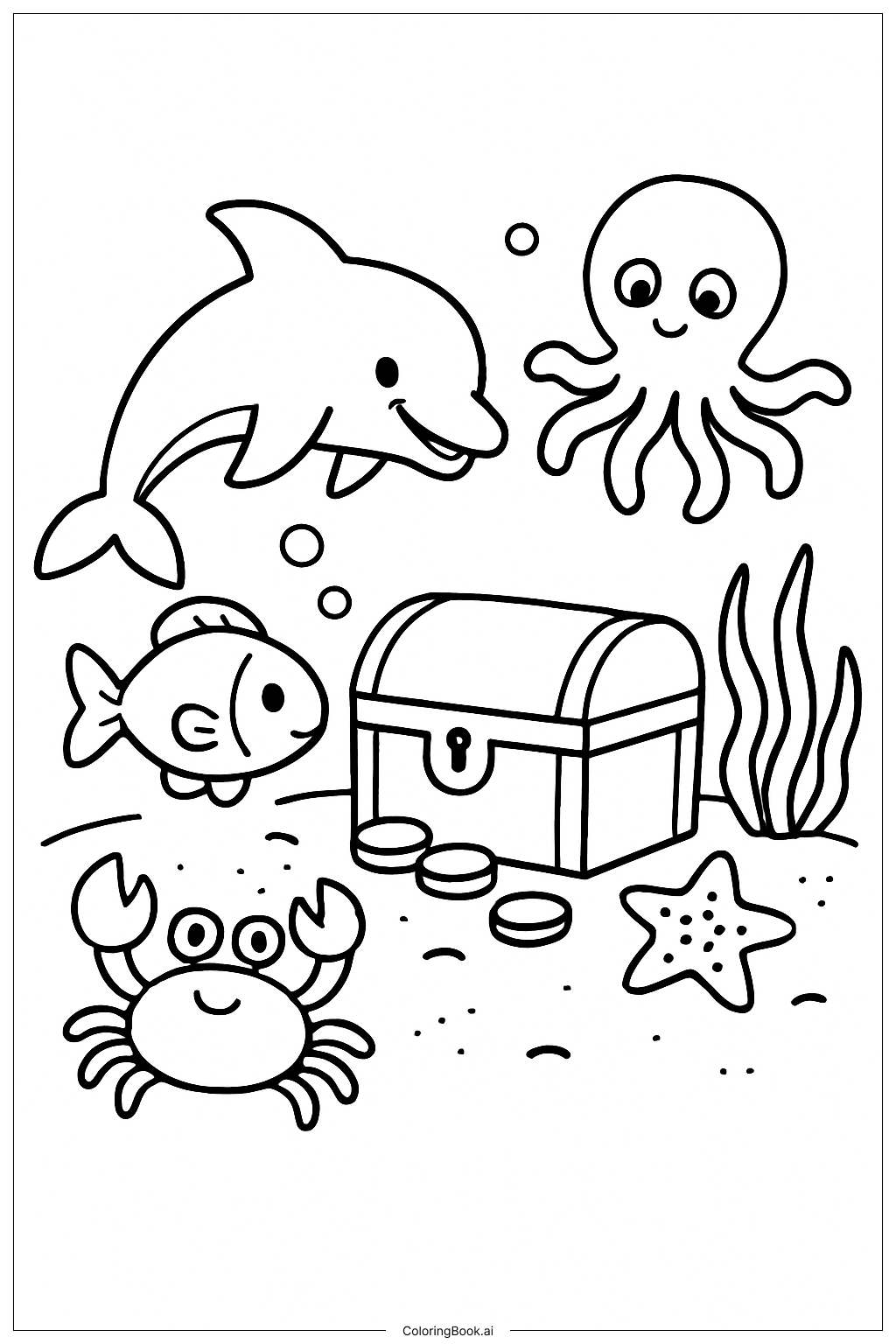
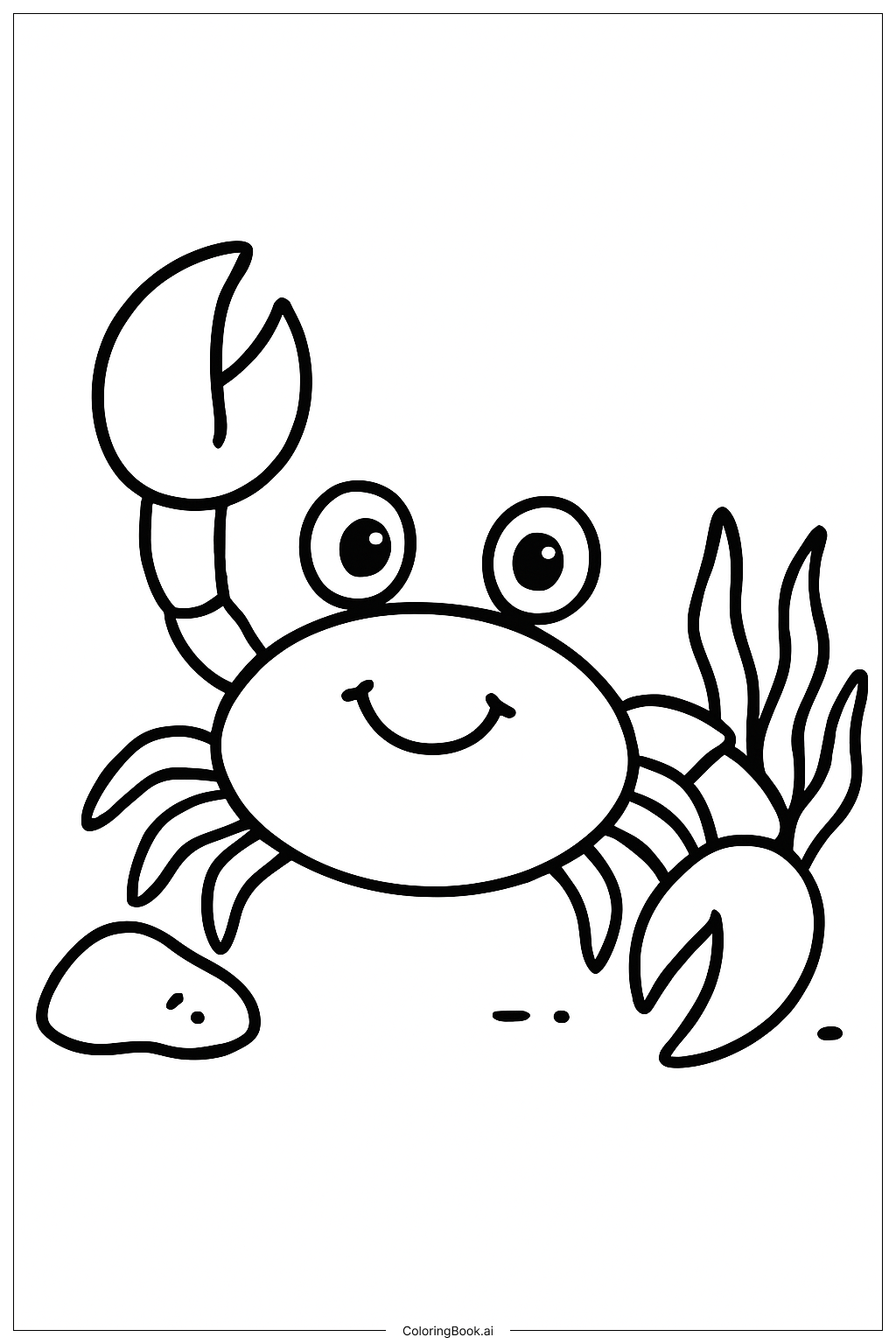
To color this Ocean Animals Curious Crab scene, start with vibrant reds, oranges, or browns for the crab’s shell to make it stand out. Use lighter shades on the claws to show their texture and movement. For the ocean floor, try different shades of blues and greens to create depth and water effects. Color the seaweed in various greens with touches of yellow for a natural look. The small bubbles can be left almost white or given a light blue tint for sparkle. Don’t forget to add soft grays and sandy yellows to the rocks and shells for contrast. Kids can use bright colors to make the little fish pop and add playful touches to the background. Using a mix of light and dark colors will bring this ocean scene to life beautifully.
Coloring challenges: Which parts are difficult to color and need attention for Ocean Animals Curious Crab coloring page?
• Fine Details on the Crab: The crab’s shell has many small spots and lines that require careful coloring to avoid coloring outside the lines. Staying within the tiny areas improves the neatness of the finished picture.
• Texture Differences: The crab’s hard shell and soft claws look different and need contrasting coloring techniques. For example, smooth shading for claws and more detailed dabs or dots for the shell.
• Multiple Background Elements: The seaweed, bubbles, rocks, and fish create a busy background. Coloring them without making the picture too dark or cluttered can be challenging.
• Layering Colors: Creating realistic depth with different shades of blue and green means layering colors gently. Kids must control pressure and color transition to mimic water effects.
• Small Spaces: Some parts, like between the crab’s claws and near the bubbles, are narrow and demand precise coloring tools like thin markers or sharpened pencils for accuracy.
Benefits of coloring books: Advantages of drawing Ocean Animals Curious Crab coloring page
Coloring this Ocean Animals Curious Crab image helps improve fine motor skills as children practice staying inside small lines and handling detailed shapes. It also encourages creativity by choosing colors for both the crab and the underwater environment. Kids learn about ocean life and develop an appreciation for the diversity of sea creatures. The image promotes focus and patience thanks to the intricate spots and textures of the crab. Additionally, blending different blues and greens teaches young artists how to create depth and layering, strengthening their artistic techniques. Coloring this scene can be calming and boosts confidence as children see their skills grow with every colored section.