Coloring tips: How to color Monkey Climbing coloring page well?
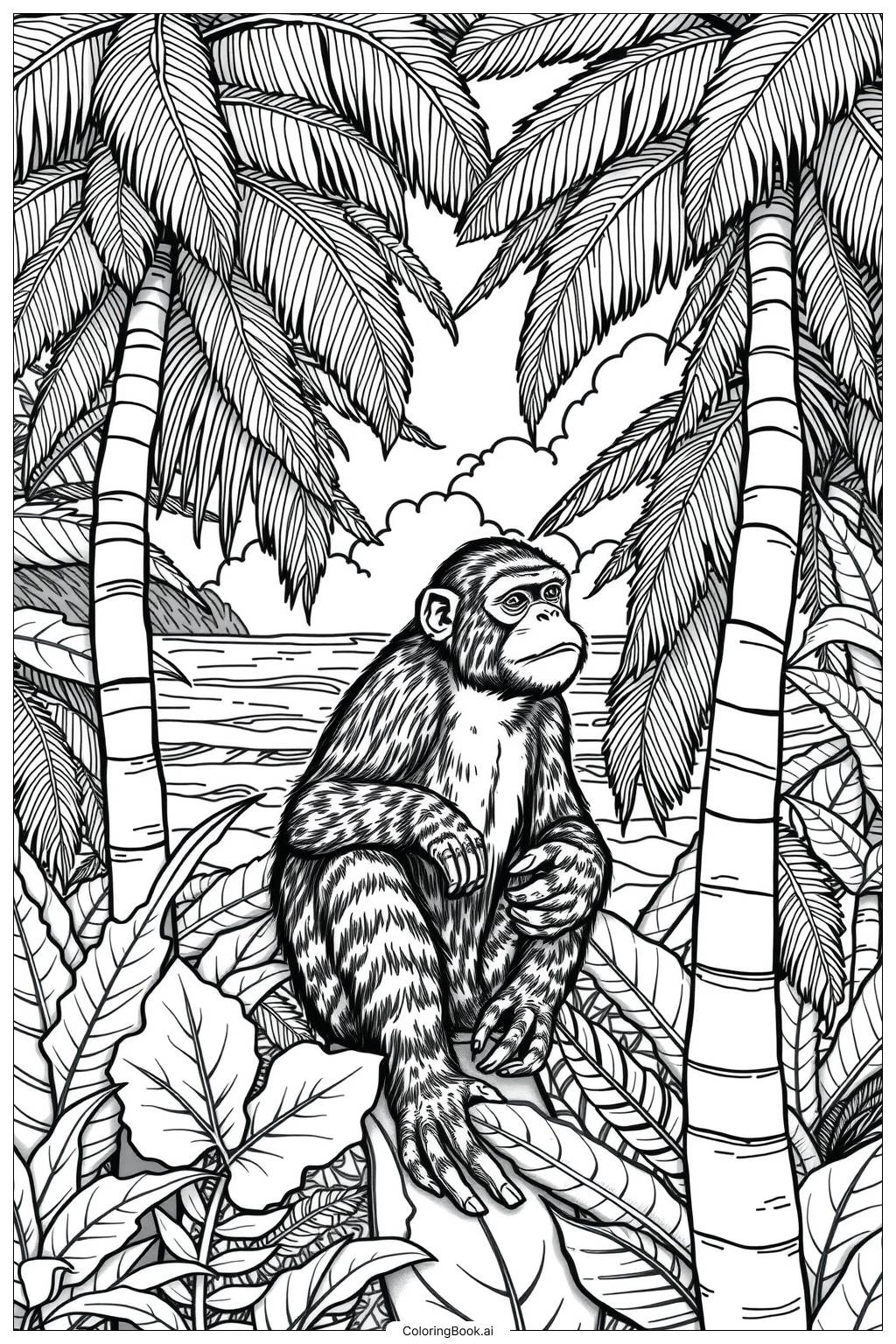
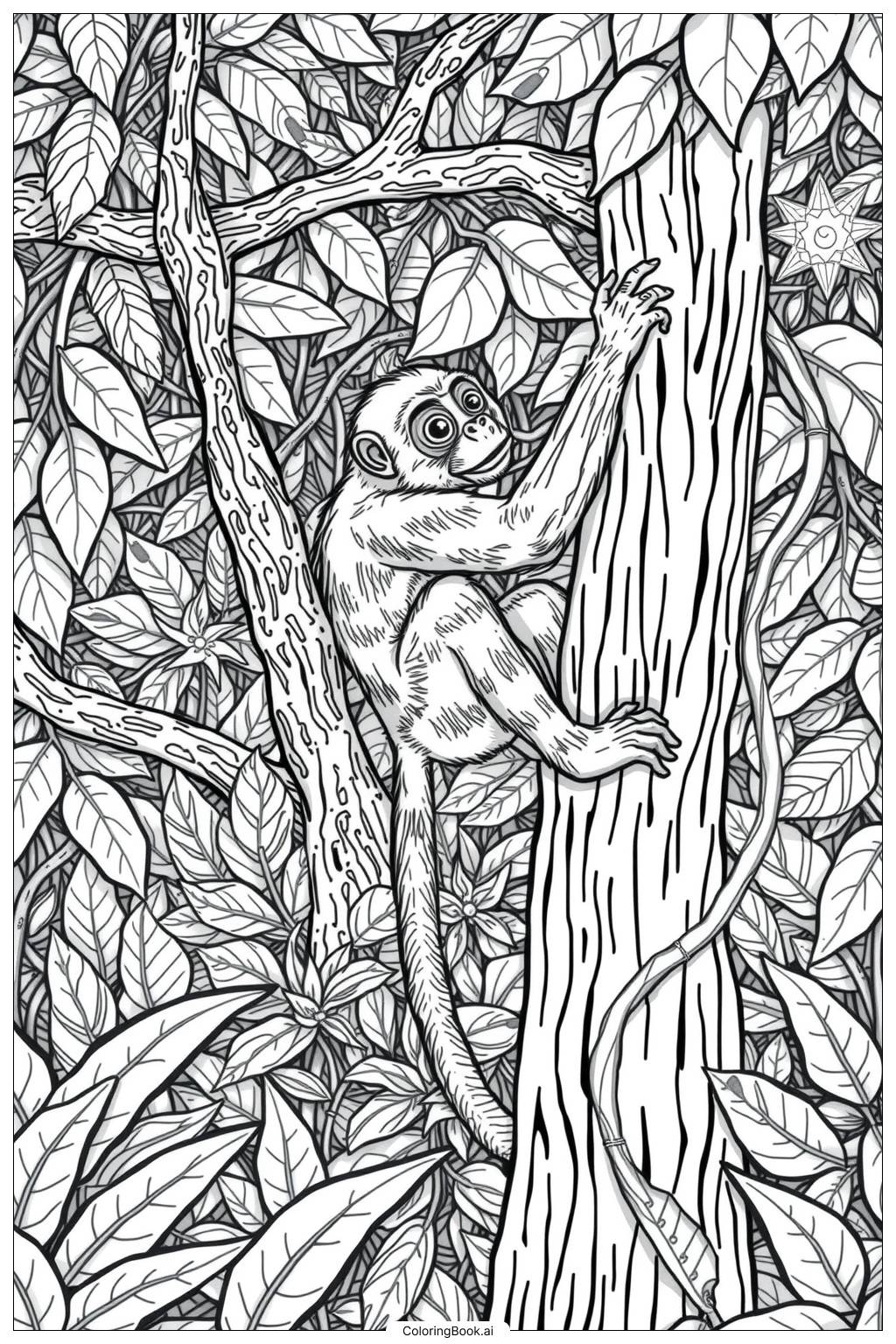
Start with the monkey's body. Use warm brown tones like tan, chestnut, or golden brown for the fur. Add a lighter shade, such as cream or beige, for the belly, face, and inner limbs. Use a darker brown to shade areas under the arms, around the neck, and along the back to give the fur depth. For the tree trunk or vine, use gray-brown or dark tan with streaks of darker color to show bark texture. Color the leaves in bright greens — mix lime green and forest green for variety. You can add yellow-green highlights to make the leaves pop. The background can be left white or filled with a soft sky blue or pale yellow to suggest sunlight through the trees. Use orange or peach tones to bring warmth to the monkey's face. Keep the eyes dark brown or black with a tiny white dot to show a sparkle of life. Take your time with the fur lines — short, gentle strokes of color follow the direction of the lines and make the monkey look fluffy and real.
Coloring challenges: Which parts are difficult to color and need attention for Monkey Climbing coloring page?
• Fur Texture Details: The monkey's body is covered with many fine lines that represent fur. Staying within these lines while using short, directional strokes is tricky. If the lines are closely spaced, a sharpened colored pencil or a fine-tip marker works best. Rushing through this area often results in a flat or messy look, so patience is key.
• Shading and Depth on the Body: Giving the monkey a three-dimensional look requires using at least two to three shades of brown. Knowing where to place the darker tones — such as under the chin, behind the arms, and along the sides — can be challenging for younger colorists. Practice blending light and dark tones gradually rather than switching abruptly.
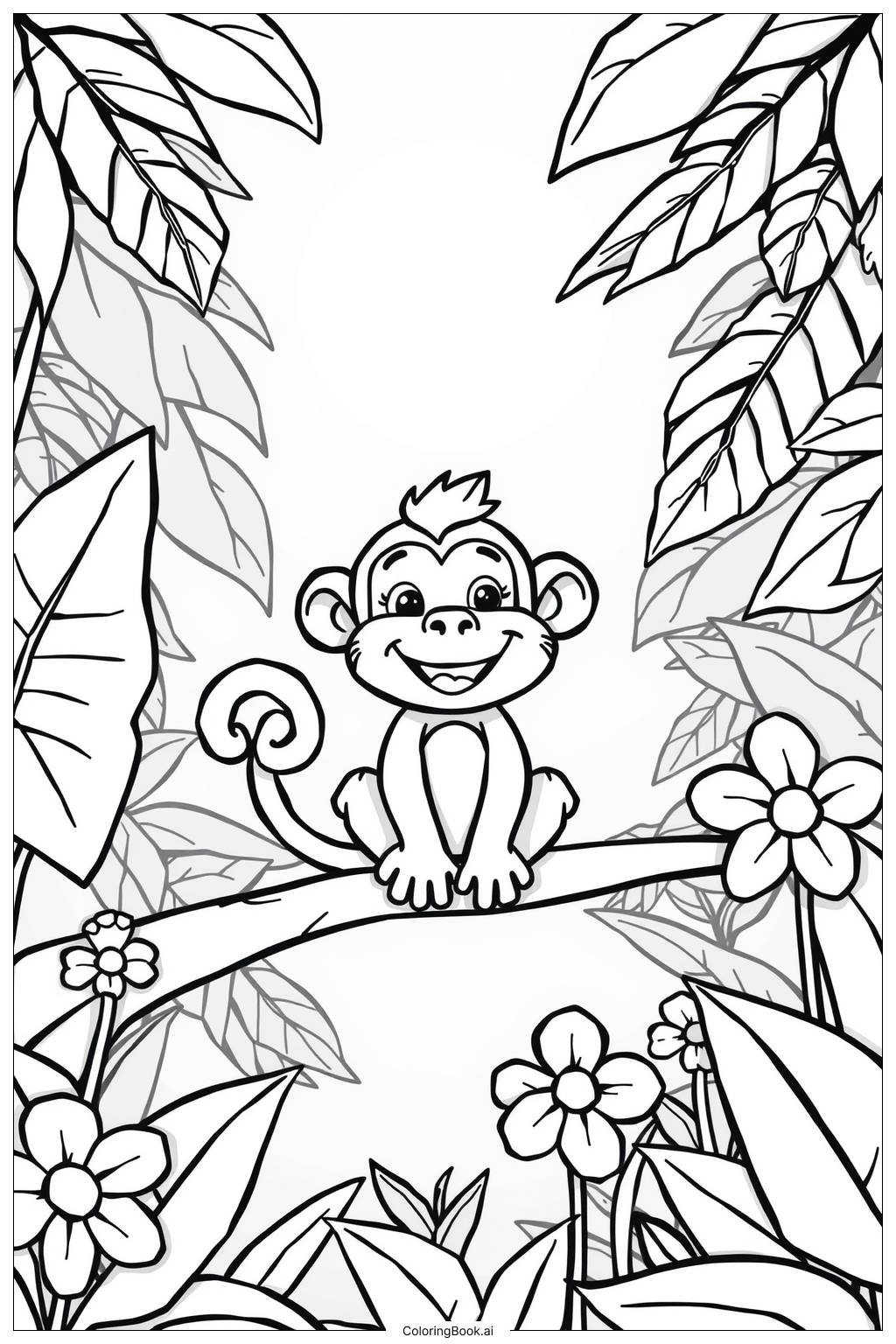
• Face Expression: The monkey's face has small, detailed features like the eyes, nostrils, and mouth. These are tiny areas that require a very fine tool to color neatly. The face also uses different colors — darker fur, lighter cheeks, and a pink or peach mouth area — making it one of the most complex parts of the image.
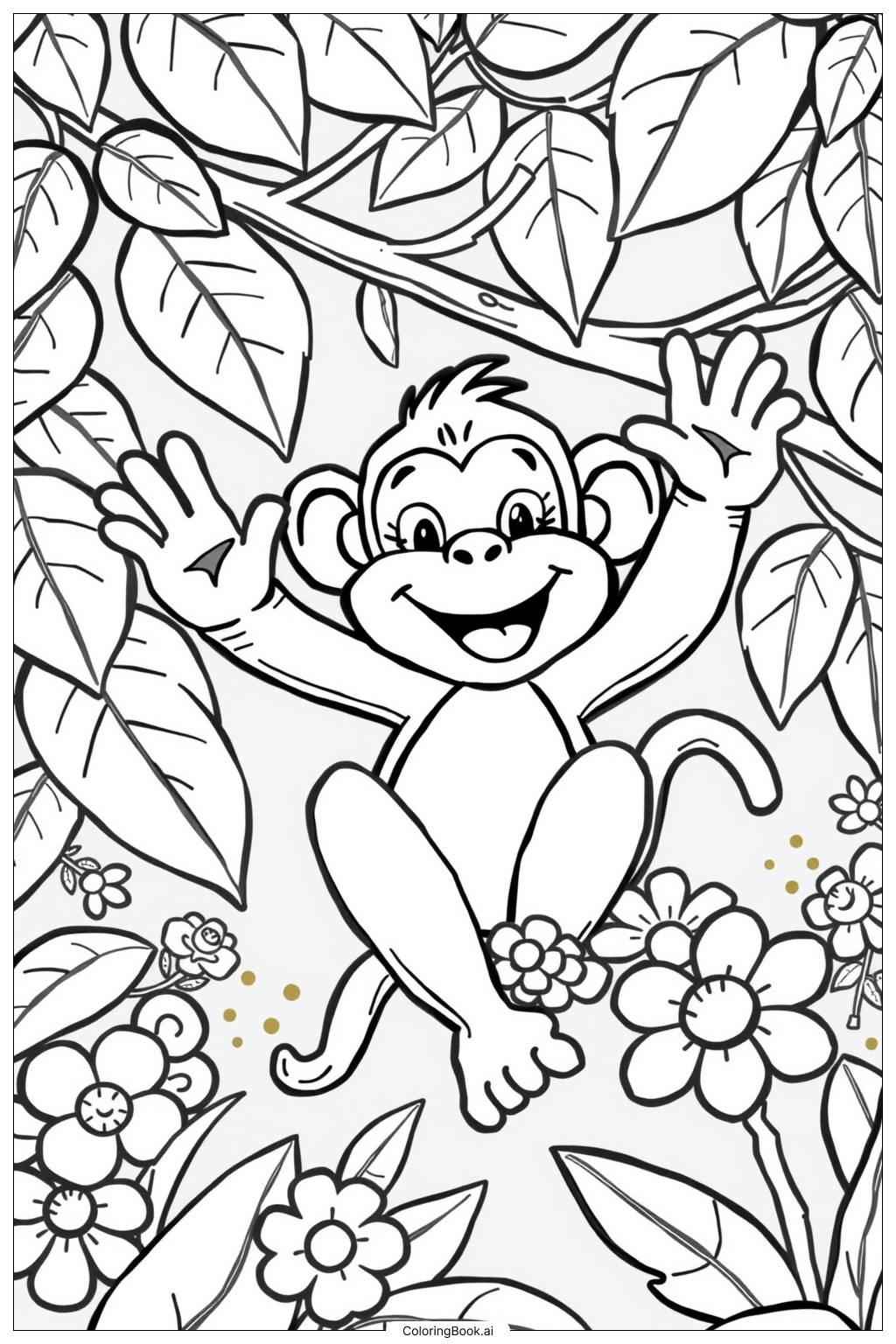
• Overlapping Leaves and Branches: The background has layers of leaves and branches that overlap each other. Deciding which leaf is in front and which is behind, and coloring them in contrasting shades of green, requires careful attention. Missing this detail can flatten the background.
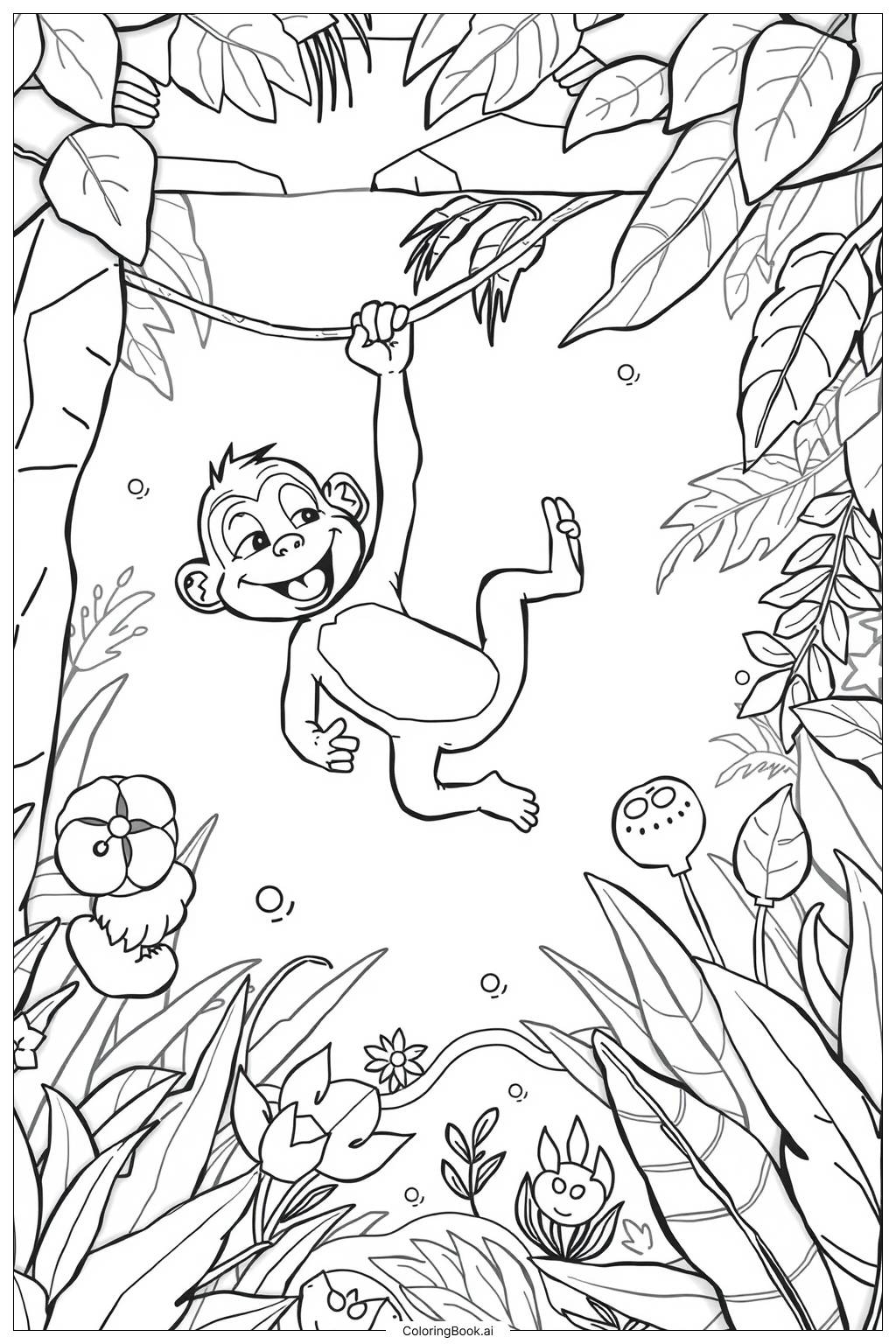
• Climbing Pose Limb Shapes: The monkey's arms and legs are stretched at angles, creating curved and foreshortened shapes. Coloring these limbs smoothly without breaking the flow of the fur lines along the curves takes careful control of your coloring tool.
Benefits of coloring books: Advantages of drawing Monkey Climbing coloring page
Coloring this monkey climbing image offers a wonderful mix of fun and learning for kids and beginners alike. Here are some of the key benefits:
Focus and Patience: The detailed fur lines and small facial features encourage children to slow down, concentrate, and work carefully. This builds attention span over time.
Fine Motor Skills: Guiding a pencil or marker along the curved limbs, tiny face details, and layered leaves strengthens hand-eye coordination and the small muscle control needed for writing and other daily tasks.
Color Awareness: Choosing browns, greens, and skin tones to make the monkey look lifelike helps children explore how colors work together. They learn about warm tones, contrast, and shading in a hands-on, enjoyable way.
Creative Expression: There is no single right way to color this image. Kids can choose bright, bold colors or soft natural ones. This freedom boosts confidence and encourages personal creativity.
Nature Connection: The jungle setting introduces children to wildlife and natural environments. While coloring, they can think about where monkeys live and what they do, sparking curiosity about the natural world.
Stress Relief: The repetitive, calming motion of coloring is relaxing for children and adults alike. It provides a screen-free activity that encourages mindfulness and a sense of quiet accomplishment when the page is complete.