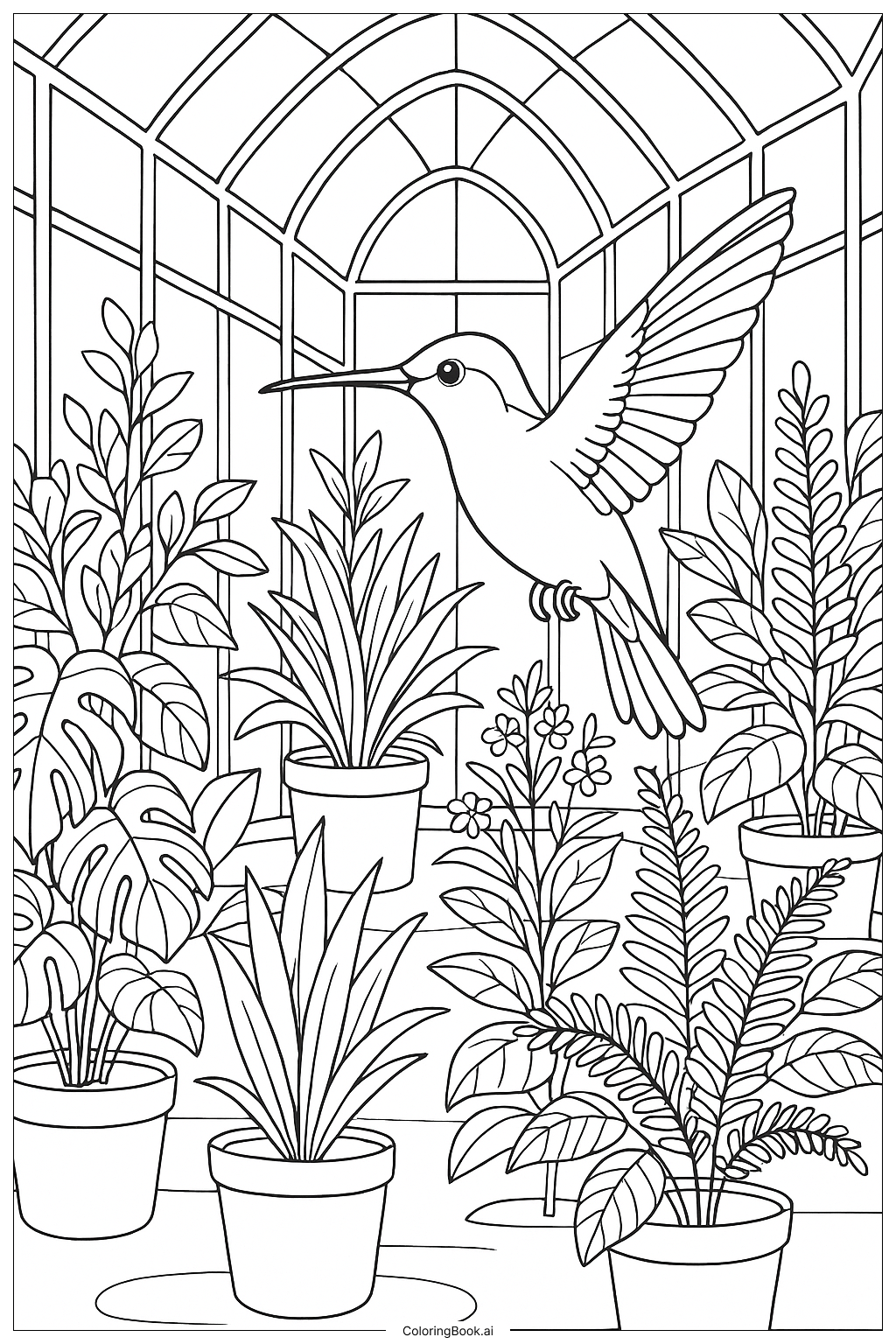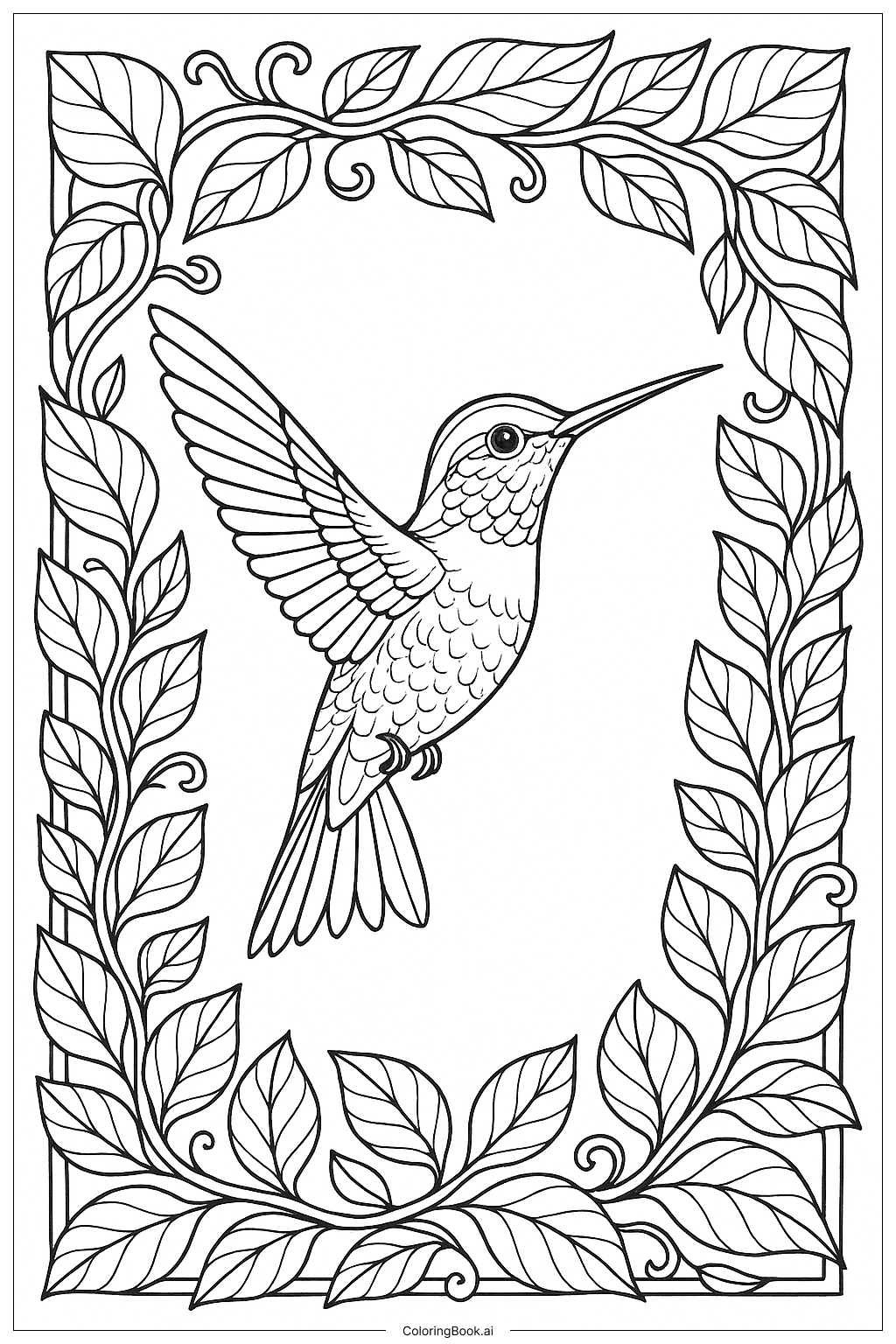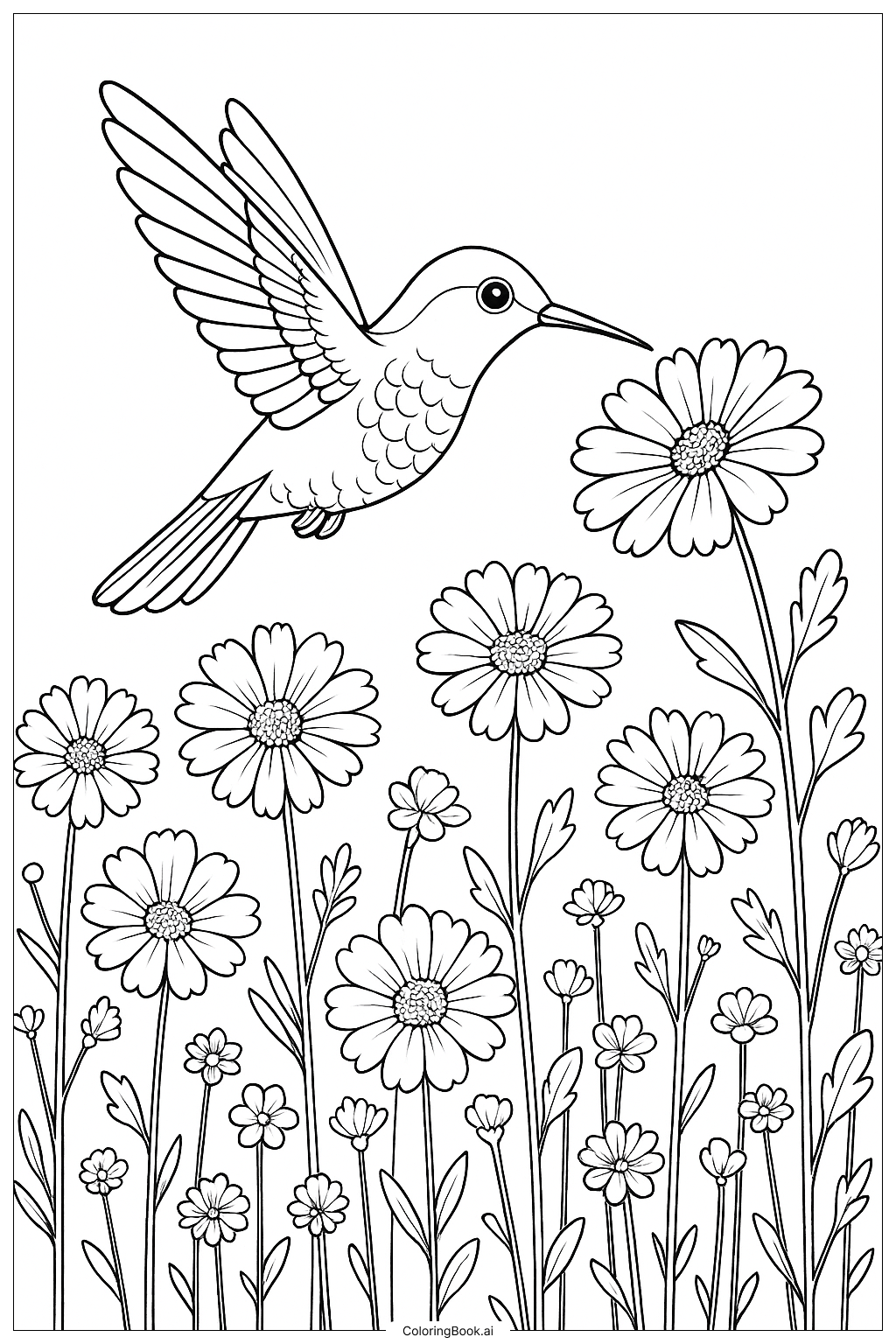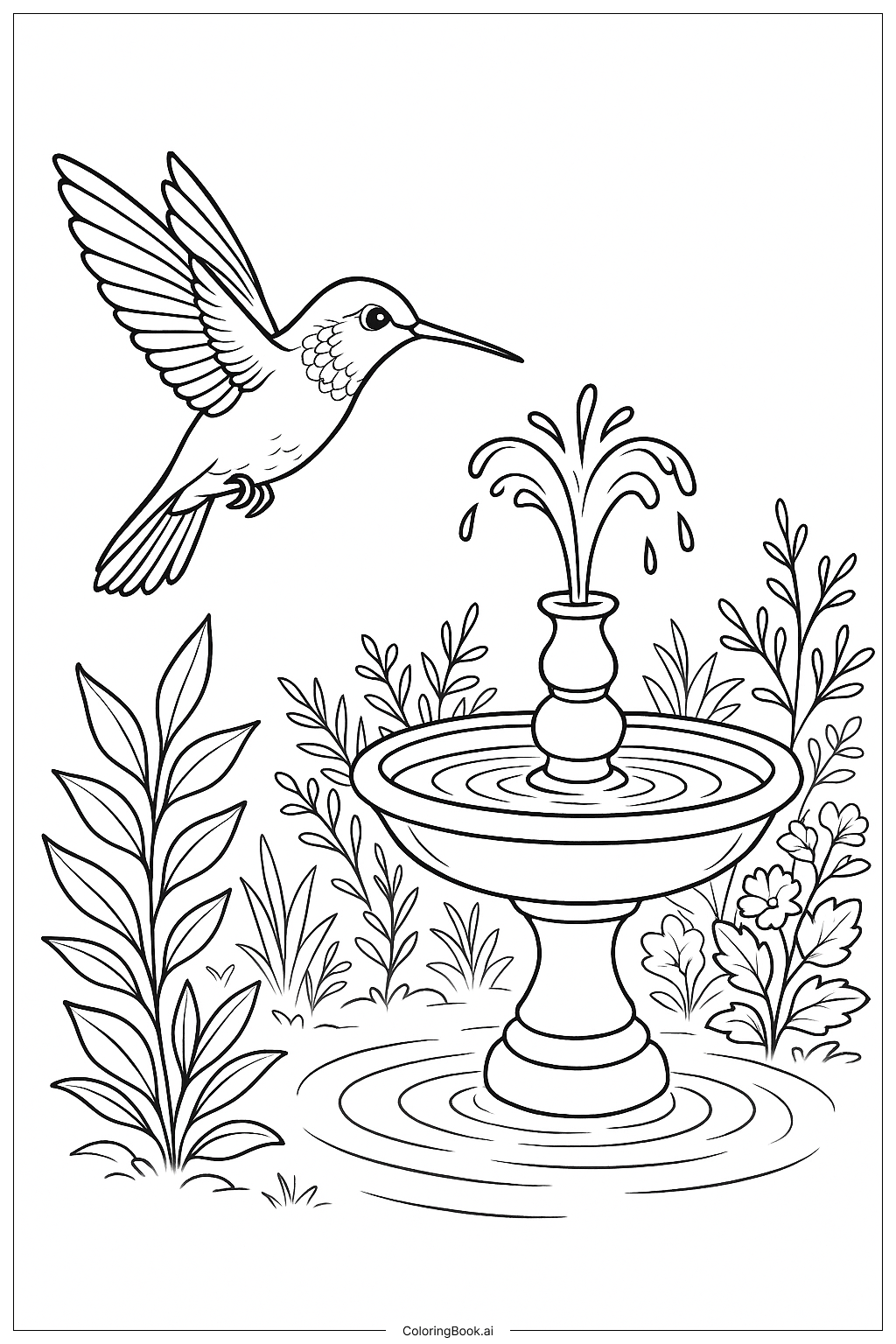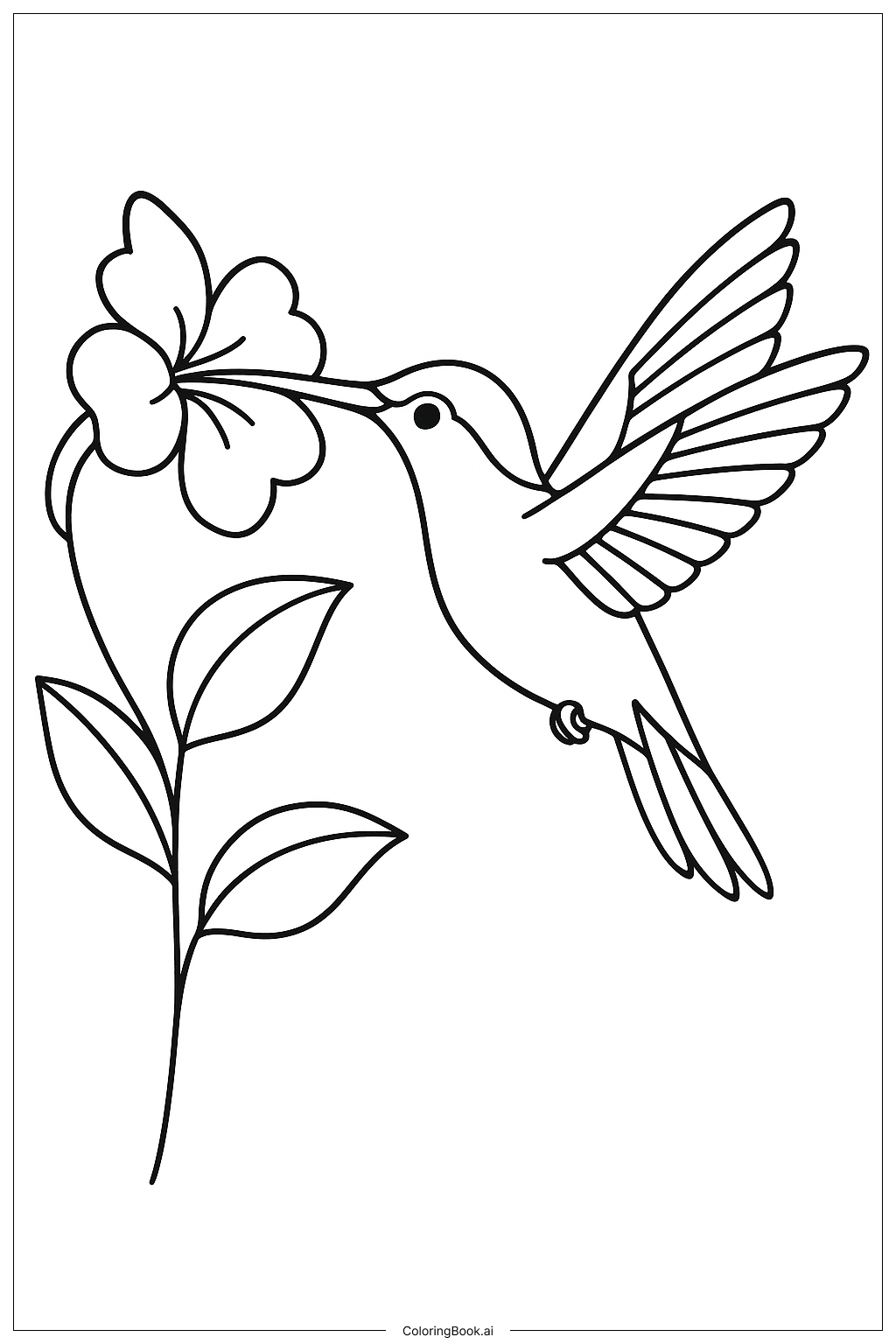
Coloring tips: How to color Hummingbird Eating From Blossom coloring page well?
Start with the hummingbird's body. Use bright, vivid colors like emerald green, ruby red, or deep violet for the feathers — hummingbirds are known for their dazzling, jewel-like colors. Leave the throat area for a pop of iridescent color like magenta or orange.
For the flower, choose soft pinks, lavenders, or bright yellows. Color the petals in a light base tone first, then add a slightly darker shade along the edges to give them depth. The flower center can be golden yellow or warm orange.
Use different shades of green for the leaves and stems. Lighter green near the tips and darker green at the base makes the leaves look more realistic.
For the background, a soft sky blue or pale yellow gives the scene a warm, sunny feel. Kids can also try a light purple or white to keep the focus on the bird and flower. Take your time with small details — it makes the finished page really shine.
Coloring challenges: Which parts are difficult to color and need attention for Hummingbird Eating From Blossom coloring page?
Coloring this image is a rewarding experience, but it does come with a few challenges to keep in mind:
• Small Feather Details: The hummingbird's body is covered in tiny, overlapping feathers. Each one has fine lines that are close together, making it tricky to stay inside the lines. Use a sharp colored pencil or a fine-tipped marker to fill these areas carefully without going over the edges.
• Wing Motion Lines: The wings are drawn with layered, flowing lines to show rapid movement. Coloring these with a smooth gradient — going from a lighter tone at the base to a slightly darker shade at the tips — takes patience and a steady hand. Rushing this section can make the wings look flat or messy.
• Flower Petal Shading: The blossom has multiple petals with natural curves and folds. Simply filling them with one flat color can make the flower look dull. Try using two or three shades of the same color, blending from light in the center to deeper tones at the outer edges, to give the petals a soft, three-dimensional look.
• Flower Center Texture: The center of the bloom has many small stamens and dots packed closely together. This tiny area requires careful attention so that each detail is colored distinctly without muddying the overall look. A fine-point tool works best here.
• Balancing Colors: Choosing colors that complement both the bird and the flower without clashing can be a real challenge, especially for younger colorists. It helps to pick your colors before starting and do a quick test on a scrap piece of paper first.
Benefits of coloring books: Advantages of drawing Hummingbird Eating From Blossom coloring page
Coloring this hummingbird and blossom page offers a wonderful mix of fun and learning. Here are some great reasons to pick up your colors and get started:
Builds Focus and Patience: Filling in the tiny feathers and detailed flower petals encourages children to slow down, concentrate, and work carefully — skills that are useful in school and everyday life.
Boosts Creativity: Choosing colors for the bird, flower, and background lets kids express themselves freely. There is no single right answer — every child's version will be beautifully unique.
Introduces Nature: This page sparks curiosity about hummingbirds and flowers. Kids naturally start asking questions about how hummingbirds eat, where they live, and why flowers have nectar. It is a gentle, fun way to explore the natural world.
Improves Fine Motor Skills: Guiding a pencil or marker through small, detailed spaces helps strengthen hand muscles and improves coordination. This is especially beneficial for younger children still developing their grip and control.
Reduces Stress: The calming, repetitive motion of coloring is known to help children and Adults alike feel more relaxed and at ease. It is a great quiet-time activity after a busy day.
Encourages Pride and Confidence: Finishing a detailed page like this gives colorists a real sense of accomplishment that builds self-confidence and a love of creative work.