Coloring tips: How to color Dot Day Wheel coloring page well?
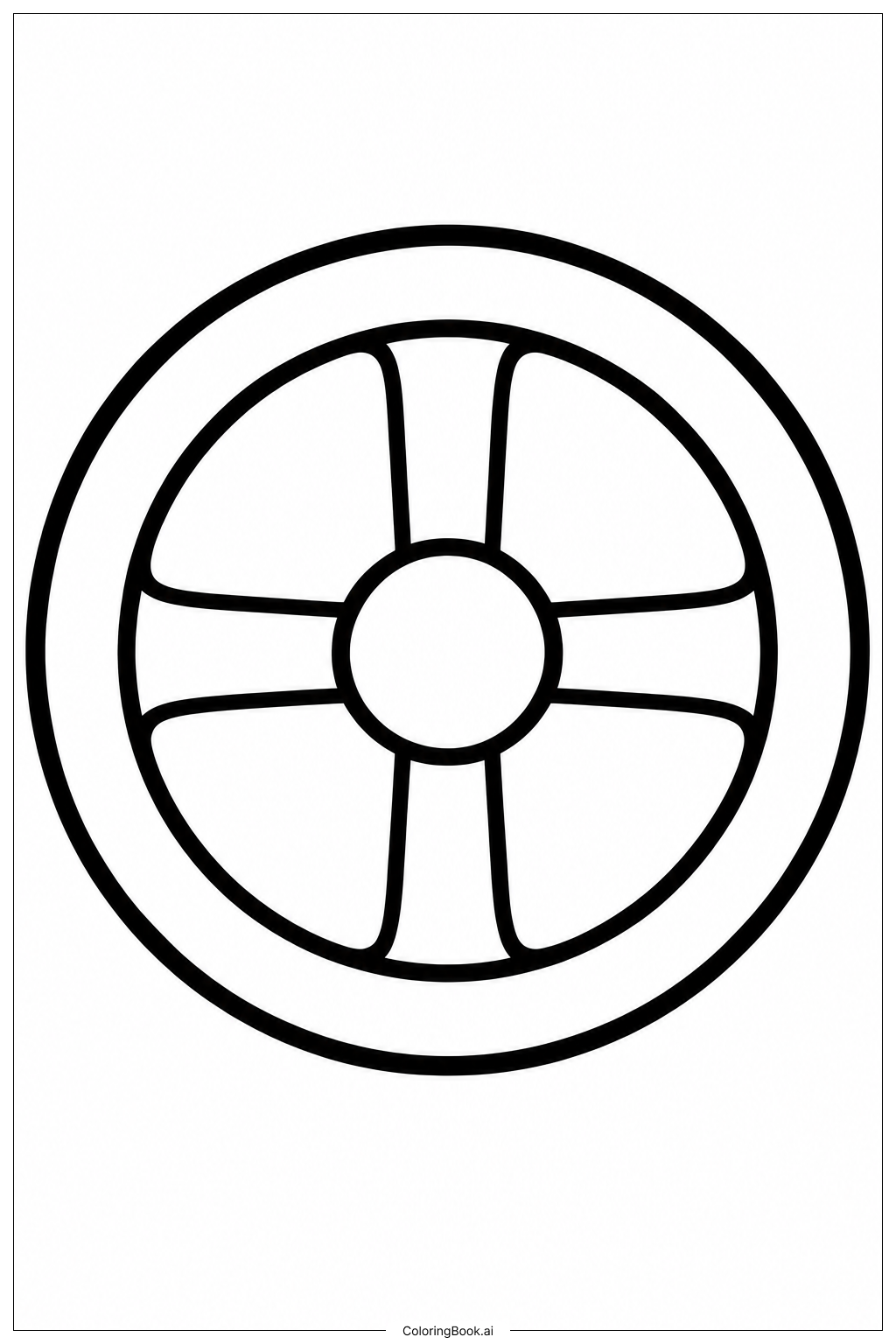
Embrace the spirit of creativity by using a rainbow of colors across different wheel segments. Try bright primary colors like red, blue, and yellow in alternating sections for bold contrast. Experiment with complementary color pairs such as purple and yellow or orange and blue in adjacent wedges. Use warm colors like pink, coral, and gold in some sections and cool colors like teal, lavender, and mint green in others. Consider coloring dots within each segment using gradients from light to dark, or create patterns by alternating two colors within the same section. Metallic markers or gel pens can add special sparkle to smaller dots and star details. Don't be afraid to mix patterns—stripes, polka dots, or solid fills can coexist beautifully in this design, celebrating the message that every mark matters.
Coloring challenges: Which parts are difficult to color and need attention for Dot Day Wheel coloring page?
• Wedge Precision: The wheel's radiating segments require careful coloring along diagonal and curved borders to maintain clean separation between sections. Young colorists may find it challenging to stay within these angled boundaries, especially where multiple lines converge at the center hub. Using fine-tipped markers or colored pencils can help achieve crisp edges, and taking breaks between sections prevents hand fatigue and color bleeding.
• Dot Density Management: Several segments contain numerous small circles clustered together, demanding patience and precision. Coloring tiny dots without overlap requires steady hand control and focus. Children may rush through dense areas, leading to messiness. A helpful approach is to color dots systematically—perhaps working from largest to smallest, or completing one color family before moving to another—to maintain visual organization.
• Pattern Consistency: Maintaining a cohesive color scheme across the entire wheel while keeping each segment distinct presents a design challenge. Colorists must balance variety with harmony, deciding whether to use analogous colors for a unified look or contrasting colors for dramatic effect. Planning the color distribution before starting prevents clashing combinations and ensures the finished wheel feels intentional rather than random.
• Small Detail Work: Stars, tiny spirals, and textured elements scattered throughout require fine motor control and concentration. These decorative touches can be accidentally skipped or colored outside their boundaries. Magnification or good lighting helps, and using tools like fine-point colored pencils gives better control than broader markers for these intricate areas.
Benefits of coloring books: Advantages of drawing Dot Day Wheel coloring page
Coloring this Dot Day Wheel offers wonderful developmental benefits for children and relaxation for adults. The geometric structure enhances spatial awareness and helps young artists understand radial symmetry and how shapes fit together in circular designs. The variety of dot patterns strengthens fine motor skills and hand-eye coordination, especially when filling small circles precisely. This activity encourages decision-making as colorists choose which colors belong in which segments, building confidence in artistic choices—perfectly aligned with Dot Day's message that creativity starts with just making a mark. The repetitive nature of coloring dots and following segment boundaries provides a calming, meditative experience that reduces stress and improves focus. Completing this detailed wheel gives a strong sense of accomplishment and celebrates individual creativity, reminding everyone that their artistic voice matters, no matter how small the start.