Coloring tips: How to color Dot Day Art Workshop coloring page well?
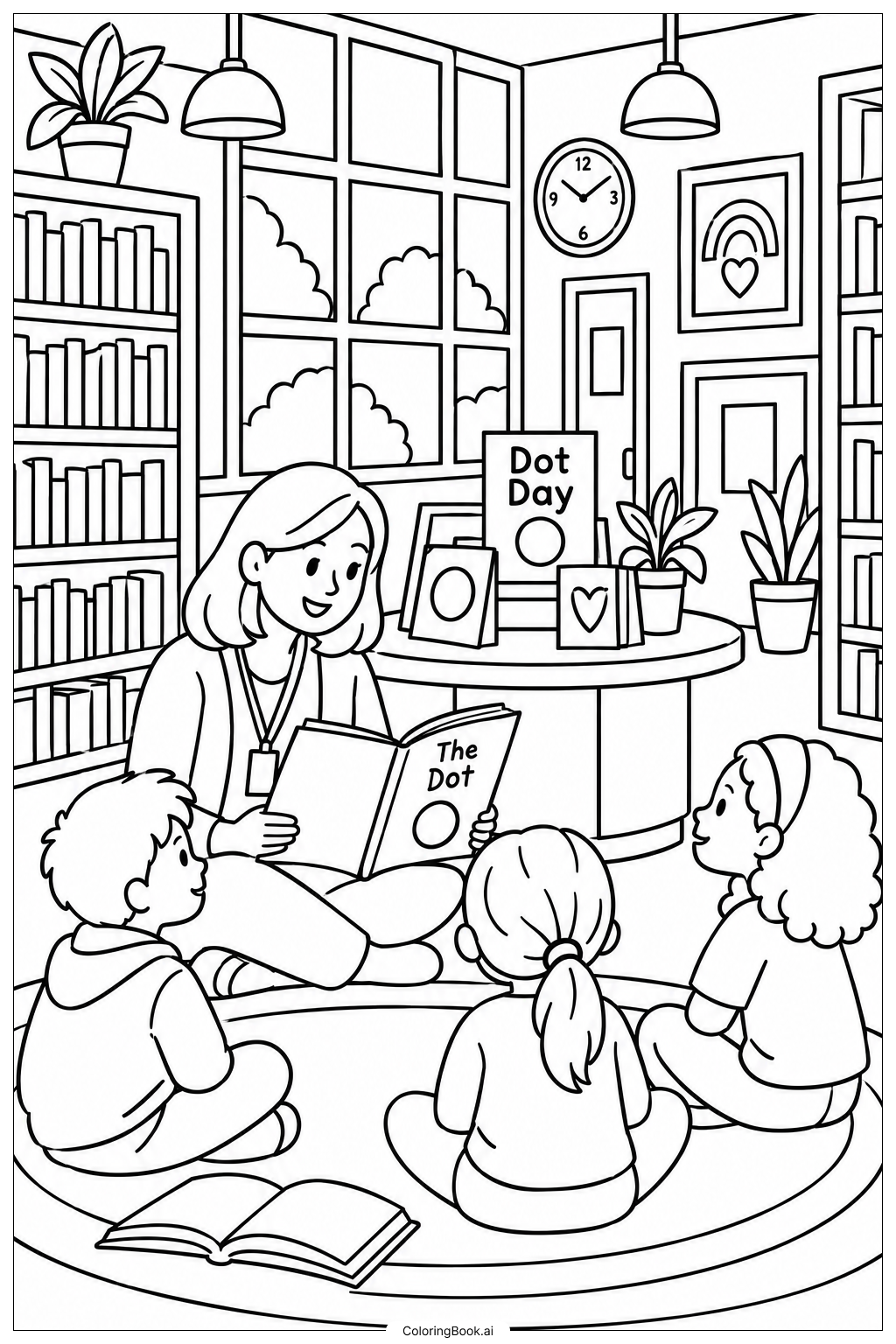
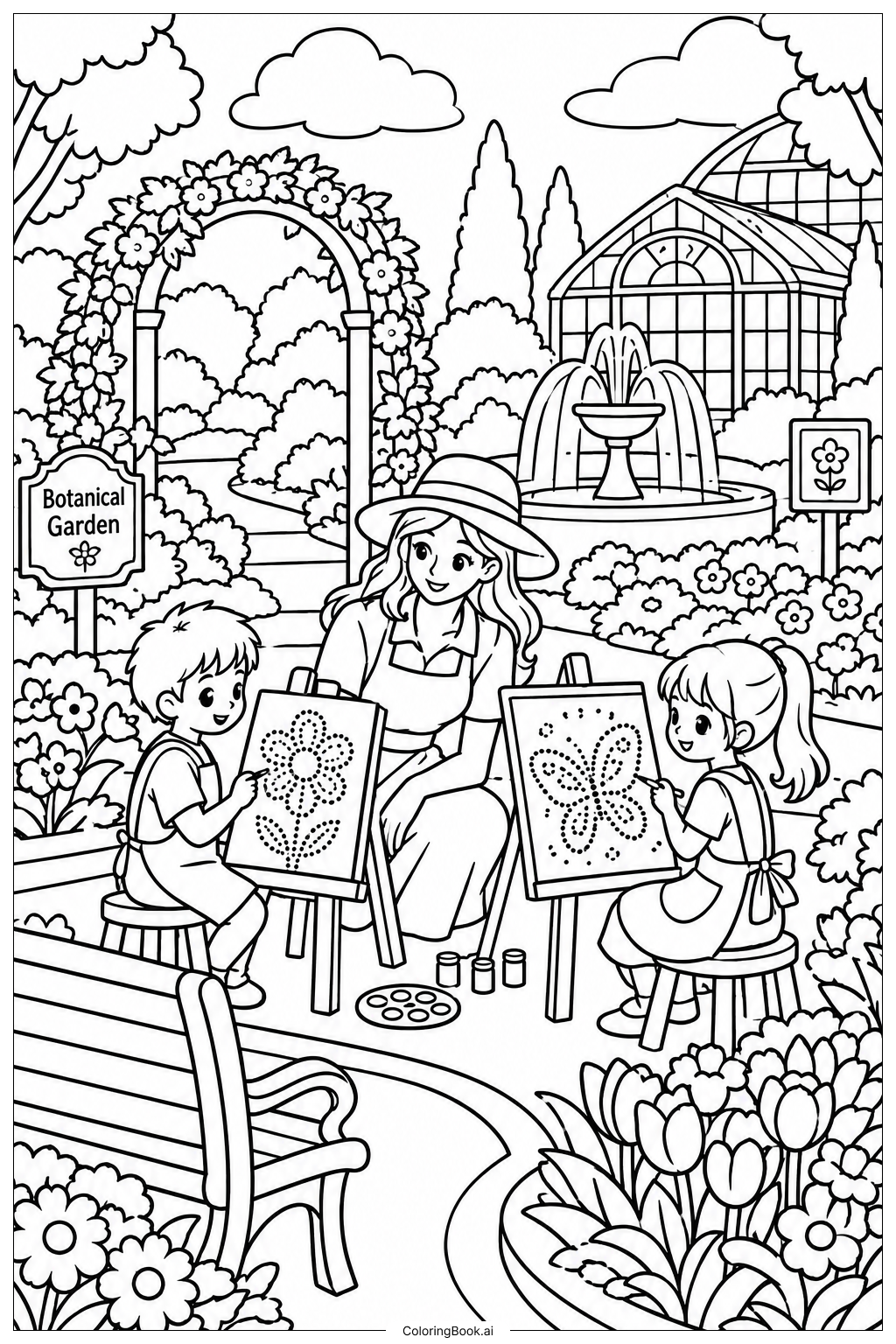
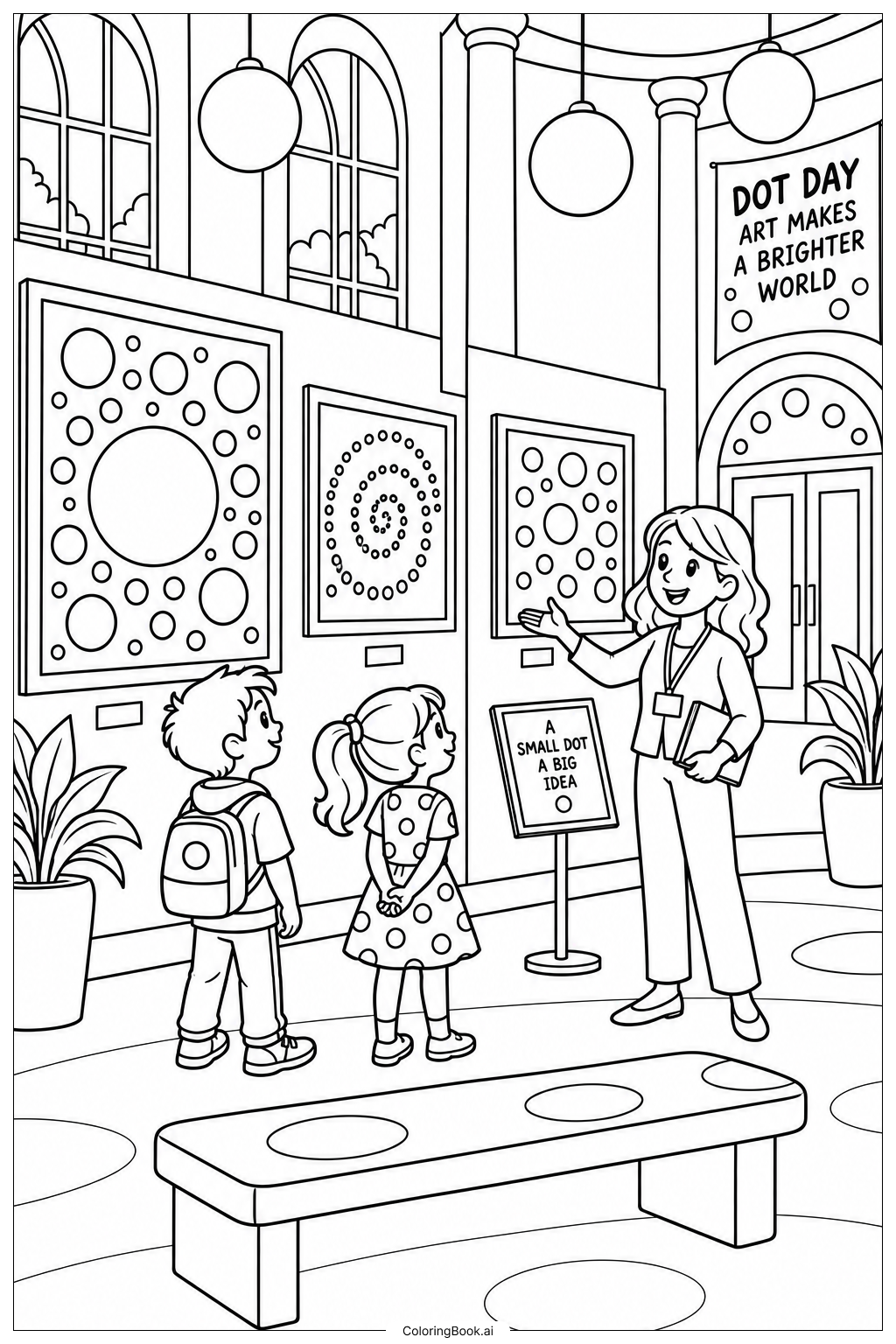
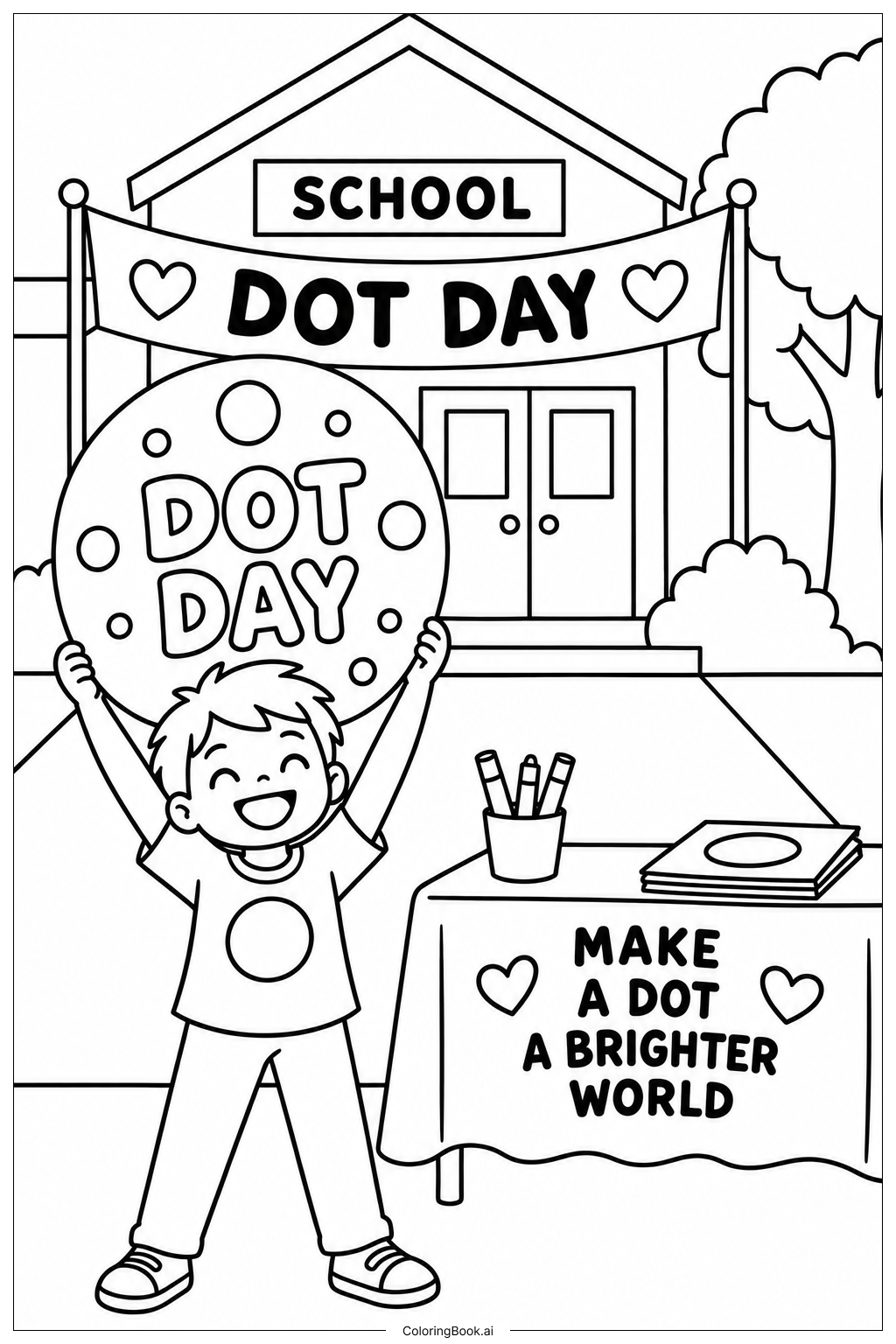
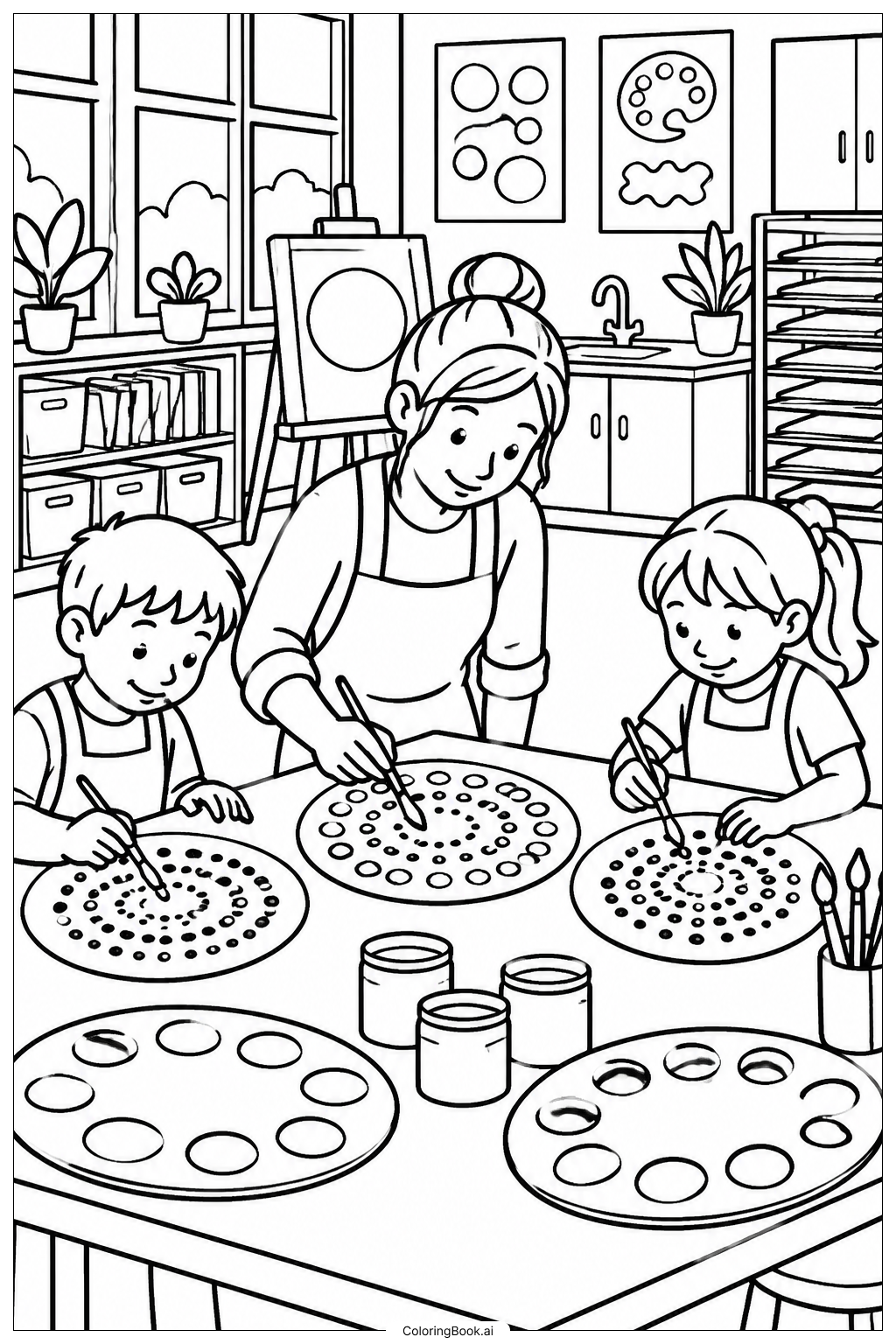
Start with the central artist figure using skin tones of your choice, then bring the paintbrush to life with brown or orange for the handle and silver for the metal ferrule. Make the dots truly special by using a rainbow of colors—try red, blue, yellow, green, purple, and orange to create a vibrant, celebratory feel. The paint palette can feature multiple bright colors in each well. Consider using warm colors like pink, coral, or peach for clothing to make the character stand out. The background dots offer a perfect opportunity to practice color patterns—alternate colors, create gradients, or use complementary colors. Add sparkle to the stars with yellow or gold. For added depth, use lighter shades in the center of larger dots and darker shades around the edges.
Coloring challenges: Which parts are difficult to color and need attention for Dot Day Art Workshop coloring page?
• Dot Consistency and Patterns: With numerous dots scattered throughout the composition, maintaining consistent coloring within each circular shape requires steady hand control and patience. Young colorists may find it challenging to keep colors within the curved boundaries of multiple dots, especially the smaller ones. Creating a cohesive color scheme across all dots while keeping each one distinct takes planning and careful execution.
• Small Detail Areas: The art supplies, paintbrush bristles, and palette wells contain intricate small spaces that demand precision coloring. Children may struggle with the fine motor control needed to color the narrow brush handle or the small circular paint wells without crossing lines. The ferrule and other tiny elements require careful attention and a sharp coloring tool.
• Central Figure and Facial Features: The artist character includes detailed facial features, hair, and clothing that need thoughtful color choices and smooth application. Coloring skin tones evenly, adding details to eyes and mouth, and managing the transition between different elements of the face and hair can be challenging for younger children. Keeping the character's expression clear while adding color requires a delicate touch.
• Layered Composition Elements: The overlapping dots, stars, and art supplies create depth that can be confusing when deciding which element to color first. Understanding which shapes are in front and which are behind helps create visual coherence, but this spatial reasoning can be difficult for early learners. Balancing colors across foreground and background elements requires artistic decision-making skills.
Benefits of coloring books: Advantages of drawing Dot Day Art Workshop coloring page
Coloring this Dot Day Art Workshop page offers wonderful benefits for young artists. It celebrates creativity and self-expression, reinforcing the important Dot Day message that everyone can make their mark. The abundant circular shapes provide excellent practice for controlling coloring tools along curved lines, developing fine motor skills essential for writing. The variety of dot sizes encourages decision-making about color choices and pattern creation, building confidence in artistic expression. Working with the detailed art supplies and character helps children develop focus and concentration while improving hand-eye coordination. The joyful theme promotes positive associations with art-making and creativity. This page also offers opportunities to discuss International Dot Day, inspiring children to be brave in their creative endeavors and understand that all artistic attempts are valuable, just like in Peter H. Reynolds' beloved story.