Coloring tips: How to color Dot Day Sun coloring page well?
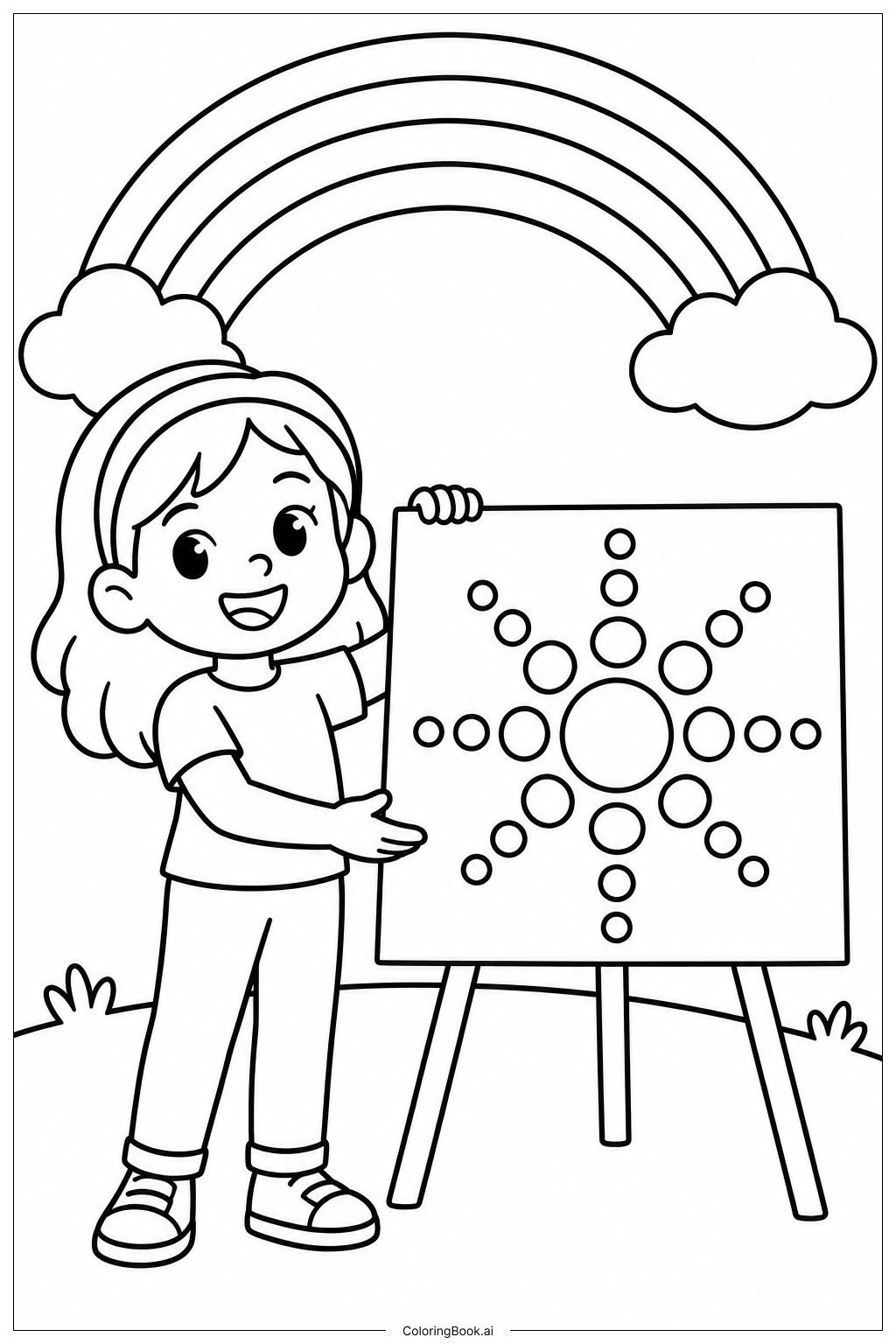
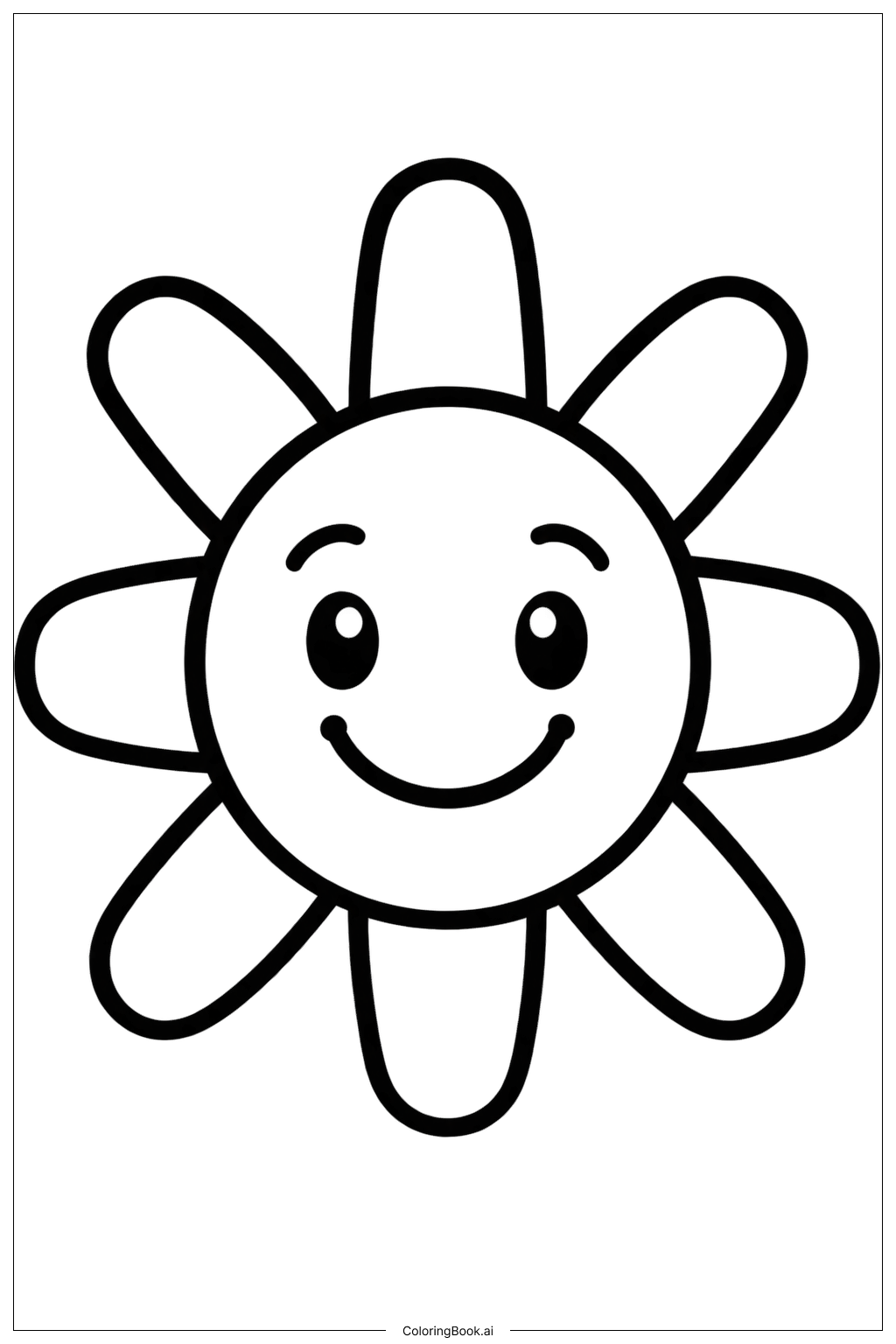
Start with the sun's face by choosing warm yellows or golden tones for the main circular center, bringing out its cheerful personality. For the triangular rays, consider using gradients that transition from bright yellow at the base to orange or even red at the tips, creating depth and dimension. The scattered dots offer a wonderful opportunity for creativity—try using multiple colors like red, blue, green, purple, and orange to make them pop against the background. You could also color each dot differently to celebrate individuality, which is the spirit of Dot Day. For the sun's facial features, use darker shades like brown or black for the eyes, and perhaps a warm peachy tone for rosy cheeks to add character and warmth to this radiant design.
Coloring challenges: Which parts are difficult to color and need attention for Dot Day Sun coloring page?
• Ray Precision: The sun features multiple triangular rays extending outward, and keeping colors consistent within each narrow triangular shape requires steady hand control. Young colorists may find it challenging to stay within the pointed tips without going over the lines, especially when the rays are closely spaced.
• Dot Detailing: The scattered circular dots around the sun provide an excellent opportunity for color variation, but their small size can be tricky for younger children using larger crayons or markers. Filling these tiny circles neatly without bleeding into surrounding areas requires patience and fine motor precision.
• Face Symmetry: The sun's facial features—two eyes and a smile—need balanced coloring to maintain the friendly expression. Colorists should ensure both eyes receive equal attention and shading, and the curved smile should be colored smoothly to preserve its welcoming character.
• Background Decision: Deciding whether to leave the background white or add sky colors, clouds, or additional Dot Day elements requires creative planning. If choosing to add background color, working carefully around all the rays and dots without smudging requires extra care and possibly layering techniques.
• Color Harmony: Selecting a cohesive color palette that makes the dots stand out while keeping the sun as the focal point involves understanding color relationships and contrast, which can be an advanced skill for younger colorists still learning about complementary and analogous colors.
Benefits of coloring books: Advantages of drawing Dot Day Sun coloring page
Coloring this Dot Day Sun page offers numerous developmental benefits for children and adults alike. It strengthens fine motor skills and hand-eye coordination as colorists carefully fill the triangular rays and small circular dots. The variety of shapes—from large triangular sections to tiny circles—provides excellent practice in controlling coloring tools with different levels of precision. The sun's friendly face encourages emotional connection and positive associations with creativity, reinforcing the Dot Day message that everyone can be an artist. Decision-making skills develop as colorists choose color schemes for the rays and dots, learning about color theory and personal expression. The page also promotes focus and concentration, as completing the detailed elements requires sustained attention. For children celebrating Dot Day at school, this activity reinforces themes of confidence, courage, and the understanding that small creative acts can lead to wonderful results, just like Vashti's simple dot in the original story.