Coloring tips: How to color Dot Day Smiling Dot coloring page well?
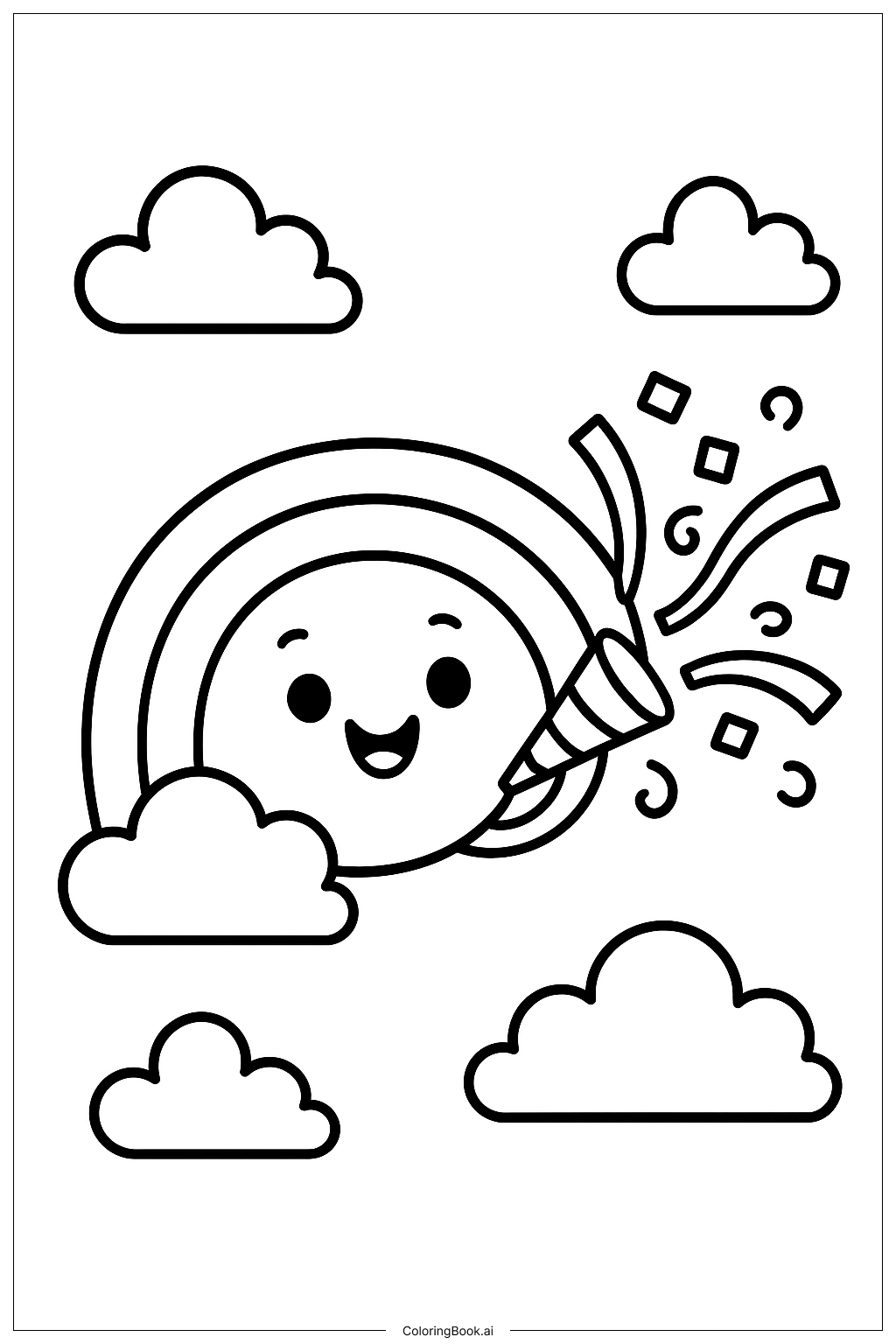
Start with bright, bold colors to capture the joyful spirit of this smiling dot. Consider using warm yellows, oranges, or sunny gold for the main body to create a cheerful, inviting appearance. For the eyes, try using deep brown or black for the pupils with white highlights to make them sparkle with life. The smile can be colored in a contrasting shade, perhaps a deep red or pink, to make it stand out. You might also add subtle shading around the edges of the dot using a slightly darker version of your main color to give it dimension. For a playful touch, consider adding patterns inside the dot like polka dots, stripes, or even a rainbow gradient. Don't be afraid to experiment with unexpected color combinations that reflect your own creativity and personal style, just as Dot Day encourages everyone to make their unique mark.
Coloring challenges: Which parts are difficult to color and need attention for Dot Day Smiling Dot coloring page?
• Large Open Space: The main circular body of the dot presents a significant area to color evenly, which can be challenging for younger children who are still developing their fine motor control and patience. Maintaining consistent pressure and color saturation across this broad surface requires practice and care to avoid streaking or uneven patches.
• Staying Within Circular Boundaries: The smooth, curved outline of the dot requires careful hand control to color neatly without going outside the lines. Circular edges are often more difficult to follow precisely than straight lines, especially when working around the upper and lower curves where the direction constantly changes.
• Creating Dimension and Interest: While the simple design is approachable, making the flat circle look three-dimensional or visually interesting requires thoughtful color choices and shading techniques. Children may need to experiment with color gradients, blending, or adding patterns to prevent the large space from looking flat or monotonous.
• Detail Work on Facial Features: The eyes and smile, while not overly complex, do require precision and steadiness to color within their smaller boundaries. Coordinating colors between these features and the main body while maintaining clean edges around these details can challenge developing coloring skills and hand-eye coordination.
Benefits of coloring books: Advantages of drawing Dot Day Smiling Dot coloring page
Coloring this Dot Day Smiling Dot offers wonderful developmental benefits for children. The large, simple shape is perfect for building confidence in young artists who are just beginning their creative journey, echoing the message of Dot Day that any mark can be the start of something special. The generous open space allows children to practice maintaining steady hand pressure and developing the patience needed to complete larger areas neatly. Working with the circular shape helps improve hand-eye coordination and fine motor control as they navigate the curved boundaries. The expressive face encourages emotional connection and storytelling, allowing children to explore how colors can convey feelings and personality. This design also provides an excellent opportunity for experimenting with color theory, blending techniques, and creative pattern-making within a non-intimidating framework. The joyful character promotes positive associations with art-making and self-expression, reinforcing the important lesson that creativity should be celebrated in all its forms.