Coloring tips: How to color Dot Day Sharing Art coloring page well?
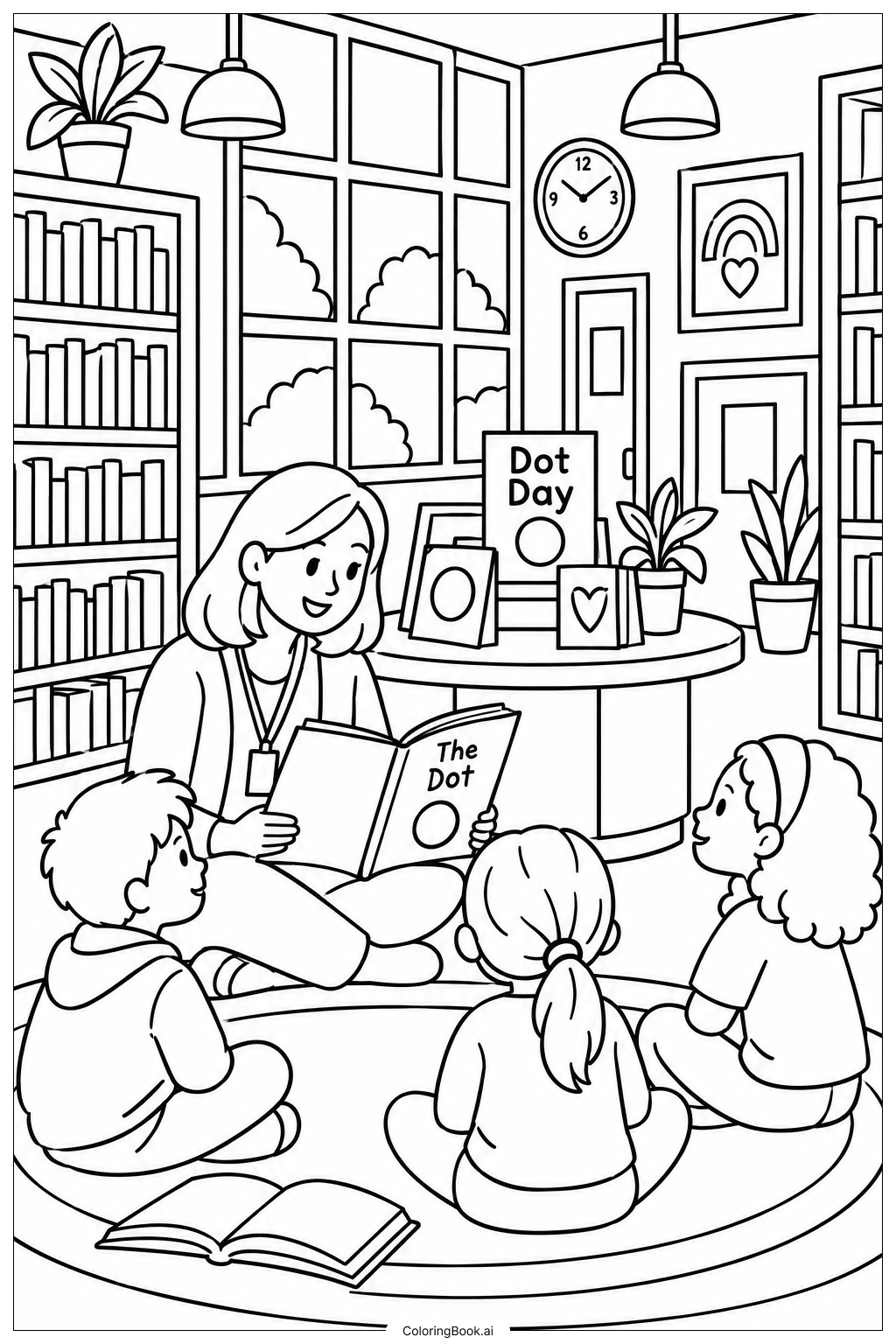
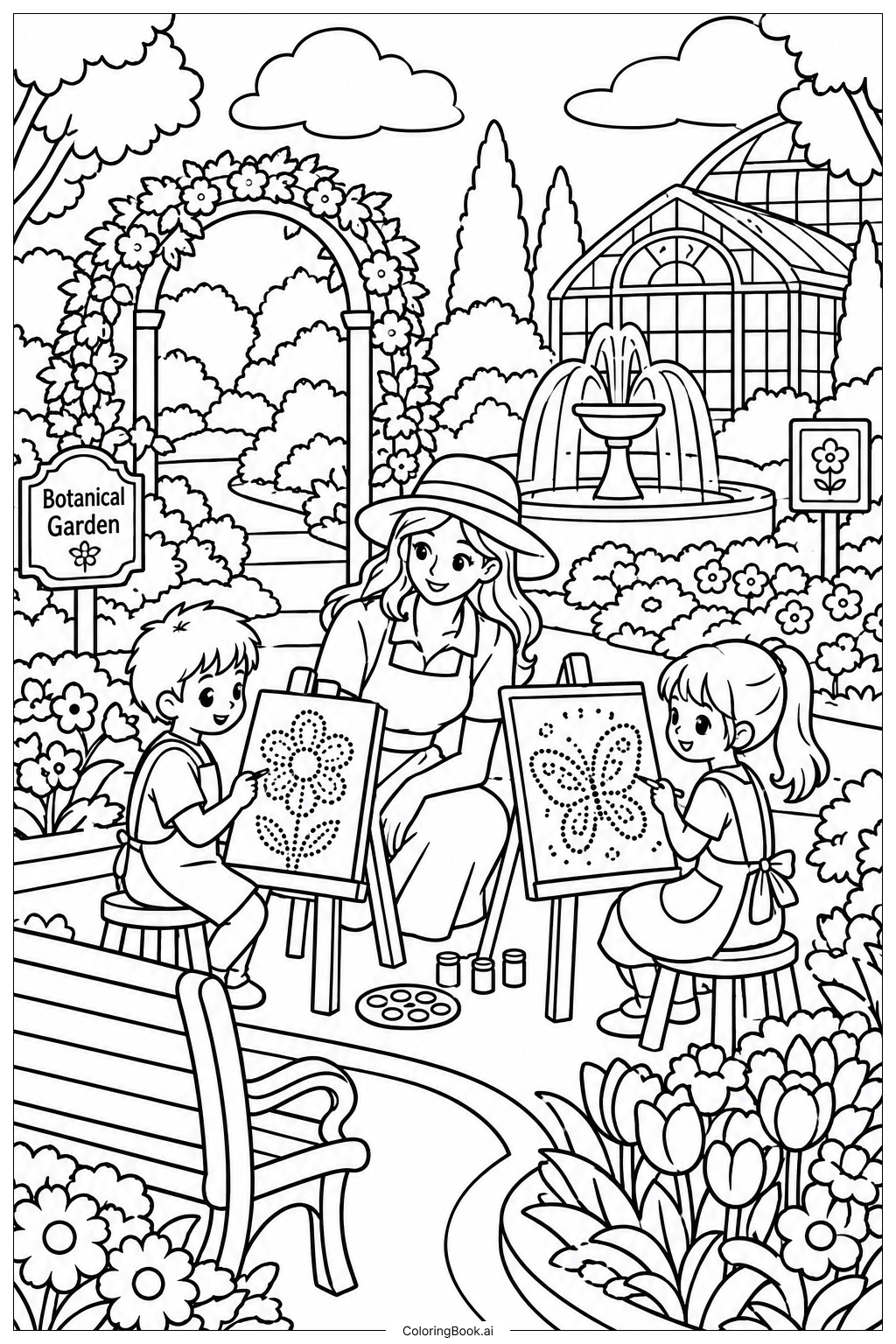
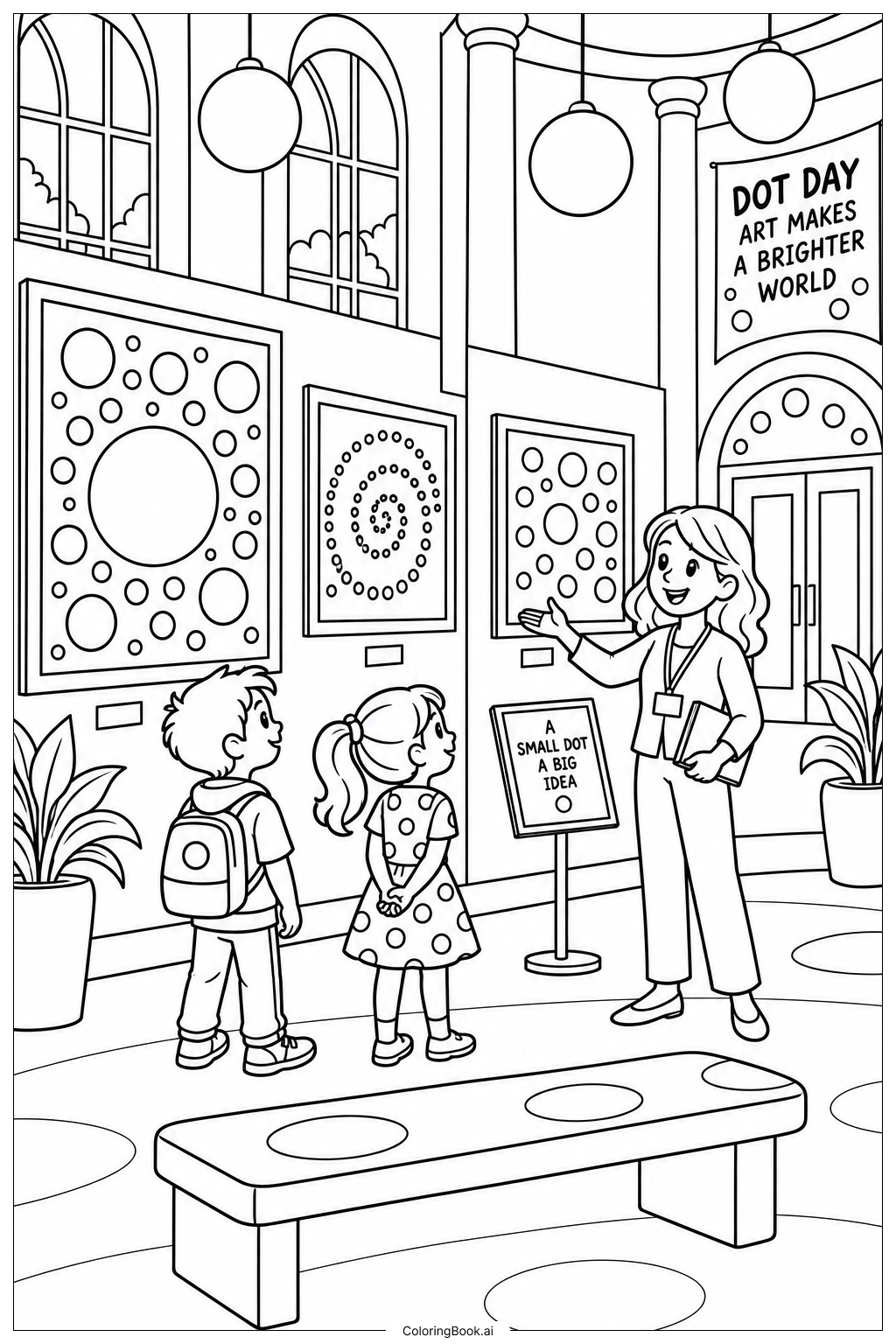
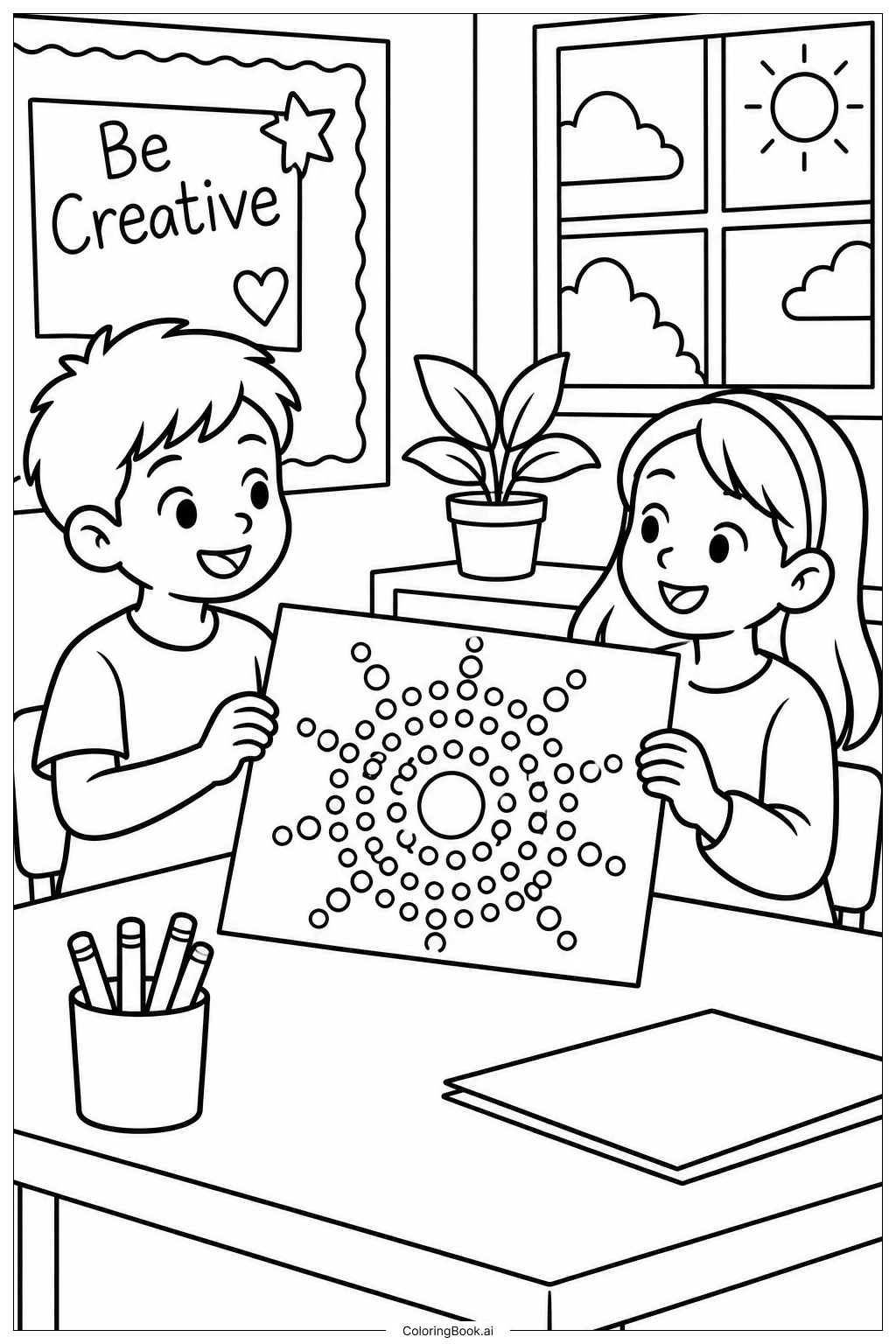
Start by coloring each child's clothing in different bright colors to show their unique personalities. Use a rainbow of colors for the dot artworks they're holding—reds, blues, yellows, greens, purples, and oranges work beautifully. Make some dots solid colors and others with patterns or gradients. Color the children's hair in natural tones like brown, black, blonde, or red. For skin tones, choose colors that reflect diversity. The art supplies like paint jars and brushes can be colorful too. Consider using metallics or glitter pens on some of the dots to make them sparkle. The background banners could feature alternating colors or patterns. Don't be afraid to mix bright and soft colors to create visual interest and celebrate the diversity of artistic expression.
Coloring challenges: Which parts are difficult to color and need attention for Dot Day Sharing Art coloring page?
• Multiple Figures: This image contains several children positioned at different angles and depths, requiring careful attention to keep each figure distinct. Colorists need to plan their palette so that each child stands out from the others and from the background, which can be challenging for younger artists who may accidentally blend figures together.
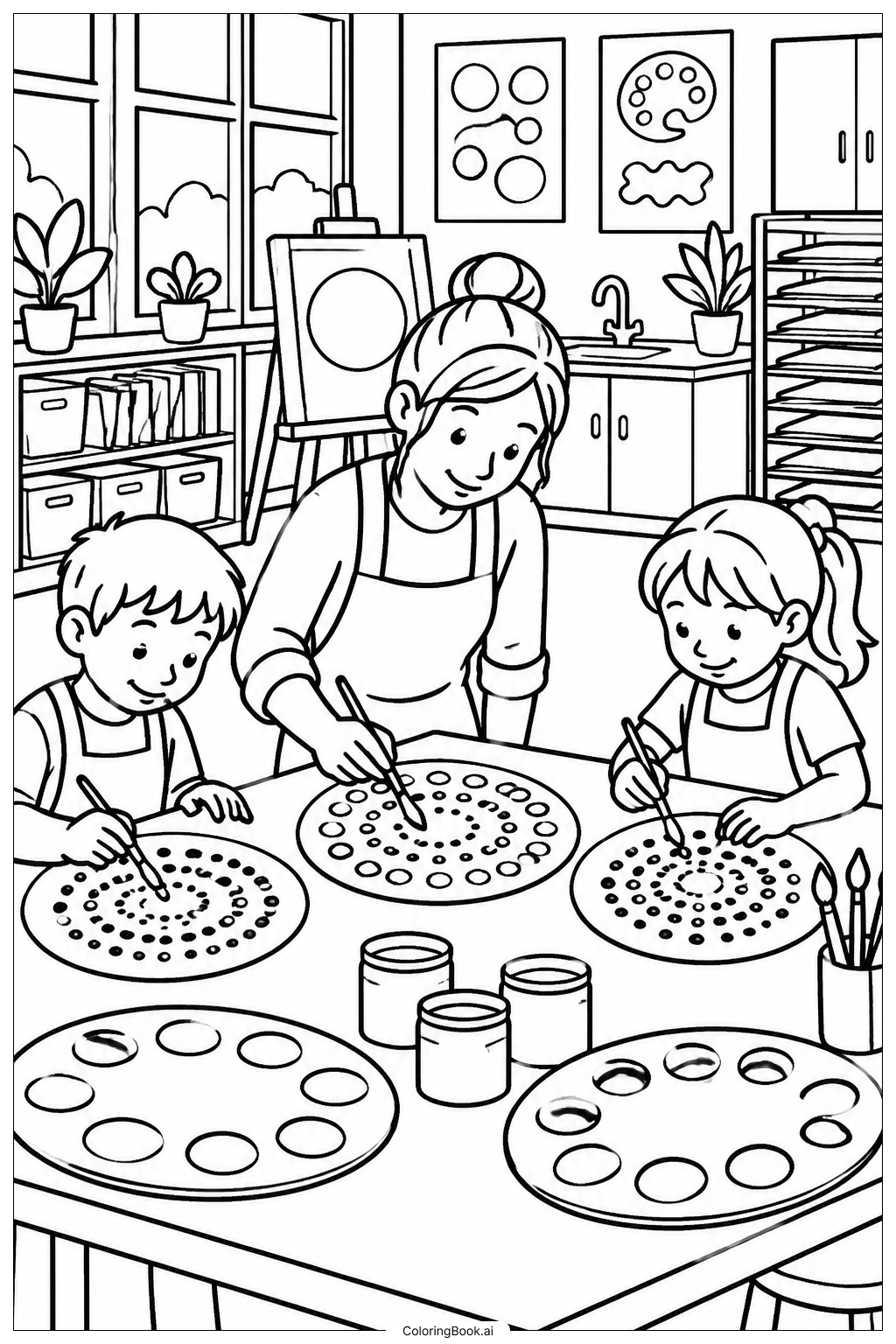
• Detailed Dot Patterns: The artworks held by the children feature numerous dots of varying sizes that need individual coloring. Staying within the lines of small circular shapes requires fine motor control and patience. Deciding on a color scheme for each piece of artwork while keeping it visually appealing adds an extra layer of complexity.
• Overlapping Elements: Arms, papers, and bodies overlap throughout the composition, creating areas where one element passes in front of another. Distinguishing these layers and choosing colors that maintain clarity at intersection points requires planning and careful execution to avoid visual confusion.
• Small Art Supplies: Paintbrushes, paint jars, and other tiny details scattered throughout the scene demand precision coloring. These small objects can be tricky for younger children or those still developing fine motor skills, and they're easy to overlook, yet they add important context to the scene.
• Facial Expressions: The children's faces contain small features like eyes, mouths, and noses that require delicate coloring to capture their joyful expressions. Getting skin tones consistent across multiple faces while adding details like rosy cheeks presents both a technical and artistic challenge.
Benefits of coloring books: Advantages of drawing Dot Day Sharing Art coloring page
Coloring this Dot Day scene helps children develop fine motor skills through the detailed work required for small dots and facial features. It encourages color theory exploration as they decide how to make each child's artwork unique and vibrant. The image promotes emotional learning by depicting friendship, sharing, and artistic pride—themes children can connect with personally. Working on multiple figures teaches planning and organization as colorists must think ahead about their color choices to keep characters distinct. The dot patterns offer opportunities for creative decision-making and pattern recognition. Completing this collaborative scene can boost confidence and inspire children to create and share their own art. It reinforces the Dot Day message that everyone is an artist and that creativity should be celebrated and shared with others, fostering both artistic skills and positive social values.