Coloring tips: How to color Dot Day Flower coloring page well?
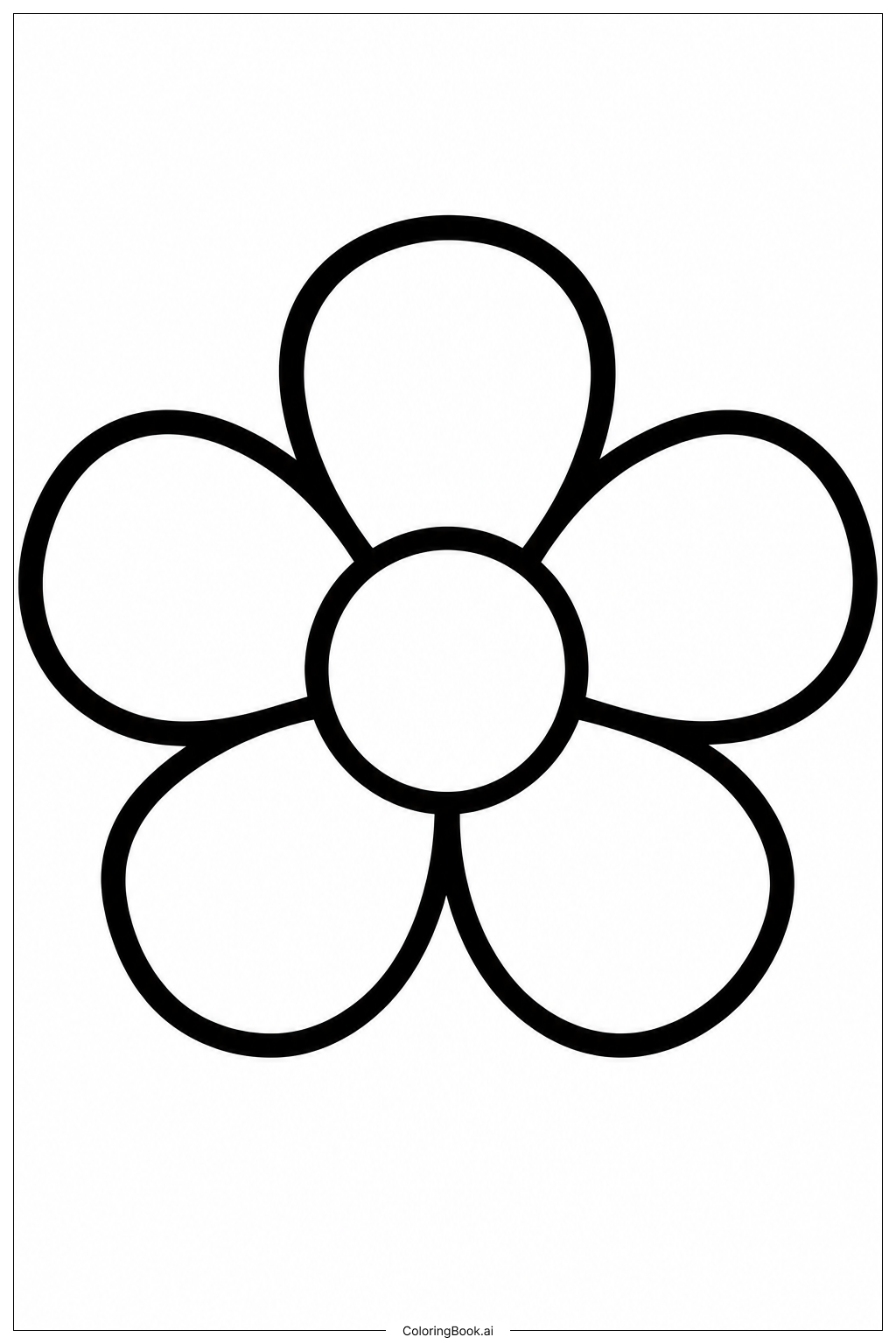
Start with the central flower as your focal point, using warm colors like pink, coral, or sunny yellow for the petals. Consider using a gradient technique, making the inner petals darker and gradually lightening toward the outer edges. The flower center could be colored in contrasting shades like deep purple or orange to make it pop. For the leaves, try various shades of green, from lime to forest green, and add dimension by coloring the veins slightly darker. The smaller surrounding blooms offer opportunities for complementary colors like lavender or light blue. The dotted border could be colored in rainbow patterns or alternating colors to celebrate the playful spirit of Dot Day. Experiment with different color combinations to make this flower uniquely yours, just as Dot Day encourages individual creative expression.
Coloring challenges: Which parts are difficult to color and need attention for Dot Day Flower coloring page?
• Petal Layering and Symmetry: The overlapping petals create multiple layers that require careful color selection to maintain visual depth and prevent the design from looking flat. Each petal layer should be distinguished from the others while maintaining harmonious color relationships. The symmetrical arrangement means any inconsistency in coloring technique will be immediately noticeable, requiring steady hand control and consistent pressure throughout.
• Intricate Center Details: The flower's core contains small, detailed elements and circular patterns that demand precision coloring with fine-tipped tools. These tiny spaces can be challenging to fill without bleeding into adjacent areas. Younger children may find this section particularly demanding and may need to use markers or crayons with fine points to successfully navigate these delicate areas.
• Leaf Vein Definition: The leaves feature prominent veins that create narrow sections requiring careful attention. Deciding whether to color veins in contrasting shades or leave them outlined adds another layer of complexity. Maintaining clean lines along these veins while filling the broader leaf areas tests fine motor control and patience.
• Border Dot Consistency: The circular border decorated with small dots presents a unique challenge in maintaining color consistency and pattern decisions. Whether creating a rainbow effect, alternating colors, or using a single shade, each dot must be colored carefully to avoid a messy appearance, requiring significant time and attention to detail.
Benefits of coloring books: Advantages of drawing Dot Day Flower coloring page
Coloring this Dot Day Flower design offers wonderful benefits for children and adults alike. It helps develop fine motor skills and hand-eye coordination through the precise movements required for the detailed petals and intricate center. The symmetrical pattern promotes focus and mindfulness, creating a calming, meditative experience that reduces stress and anxiety. This design celebrates creativity and self-expression, core themes of Dot Day, encouraging colorists to make bold choices and trust their artistic instincts. Working through the layered petals and detailed elements builds patience and perseverance. The botanical theme connects colorists with nature's beauty while the circular mandala-like structure provides a sense of completion and accomplishment. For younger children, this activity strengthens color recognition, decision-making skills, and the confidence to experiment. The finished piece becomes a personal artistic achievement that embodies the Dot Day message: everyone can be creative, starting with just one dot.