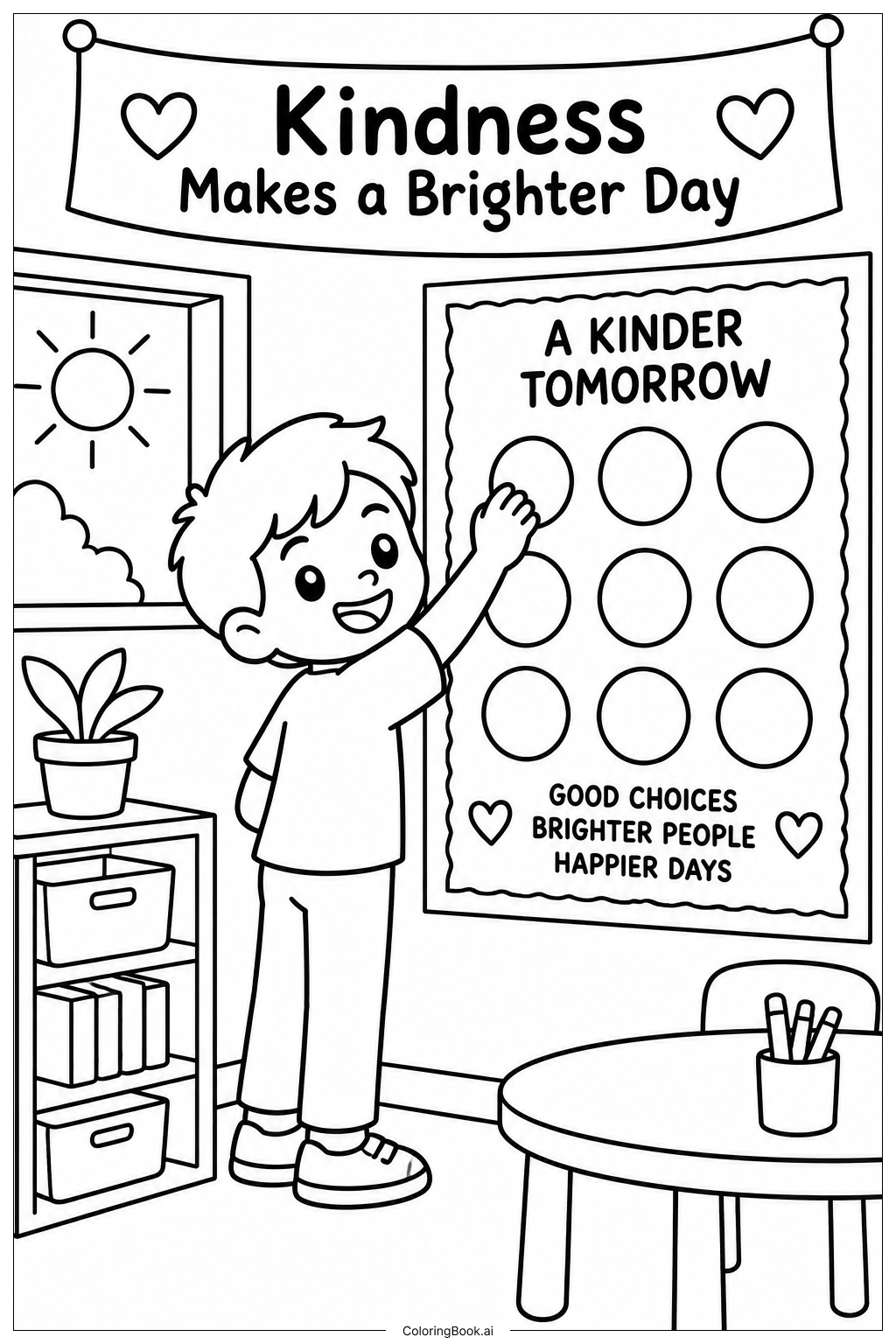
Coloring tips: How to color Dot Day Dot Wall coloring page well?
Start by choosing a color scheme for your dot wall. You could use rainbow colors, assigning different hues to different rows or columns of dots. For a cohesive look, try an ombre effect transitioning from warm colors at the top to cool colors at the bottom. Each dot can be its own mini artwork - use bright primary colors for simple geometric patterns, pastels for floral designs, and bold contrasting colors for the more intricate mandala-style dots. Consider leaving some dots in black and white for visual contrast. Metallic gel pens or glitter pens work beautifully on the detailed zentangle patterns. For the background wall, use a light neutral color like soft gray, cream, or pale blue to make the colorful dots pop. You might add subtle shading around each dot to create dimension and make them appear to float off the wall.
Coloring challenges: Which parts are difficult to color and need attention for Dot Day Dot Wall coloring page?
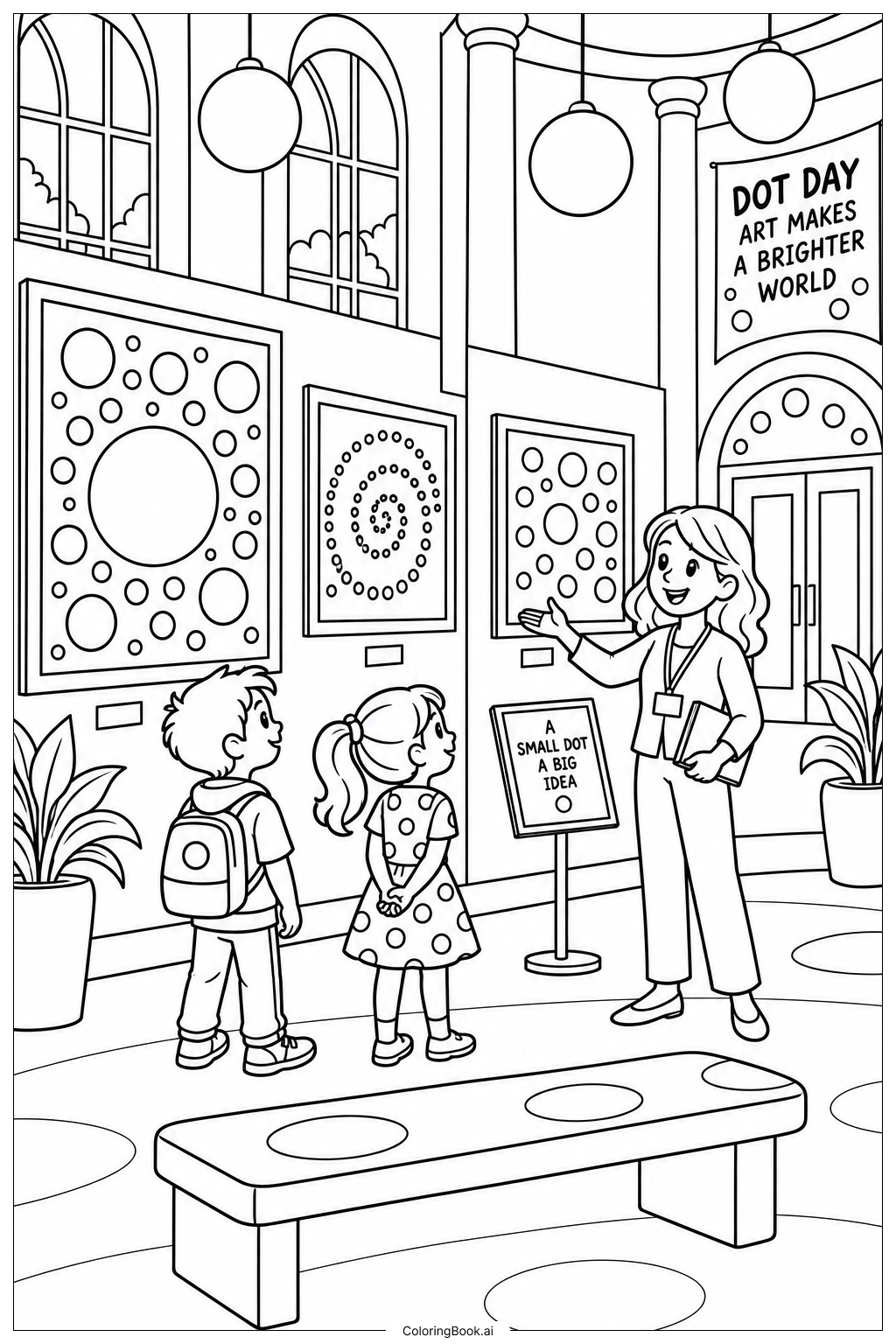
• Pattern Variety Management: This image contains numerous dots with vastly different internal designs, from simple circles to complex mandalas. The challenge lies in maintaining visual balance across the entire composition while giving each dot appropriate attention. Deciding on a cohesive color strategy that unifies the diverse patterns without making them blend together requires careful planning and color theory knowledge.
• Intricate Detail Work: Many dots feature zentangle-style patterns with tiny sections, delicate lines, and repetitive geometric elements. Coloring these intricate areas demands precision, steady hand control, and patience. Using fine-tipped coloring tools is essential, and younger children may find the smallest pattern elements frustrating or difficult to color without going outside the lines.
• Color Coordination Across Multiple Elements: With dozens of individual dots to color, maintaining a harmonious color palette throughout the entire piece is challenging. Each dot needs enough contrast to stand out independently while contributing to the overall aesthetic. This requires advanced planning and the ability to visualize how colors will interact across the full composition.
• Sustained Focus and Completion Time: The sheer number of dots and the complexity of their internal patterns means this coloring page requires significant time investment and sustained concentration. Completing the entire image without losing enthusiasm or making hasty color choices toward the end tests endurance and commitment to the project.
Benefits of coloring books: Advantages of drawing Dot Day Dot Wall coloring page
Coloring this Dot Day wall offers excellent benefits for developing fine motor skills and hand-eye coordination through the varied pattern work. The repetitive nature of filling multiple dots builds patience and persistence while the diversity of designs keeps the activity engaging and prevents boredom. This page encourages creative decision-making as children choose color schemes and experiment with different combinations for each unique dot. It teaches planning skills since deciding on an overall color strategy helps create a cohesive final piece. The intricate patterns provide mindfulness benefits, helping children focus and relax through detailed, meditative coloring. Completing such a complex image builds confidence and provides a strong sense of accomplishment. The Dot Day theme itself promotes the message that everyone is creative and that small marks can create something beautiful, reinforcing self-expression and artistic confidence in young artists.