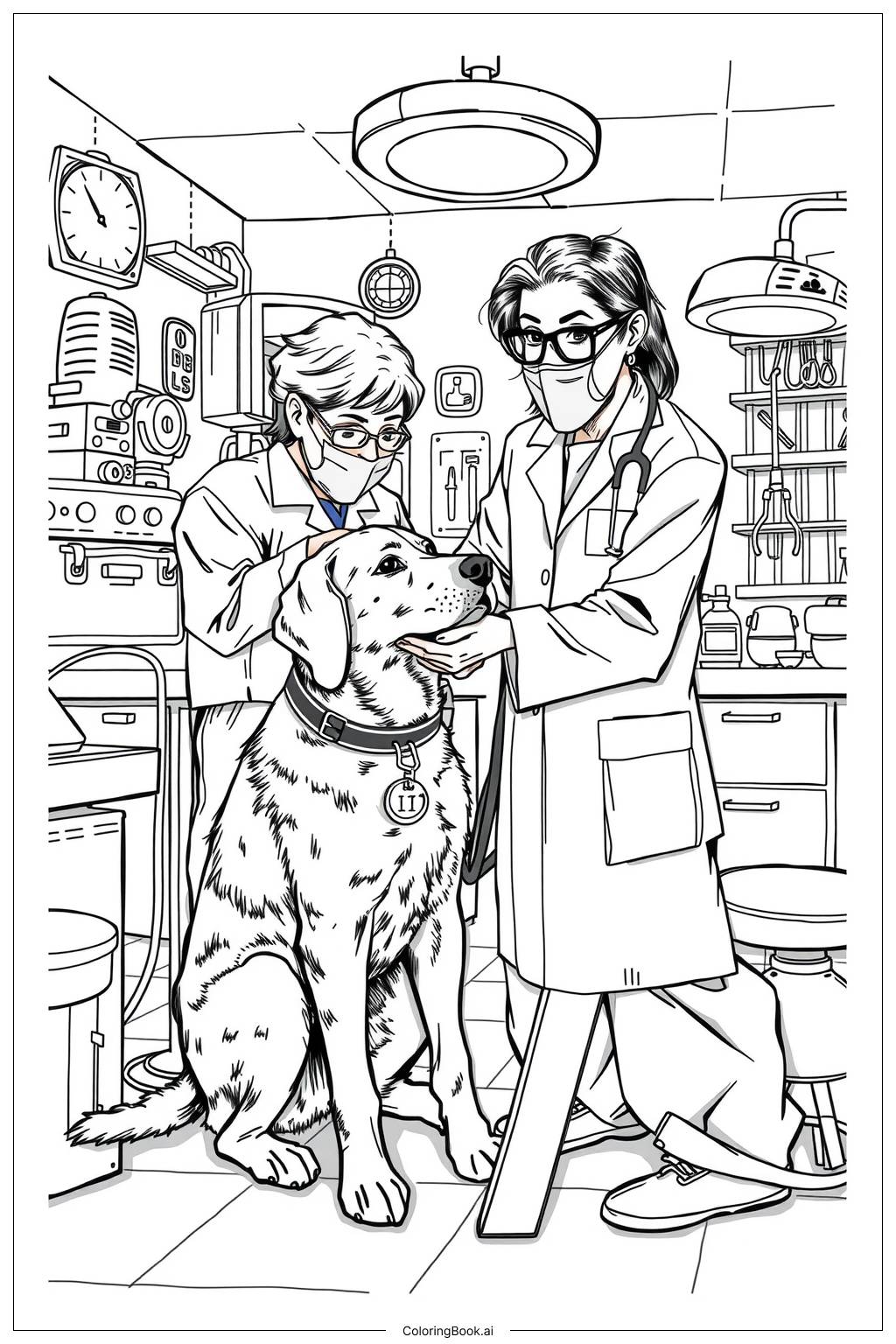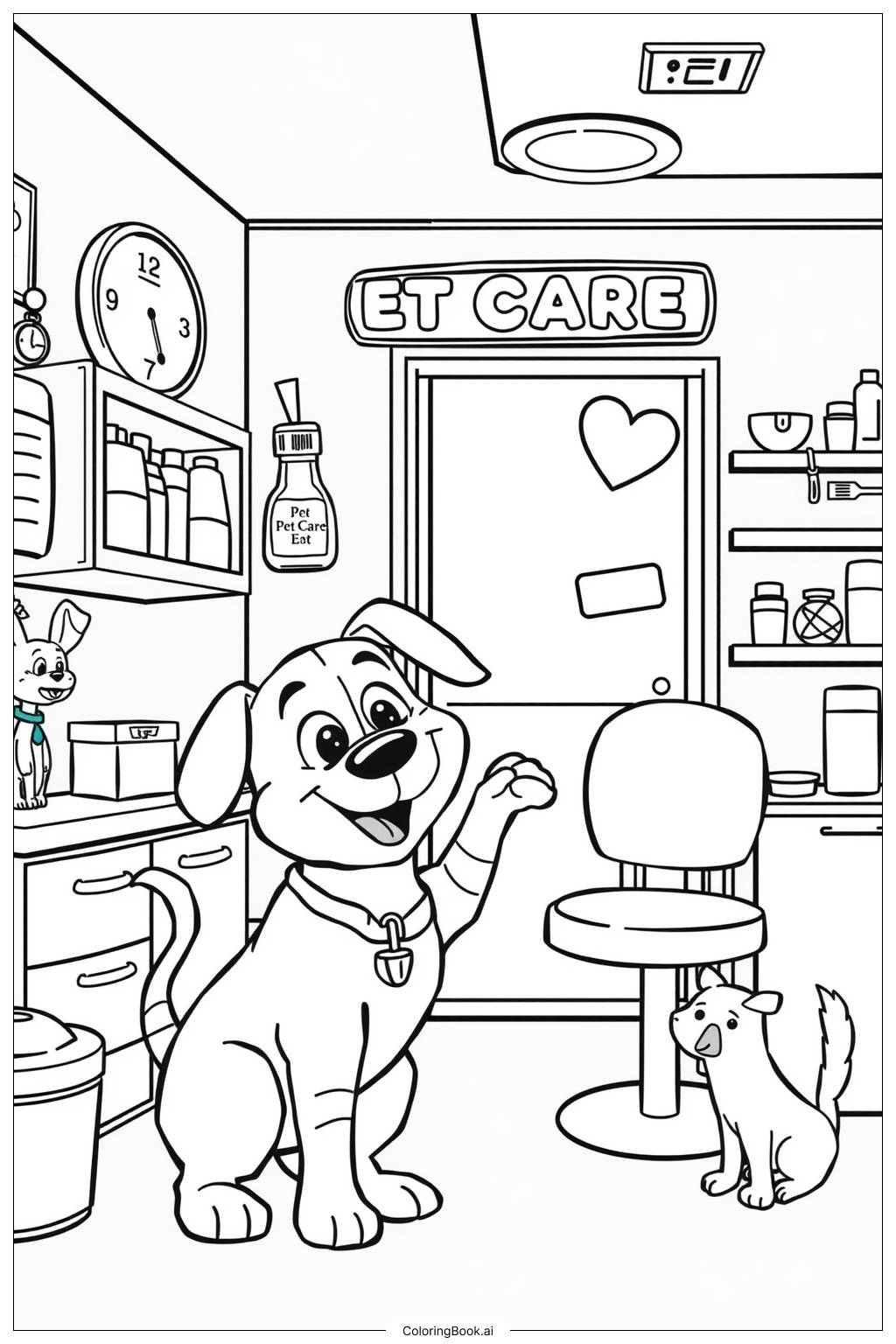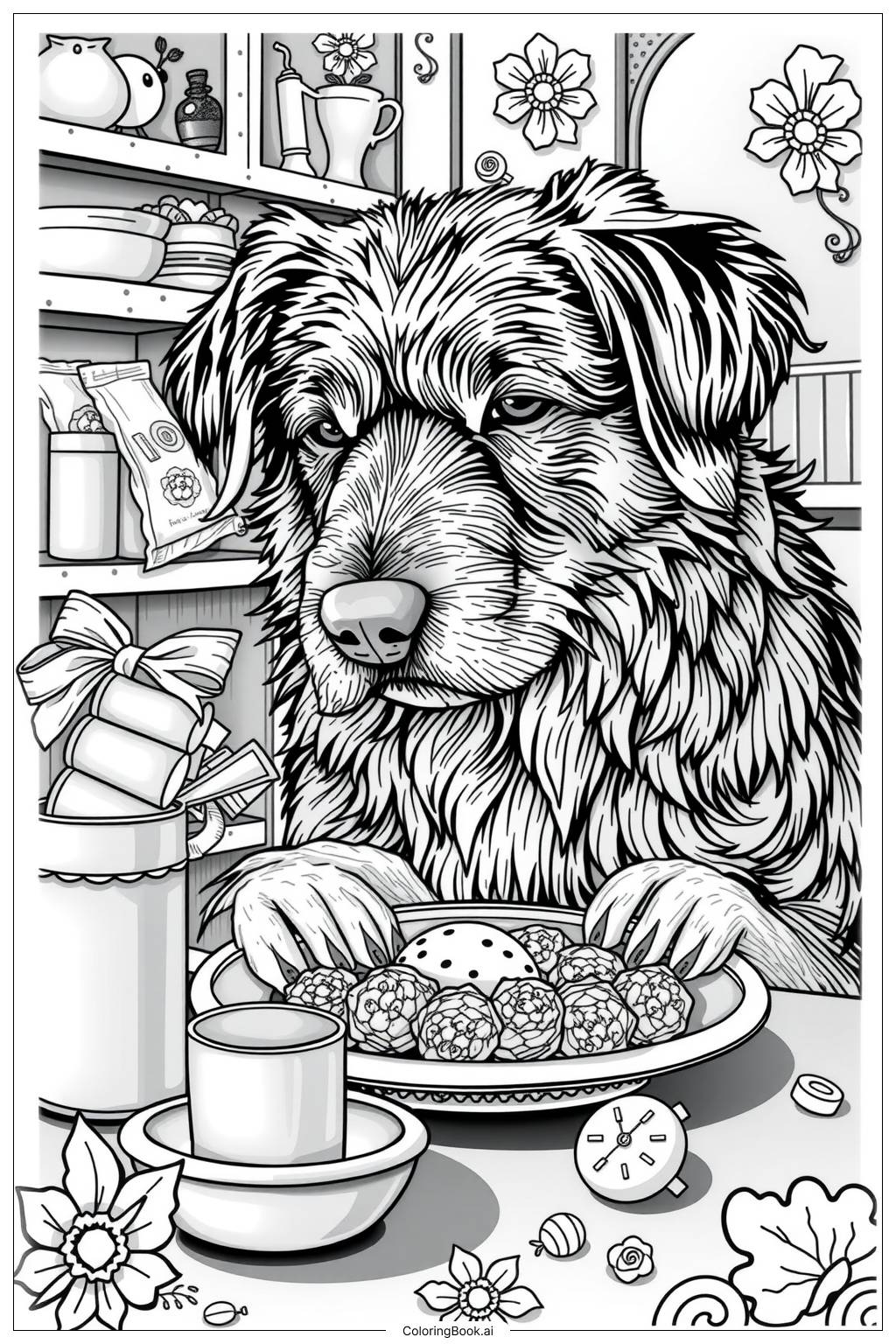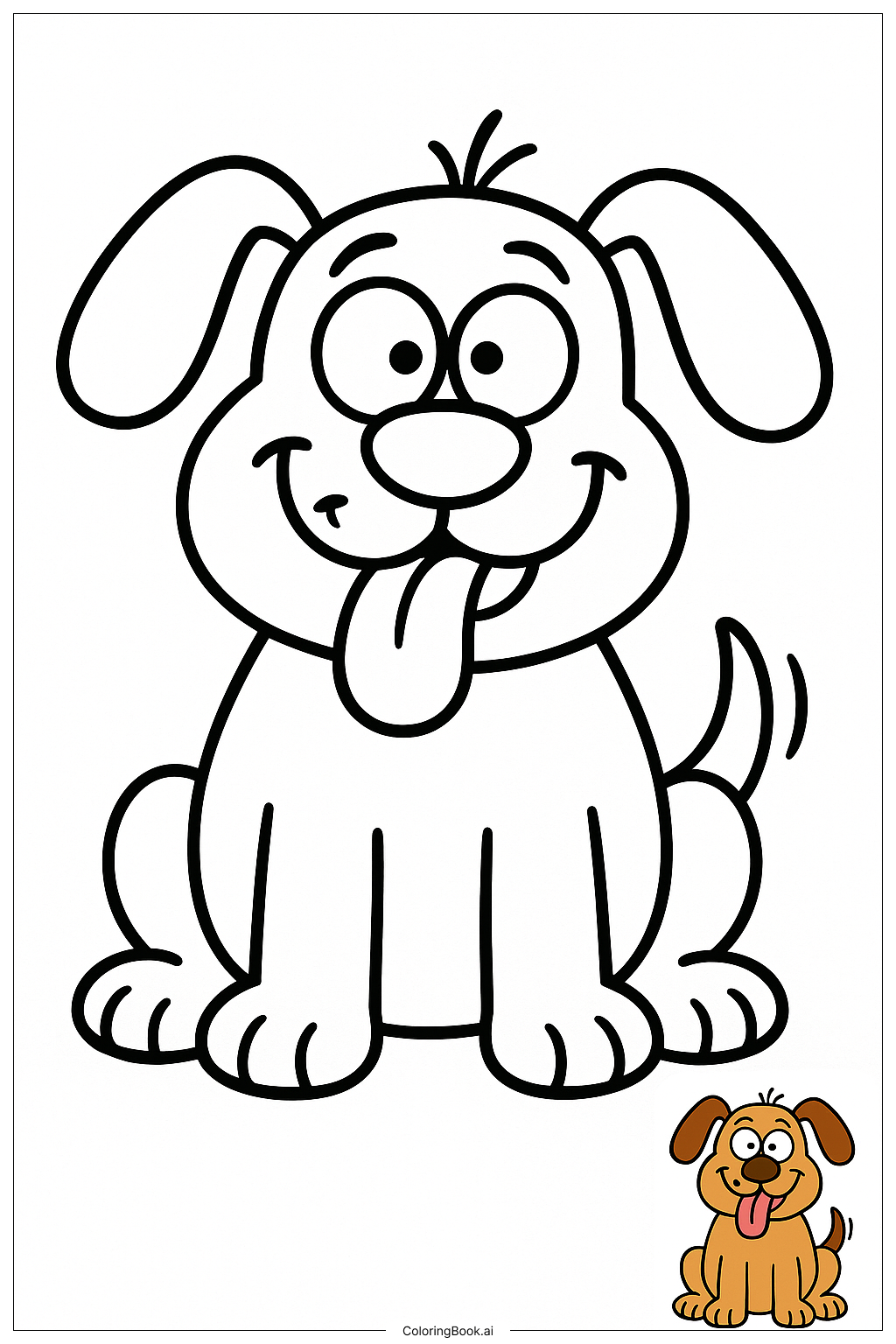
Coloring tips: How to color Funny Dog Making Silly Face coloring page well?
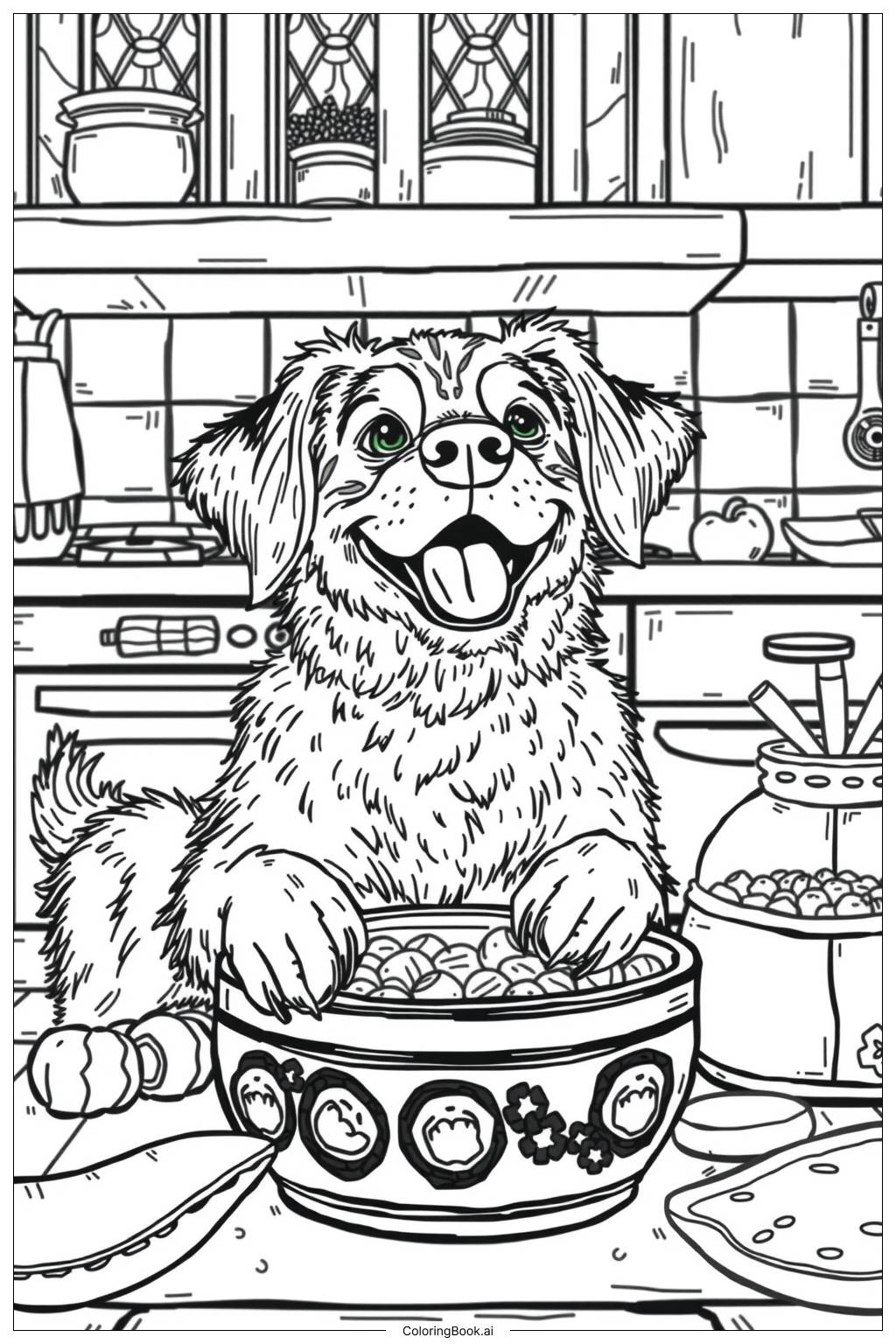
Start with the dog's fur using warm, golden tones like tan, caramel, or light brown to give it a cozy, friendly feel. You can add patches of darker brown or white to make the coat look more interesting. Use bright pink for the tongue and the inside of the mouth. Color the big eyes with shiny black pupils and add a tiny white dot to make them look alive and sparkly. For the teeth, keep them white or a very light cream. Use a slightly darker shade around the edges of the fur tufts to add depth and fluffiness. Feel free to get creative — purple, blue, or rainbow fur is totally welcome! Adding rosy circles on the cheeks gives the dog an even sillier, more lovable look. Have fun and be bold with your color choices!
Coloring challenges: Which parts are difficult to color and need attention for Funny Dog Making Silly Face coloring page?
• Fur Texture and Layering: The dog's fur has wild, wiggly tufts pointing in many directions. Coloring each tuft individually while keeping the overall shape looking natural can be tricky. Try using short, light strokes that follow the direction each tuft points, then add a slightly darker shade along the edges to create a fluffy, three-dimensional effect.
• Facial Expression Details: The silly face includes many small details packed close together — raised eyebrows, wide eyes, puffed cheeks, and a hanging tongue. Staying inside the lines in these tight areas requires a fine-tipped tool and a steady hand. Take your time with each feature and work from the center of the face outward.
• Eyes and Shine Effects: The large cartoonish eyes have curved outlines and small highlight spots inside them. Leaving those tiny white highlight areas uncolored while filling in the dark pupils around them is a real challenge. Planning ahead before applying color will help you avoid accidentally covering those important sparkle spots.
• Mouth and Teeth Area: The open mouth contains teeth, a pink tongue, and dark inner areas all sitting very close together. Switching between white, pink, red, and dark tones in such a small space without the colors bleeding into each other takes patience. Using a light pencil sketch or coloring the teeth first before filling the surrounding areas can help keep things neat.
• Balancing Humor and Cohesion: Because the expression is so exaggerated and full of energy, it can be easy to over-color some areas and end up with a result that looks unbalanced. Stepping back regularly to check that no single area is too dark or too bold compared to the rest will keep the overall image looking playful and unified.
Benefits of coloring books: Advantages of drawing Funny Dog Making Silly Face coloring page
Coloring this funny dog page is a wonderful activity for kids of all ages. The silly, expressive face immediately brings on smiles and laughter, making the whole coloring experience feel joyful and relaxed. Working through all the fun details helps children develop fine motor skills and hand-eye coordination as they carefully fill in fur tufts, tiny eyes, and a big goofy mouth. Choosing colors for the fur, tongue, and cheeks encourages creative thinking and gives kids the freedom to express their own sense of style — there are no wrong answers here. The image also helps build focus and patience, since some of the smaller details require slow, careful work. For older kids, experimenting with shading and layering colors on the fur can introduce basic artistic techniques in a fun, low-pressure way. Because the subject is so cheerful and humorous, it is a great image to color when feeling bored or stressed — it naturally lifts the mood. Sharing the finished page with friends or family and explaining the color choices also builds confidence and communication skills. Overall, this page turns a simple creative task into a genuinely fun and rewarding experience.