Coloring tips: How to color Dog Food Time coloring page well?
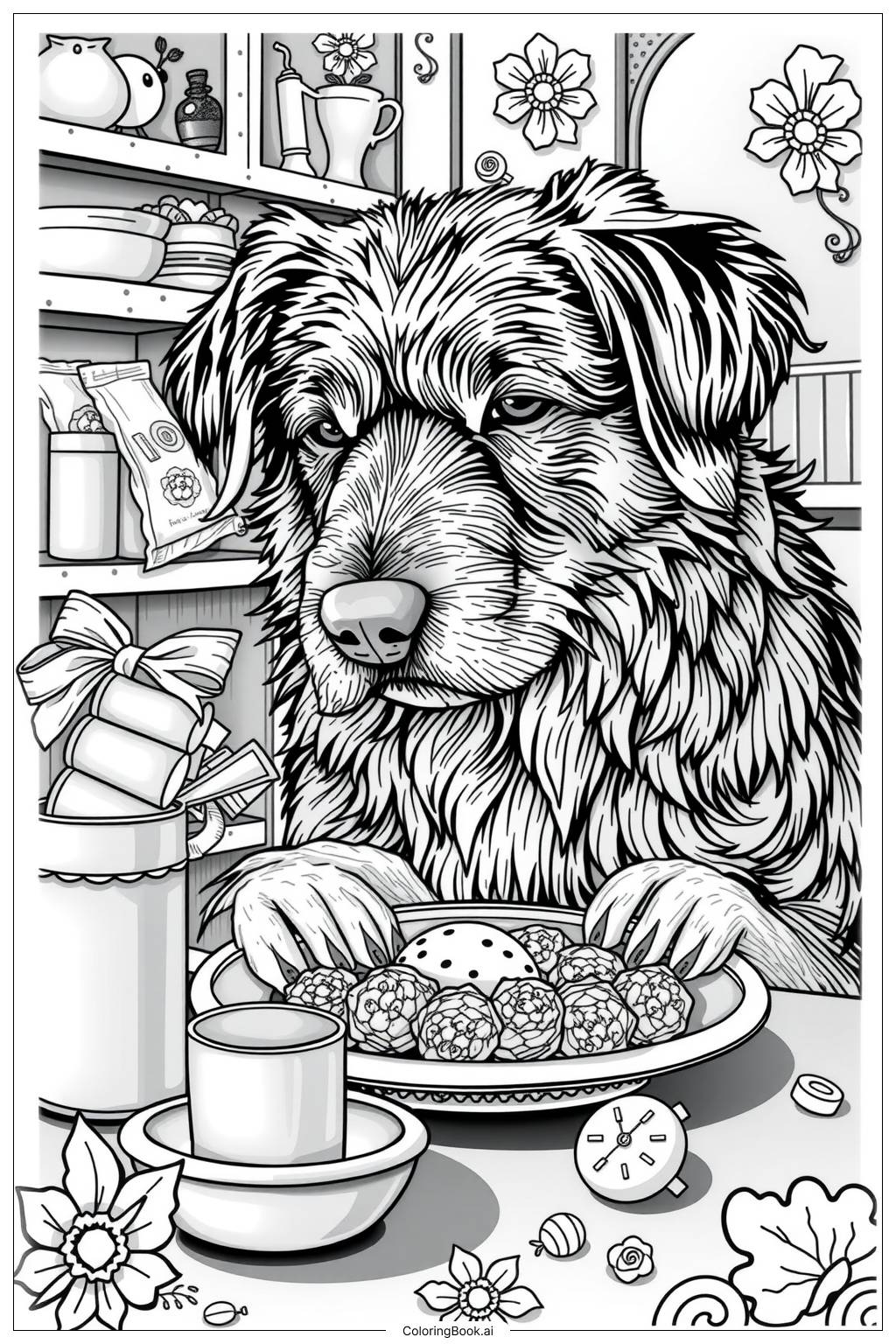
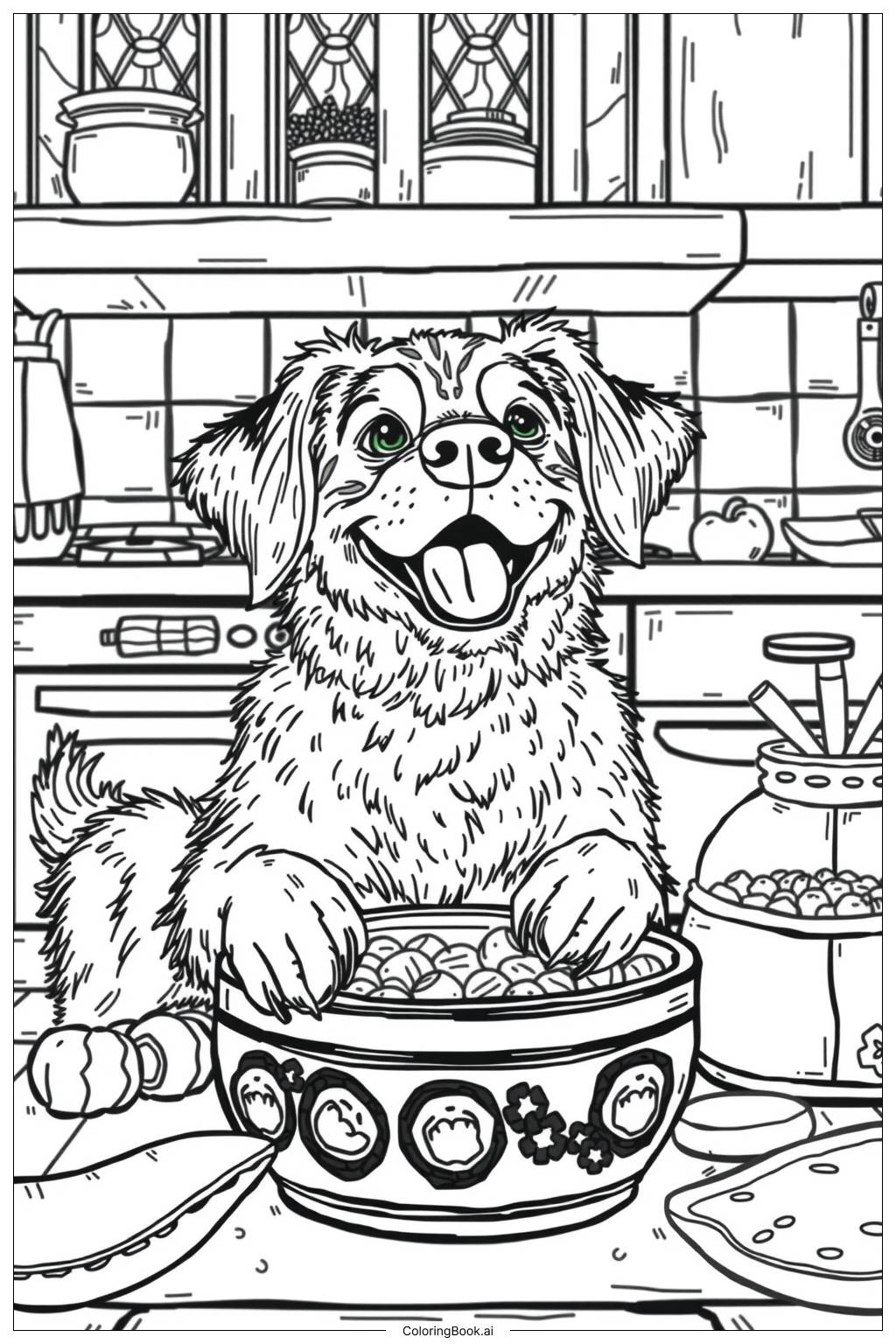
Start with the dog's fur. Use warm shades like golden yellow, tan, or brown. You can add darker tones along the edges to give the fur depth and texture. For the food bowl, try a bright color like red, blue, or green to make it stand out. Use gray or silver for any metal parts of the bowl. The kibble inside the bowl can be colored in earthy tones like orange, brown, or beige. If there is a mat under the bowl, use a soft color like light purple or pastel blue. For the background, light warm tones like cream or pale yellow keep the scene cozy. Add small details like pink for the dog's nose and tongue, and dark brown or black for its eyes. Feel free to use your favorite colors to make the picture your own.
Coloring challenges: Which parts are difficult to color and need attention for Dog Food Time coloring page?
• Dog Fur Texture: The dog's coat may include curved lines or small marks that show fur direction and volume. Staying inside these fine lines while blending light and dark tones is tricky. Young colorists may find it hard to shade the fur gradually without making it look flat or streaky.
• Food Bowl Details: The bowl has a round shape with a curved rim and an inner section filled with food pieces. Coloring the rim, the outer shell, and the food inside as separate areas requires careful attention. Getting the shading right on a curved surface can be challenging for beginners.
• Small Kibble Pieces: The food in the bowl consists of many tiny shapes packed closely together. Each piece needs its own color without overlapping into neighboring pieces. Using a fine-tipped colored pencil or marker helps, but it still takes patience and steady hands.
• Dog Facial Features: The eyes, nose, and mouth are small and close together. Coloring each feature with the right tone without smudging adjacent areas is a common difficulty. The eyes especially need a bright highlight dot to look lively and expressive.
• Background and Ground Elements: If the image includes a mat, floor patterns, or background shapes, coloring these areas consistently while keeping them visually separate from the main figure requires thoughtful color choices. Using contrasting but harmonious tones helps the dog and bowl remain the clear focal point of the scene.
Benefits of coloring books: Advantages of drawing Dog Food Time coloring page
Coloring this fun dog mealtime scene offers many great benefits for kids and beginners alike. First, it helps build fine motor skills. Staying within the lines and carefully coloring small details like the food pieces and the dog's face strengthens hand control and pencil grip. Second, it encourages creativity. Choosing colors for the dog's fur, the bowl, and the background lets kids express themselves freely and develop their own sense of color. Third, it teaches focus and patience. Completing a detailed scene like this one requires concentration, which helps children practice sitting still and finishing a task from start to end. Fourth, it can be calming and relaxing. The repetitive motion of coloring is known to reduce stress and anxiety, making it a great quiet-time activity. Finally, finishing the picture gives children a sense of pride and accomplishment. Displaying their artwork builds confidence and encourages them to keep creating. This image is a perfect combination of fun subject matter and meaningful learning.