Coloring tips: How to color Crab With Starfish Friends coloring page well?
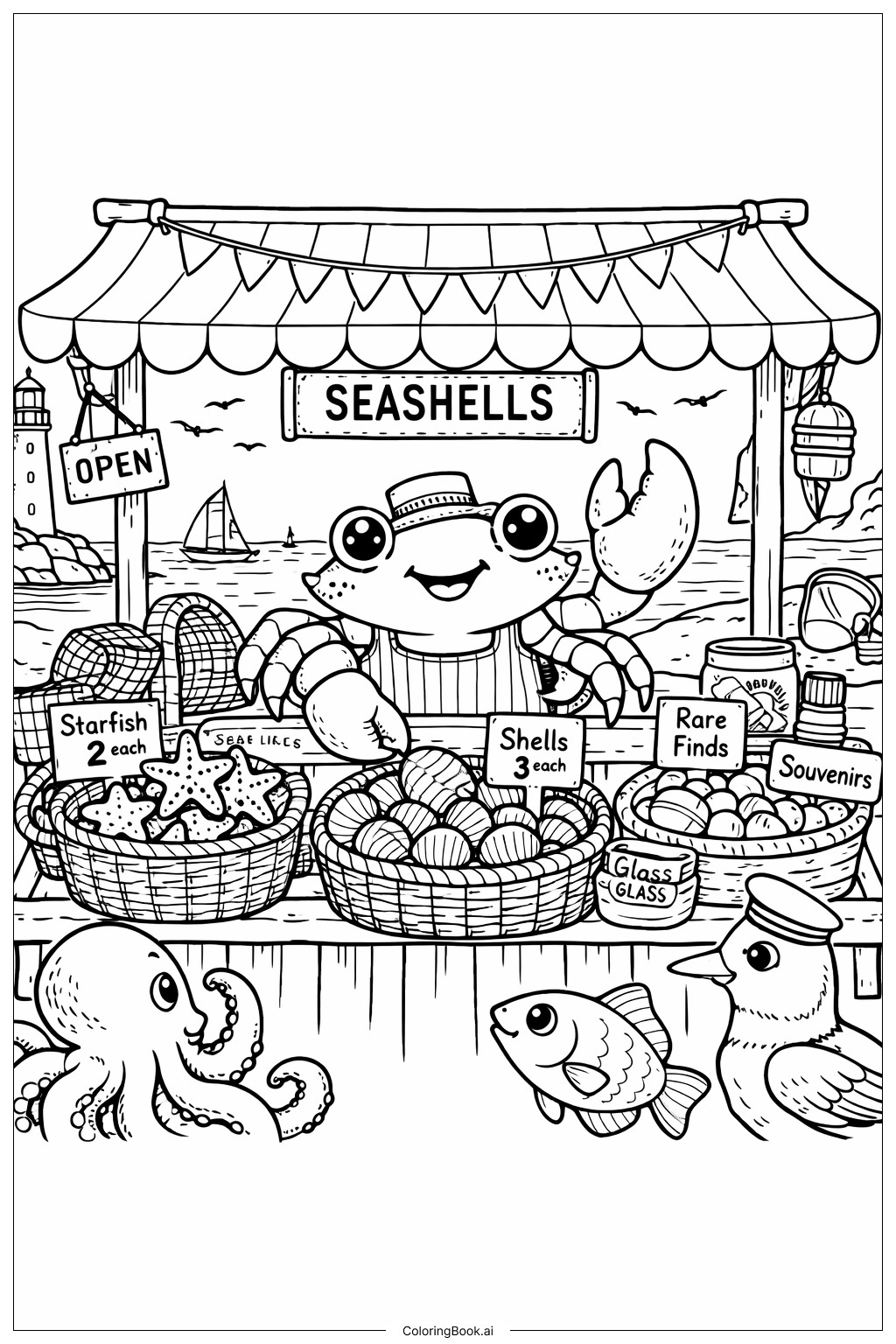
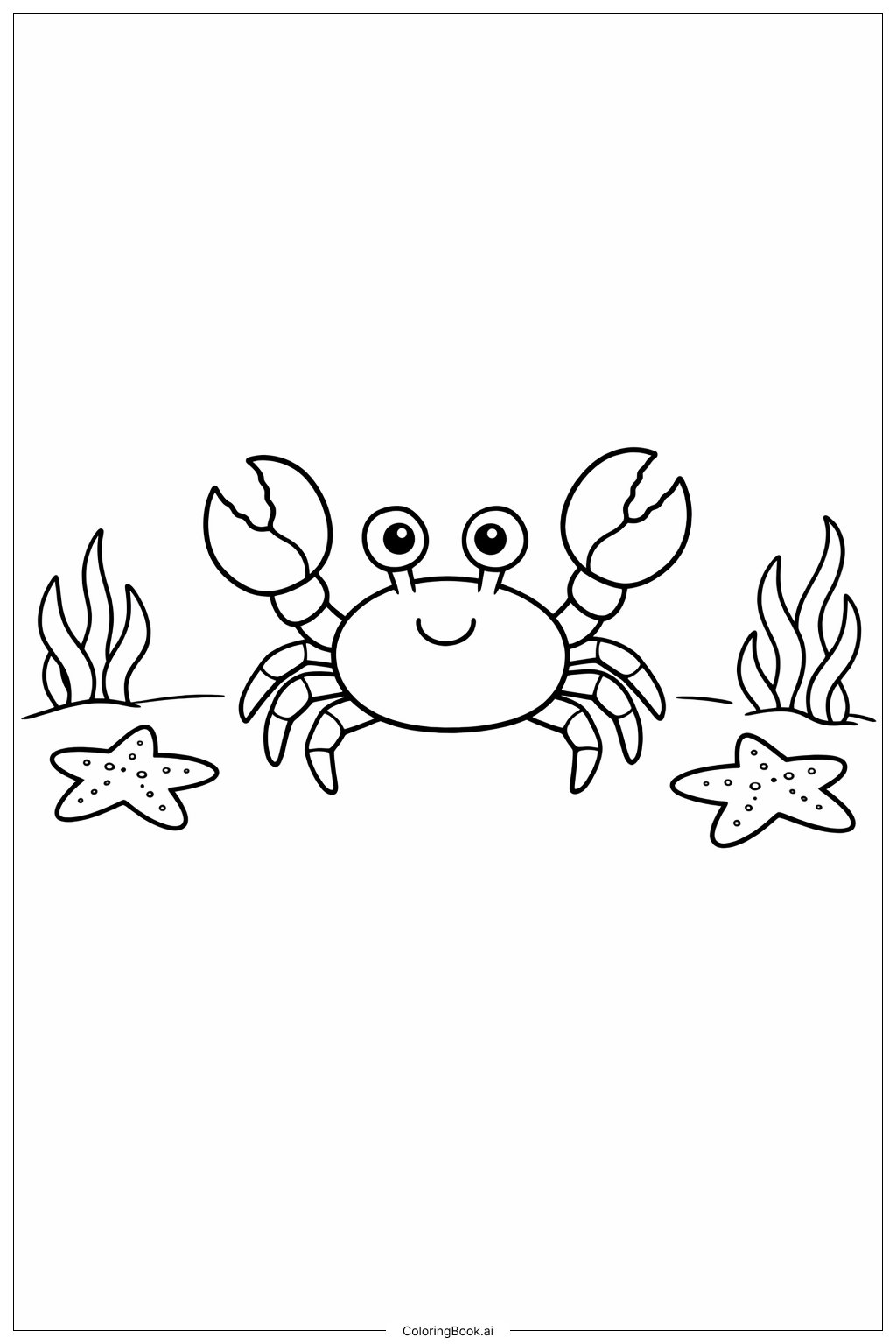
To bring this Coloring Page to life, use shades of red, orange, or brown for the Crab’s shell and claws. You can try bright colors like red or coral to make the Crab stand out. For the Starfish, pick colors like yellow, orange, or pink to create cheerful contrast. Adding light highlights with soft peach or cream colors can make them look round and bumpy. Use blue or green tones for the background to represent the sea, giving the picture a fresh underwater feel. Don’t hesitate to mix and match colors on the starfish to show their unique patterns. Remember, you can use crayons, colored pencils, or markers to make the sea friends bright and lively!
Coloring challenges: Which parts are difficult to color and need attention for Crab With Starfish Friends coloring page?
• Crab Details: The Crab’s claws and legs have many small parts that require careful coloring to avoid going outside the lines. Keeping smooth lines while filling can be tricky for young artists.
• Starfish Texture: The starfish have dotted and lined textures that need patience to color in different shades without making the page look messy.
• Small Spaces: Some areas between the crab’s legs and starfish arms are narrow and need fine motor control to color neatly.
• Color Balance: Choosing colors that make the Crab and starfish stand out without clashing can be a challenge, especially to keep the underwater theme natural yet fun.
• Layering Colors: Adding gradual shading or highlights on round shapes like the Crab’s shell and starfish arms takes practice to blend colors smoothly.
Benefits of coloring books: Advantages of drawing Crab With Starfish Friends coloring page
Coloring this image helps children practice focus and fine motor skills by working on small, detailed areas like the crab’s claws and starfish arms. It encourages creativity through selecting colors for sea creatures and the environment, promoting imaginative thinking. The friendly scene boosts positive feelings and interest in nature, especially marine life. By learning to balance bright and soft colors, children develop an eye for aesthetic harmony. Moreover, coloring is a calming activity that improves patience and concentration, making it a perfect way to relax while having fun with art.