Coloring tips: How to color Crab Smile coloring page well?
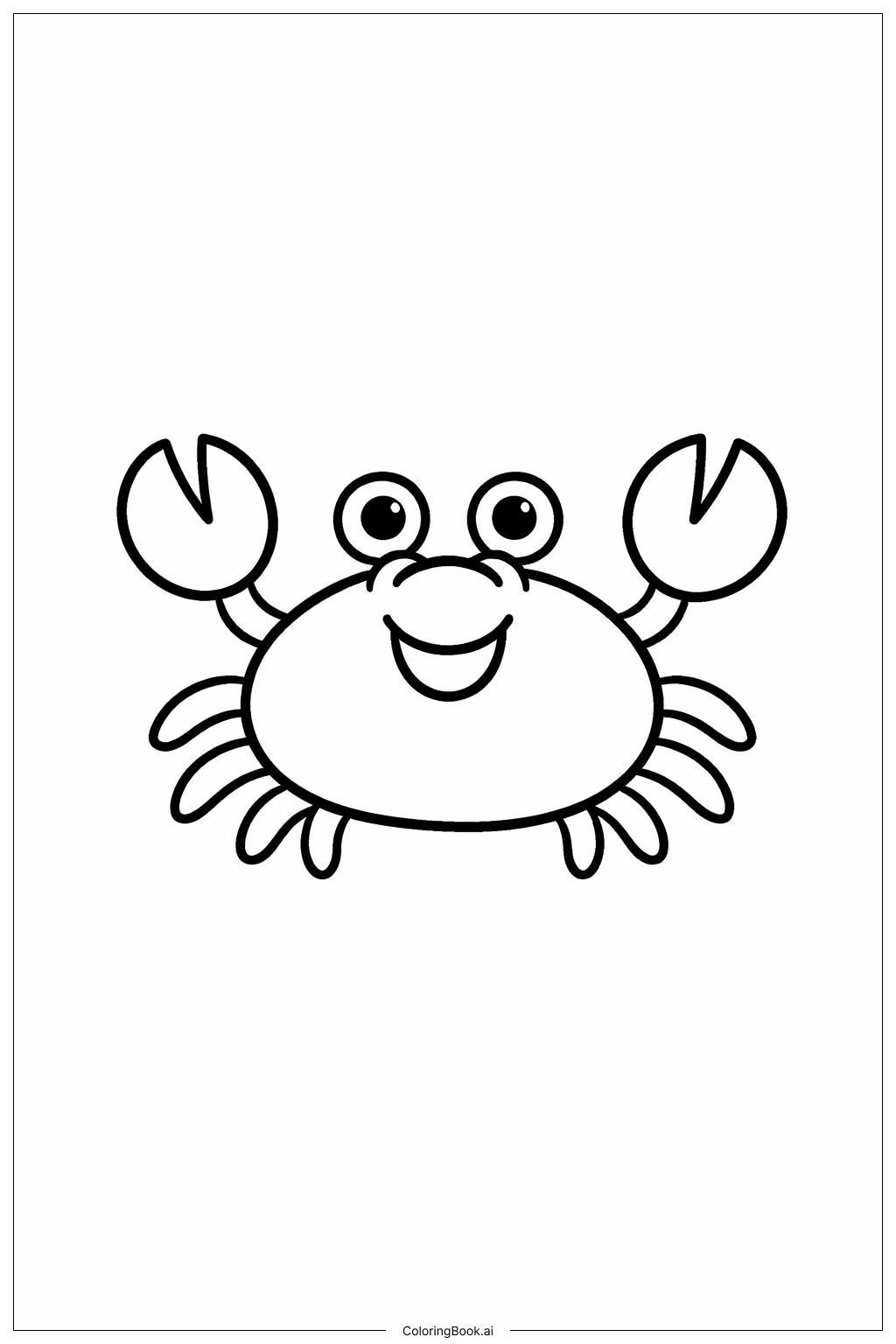
Try using warm colors like bright reds, oranges, and yellows to make the crab look lively and happy. You can color the claws a slightly different shade to make them stand out. For the eyes, use white with a small black dot to add a shining effect. The legs can be shaded with a mix of brown and red to add some texture. You might also add a blue or green background to represent the ocean or sandy beach. Don’t be afraid to get creative with patterns on the crab’s shell to make your artwork unique and fun.
Coloring challenges: Which parts are difficult to color and need attention for Crab Smile coloring page?
• Small Details: The image has tiny dots and fine lines on the crab’s shell and claws which require careful coloring to avoid going outside the lines.
• Claw Shape: The claws have curved edges and overlapping parts that can be tricky to shade evenly while keeping them looking natural.
• Eye Highlights: Coloring the eyes to appear shiny involves leaving small white spots, which can be challenging for younger children.
• Leg Positioning: The legs are arranged in various directions and angles, requiring attention to keep each leg distinct and correctly colored.
• Maintaining Symmetry: Ensuring both sides of the crab’s body match in color and shading can challenge concentration and coordination.
Benefits of coloring books: Advantages of drawing Crab Smile coloring page
Coloring this Crab Smile image helps improve hand-eye coordination as children carefully color within small spaces and around detailed lines. It encourages creativity by allowing choice of colors and the design of patterns on the shell and claws. This activity also builds patience and focus, as the image invites attention to fine details. Additionally, learning about sea creatures like crabs can spark curiosity about nature and the ocean. Coloring a friendly and happy character like this crab can make the process enjoyable, boosting confidence and a sense of accomplishment.