Coloring tips: How to color Crab Sitting coloring page well?
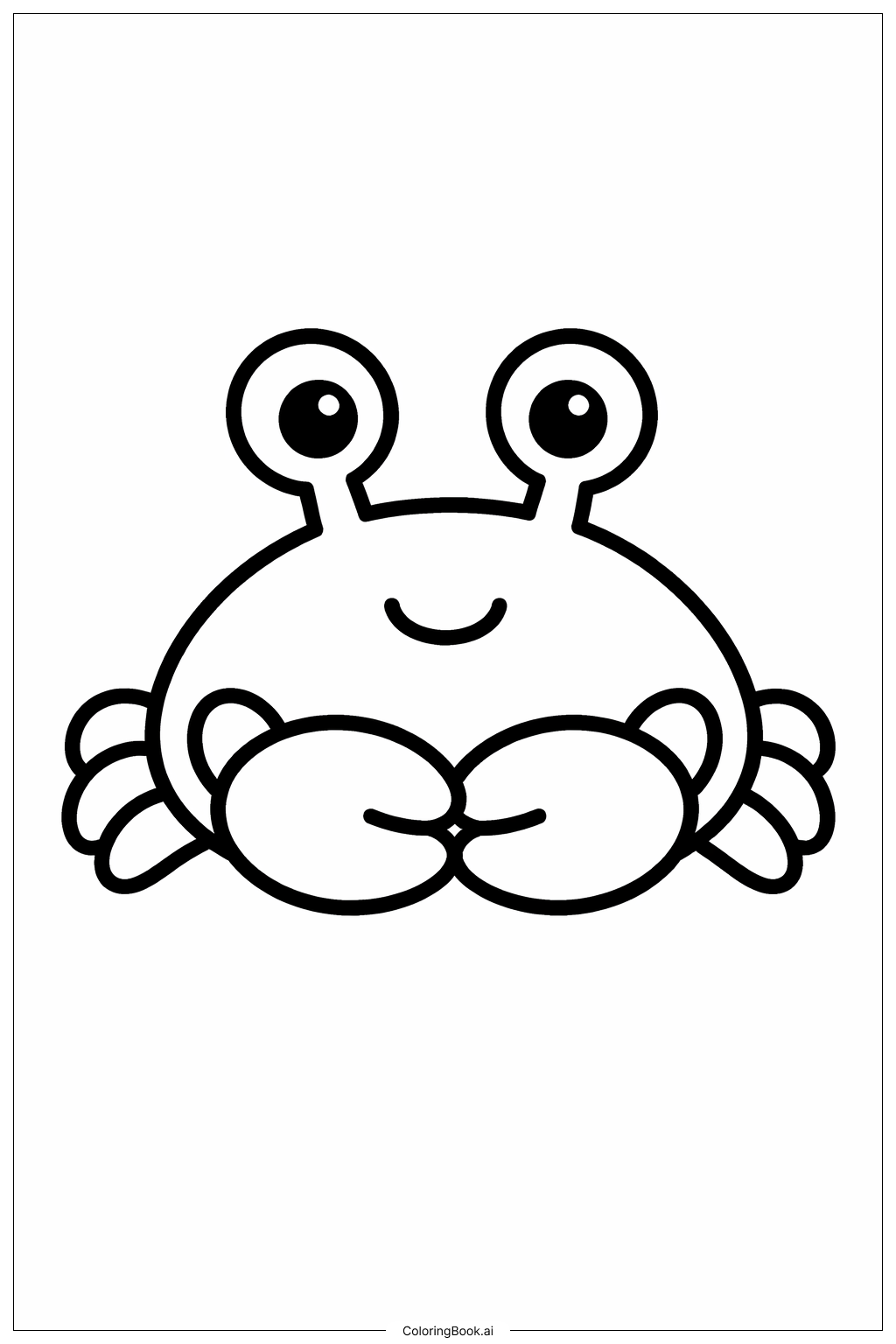
Try using bright and natural colors for the crab. You can color its shell in shades of red, orange, or brown to make it look lively. The claws can be a little darker to add contrast. For the legs, feel free to choose lighter or softer tones. The small underwater plants can be colored in greens or blues to create a nice background. You can add some shading or blending to the shell and claws to make the crab look round and three-dimensional. Don’t forget to color the eyes black or dark brown with some white spots to show reflection and life. This coloring page allows you to be creative with sea-themed colors while staying true to nature.
Coloring challenges: Which parts are difficult to color and need attention for Crab Sitting coloring page?
• Fine Leg Details: The crab’s legs are slender and have several joints, making them tricky to color neatly within the lines, especially for younger children. Careful coloring is needed to avoid going outside the small spaces.
• Claw Shape: The claws are large and curved, requiring careful shading or coloring to show their 3D shape without making them look flat. Balancing shadows and highlights can be challenging.
• Eye Stalks: The eyes stick out on thin stalks that are narrow and delicate, so maintaining clean lines here can be difficult when coloring.
• Background Elements: Small underwater plants and rocks have irregular shapes. Coloring them uniformly takes patience and attention to detail.
• Shell Texture: While the shell has a smooth surface, suggesting some texture with subtle color transitions or patterns means more advanced coloring techniques beyond simple single-color fill.
Benefits of coloring books: Advantages of drawing Crab Sitting coloring page
Coloring this image of the Crab Sitting helps develop focus and hand-eye coordination as kids carefully fill in small and detailed parts like legs and eyes. It encourages creativity with color choices, blending natural crab colors with imaginative ones. Coloring curved claws and rounded shell shapes supports fine motor skills and understanding of 3D forms. The natural theme introduces children to marine life and can spark curiosity about sea creatures. Overall, this image provides a fun way to practice patience and attention to detail, while also offering a relaxing and rewarding coloring experience for children aged 4 to 16.