Coloring tips: How to color Crab In Tide Pool coloring page well?
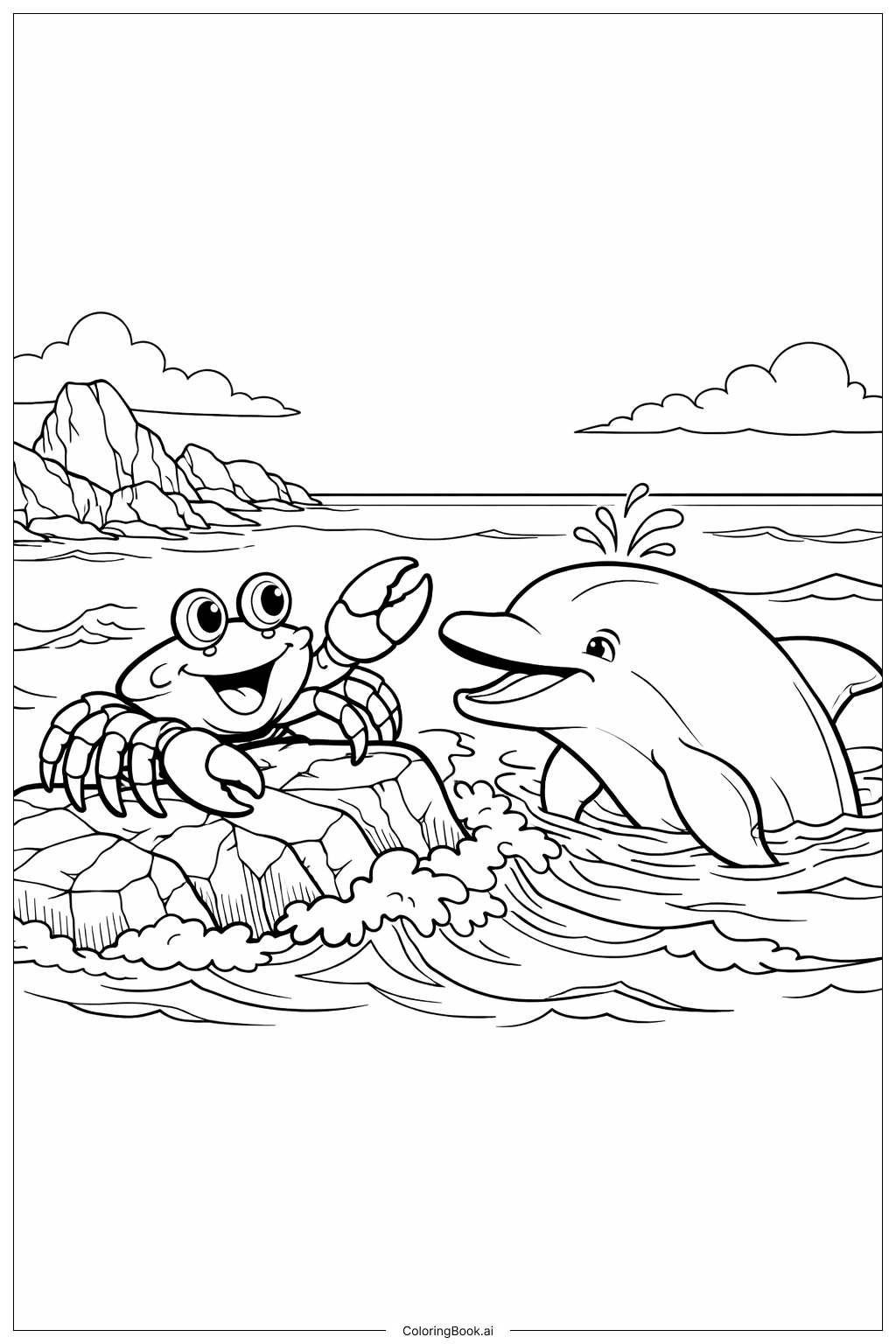
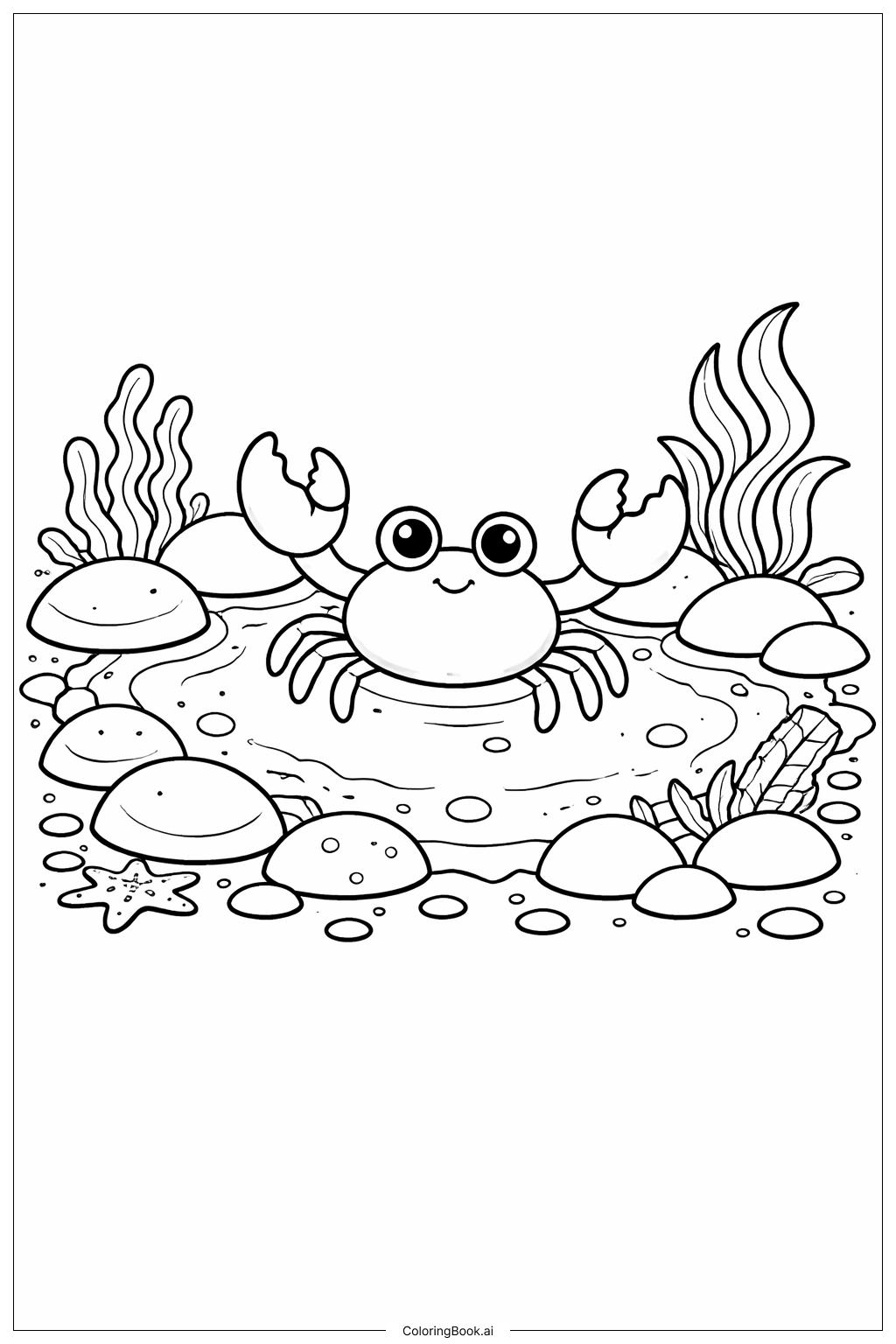
Use bright and natural colors to bring this image to life. Color the crab with shades of red, orange, or even brown to make it stand out. For the tide pool water, use light blues and greens to show the clear sea water. The rocks can be colored in grays and browns with some hints of mossy green. Add different colors to the surrounding shells and seaweed, such as sandy beige, pink, and green, to create variety and interest. Remember to use darker shades under the crab and rocks to show shadows and depth.
Coloring challenges: Which parts are difficult to color and need attention for Crab In Tide Pool coloring page?
• Crab Body Details: The crab’s shell and claws have many small shapes and lines. Coloring inside these tight spaces requires careful attention to stay inside the lines. • Water Reflections: Showing the clear water with reflections and ripples can be tricky. Using soft and layered shades of blue and green helps to create a realistic look but requires blending skills. • Rock Textures: The rocks have uneven surfaces and shadows. Coloring these to look natural involves mixing gray and brown tones and using highlights and shadows to add dimension. • Small Surrounding Elements: There are tiny shells and seaweed around the crab. Coloring these small details precisely without smudging can be challenging, especially for younger children. • Depth Perception: Showing depth between the crab, the tide pool water, and the rocks needs careful use of color intensity and shadowing to prevent the image from looking flat.
Benefits of coloring books: Advantages of drawing Crab In Tide Pool coloring page
Coloring this image helps improve fine motor skills by requiring precise coloring in small, detailed areas. It also encourages creativity through choosing colors for the crab, water, and natural surroundings. Children learn about marine life habitats as they engage with the tide pool scene. This activity supports concentration and patience while working through the complex textures and reflections. Additionally, coloring natural scenes like this promotes an appreciation for nature and the ocean environment.