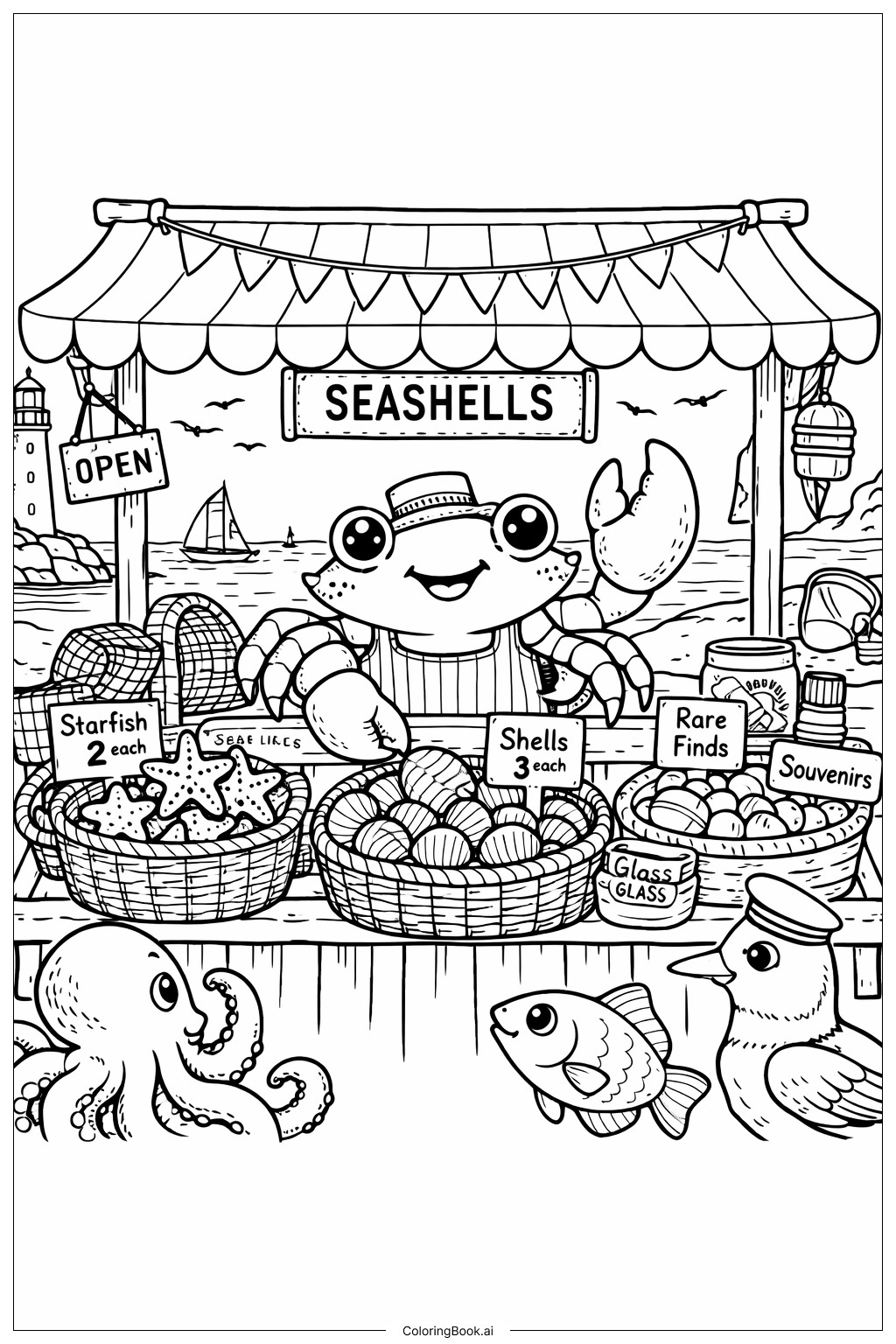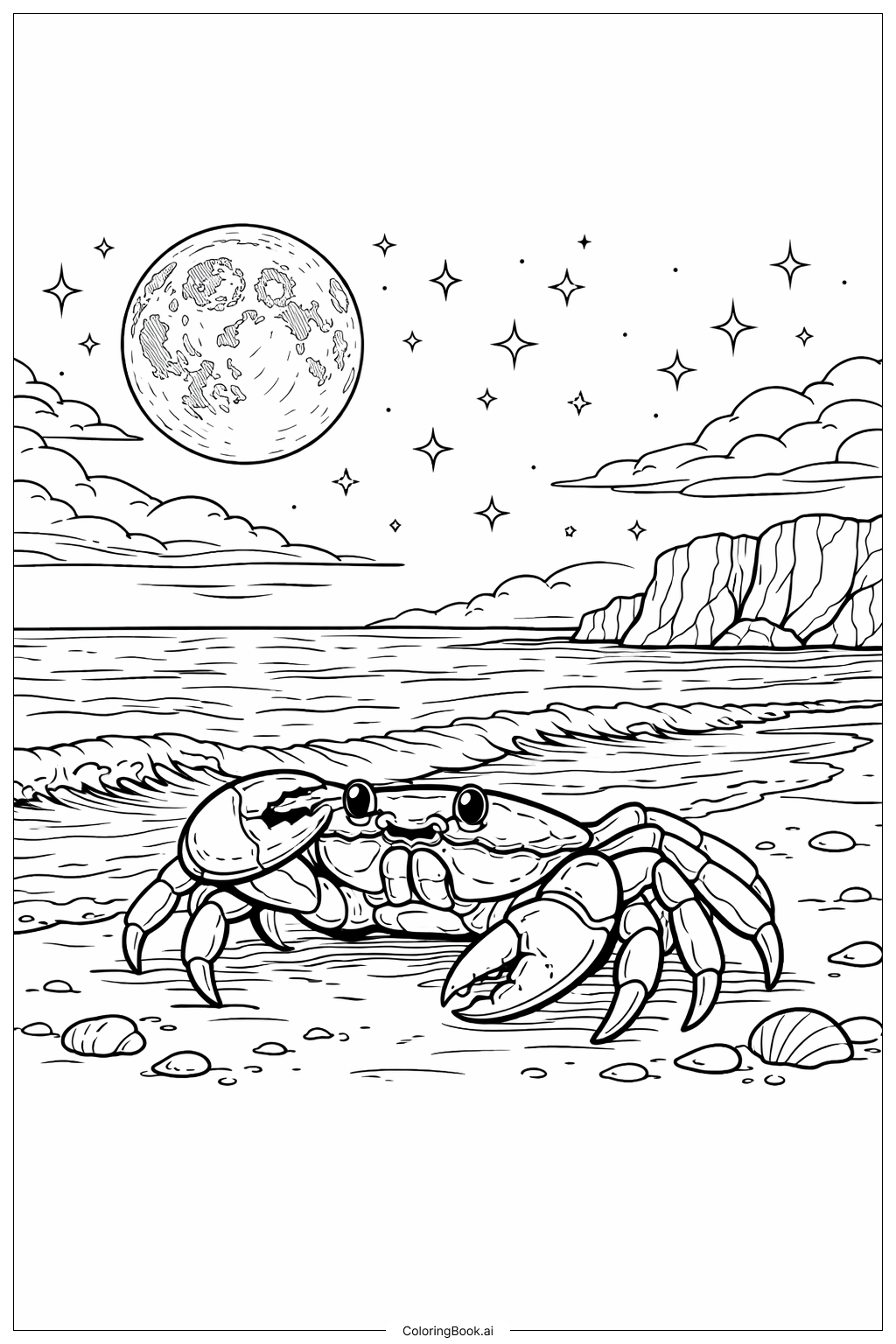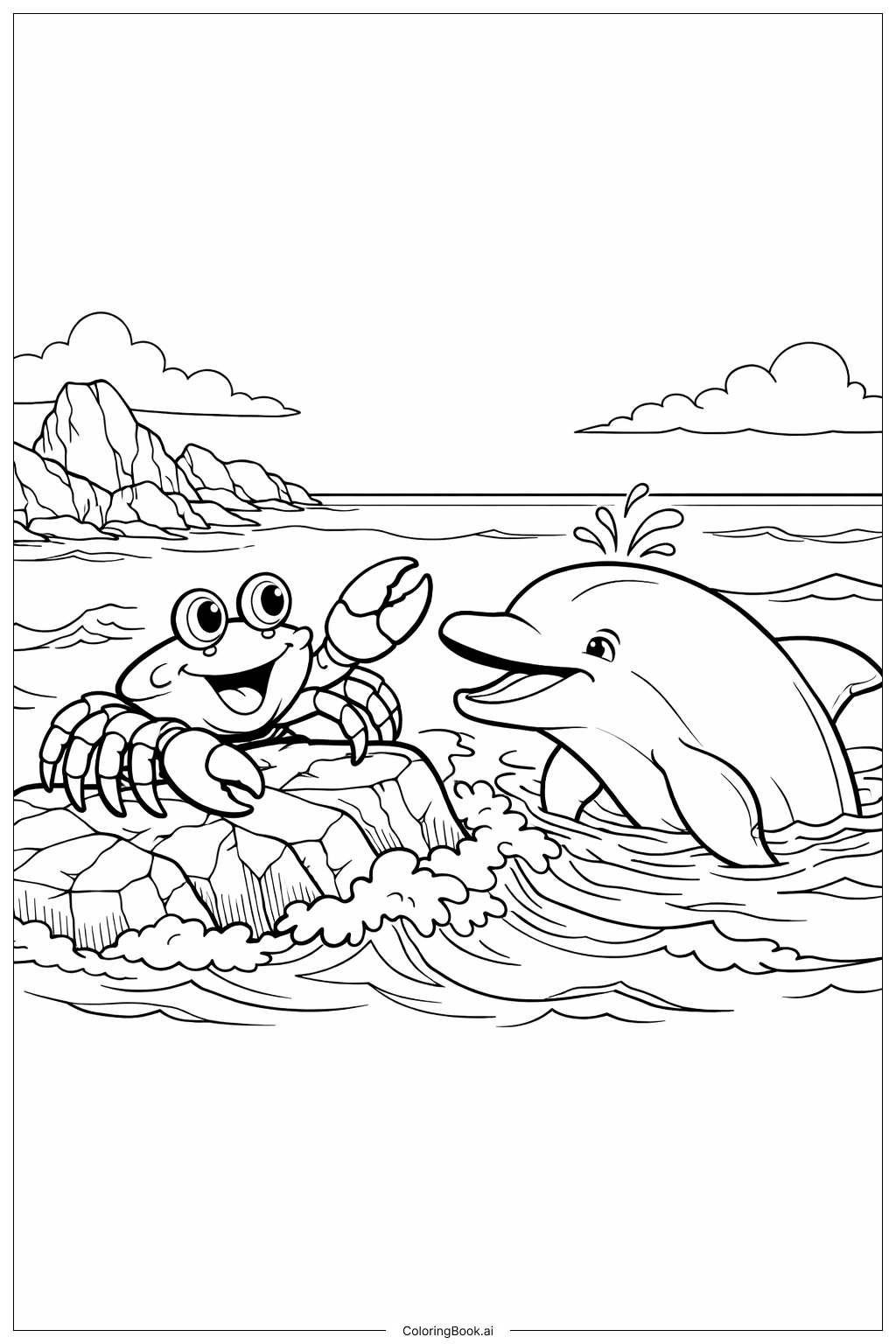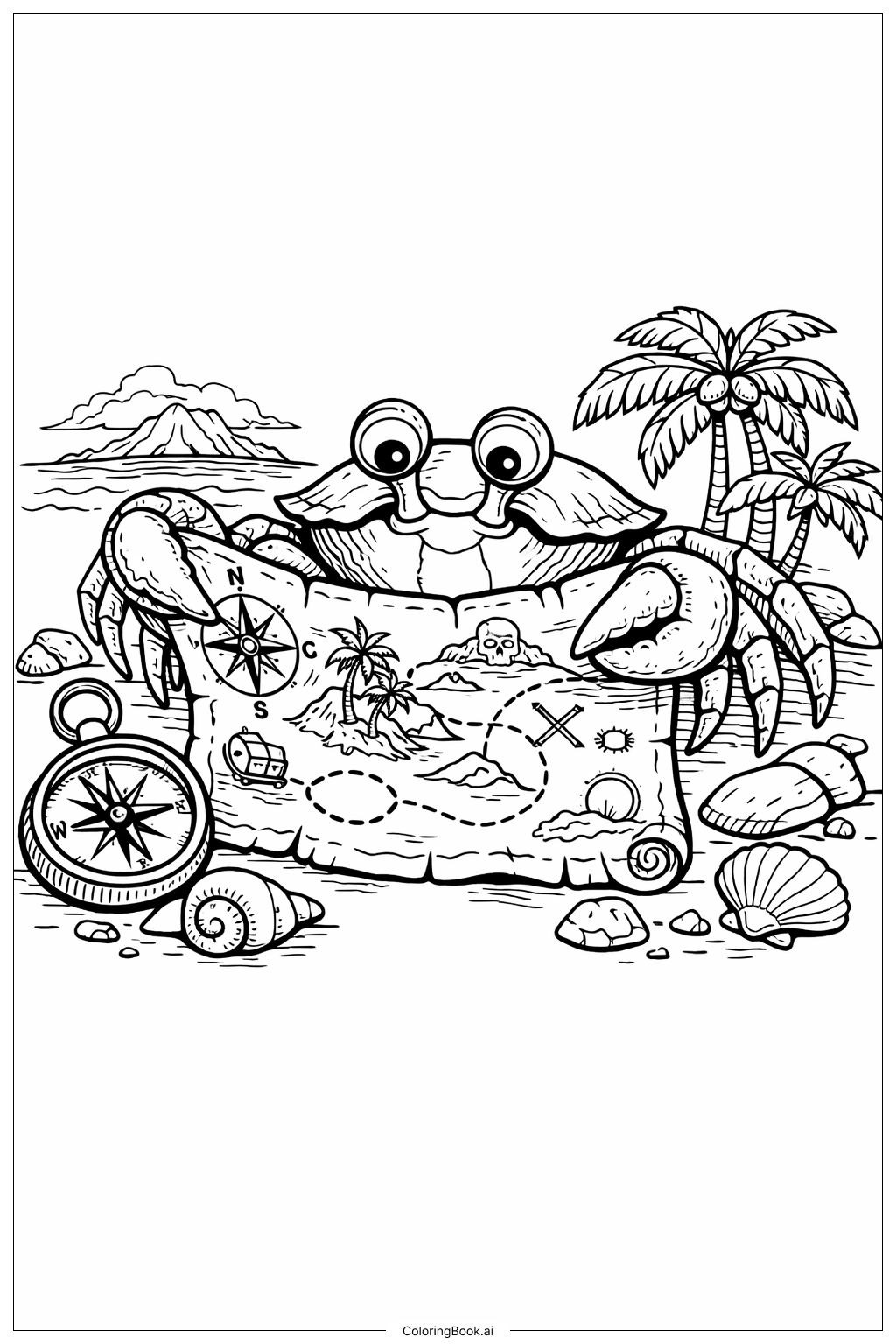
Coloring tips: How to color Coral Reef Crab coloring page well?
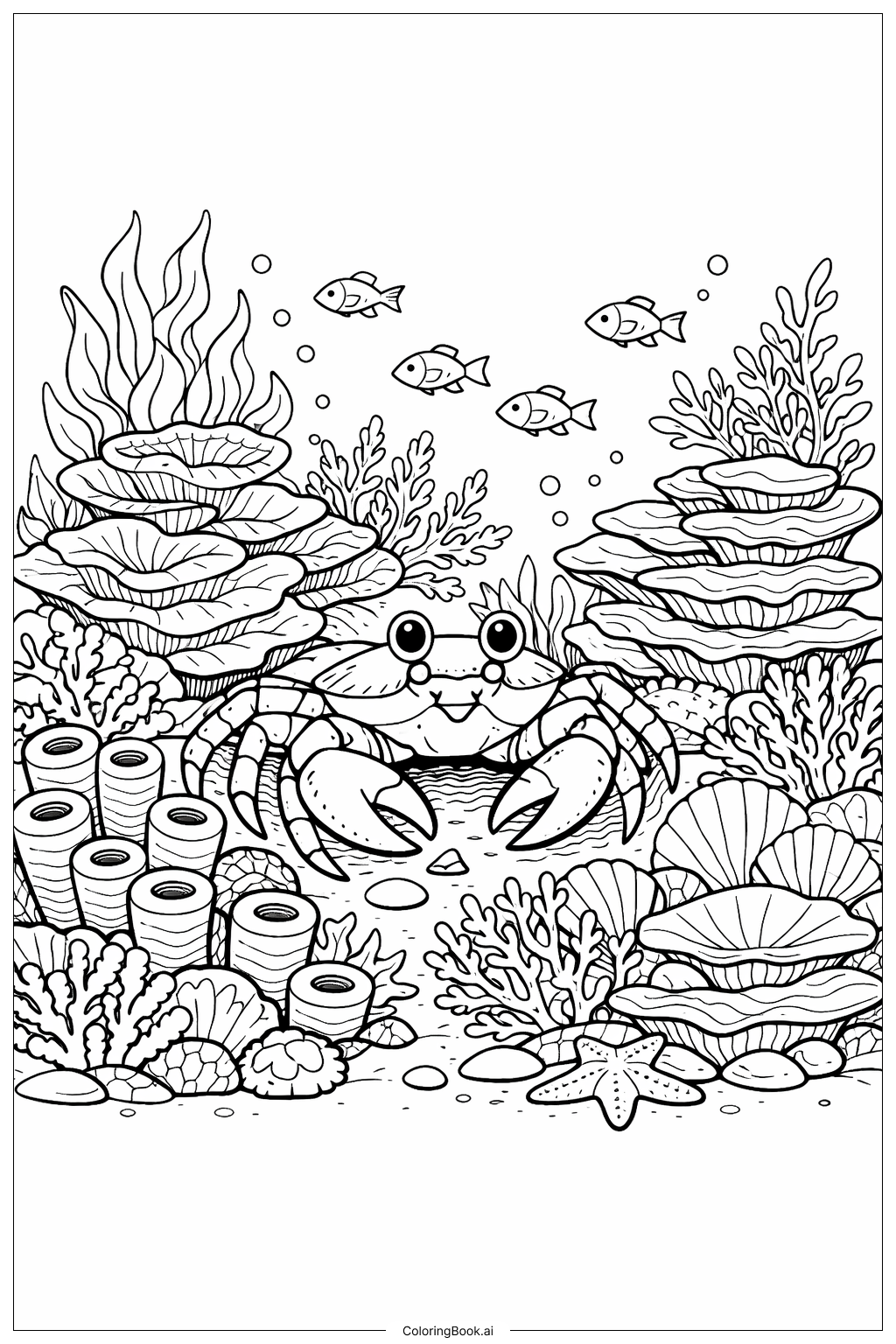
When coloring the Coral Reef Crab, try using bright and vibrant colors to capture its lively ocean habitat. The shell can be a mix of reds, oranges, and yellows to show the warmth of coral reefs. Use shades of blue and green for the surrounding water and coral formations to create contrast. You might add some pale pink or lavender for the coral tips to make them stand out. For the crab's legs and claws, consider using browns or darker reds to give a natural look. Don’t forget to shade parts of the crab to show its bumpiness or shine, which will make your artwork pop!
Coloring challenges: Which parts are difficult to color and need attention for Coral Reef Crab coloring page?
• Fine Details: The image includes many small details on the crab’s shell and claws, which can be challenging to color neatly. Staying within the tiny sections demands good control over coloring tools. • Texture Differences: The crab’s rough shell contrasts with the smoother coral shapes, so it requires changing coloring techniques to show these textures effectively. • Layering Colors: To create a realistic look, multiple layers or shades would be needed, especially on the shell’s patterns, requiring careful blending. • Background Elements: The surrounding coral formations have various shapes and sizes, and coloring them without mixing colors or overfilling can be tricky. • Leg Joints: The crab’s legs have many joints and small curves that need precise coloring to highlight their shape and movement, which might be difficult for younger children.
Benefits of coloring books: Advantages of drawing Coral Reef Crab coloring page
Coloring this Coral Reef Crab image helps improve hand-eye coordination and fine motor skills as children carefully fill in its detailed areas. It encourages patience and focus due to the intricate parts like the crab’s legs and shell patterns. This activity also promotes creativity by allowing kids to experiment with bright colors and blending to represent underwater life. Additionally, children can learn about marine creatures and their environments, sparking curiosity about nature and science. Finally, coloring a lively scene like this promotes relaxation and provides a fun way to express artistic ideas.