Coloring tips: How to color Tiny Clover Cluster coloring page well?
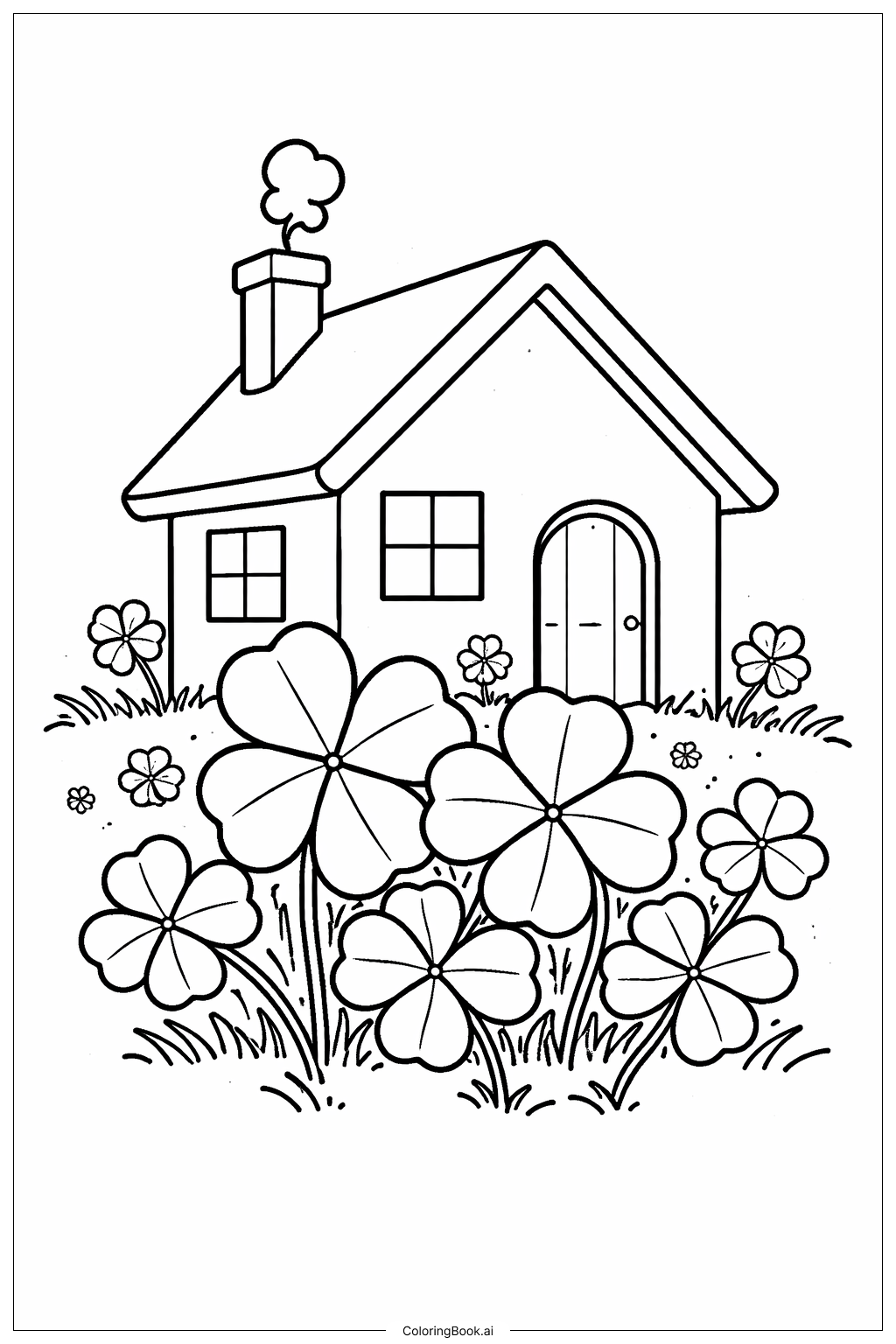
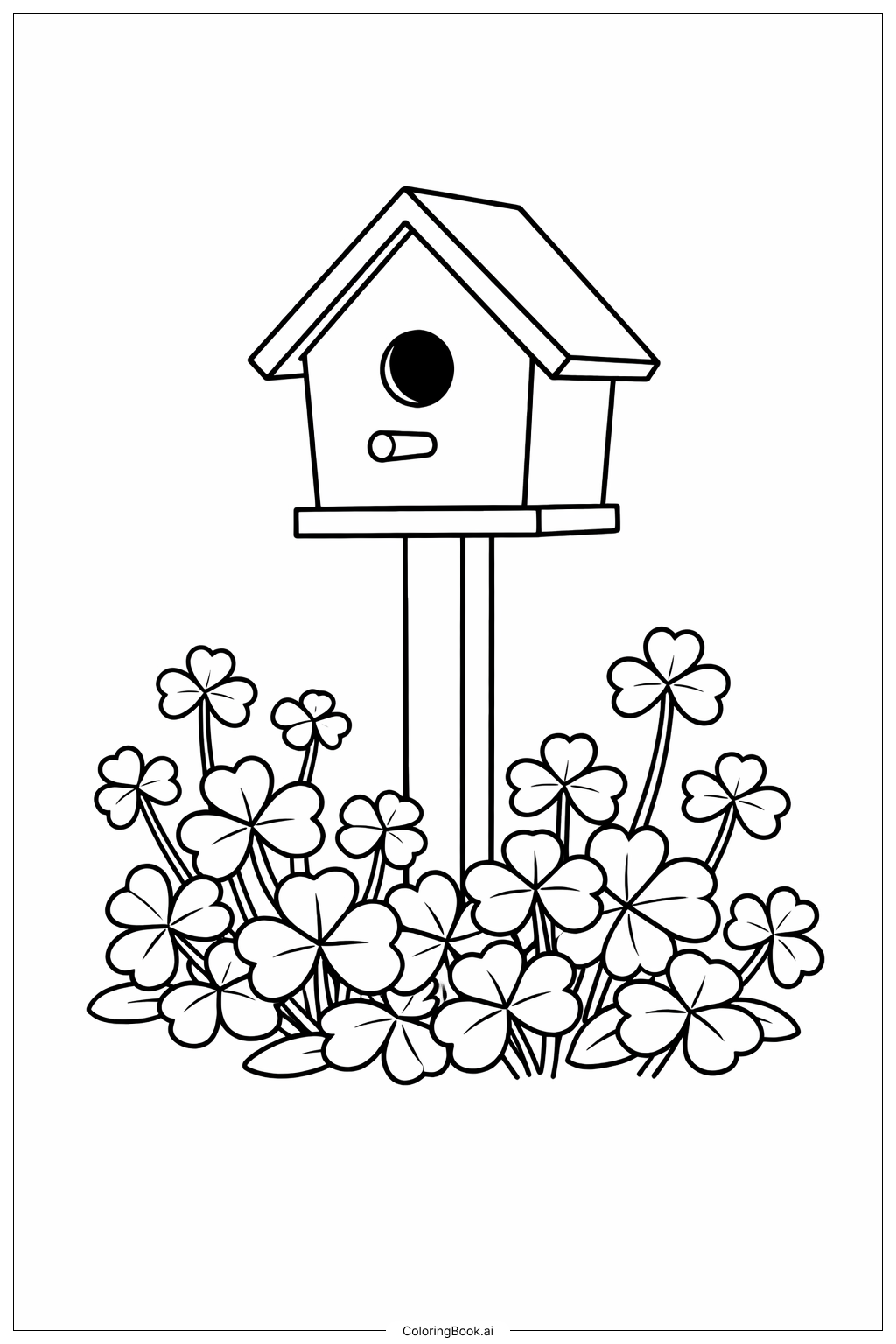
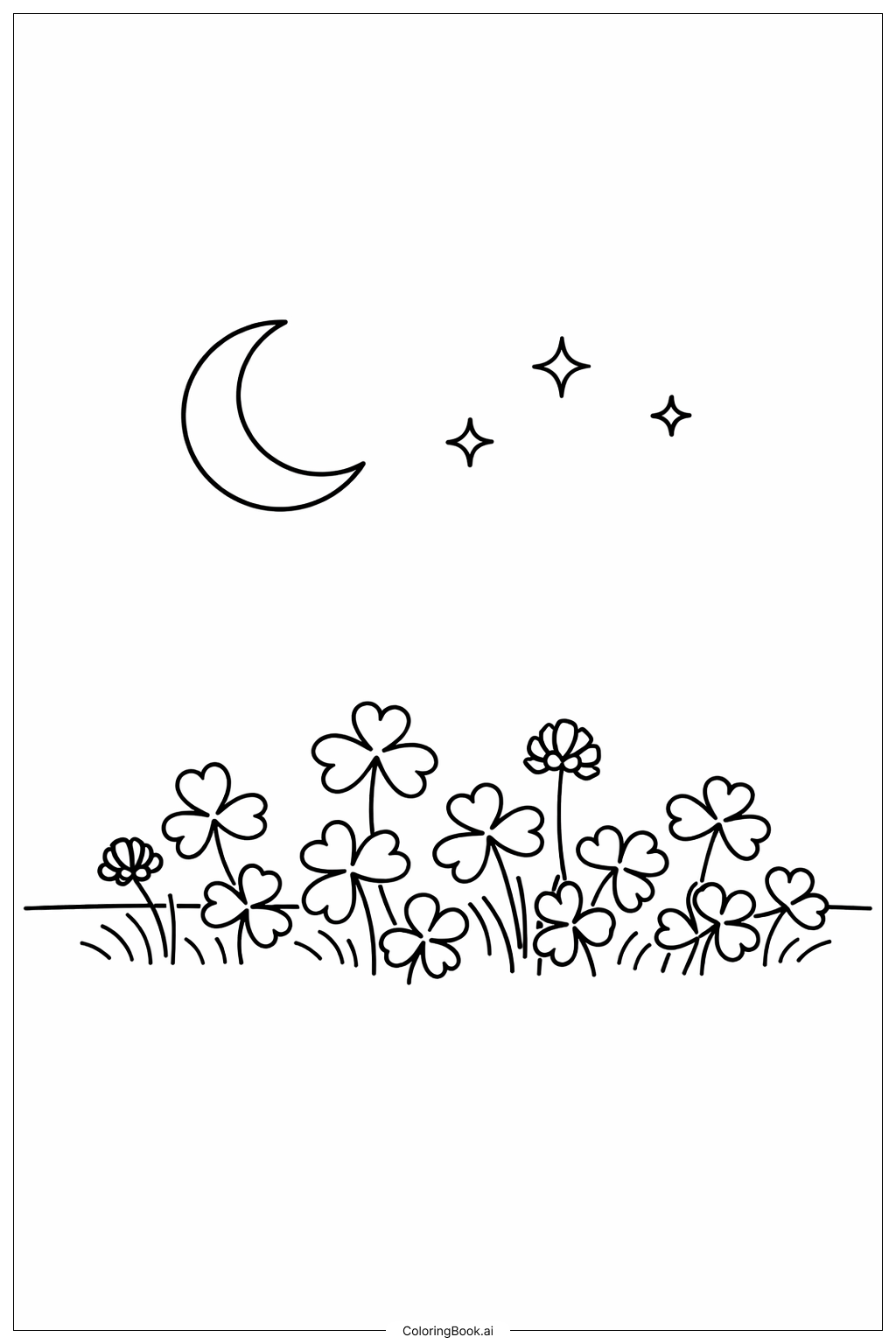
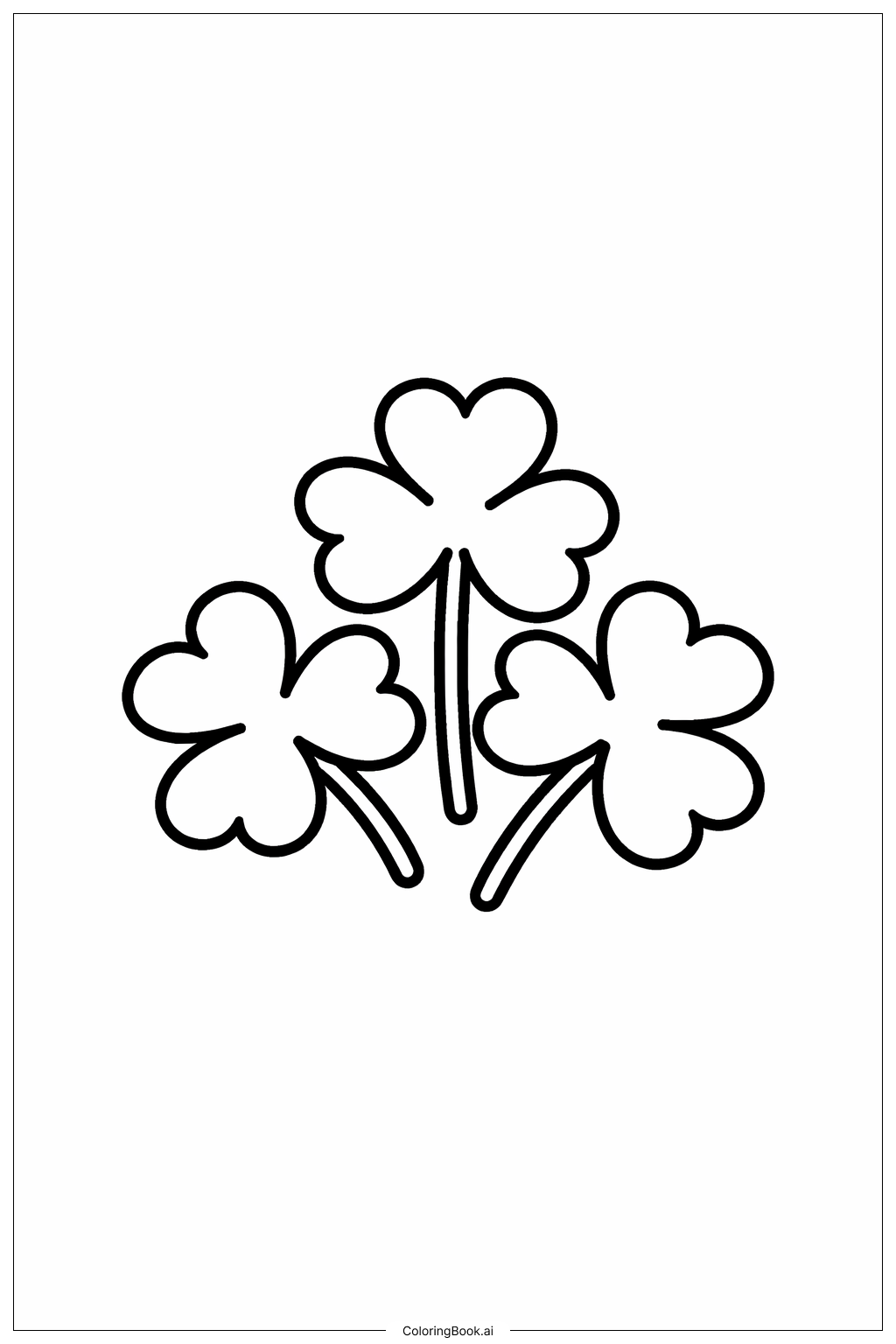
Use different shades of green to color each clover leaf for a natural look. You can try light green for one clover, medium green for the next, and dark green for the last. Feel free to add some yellow highlights or tiny white spots to create texture. The stems can be colored brown or a darker green. Consider adding a background scene, like grass or a soft blue sky, to make your picture more lively. You can also use crayons, colored pencils, or markers depending on your preference. Take your time to stay inside the lines but don’t worry if you go outside a bit—it’s all part of the fun!
Coloring challenges: Which parts are difficult to color and need attention for Tiny Clover Cluster coloring page?
1. Staying inside the small spaces between the leaves and stems requires careful control and attention. 2. Choosing different shades of green can be tricky if you want a natural look without making the colors blend too much. 3. Coloring the heart-shaped leaves evenly can be a challenge because of their curved shapes. 4. Adding texture or highlights might be difficult for younger kids who are just learning to color. 5. Deciding how to fill the space around the clovers without making it too crowded can require some creativity and planning.
Benefits of coloring books: Advantages of drawing Tiny Clover Cluster coloring page
Coloring this tiny clover cluster helps improve hand-eye coordination for children. It encourages focus as they carefully fill in each leaf and stem. Coloring within the lines also enhances fine motor skills. Using various shades to color teaches kids about color blending and light effects. It sparks creativity by allowing them to experiment with colors and backgrounds. Additionally, this simple nature-themed image can be calming and relaxing, promoting mindfulness and concentration.