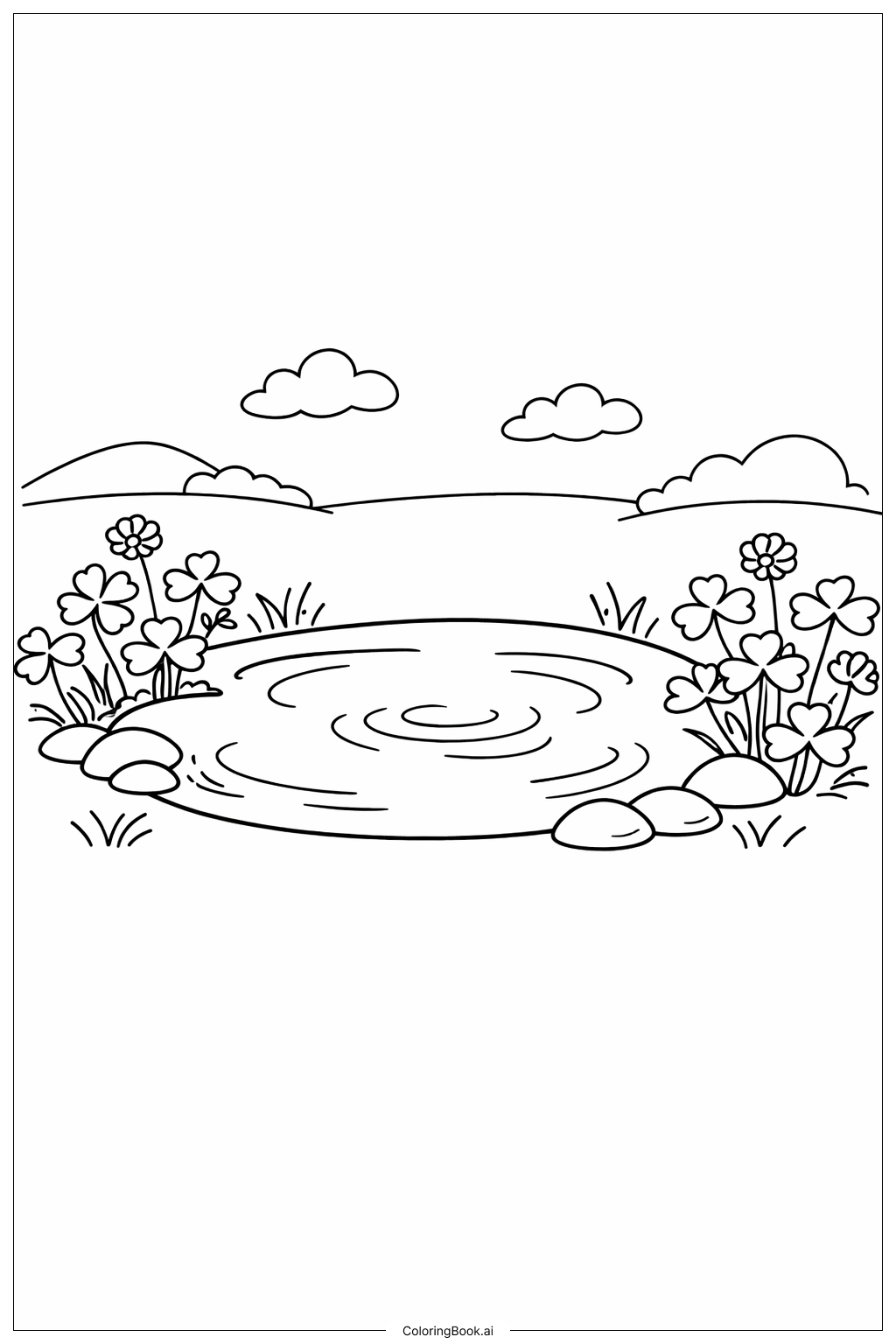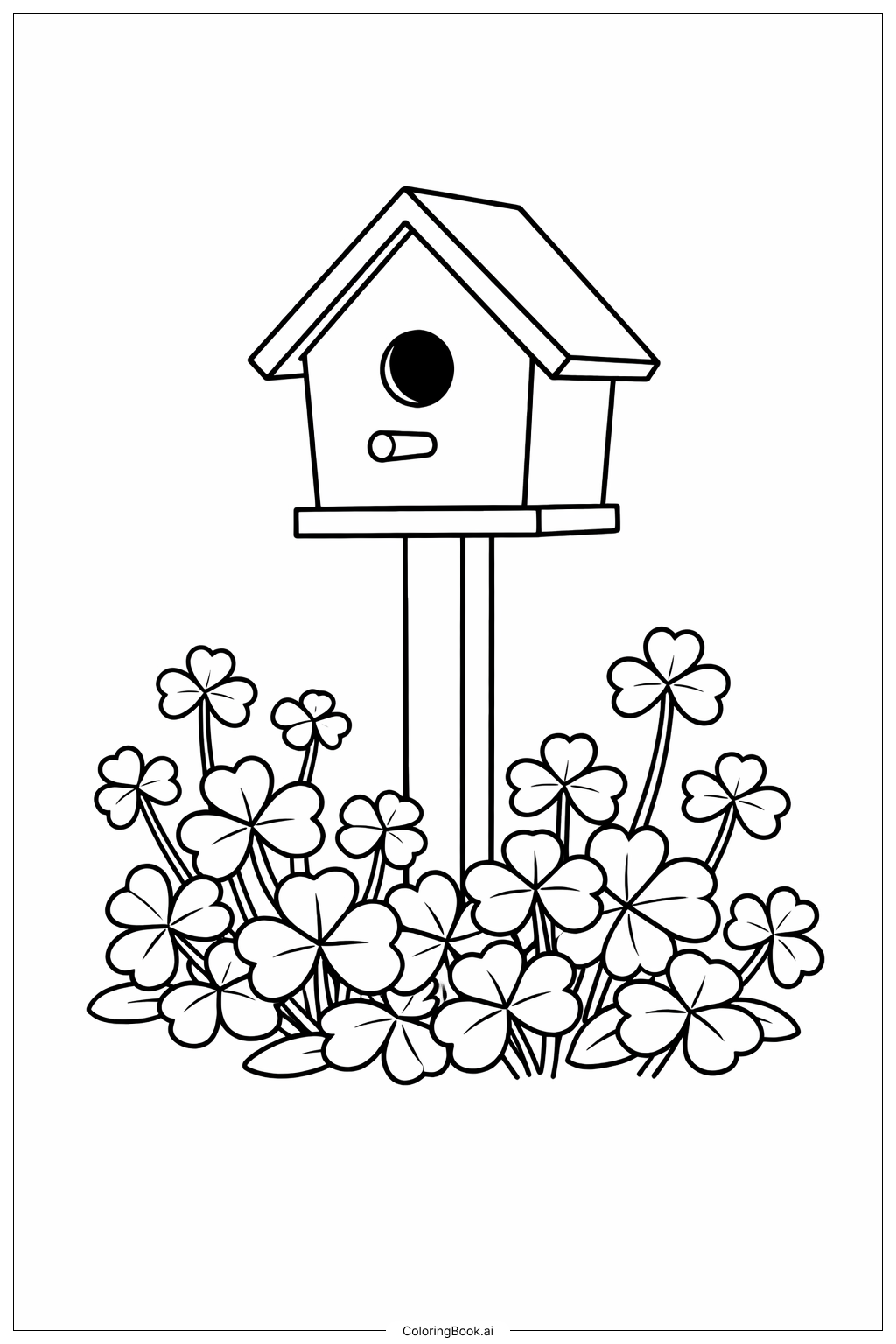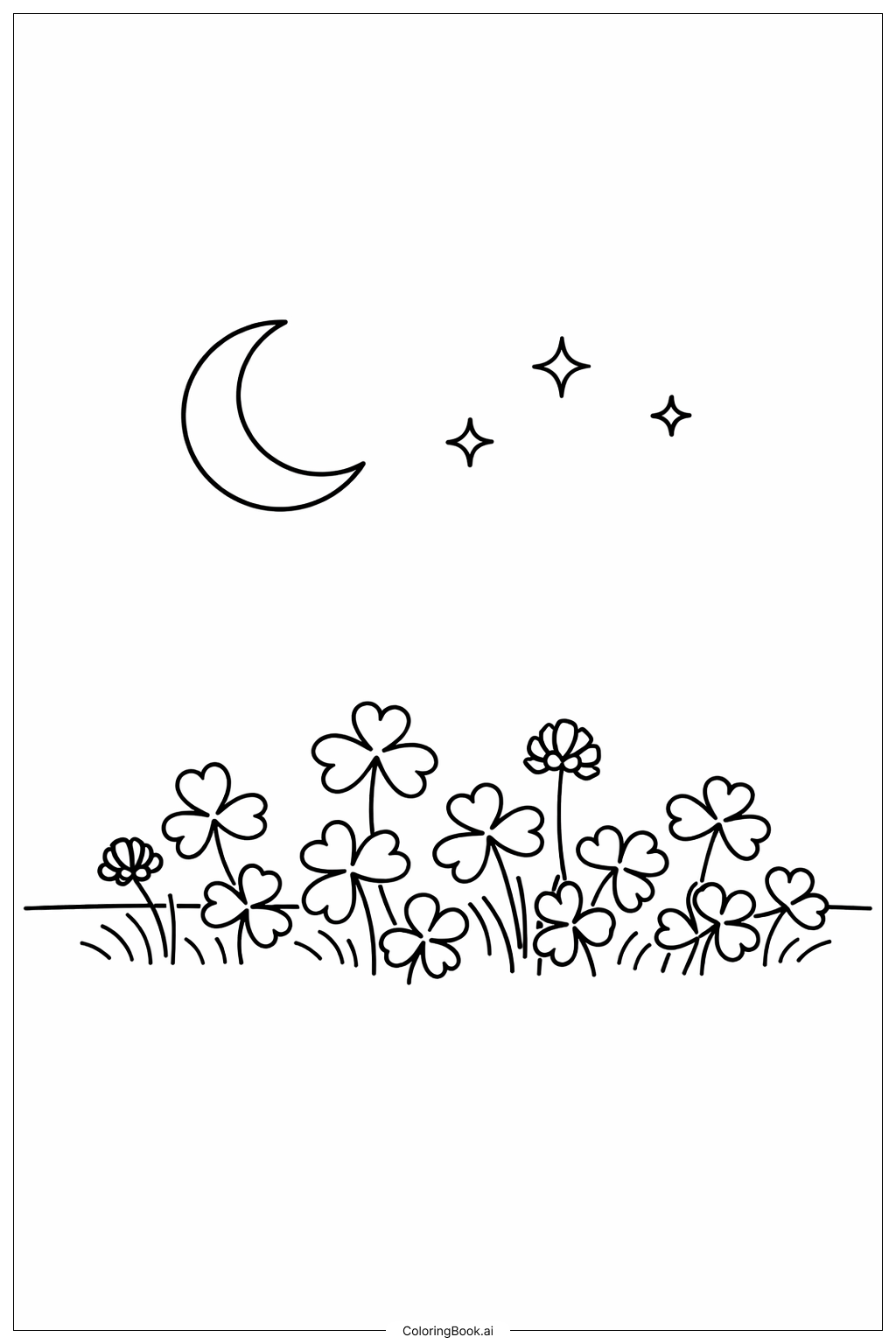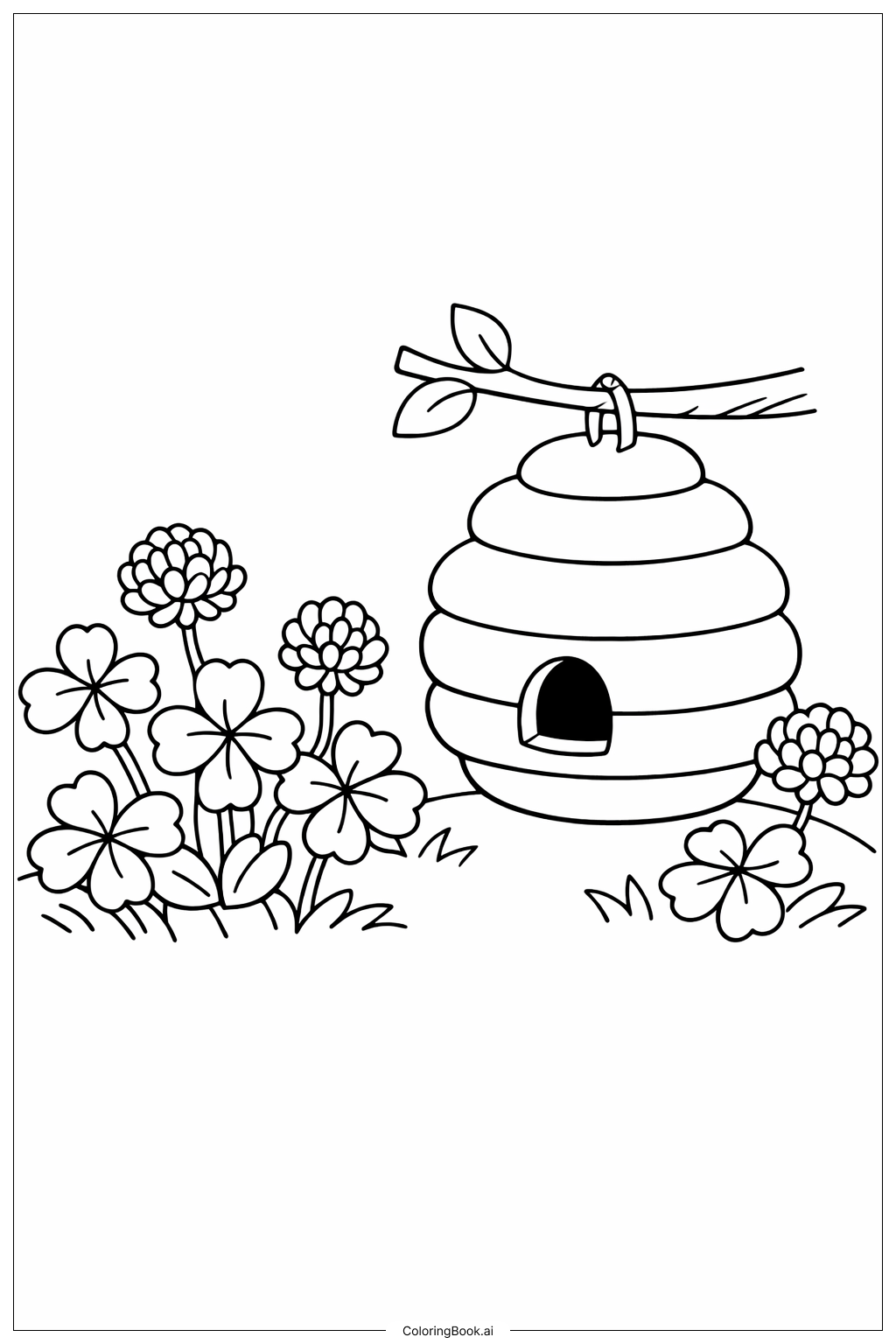
Coloring tips: How to color Clover With Cottage coloring page well?
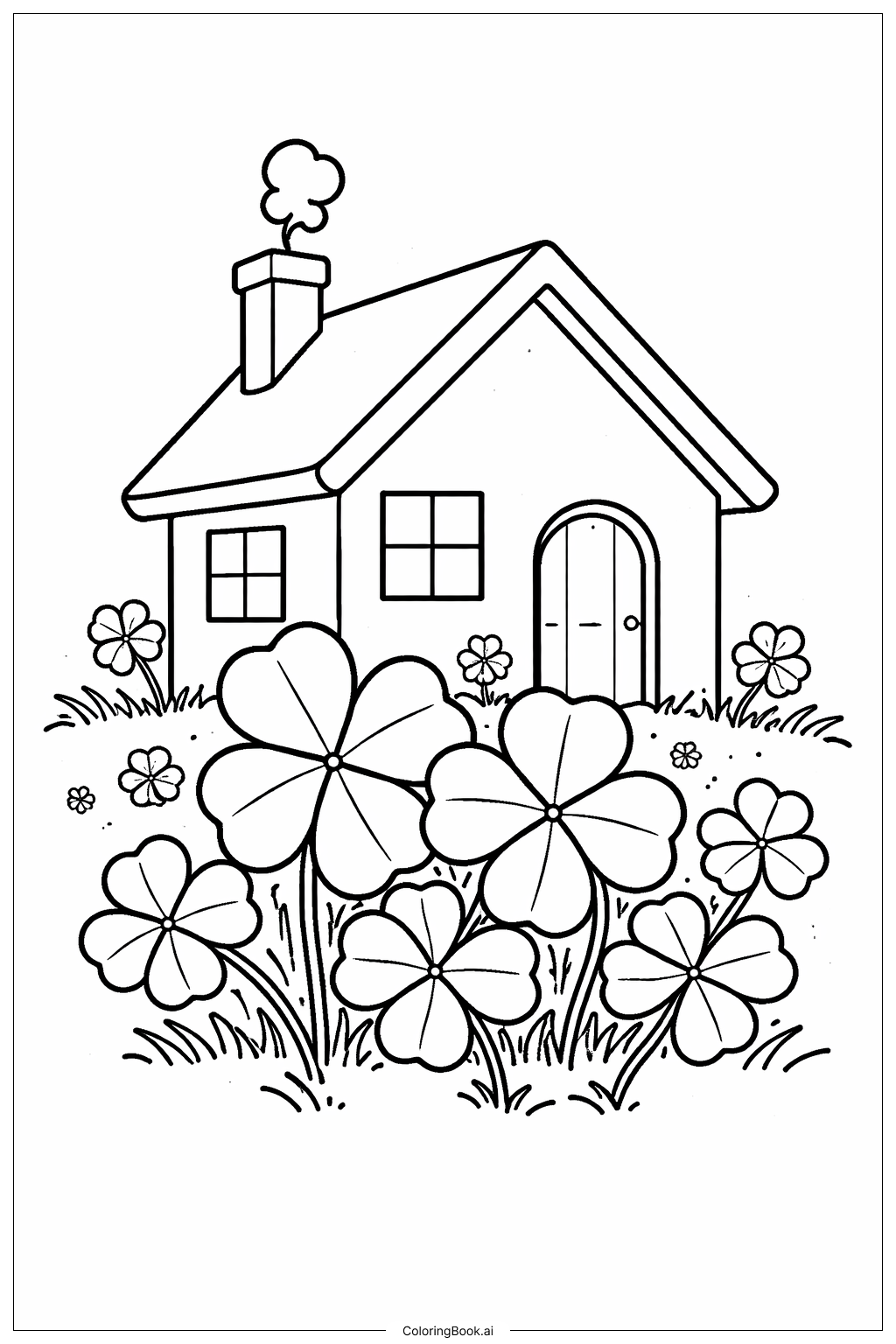
Start with the sky. Use a soft light blue and add white for the clouds. For the cottage, try warm colors like tan or cream for the walls and brown or red for the roof. The door and window frames look great in dark brown or forest green. The clover leaves should be different shades of green — mix light green, medium green, and dark green to make them feel lively. Use bright green or yellow-green for the grass. The clover flowers can be white with a hint of pink or soft purple at the tips. For the stone fence, use gray with touches of brown. Add yellow or orange to the wildflowers for a cheerful pop of color. Take your time with each section and enjoy filling in the details!
Coloring challenges: Which parts are difficult to color and need attention for Clover With Cottage coloring page?
• Clover Leaf Layering: The clover plants overlap throughout the scene, creating many layered shapes that sit on top of one another. It can be tricky to decide which leaves are in front and which are behind. Try using slightly darker shades of green for leaves in the back and brighter greens for those in the front to create a natural sense of depth.
• Cottage Architectural Details: The cottage has small but important features like window frames, curtain folds, a textured roof, and a detailed door. These tiny areas require a steady hand and a fine-tipped coloring tool. Rushing through these sections may cause colors to bleed into neighboring spaces, so work slowly and carefully.
• Stone Fence Texture: The low stone fence is made up of irregular shapes that need subtle color variation to look realistic. Using only one flat gray will make it look dull. Try blending light gray, medium gray, and soft brown within each stone to give the fence a natural, weathered appearance.
• Foreground Grass and Wildflowers: The bottom of the image is filled with dense blades of grass and scattered tiny flowers. This area has many small, closely packed shapes. Coloring each blade individually takes patience, but it adds a wonderful realistic texture to the finished piece.
• Sky and Cloud Blending: The open sky behind the cottage and clover looks simple, but achieving a smooth gradient from pale blue at the top to a softer, lighter tone near the horizon is a real challenge, especially with pencils or crayons. Gentle layering and circular blending motions will help create a natural, airy feel.
Benefits of coloring books: Advantages of drawing Clover With Cottage coloring page
Coloring this Clover With Cottage page offers a wonderful mix of relaxation and creative learning. The variety of shapes — from soft rounded clover leaves to the straight lines of the cottage walls — helps kids practice switching between different coloring techniques and build better hand control over time.
The detailed textures like the stone fence, roof tiles, and layered clover plants challenge young colorists to think about shading and depth, which helps develop early artistic skills. Deciding which greens to use for the leaves or which warm tones suit the cottage walls also encourages creative thinking and color awareness.
For younger children, the large open areas like the sky and grass are easy and satisfying to fill in, giving them a sense of accomplishment. For older kids and teens, the finer details provide a meaningful challenge that rewards patience and focus.
Beyond the artistic benefits, the peaceful nature scene — a cozy home surrounded by clover and wildflowers — can have a calming effect. Spending time with this page encourages mindfulness, reduces stress, and gives colorists a quiet moment to slow down and enjoy the process. It is a simple, screen-free activity that brings real joy.