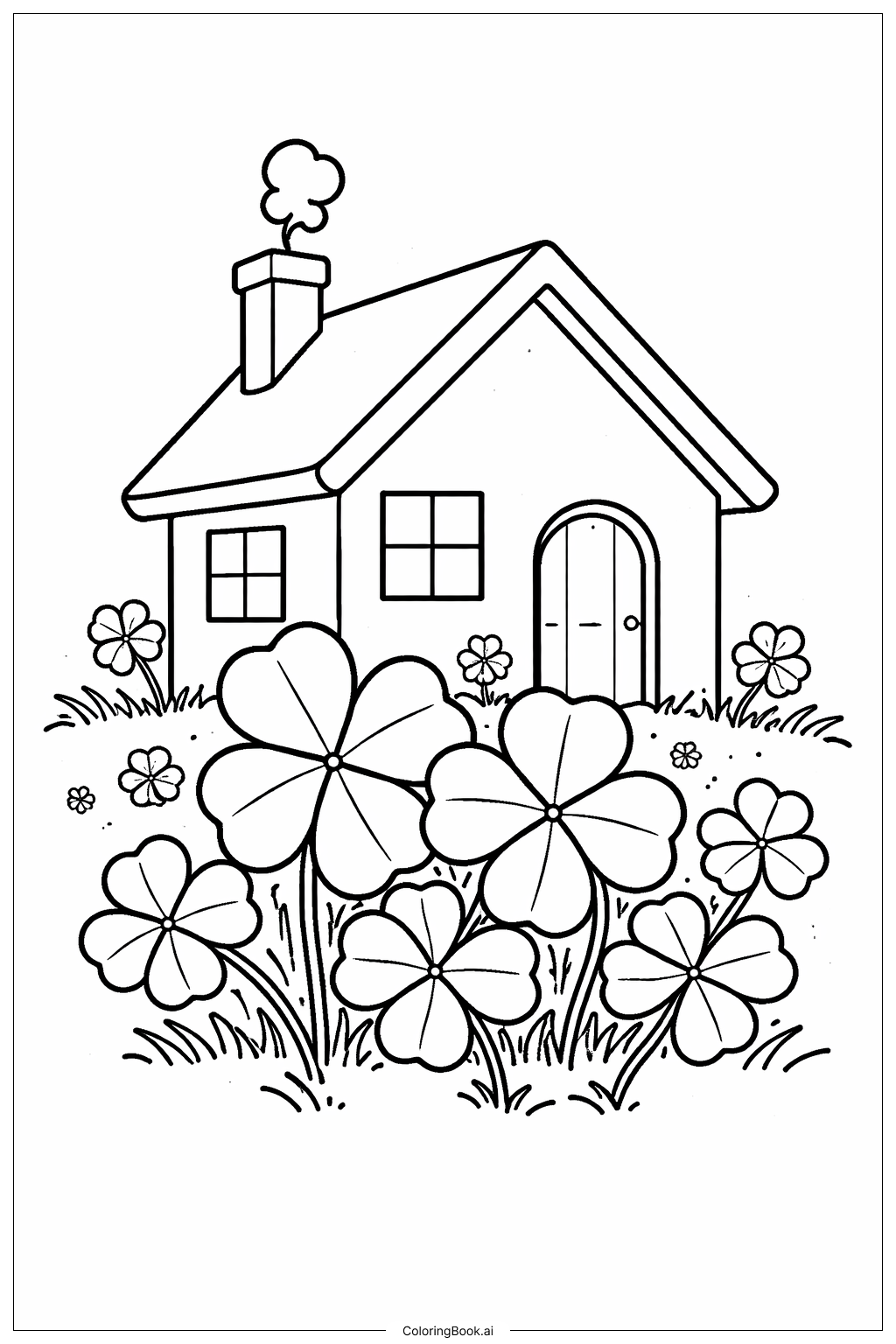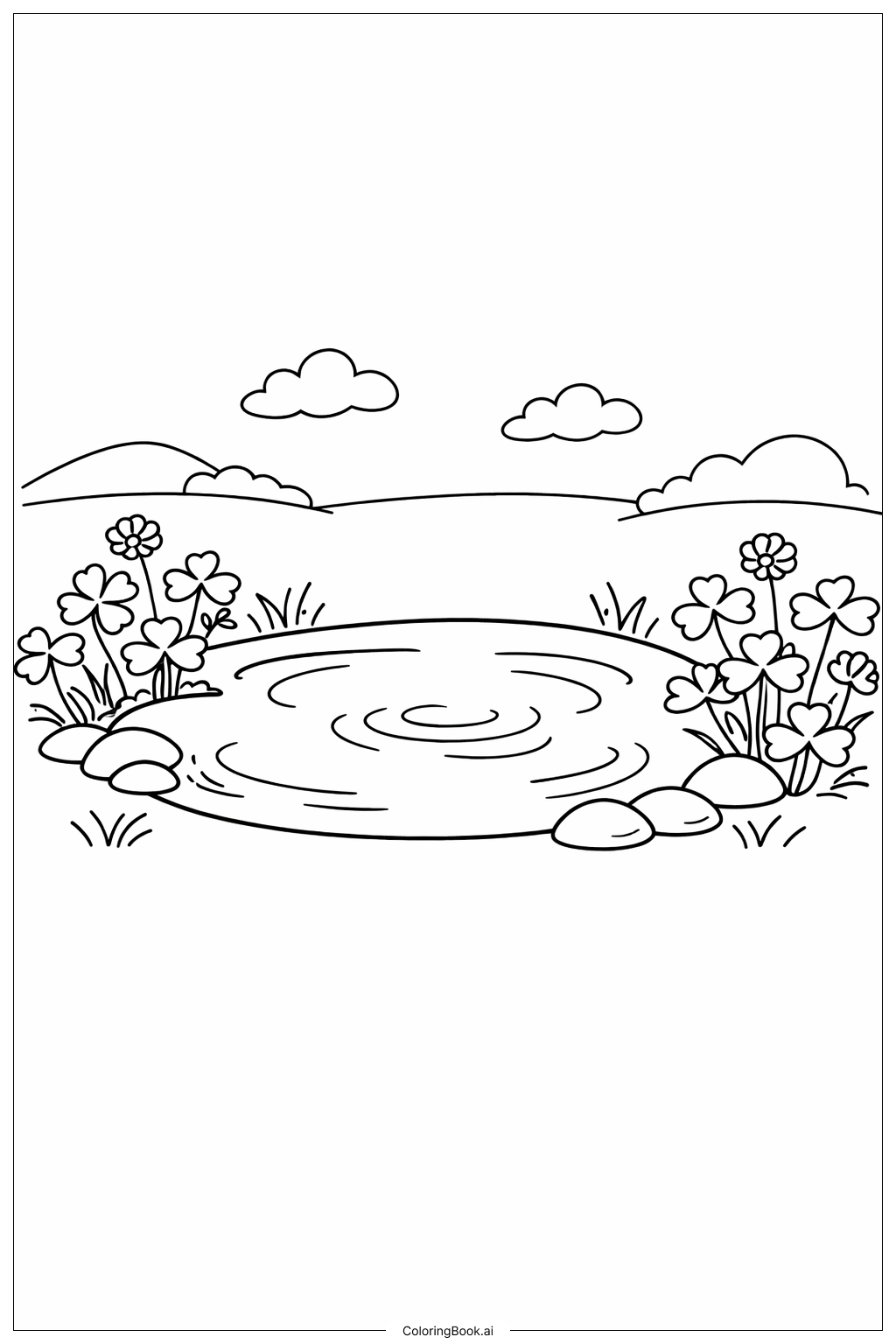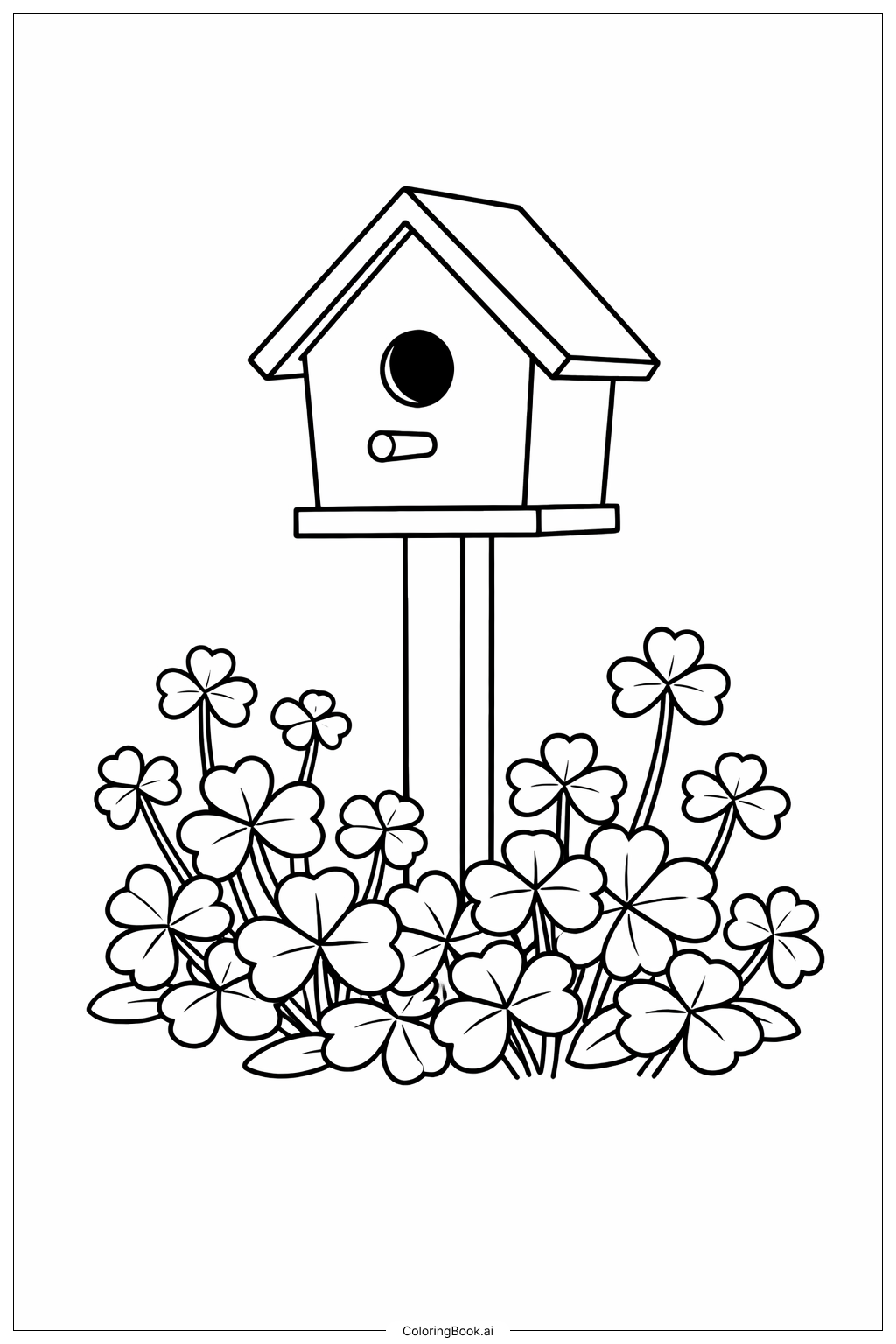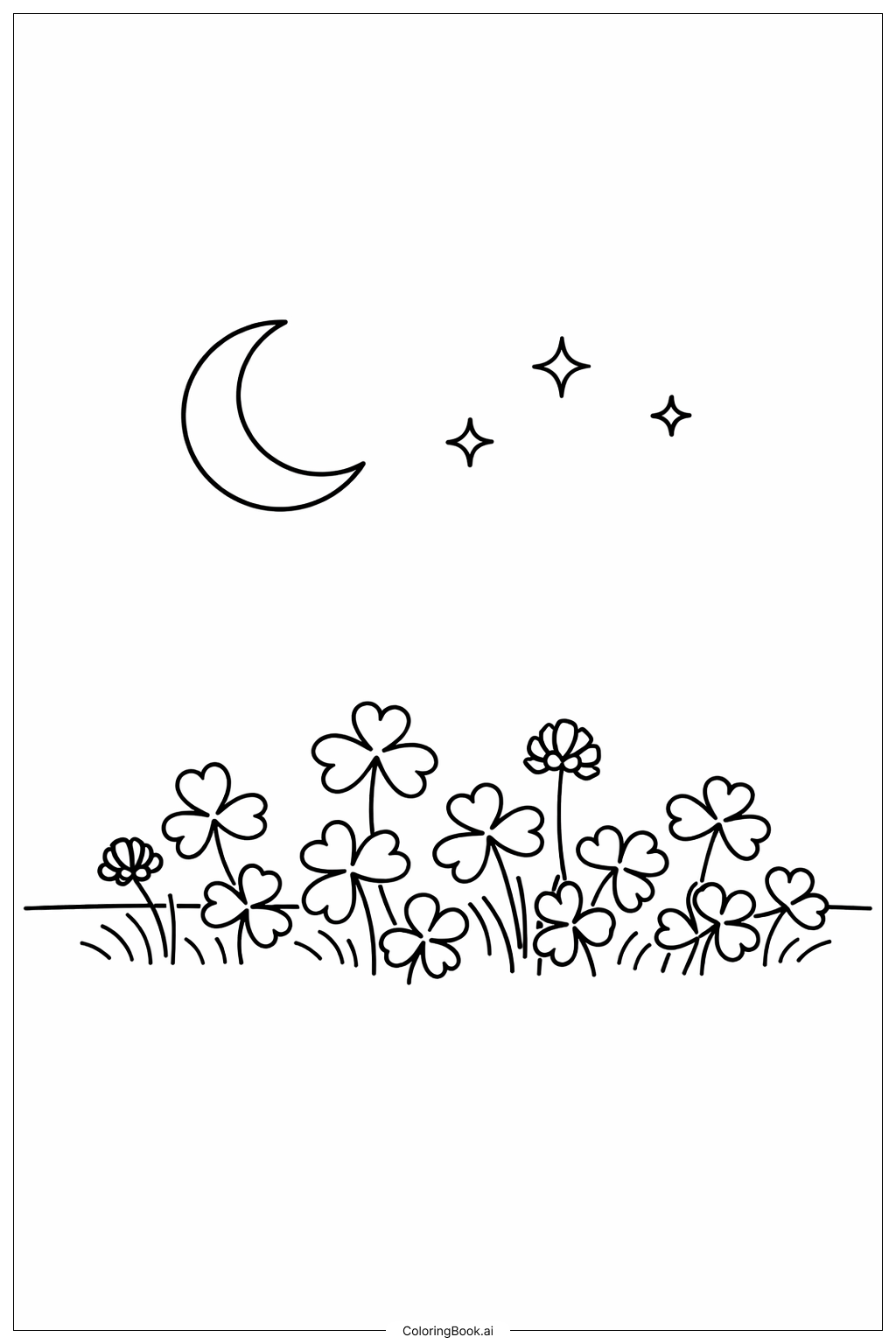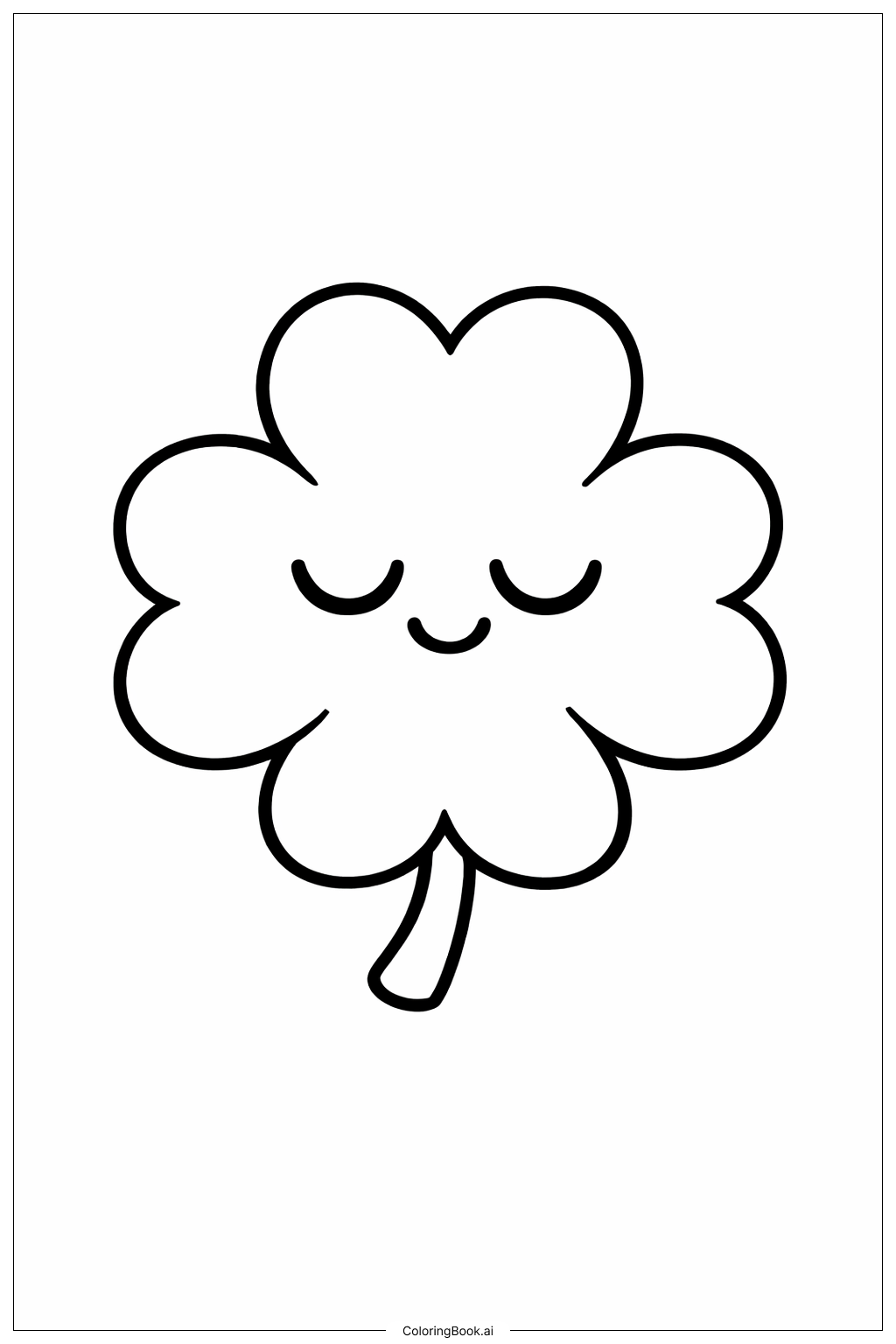
Coloring tips: How to color Sleeping Clover coloring page well?
Use different shades of green for the clover leaves to show depth and interest. You can start with a light green base and add darker green on the edges. For the stem, a medium green color will work well. The clover's face can be colored with soft pastel tones like light pink or peach to give it a warm and gentle feel. Adding a light blue or lavender background can make the sleeping clover stand out nicely and add a dreamy mood to the picture.
Coloring challenges: Which parts are difficult to color and need attention for Sleeping Clover coloring page?
1. Staying within the curved lines of the rounded leaves might be tricky for young children, as the shape is smooth and continuous.
2. Coloring the face details gently without overpowering the peaceful expression requires careful attention to small areas.
3. Choosing the right shades of green to show depth without making the coloring look flat can be challenging.
4. Balancing the colors so the clover remains the main focus, especially if a background color is added.
5. Avoiding coloring outside the stem area, which is narrow and requires precise strokes.
Benefits of coloring books: Advantages of drawing Sleeping Clover coloring page
Coloring this sleeping clover helps children practice fine motor skills by staying inside the lines and handling small details like the face. It encourages creativity in choosing colors and blending shades of green. The calm expression can inspire emotional relaxation and a sense of peace during coloring. It also introduces children to natural elements and the symbolism of luck, adding educational value. Overall, it is a delightful way for kids to develop focus and enjoy a soothing coloring activity.