Coloring tips: How to color Four Leaf Clover Patch coloring page well?
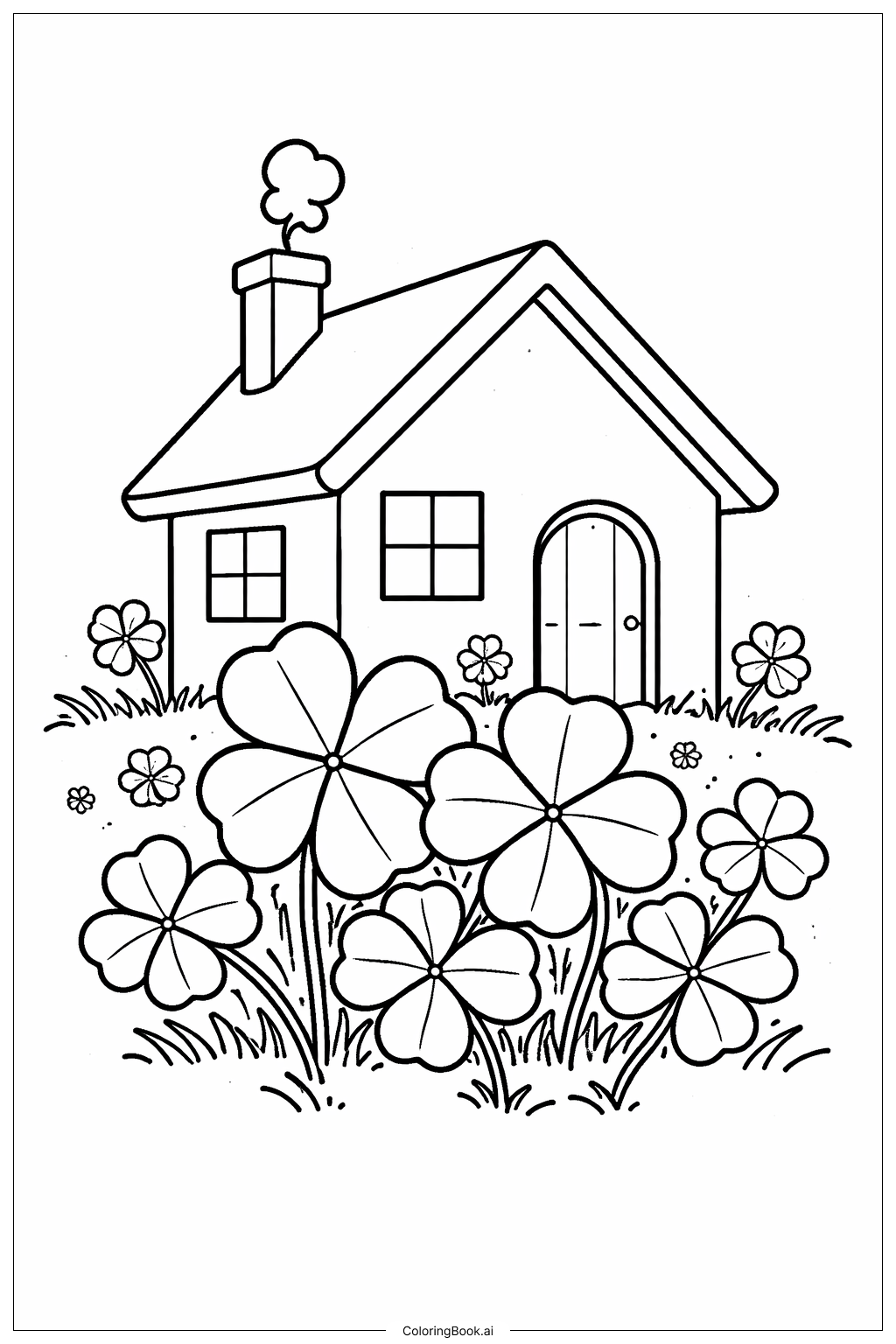
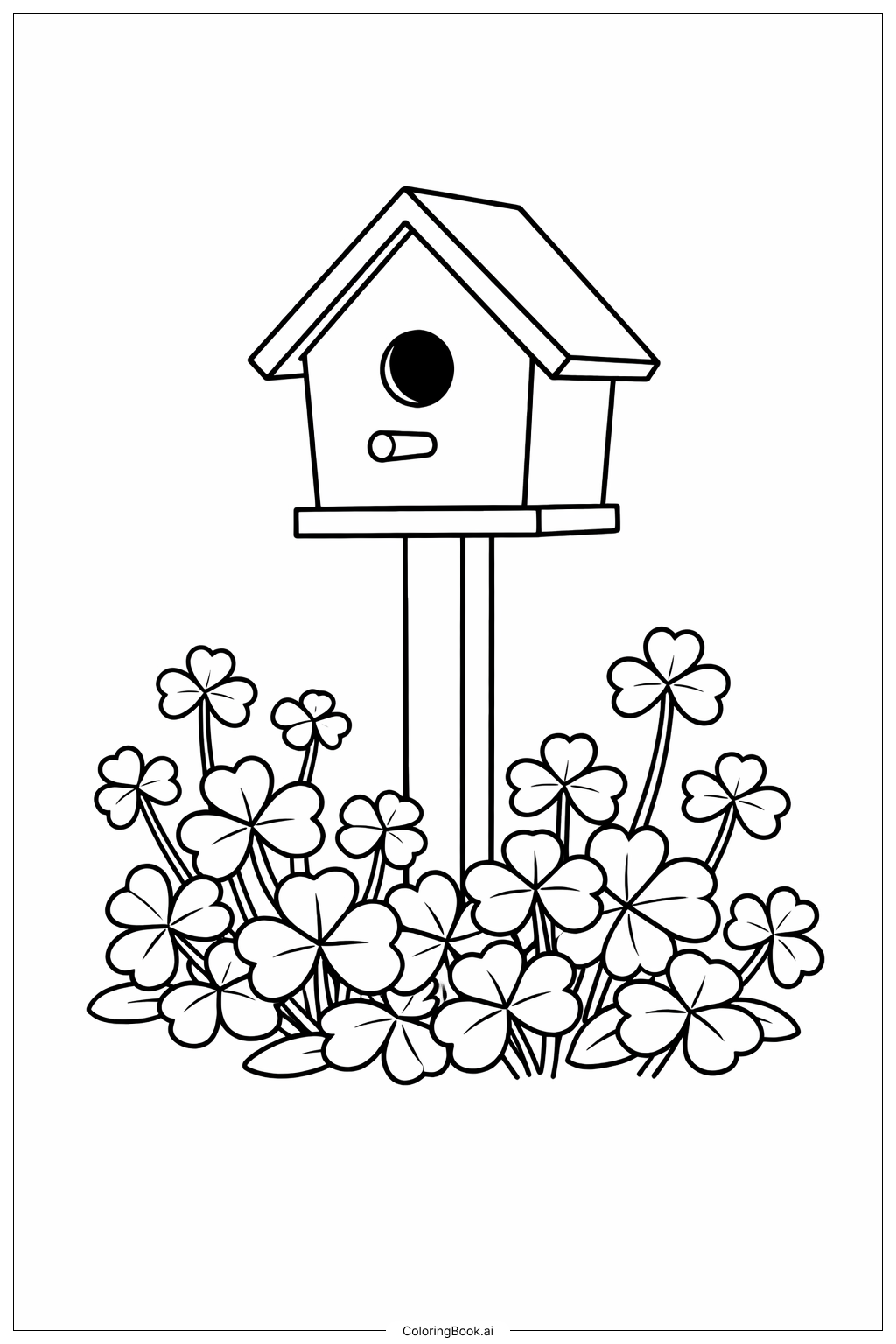
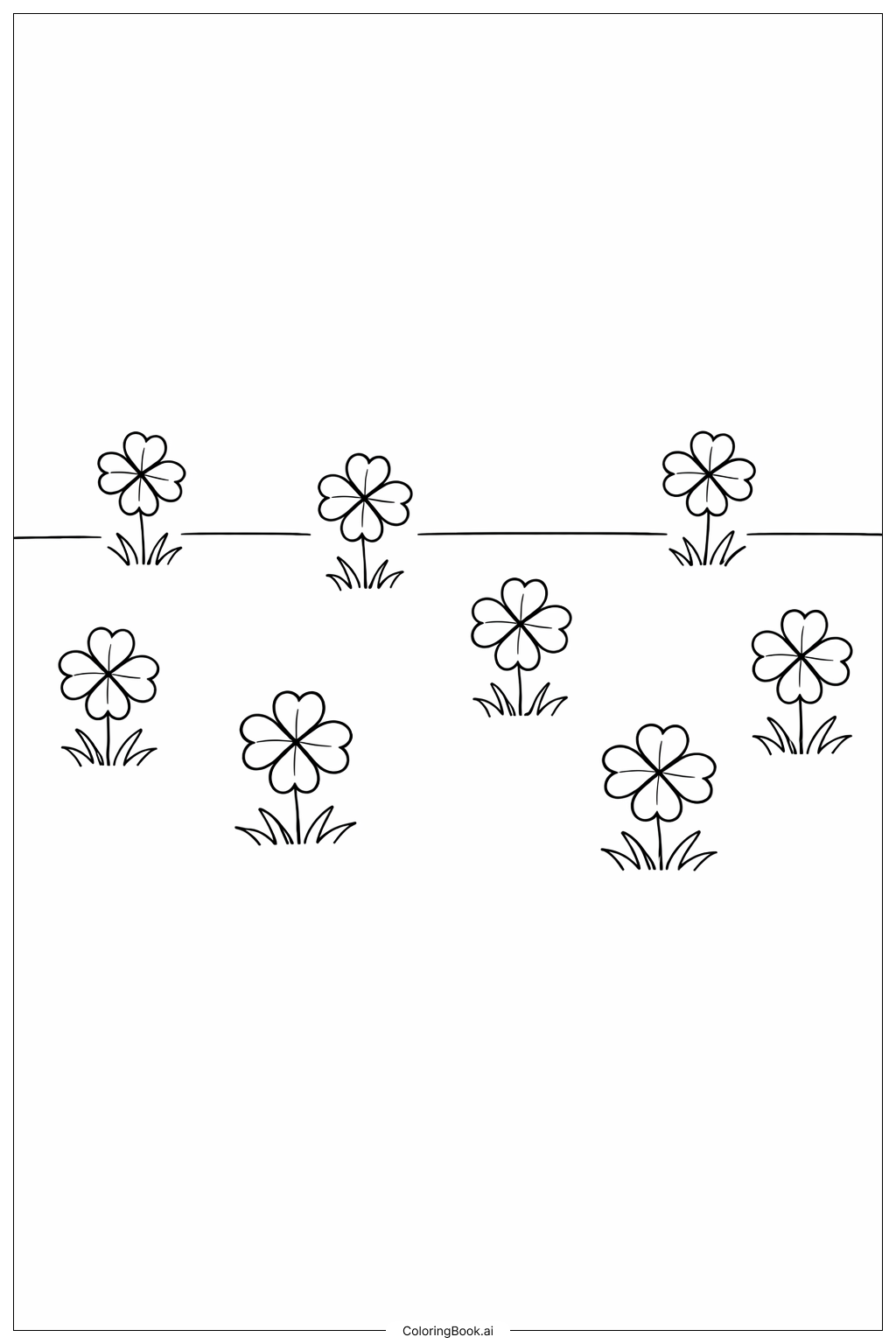
Try using different shades of green to color the clover leaves for a realistic effect. Start with a bright, fresh green for the main leaf parts. Use darker green tones along the veins and edges to add depth and make the leaves pop. The stems can be colored with a slightly lighter, yellow-green to create contrast. To make the patch more interesting, you can add a soft brown or earthy color for the ground or soil beneath the clovers. If you like, use a light blue or sky shade in the background to hint at an outdoor setting. Feel free to add small colorful insects like ladybugs or butterflies around the Clover for extra fun. Keep your coloring light and smooth, especially for children aged 4 to 16, so it stays easy and pleasant to fill in.
Coloring challenges: Which parts are difficult to color and need attention for Four Leaf Clover Patch coloring page?
• Leaf Details: The individual clover leaves have fine vein lines and subtle curves that require careful coloring to keep the design clear without coloring over the lines.
• Overlapping Leaves: Some clovers overlap closely. This means you need to control shading carefully to show the difference between leaves without making the colors blend or muddy.
• Small Stems: The thin stems connecting the clovers can be tricky to color precisely, especially for younger children who might find small spaces difficult.
• Texture and Depth: Adding realistic shading with multiple green tones can be a challenge for beginners, as it requires blending and layering colors.
• Consistency: Keeping the shade of green consistent across all four leaves of each clover while also creating depth demands attention and patience.
Benefits of coloring books: Advantages of drawing Four Leaf Clover Patch coloring page
Coloring this Four Leaf Clover Patch can boost focus and improve fine motor skills by requiring careful attention to detail. It encourages creativity through selecting varying green hues and exploring how shading can add depth to flat shapes. For children, this activity enhances hand-eye coordination and strengthens concentration. It also offers an introduction to natural patterns found in plants, sparking curiosity about nature. Additionally, the image’s simple yet detailed design makes it accessible for different skill levels, providing a satisfying sense of achievement once completed. Engaging with this last coloring page can also promote relaxation and mindfulness, helping to calm the mind while having fun.