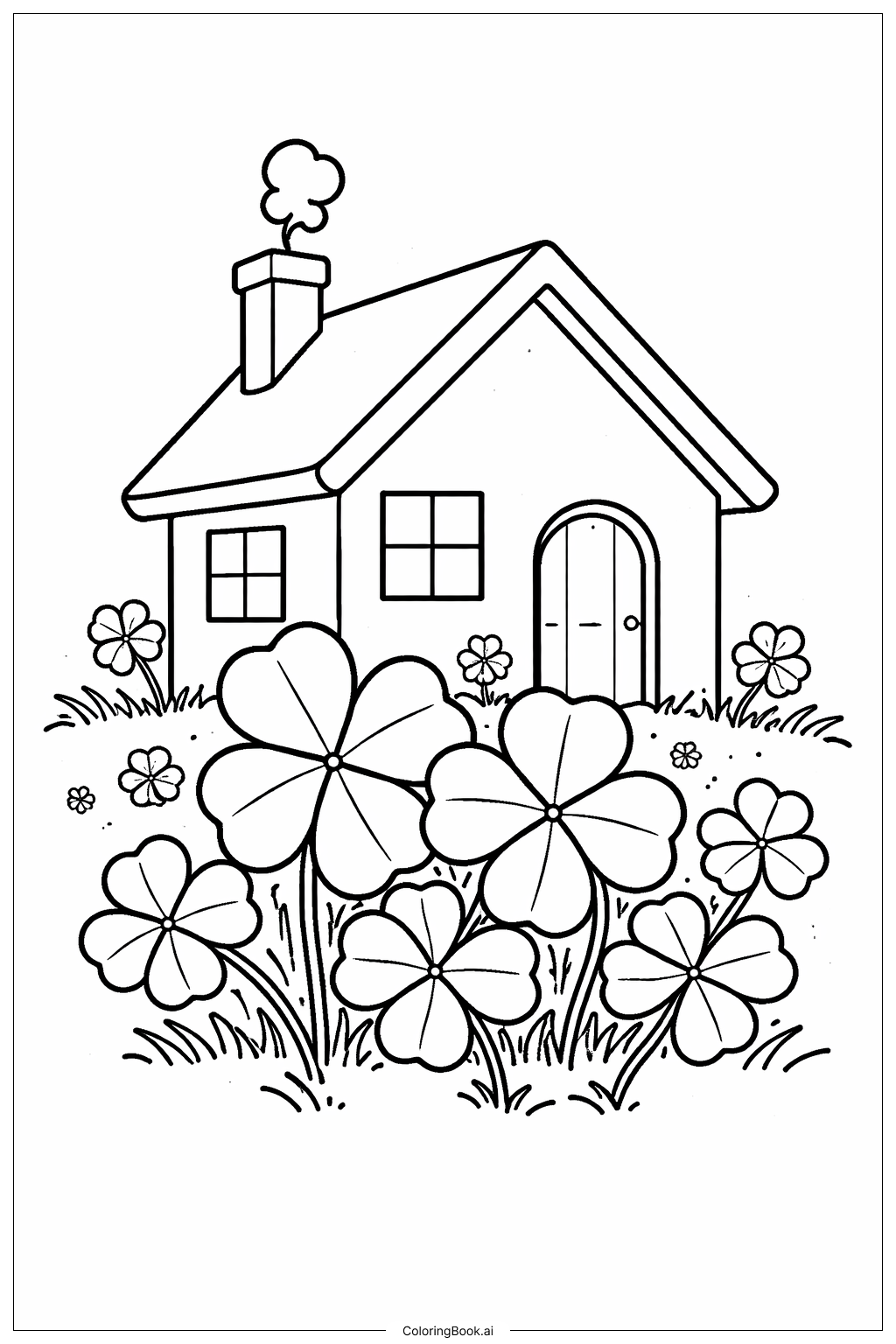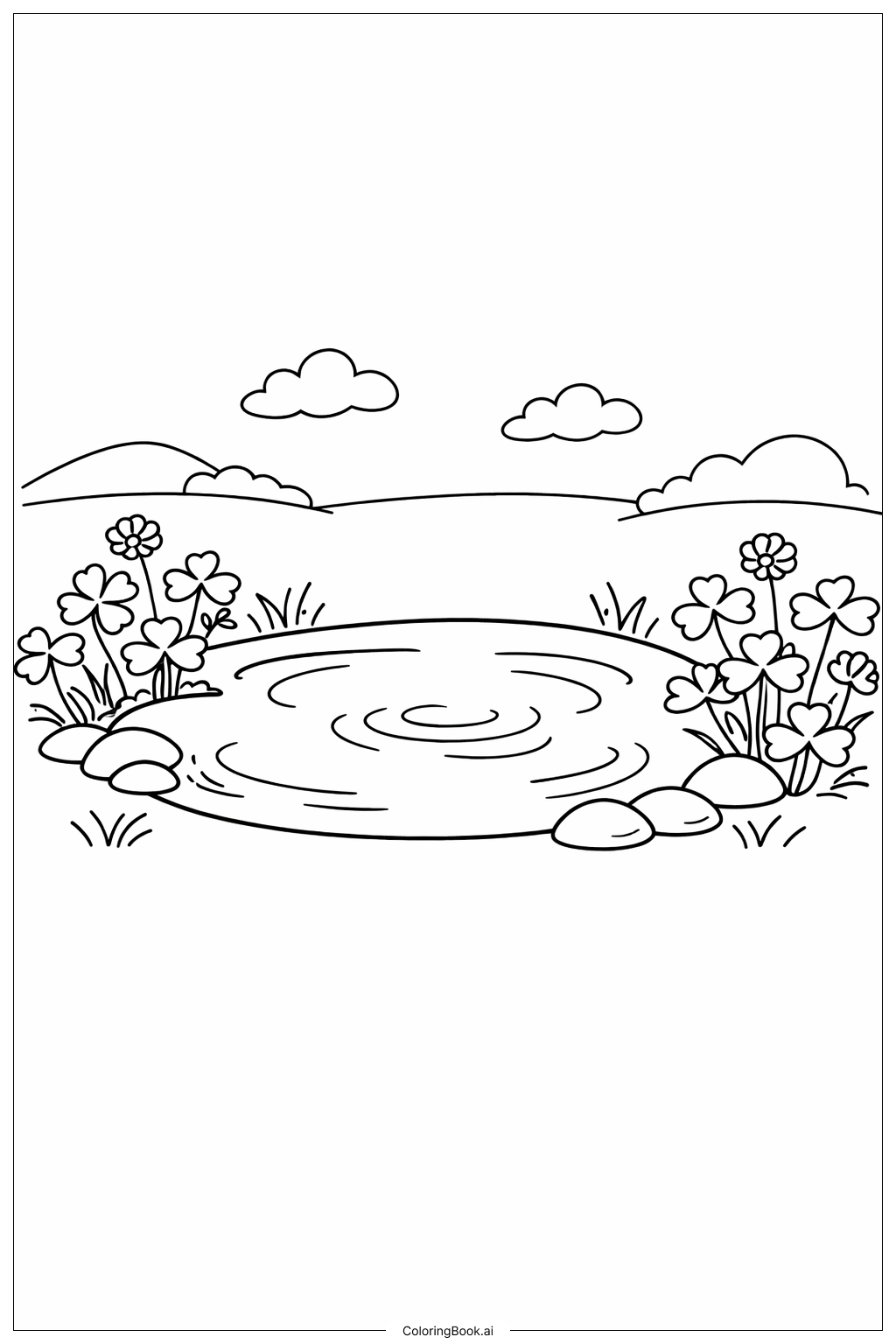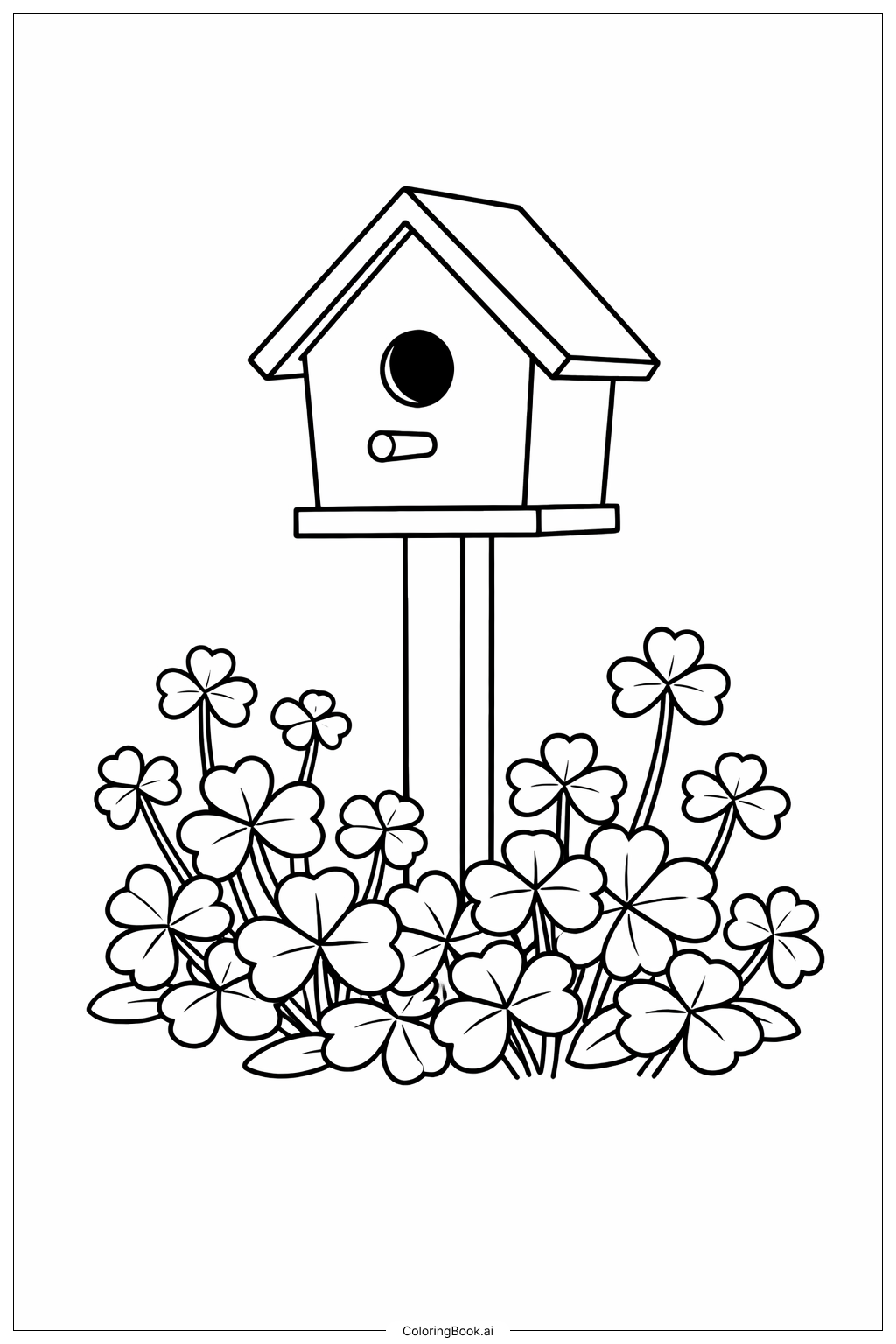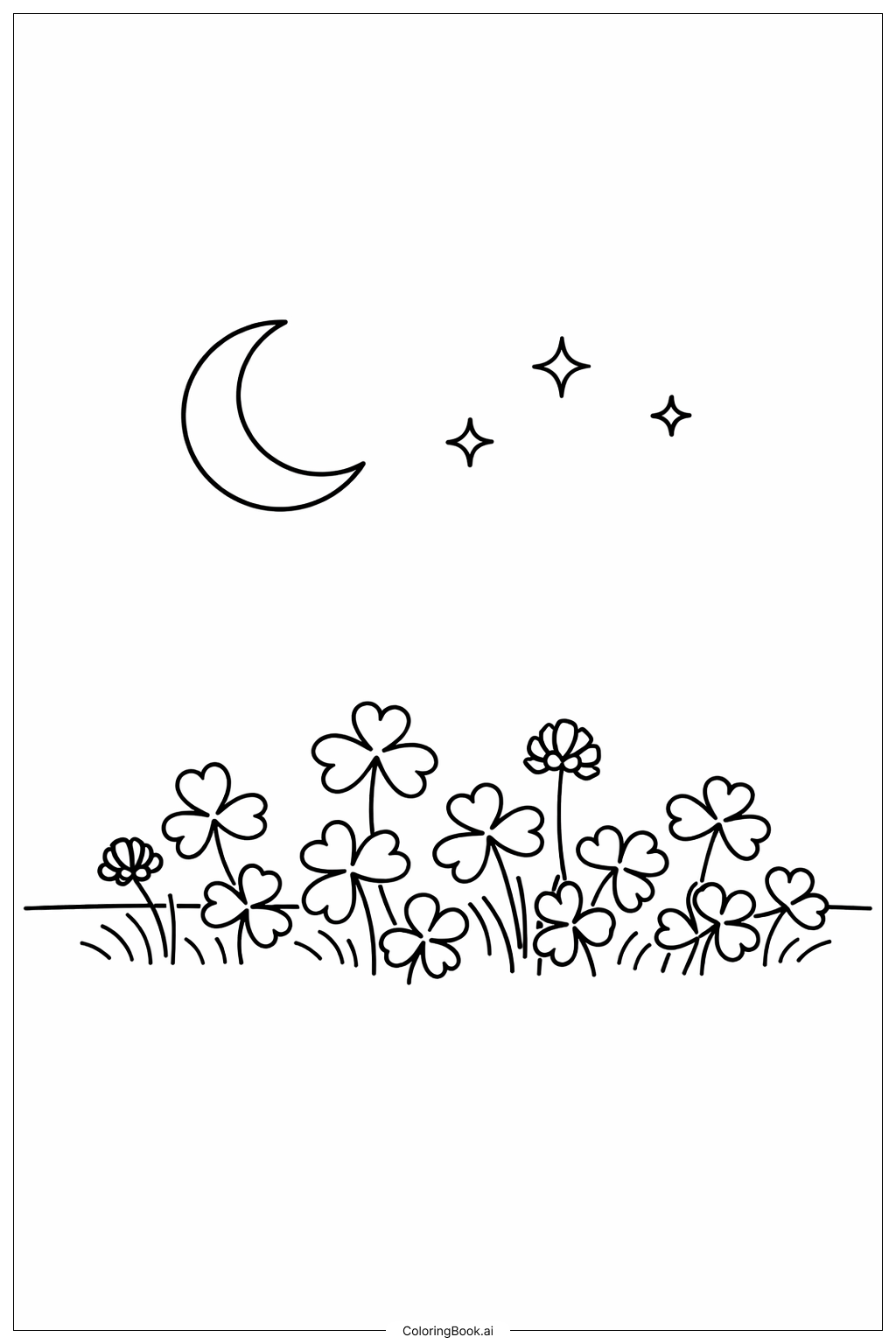
Coloring tips: How to color Big Simple Clover coloring page well?
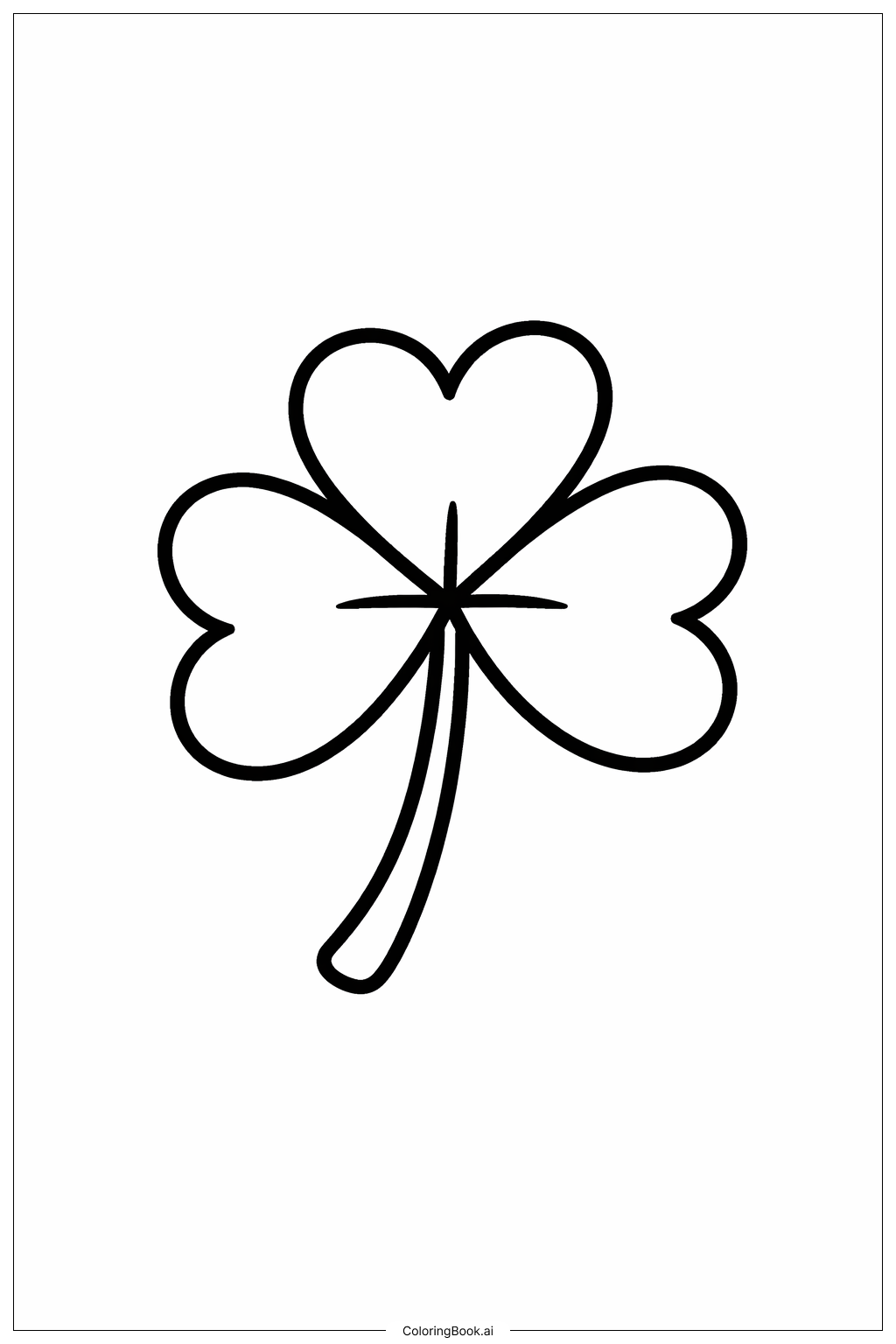
Start by choosing a shade of green for the leaves. Bright green looks fresh and lively. You can also try using two different shades of green — a lighter one for the inside of each leaf and a darker one near the edges to create depth. Add a thin yellow line down the center of each leaf to show a vein. For the stem, use a medium or dark green to make it look strong and healthy. If you want to make the clover look magical, try adding a soft glow of yellow or white in the center where the leaves meet. You can also color the background with light blue for a sky, soft brown for soil, or leave it white to keep the focus on the clover. Use crayons, colored pencils, or markers — all work great for this design.
Coloring challenges: Which parts are difficult to color and need attention for Big Simple Clover coloring page?
• Staying Inside the Lines: The clover has large, rounded leaf shapes with smooth curves. While this makes the image look simple, it can be tricky to color neatly along the curved edges without going outside the outline. Take your time near the edge of each leaf and use the tip of your pencil or marker for better control.
• Blending Two Shades of Green: If you want to add depth by using more than one shade of green, blending them smoothly can be challenging. The transition from light to dark needs to be gradual. Practice on a separate piece of paper first to find the right pressure and direction for blending.
• Making Each Leaf Look Different but Balanced: The three leaves are very similar in shape. Coloring them in exactly the same way might look flat. Trying to add small differences — like lighter highlights or slightly varied tones — takes patience and a steady hand to keep the overall image looking balanced.
• Adding a Leaf Vein Detail: Drawing or coloring a fine line down the center of each leaf to suggest a vein requires precision. If the line is too thick or crooked, it can distract from the clean look of the clover. Using a fine-tip tool or a sharp pencil works best for this detail.
• Choosing a Background Color: Deciding what color to use behind the clover can be difficult. A color that is too bold or too similar to green may hide the clover or look messy. Picking a soft, contrasting background color like light blue or pale yellow helps the clover stand out clearly.
Benefits of coloring books: Advantages of drawing Big Simple Clover coloring page
Coloring this Big Simple Clover page is a wonderful activity for kids of all ages. The large, open shapes make it easy for younger children to practice holding a crayon and staying inside the lines. This helps build fine motor skills and hand-eye coordination in a fun and relaxed way.
For older kids, choosing colors and experimenting with shading helps develop creative thinking and artistic confidence. Deciding between different shades of green, adding vein details, or picking a background color are all small decisions that strengthen problem-solving skills.
Focusing on a simple, calming image like a clover also helps children slow down and concentrate. This kind of quiet, focused activity can reduce stress and improve attention span. It gives kids a chance to sit still, breathe, and enjoy a peaceful moment.
Clover is also a symbol of nature, luck, and the outdoors. Coloring this image can spark curiosity about plants and the natural world. It makes a great activity for springtime or St. Patrick's Day celebrations. Most of all, finishing the page gives children a real sense of pride and accomplishment.