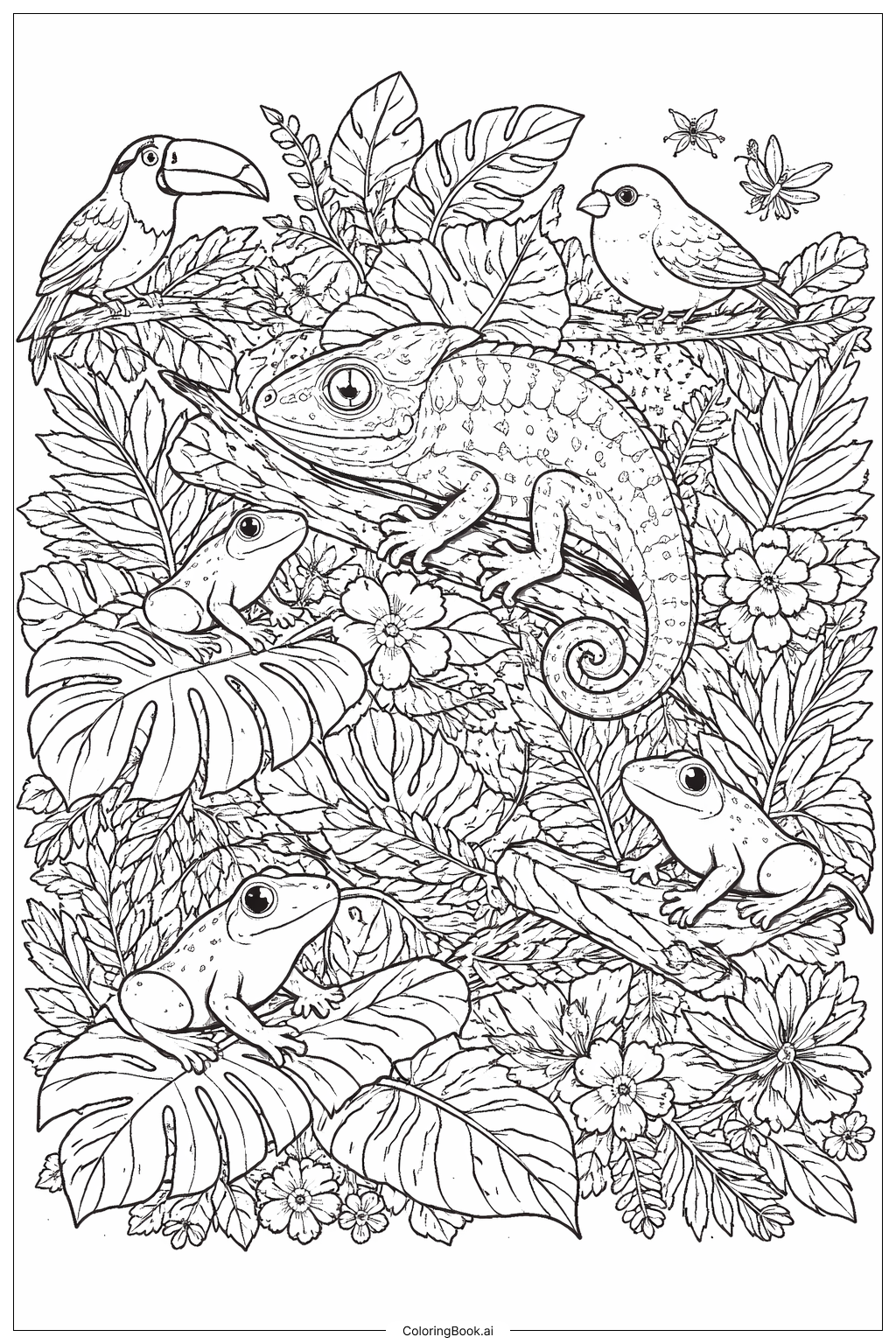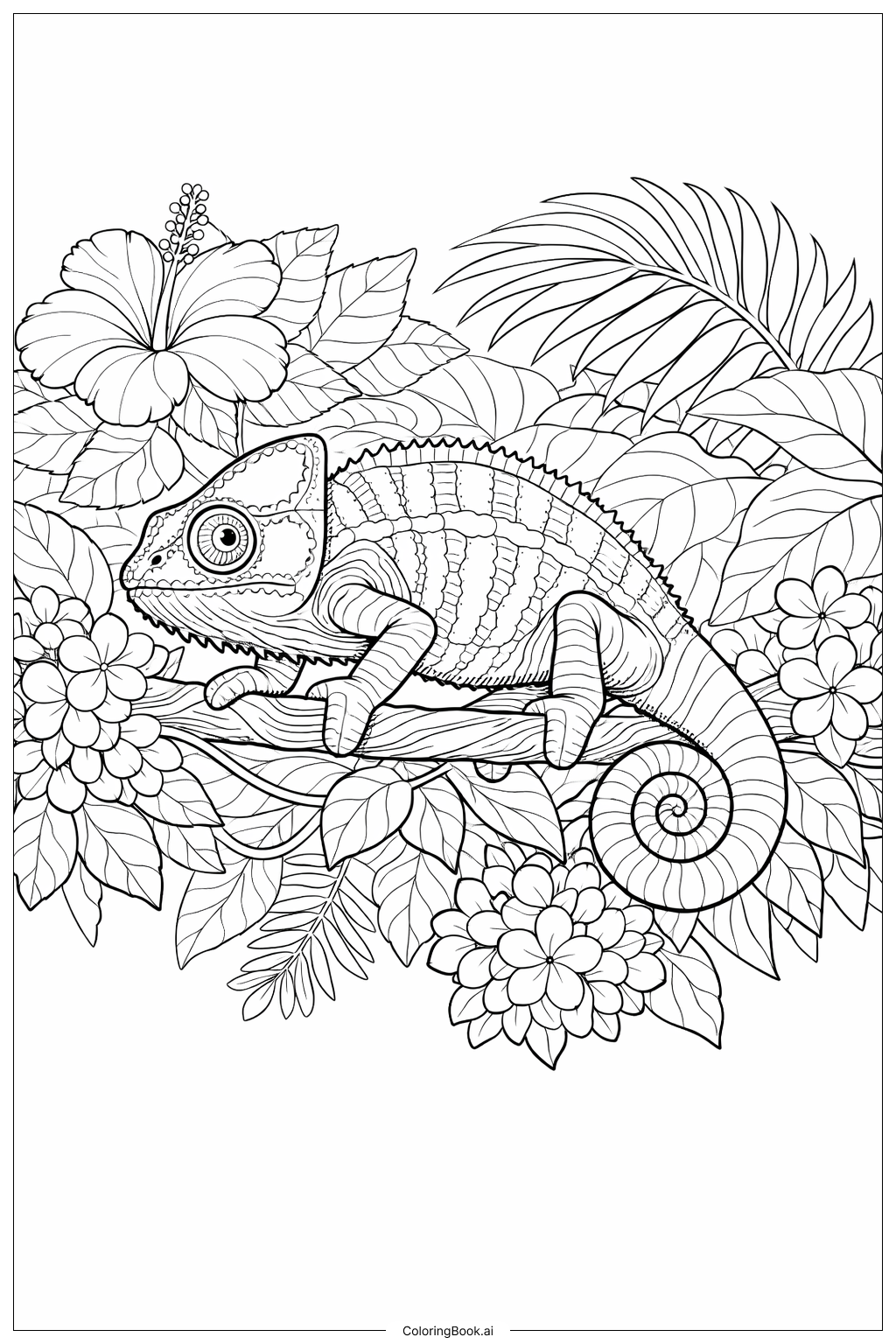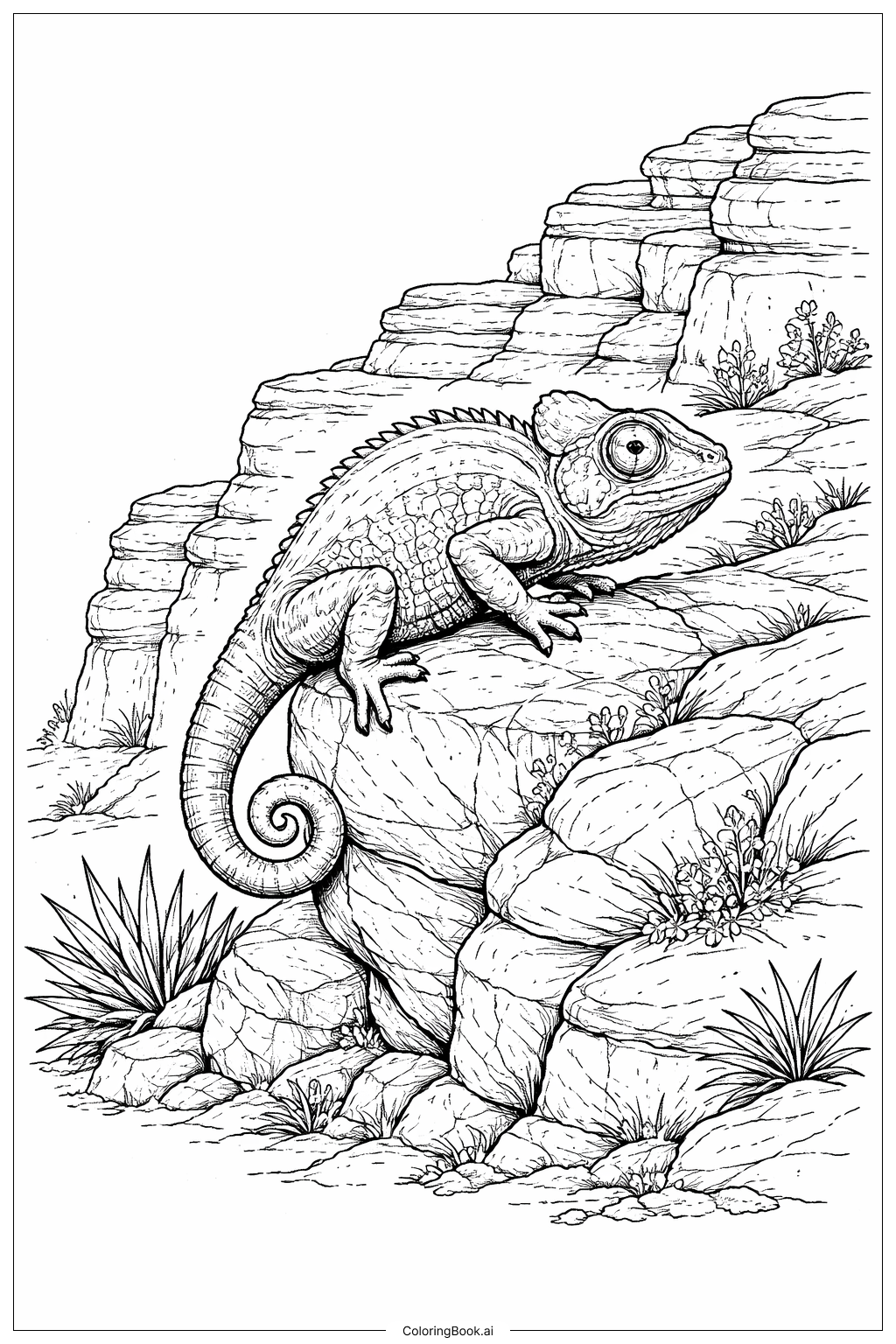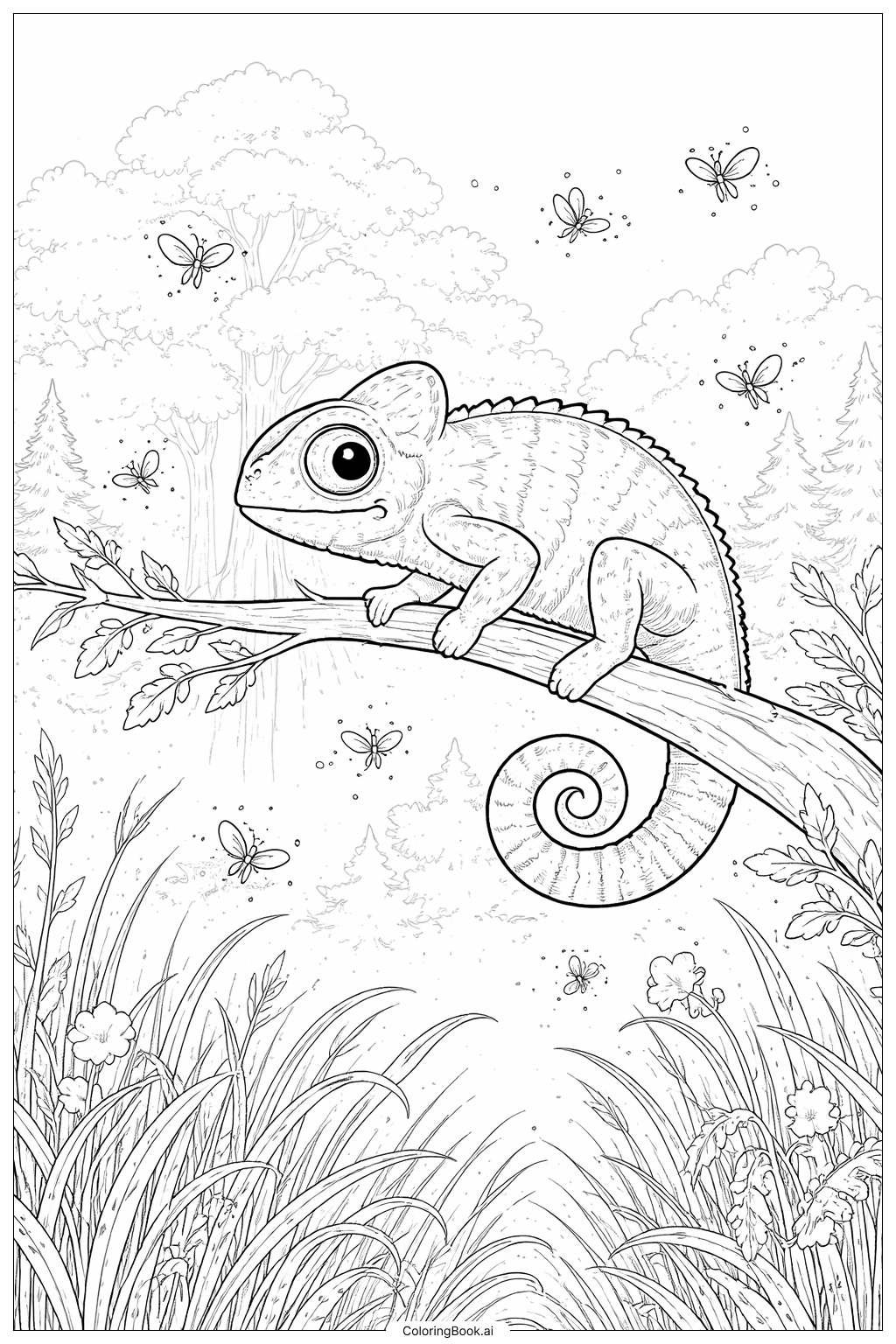
Coloring tips: How to color Chameleon Bubble coloring page well?
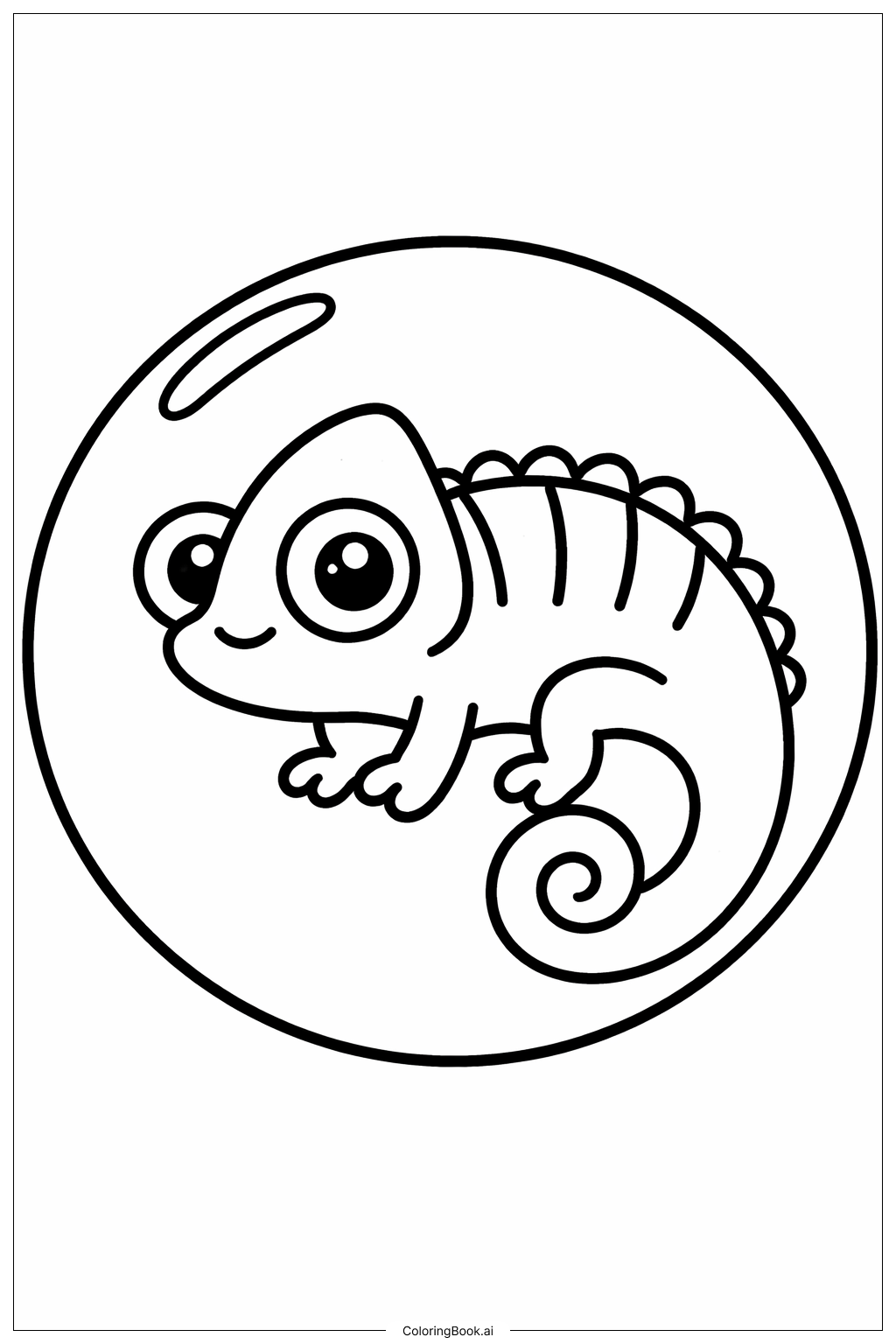
Start with the chameleon's body using bright, bold colors. Chameleons can change color, so feel free to get creative! Try using greens, teals, oranges, or even purples. Use darker shades along the edges of each scale to make the texture pop. Color the large eyes with a bright yellow or gold iris and a dark pupil for a lively look. For the bubbles, use very light blues, pinks, or lavender with a small white highlight spot to make them look shiny and round. The branch can be colored in warm browns, and the leaves in various shades of green. Add light and dark green tones to the leaves to give them depth. Feel free to mix unexpected colors — this is a fun, fantasy scene, so there are no rules! Younger kids can use broad strokes with crayons or markers, while older colorists can try blending colored pencils for a more detailed finish.
Coloring challenges: Which parts are difficult to color and need attention for Chameleon Bubble coloring page?
• Scale Texture Details: The chameleon's body is covered in many small, overlapping scales. Coloring each scale individually takes patience and a steady hand. Using a fine-tipped tool works best here. Try shading the lower edge of each scale slightly darker to create a 3D raised effect. This is one of the most time-consuming parts of the image.
• Bubble Shading: Making bubbles look round and transparent is tricky. Each bubble needs a light base color, a subtle gradient toward the edges, and a small white highlight to simulate the reflection of light. Leaving a tiny uncolored spot for the highlight can make a big difference. Blending soft colors smoothly without pressing too hard is key.
• Eye Detail: The chameleon's large, round eyes have a complex structure. Getting the eye to look bright and alive requires careful layering — a dark outer ring, a colored iris, and a sharp white or light-colored reflection dot. Rushing this area can make the eye look flat or dull.
• Color Variety and Contrast: Since chameleons are famous for changing color, colorists may feel unsure about which colors to choose. Picking colors that contrast well without clashing takes some planning. Using a color wheel or trying a light test swatch before committing to a color can help.
• Background Elements: The curling vines, branch, and leaves surrounding the chameleon require varied greens and browns. Keeping these background details from visually competing with the chameleon in the foreground means using slightly muted or lighter tones in those areas to maintain focus on the main subject.
Benefits of coloring books: Advantages of drawing Chameleon Bubble coloring page
Coloring this Chameleon Bubble page offers a wonderful range of benefits for kids and young colorists. The detailed scale pattern on the chameleon's body helps develop fine motor skills and hand-eye coordination as kids carefully fill in each small section. Working through all the tiny details builds focus and patience — skills that carry over into school and everyday life.
The bubbles encourage creative thinking about color, light, and shading. Kids learn how to create the illusion of a shiny surface, introducing them to basic art concepts like highlights and gradients in a fun, low-pressure way.
Because chameleons naturally change color, this image gives kids full permission to be bold and experimental with their color choices. There are no wrong answers here, which builds confidence and encourages self-expression.
For older kids and teens, the complexity of the scales and the layered background make this a satisfying and absorbing project. Spending focused time on a detailed activity like this can reduce stress and promote a calm, meditative state of mind.
Overall, this image combines nature, fantasy, and art in a way that is both educational and deeply enjoyable. It sparks curiosity about the natural world while giving colorists a creative outlet to express their unique artistic style.